
Narrow Dining Tables
Narrow dining tables address a width problem, such as a long room where chairs and circulation must share limited cross-space. Narrow does not automatically mean small in every direction. A slim top can still be long, and it must provide a useful surface between people sitting opposite each other.
Read moreRead less
Start with the available room width and the objects used during meals. Then check table length and the shape of the base. This guide helps solve a restricted-width setting without losing serving space or comfortable access. Browse any listed pieces by actual dimensions, or compare small dining tables when the whole dining footprint, rather than width alone, needs reducing.
Showing all 6 resultsSorted by recommended
-
On SaleOriginal price was: $2,399.00.$2,159.00Current price is: $2,159.00.
-
-
-
-
-
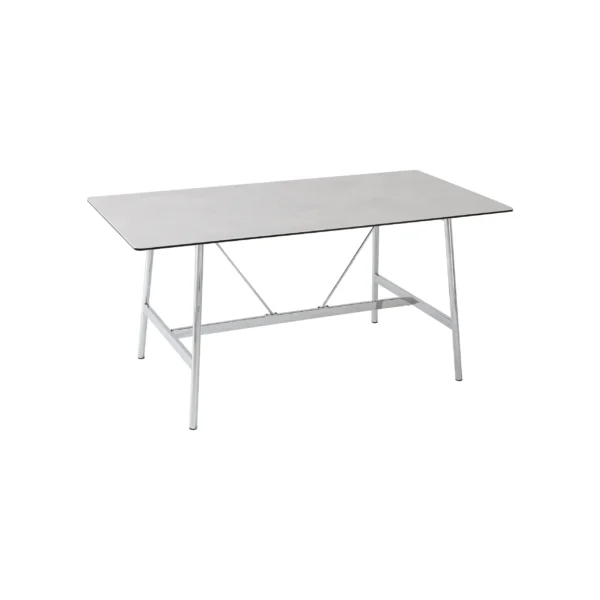

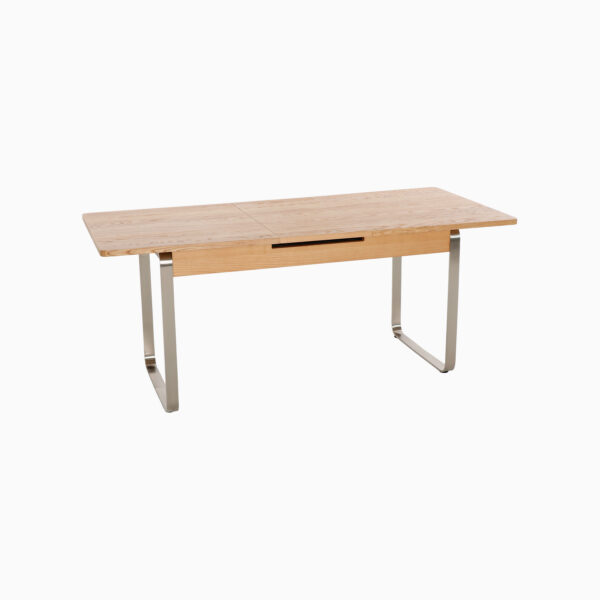
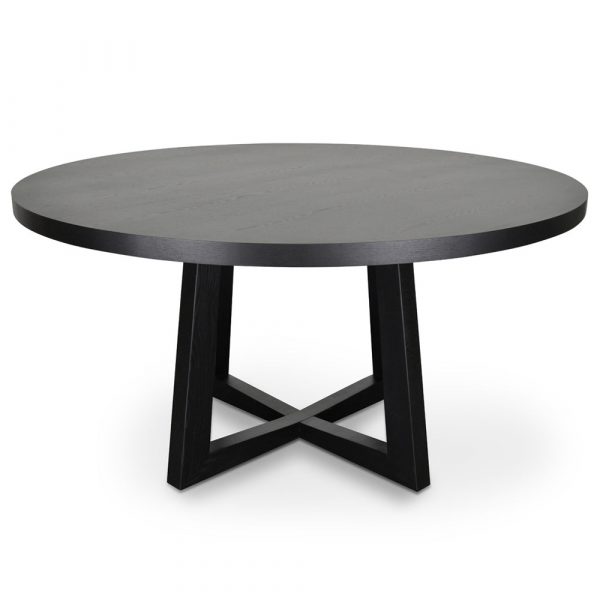
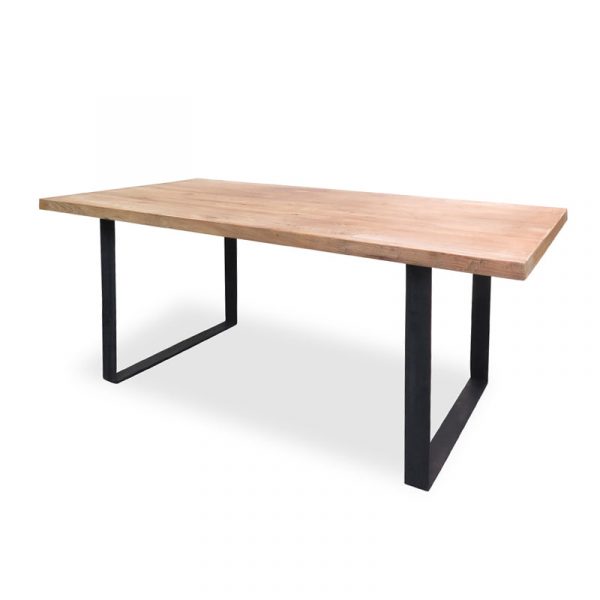
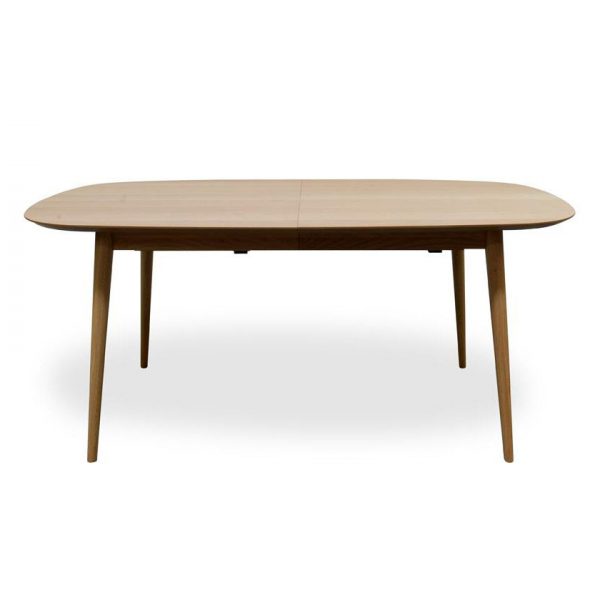
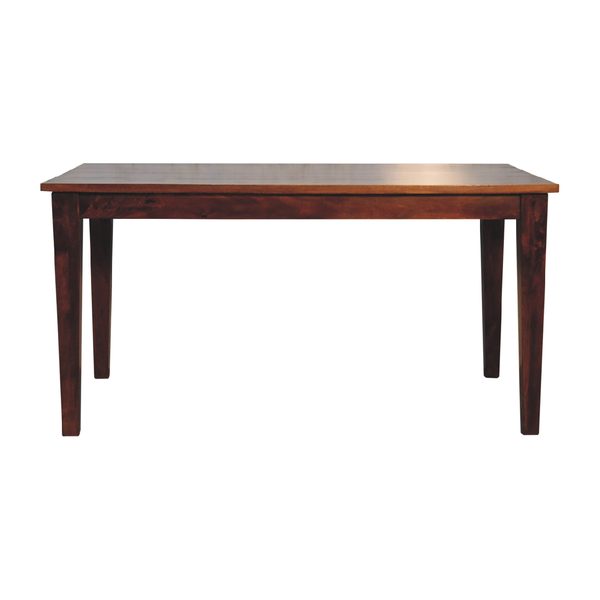
Measure across the occupied dining arrangement
Include the table, chairs in use and the route beside them in the room’s cross-width. A slim top can fit while the chairs still make the passage difficult. Note door openings, nearby cabinets and any fixed elements that narrow the available area.
Use the table’s full width and chair depth rather than estimating from an empty-room image. Assess where people pull chairs out and how another person moves past. The wider dining tables category helps compare forms, but the useful narrow choice should solve that occupied width problem. Reducing the tabletop alone is not enough if the rest of the arrangement remains constrained.
Keep opposite place settings and serving objects workable
Lay out two facing place settings within the stated top width, including the dishes you normally use. Decide what remains in the centre during a meal. A narrow surface may need a different serving routine from a broader top, so test the everyday task before buying for the slim outline.
Check the base and knee space too, since supports can compete with chairs in a restricted-width arrangement. Compare dining chairs using actual dimensions. Narrow furniture is useful when it leaves a practical table surface and usable seats, rather than gaining a passage by making ordinary meals feel crowded or the sitting positions awkward.
Choose length and flexibility as separate decisions
A narrow table can serve different numbers depending on its actual length, supports and chair width. Do not infer capacity from narrowness. Assess end seating and the route around the table as carefully as the two long sides.
If an extension is part of the shortlist, check the product’s actual changed dimensions; added length does not necessarily increase width. Compare extendable dining tables with both configurations drawn in the room. Read top material and care details after the form works.