
Extendable Dining Tables
Extendable dining tables address two different dining scenes: the footprint used most days and the extra surface needed when more people gather. Both need to work in the room. An extension is helpful only when opening it leaves practical chair positions and movement around the setting.
Read moreRead less
Read the actual mechanism, closed and open dimensions, and storage instructions before comparing style. Different designs manage the changing top in different ways. This guide helps assess those details without assuming one standard extension system. Browse any listed pieces, or use the wider dining tables category when a fixed-size form might meet the same everyday need more simply. Keep the ordinary arrangement as important as the occasional expanded one.
Showing all 8 resultsSorted by recommended
-
On SaleOriginal price was: $1,999.00.$1,699.00Current price is: $1,699.00.
-
-
-
-
-
-
-
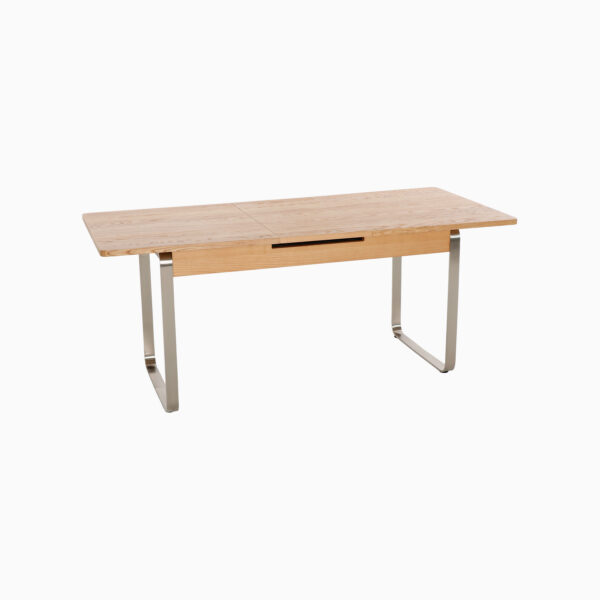

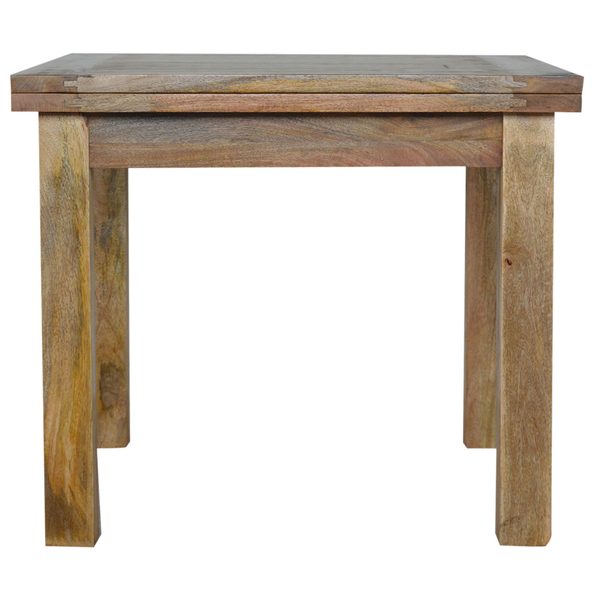
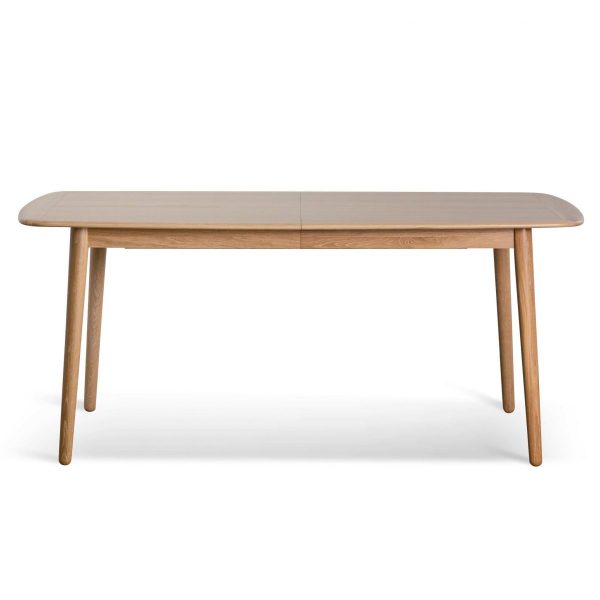
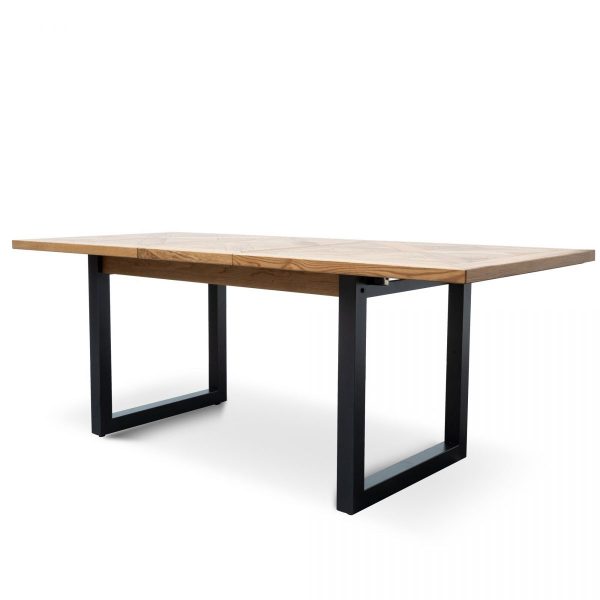
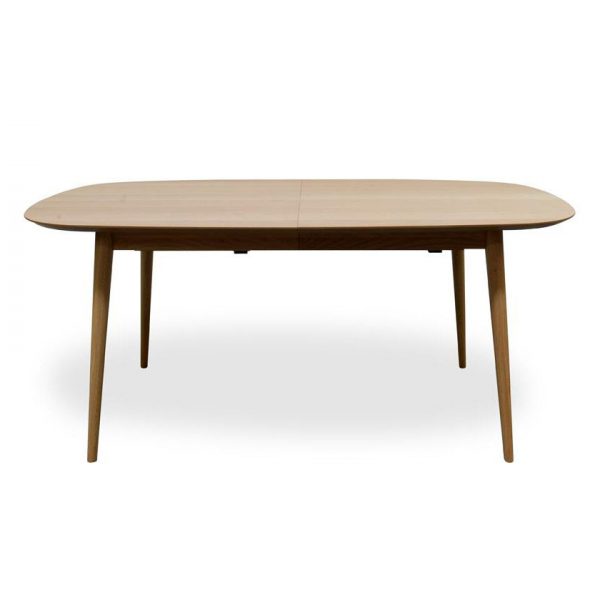

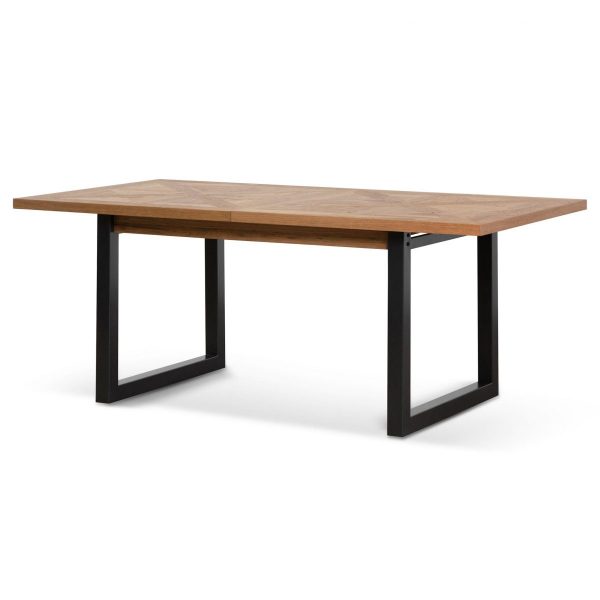
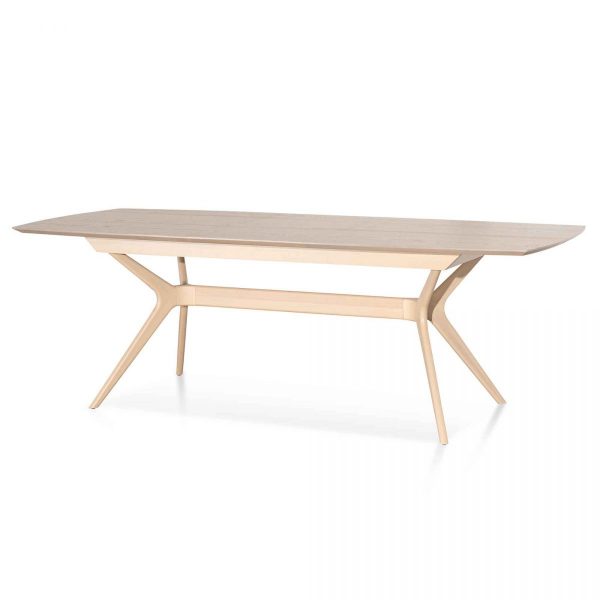
Draw two occupied dining arrangements
Mark the closed and extended table with the chairs used in each configuration. Check the route past end seats, nearby doors and other furniture. Do not reserve room for the extra top while forgetting the people who will sit around it.
Use actual dimensions rather than a general claim of flexibility. The BAUHAUS Extendable Dining Table is a relevant example: its published description states a change from 1.4m to 1.8m. Check the current listing and your chair arrangement before applying those measurements to the room. Added length is not a fixed number of additional comfortable seats; chair width and base positions still determine usable places.
Understand how the extension operates and stores
Read whether the design uses a stored leaf, separate panel or another specified mechanism. Do not assume a self-storing extension from the name. Confirm what space is needed to operate it, what steps are required and where any separate part belongs between uses.
Consider how often you will change the table. A mechanism suited to rare gatherings may serve a different habit from one opened frequently. Follow the individual instructions rather than trying an imagined movement based on photographs. Check how supports and tabletop joins relate in each configuration, since the expanded surface should remain useful for serving and sitting as well as look complete from above.
Keep everyday fit from becoming an afterthought
The closed table will often be the arrangement used most, so compare its proportion and chair fit first. An attractive maximum size should not justify a daily setting that feels crowded or leaves chairs awkwardly placed beneath the base.
Read top and support construction separately and follow their care guidance, including any extension parts. Compare small dining tables when compact ordinary use is the central need, and dining chairs for the actual seating relationship. If buying a package, verify its contents rather than assuming chairs come with every table.