
Mango Wood Lounge Chairs
Mango wood lounge chairs are a frame-led direction for a personal seat with visible timber character. Start with where the wood appears: arms, back, legs or another documented component can each change the chair’s outline. Then read the actual seat and back construction. A timber frame does not establish a hard or upholstered contact surface, and the wood name does not describe every part.
Read moreRead less
Use this collection to compare grain and frame proportions within a chair that suits your sitting routine. Check usable seat measurements alongside the full room footprint. Lounge chairs provide the broader fitting guide. Timber lounge chairs offer a wider wood-construction comparison when visible frame character matters more than a particular stated species.
Showing the single result
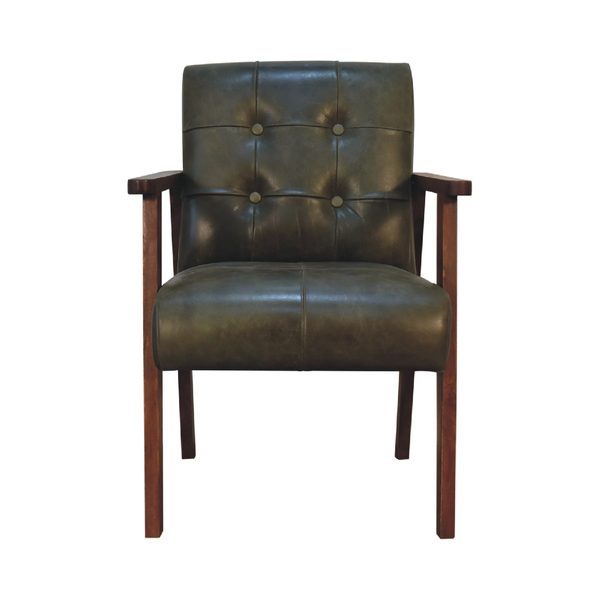

Choose mango character around the seat and back
Mango commonly shows golden-brown areas and can have darker streaks or other tones. Look across the specified arms, back and supports as a whole, including the wood most visible at the planned chair angle. Narrow arms and a broader back frame show that character differently beside the sofa and floor.
Read the selected finish and expected variation before planning a close relationship with existing timber. Ask about important details rather than expecting one identical photographed grain. Check which components use mango and their actual construction, while assessing the contact surfaces separately. The frame can contribute warm varied detail around another stated seat material; it need not be made visually larger just to repeat wood elsewhere. Choose the full silhouette with its usable seat and room access in view.
Compare the seating zone separately from the wood frame
Read usable seat height, width and depth with the back arrangement. A generous-looking frame can contain a smaller contact area, while a curved component may affect where the user actually sits. Do not treat outer chair dimensions as a complete comfort specification. Compare them with your preferred routine.
Check contact materials for seat, back and arms where supplied. If a covering is documented, read its own composition and care instead of extending timber guidance to it. Fabric lounge chairs or leather lounge chairs offer other material-led routes when the contact surface is the deciding need. Keep frame appearance and sitting support as two clear comparisons.
Make the wood chair accessible to use and maintain
Plot full assembled dimensions at the chosen angle beside the sofa. Include projecting arms, back and supports, then preserve approach and standing space. A visible wood outline may look open but still take significant room. Plan reachable surface through a nearby side table rather than relying on the central table for every seat.
Follow the selected finish’s care before applying oil, wax or a cleaner. Check any separate instructions for the actual seat and back. Confirm assembly and handling, then ask benssur about an unclear timber component or usable measurement. Choose the visible mango grain around contact surfaces and proportions that suit your daily sitting.