
Timber Lounge Chairs
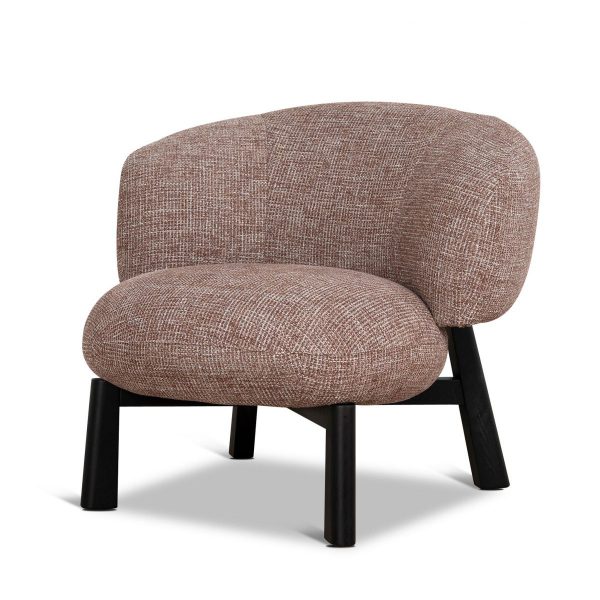
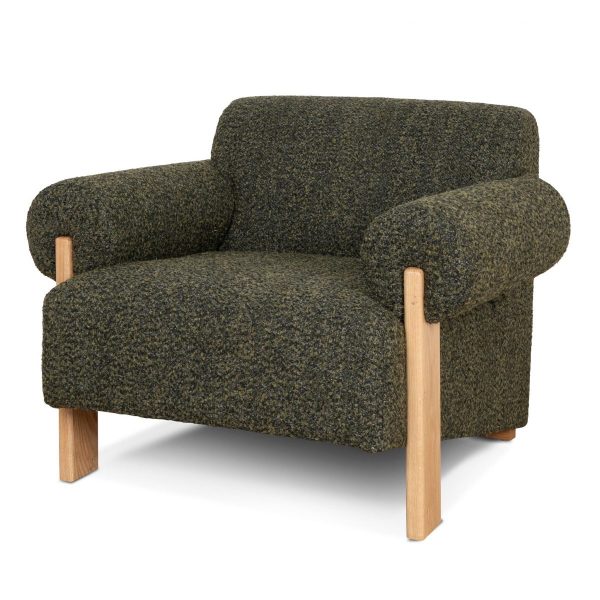
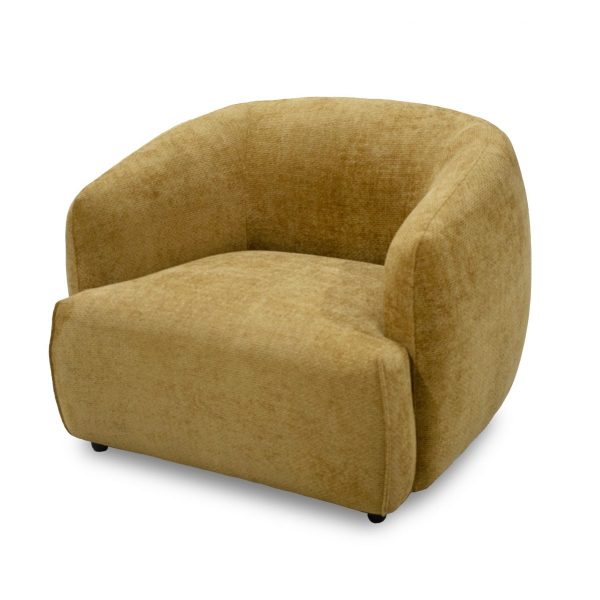
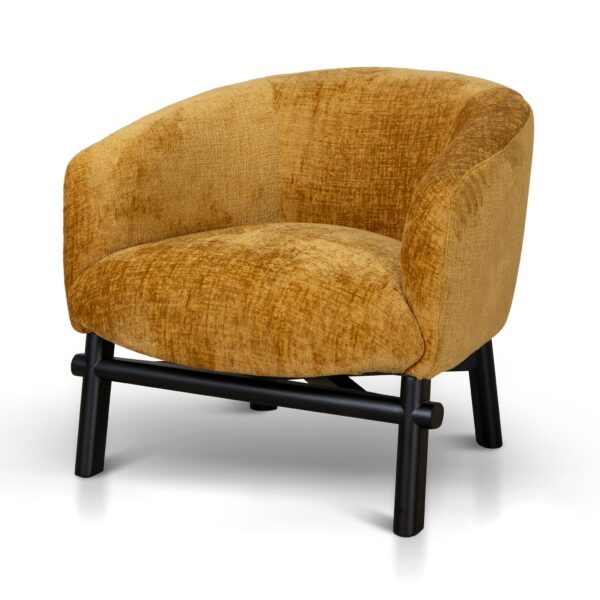
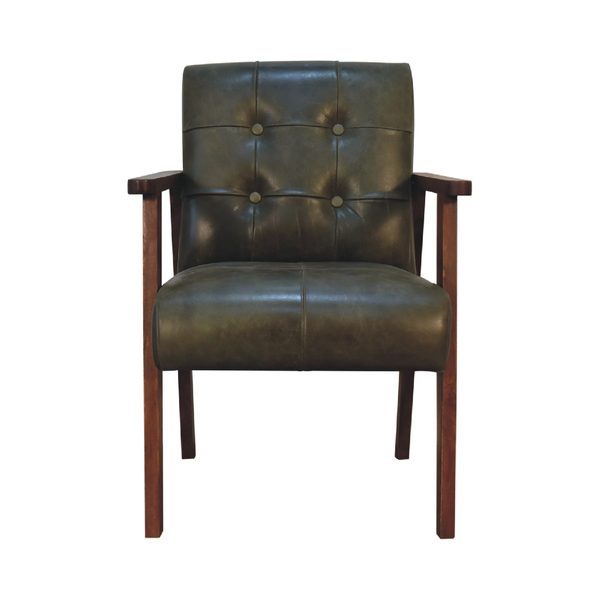
Timber lounge chairs make the frame’s shape and wood character part of the personal-seat decision. Start with the contact surfaces as well: a timber structure can surround paper cord, leather, textile or another documented seat and back. Read them separately rather than expecting a wood label to explain comfort or the complete build. Then compare the exposed frame with the floor and nearby furniture.
Read moreRead less
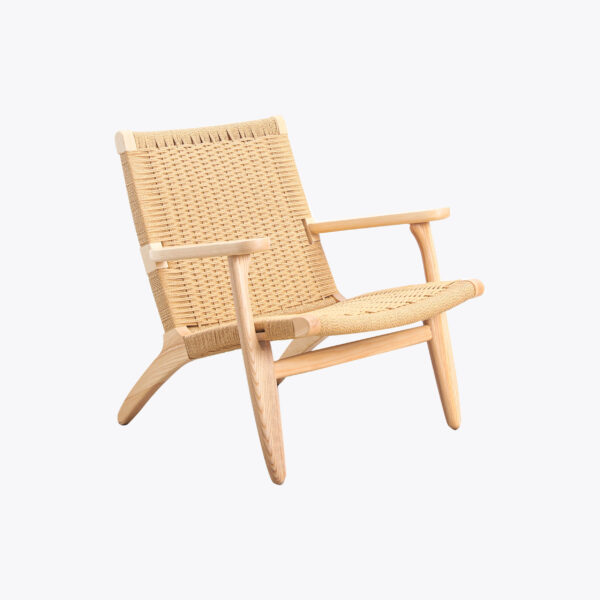
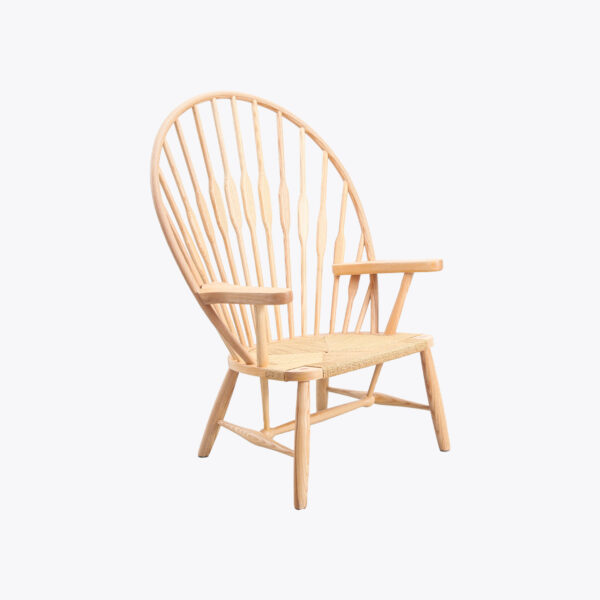
The current FJORD Lounge Chair provides a low solid-timber frame with paper-cord seat and back as a concrete reference. Use its actual details without extending them to every timber chair. Lounge chairs cover the wider posture guide. Mango wood lounge chairs offer a narrower wood direction where that species is explicitly documented.
Showing 1–24 of 29 resultsSorted by recommended
-
On SaleOriginal price was: $905.00.$796.00Current price is: $796.00.
-
-
On SaleOriginal price was: $1,369.00.$1,205.00Current price is: $1,205.00.
-
On SaleOriginal price was: $936.00.$824.00Current price is: $824.00.
-
On SaleOriginal price was: $1,179.00.$1,038.00Current price is: $1,038.00.
-
On SaleOriginal price was: $1,154.00.$1,016.00Current price is: $1,016.00.
-
On SaleOriginal price was: $599.00.$539.00Current price is: $539.00.
-
-
-
-
-
-
-
-
-
-
-
-
-
-
-
-
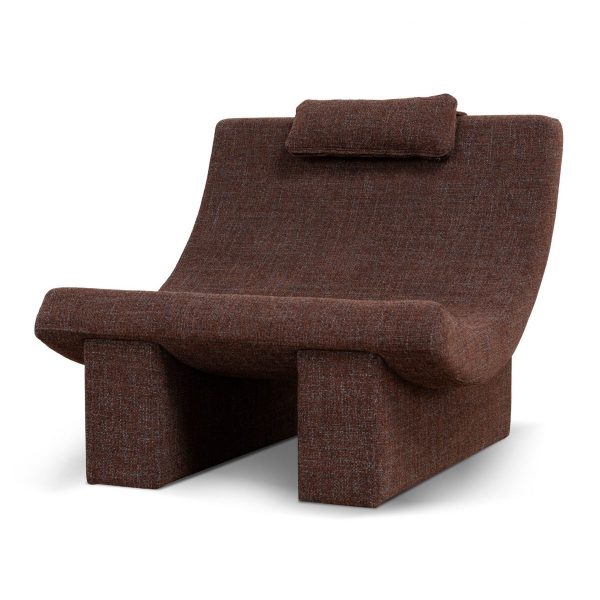

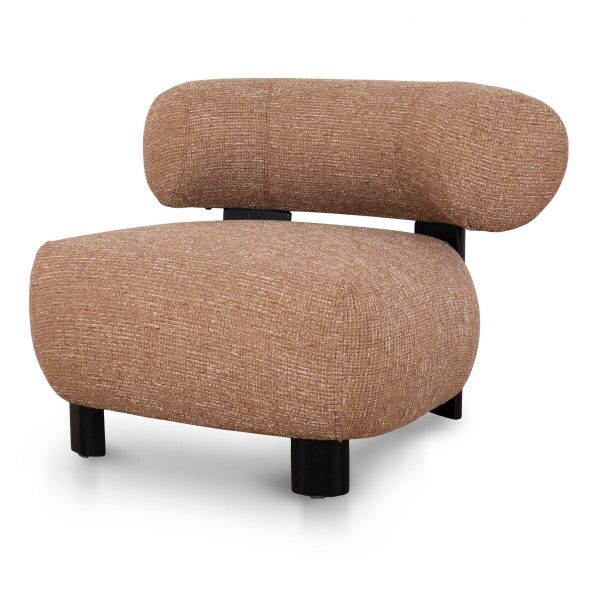
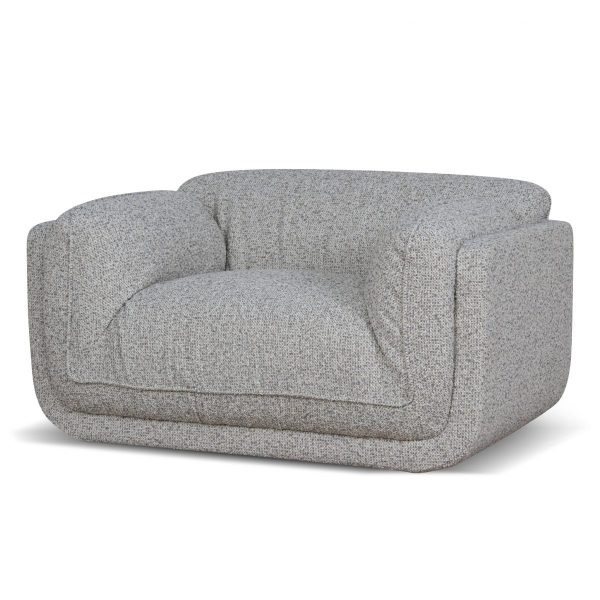
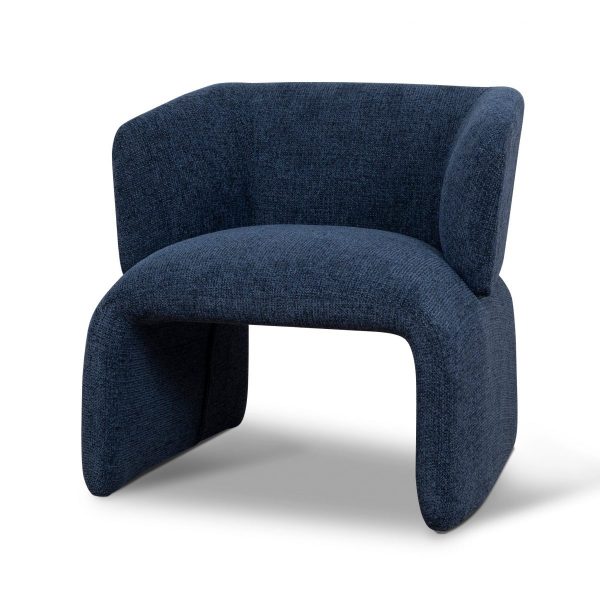
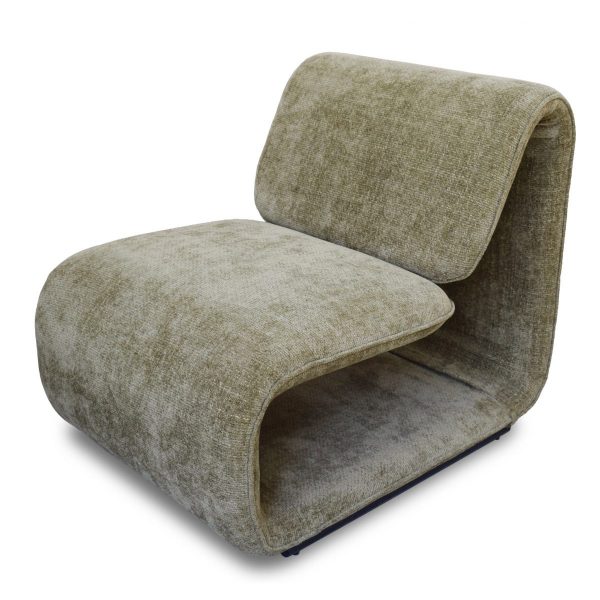
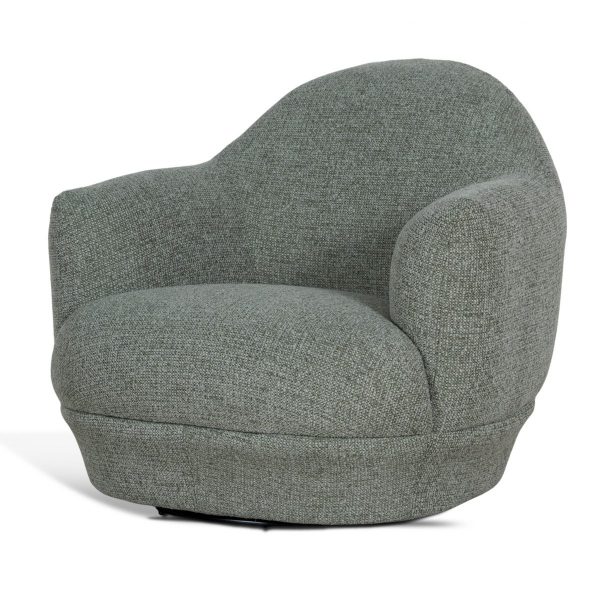
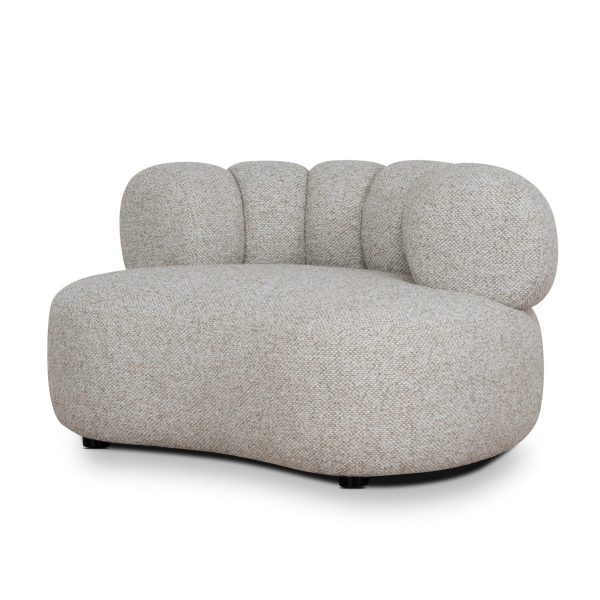
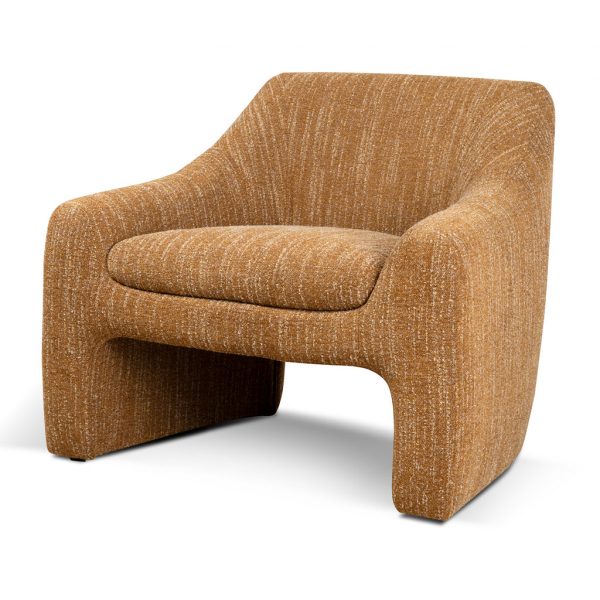
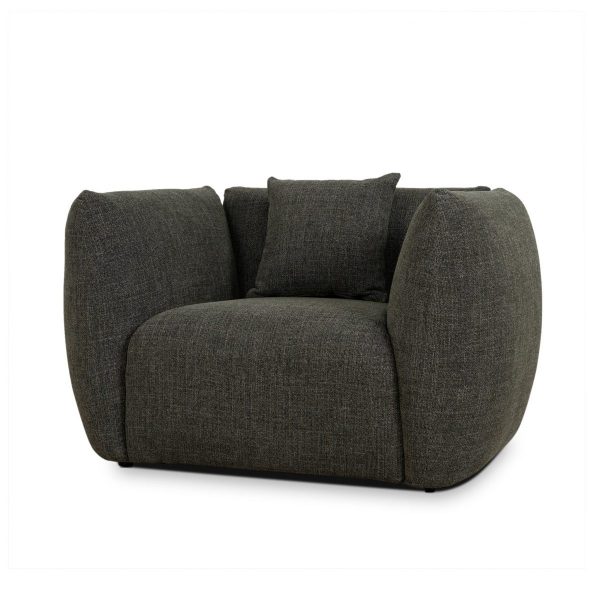
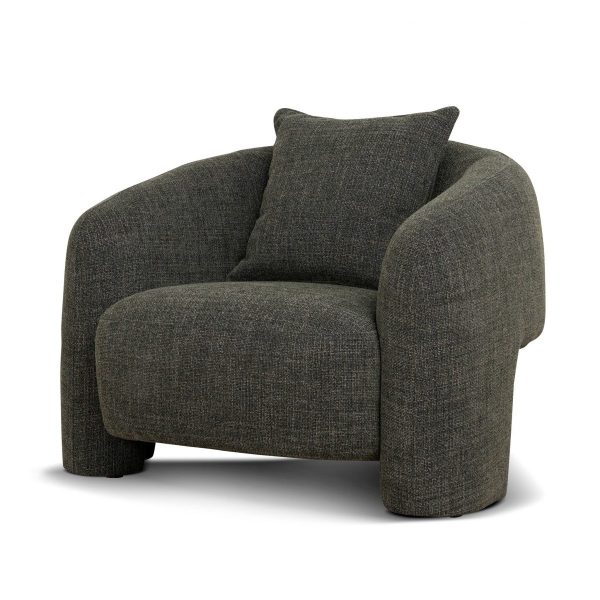
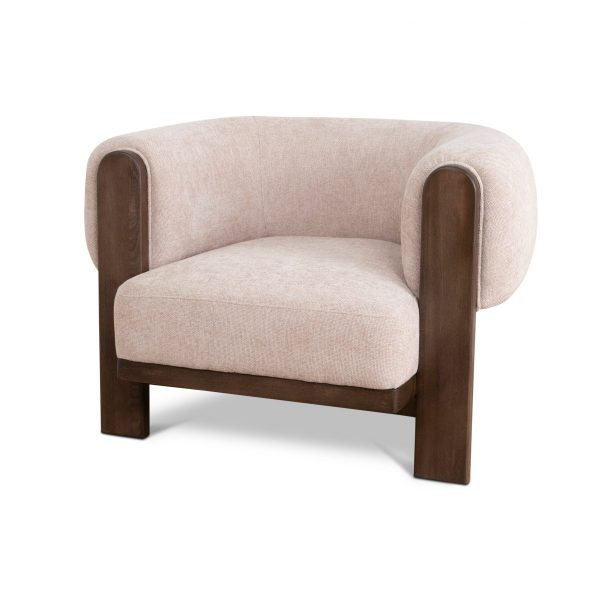
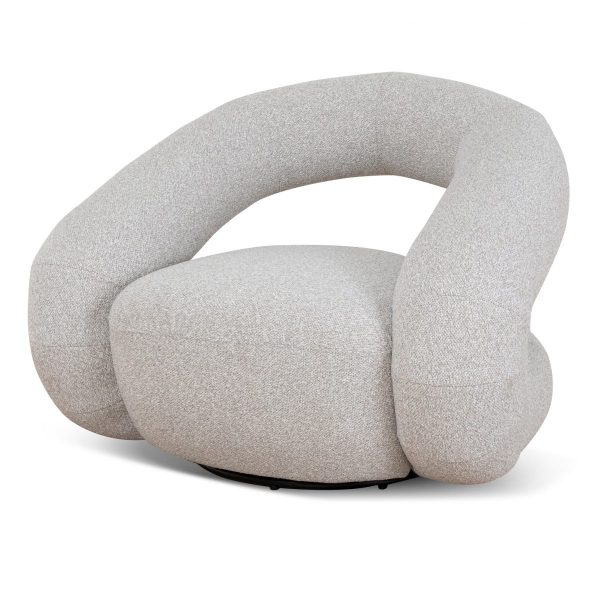
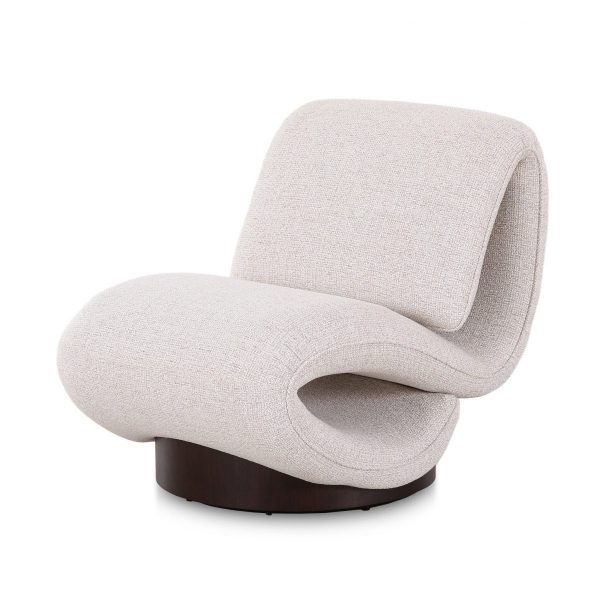
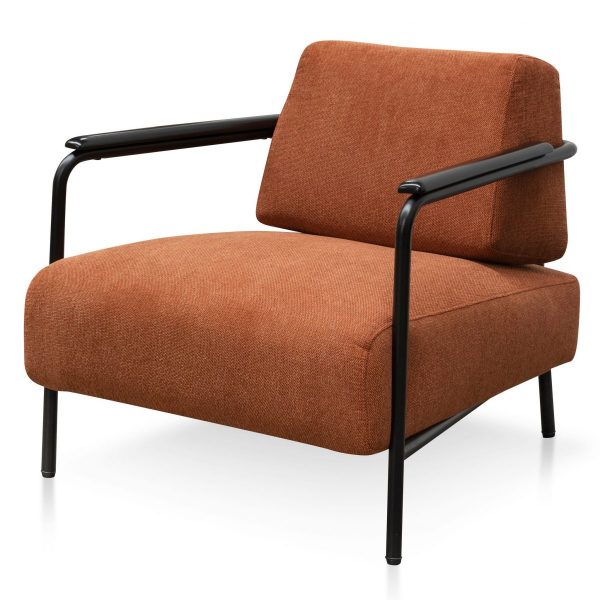
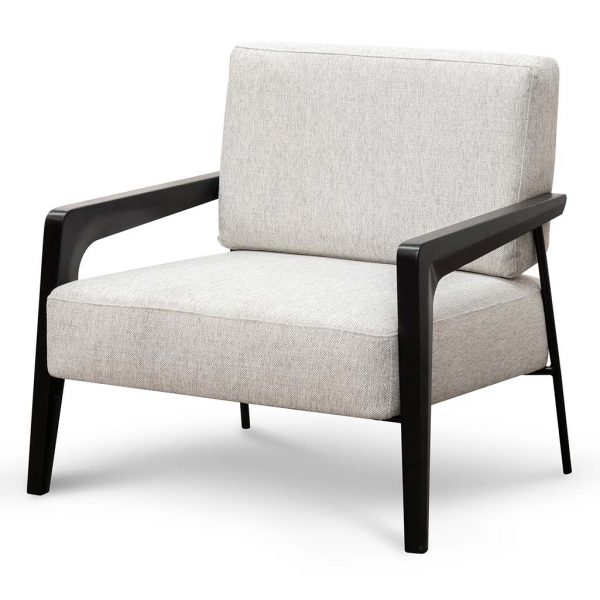
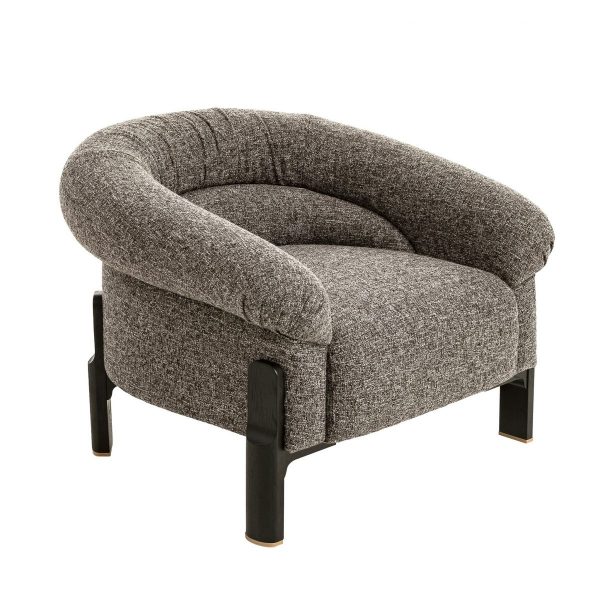
Read solid timber and other wood constructions clearly
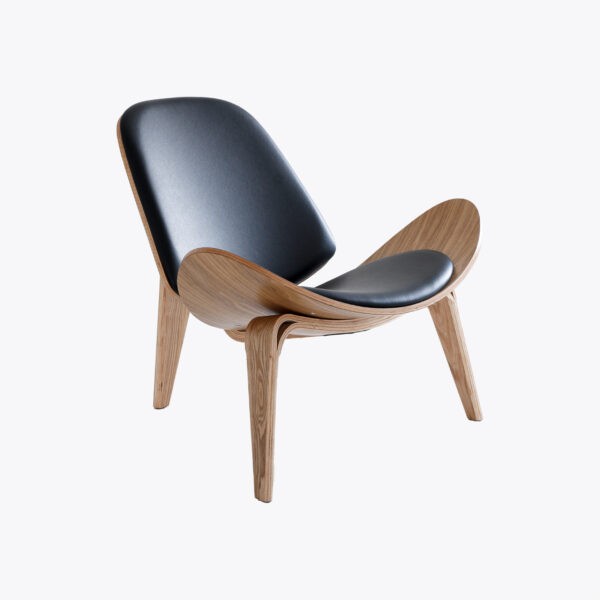
Check the materials for arms if supplied, legs, frame and any shell. Solid timber and plywood are distinct constructions, and a visible grain surface alone does not establish every component. The current LUNA Lounge Chair identifies a curved plywood shell, ash veneer and microfibre leather seat and back components, showing why a mixed-material form needs its own clear specification.
Review grain and finish on the parts seen from the room. Exact matching to another timber is unnecessary, but undertone and visible area should have a considered relationship. Ask about missing construction information then compare the stated frame, shell and contact surfaces with the sitting arrangement you want.
Choose the sitting zone independently of exposed wood
Compare actual seat height, usable depth and width with your preferred routine. The outer frame may take more room than the contact area, particularly where arms or a shaped back project. Read the actual seat and back materials alongside those measurements rather than judging support from a timber photograph.
Consider arm shape where provided, including how it relates to the seated position. Reading chairs offer another task-led comparison if books are the main use. Leather lounge chairs or fabric lounge chairs narrow a covering direction when contact care leads the decision. The visible wood should sit around a seat that suits the user.
Keep frame care and room access part of the material choice
Plot the complete chair at its intended angle beside the sofa and table. Check approach, standing room and any back projection. A visually open timber frame still occupies its actual width and depth. Review the rear view if it faces the doorway so the material relationship works around the whole chair.
Follow finish-care instructions before applying oil, wax or cleaner. Read separate guidance for the seat and back, then confirm assembly, handling and delivery access. Side tables can provide useful nearby reach for a separate wood chair. Ask benssur about unclear components or dimensions while comparing useful entry, the seated position and the exposed wood seen from the room.