
Fabric Lounge Chairs
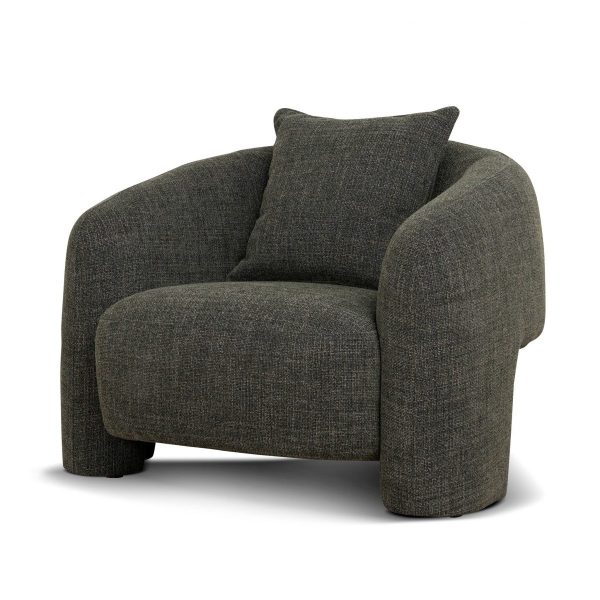
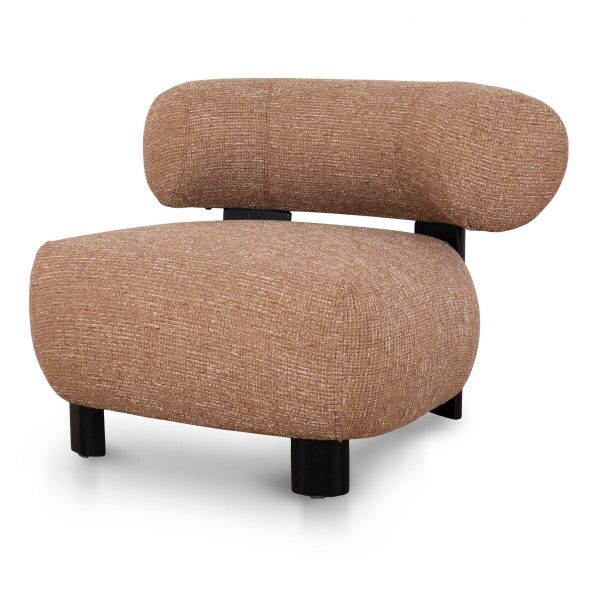
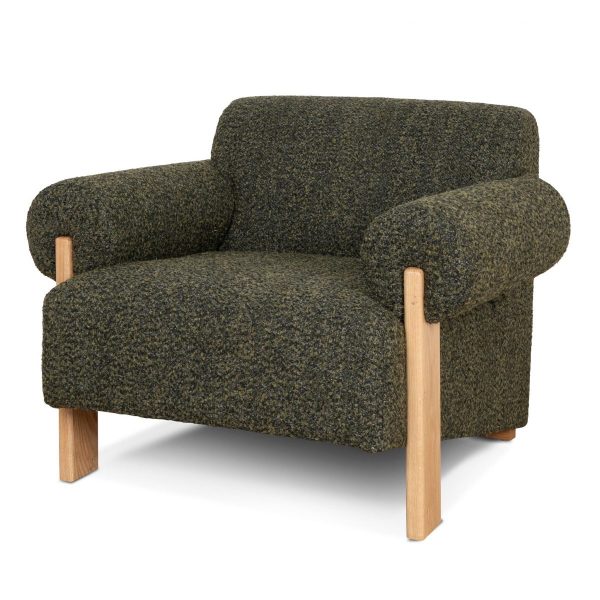
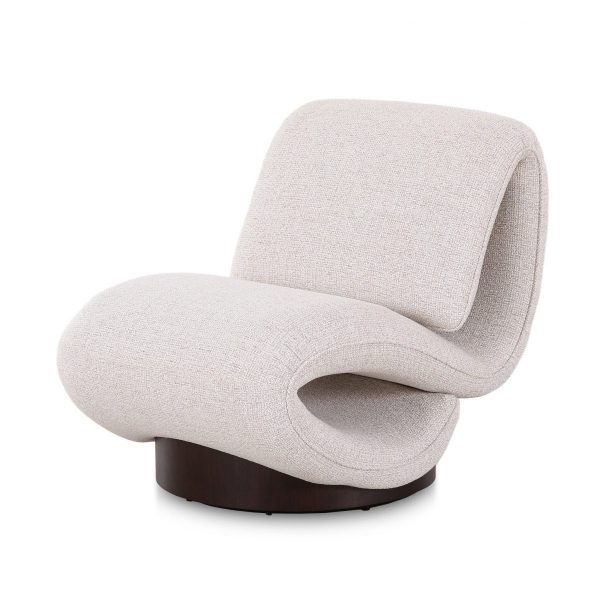
Fabric lounge chairs bring textile into the place you sit, lean back and make contact with the furniture each day. Start with the actual weave, composition and covered components. A textured fabric can create interest beside plain upholstery, while a quieter surface leaves more attention on the chair shape. Neither appearance establishes one cleaning method or a guaranteed service life.
Read moreRead less
Use this collection to compare that covering with the way the chair will be used. Check seat, back and any arms separately, then read the actual care guidance. Lounge chairs cover posture and room placement. Upholstered lounge chairs focus on the covered outline if shape and padding arrangement are still being chosen before textile selection.
Showing 1–24 of 36 resultsSorted by recommended
-
-
-
Week’s PickOriginal price was: $1,279.00.$1,062.00Current price is: $1,062.00.
-
On SaleOriginal price was: $546.00.$480.00Current price is: $480.00.
-
-
On SaleOriginal price was: $1,171.00.$1,030.00Current price is: $1,030.00.
-
On SaleOriginal price was: $1,023.00.$900.00Current price is: $900.00.
-
On SaleOriginal price was: $924.00.$813.00Current price is: $813.00.
-
-
-
-
-
-
-
-
-
-
-
-
-
-
-
-
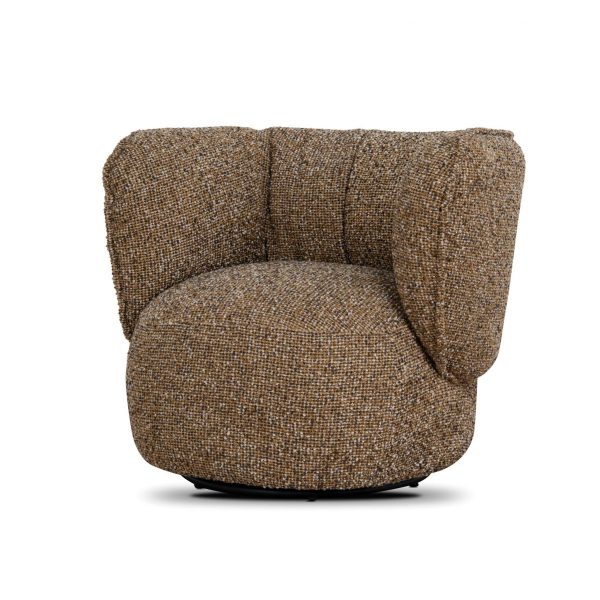

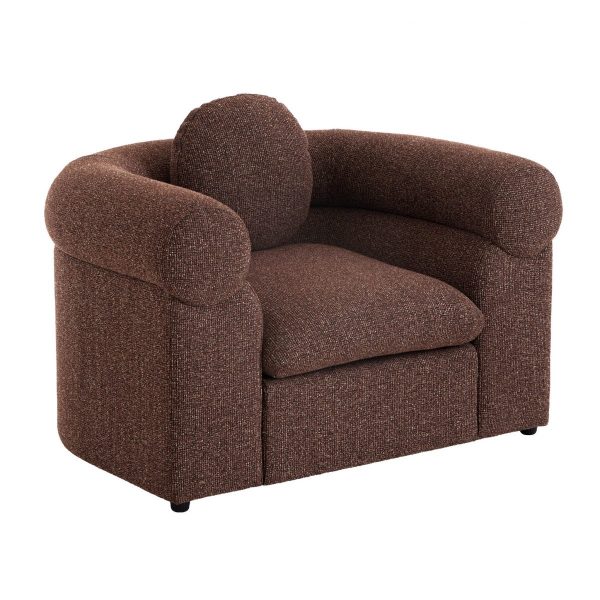
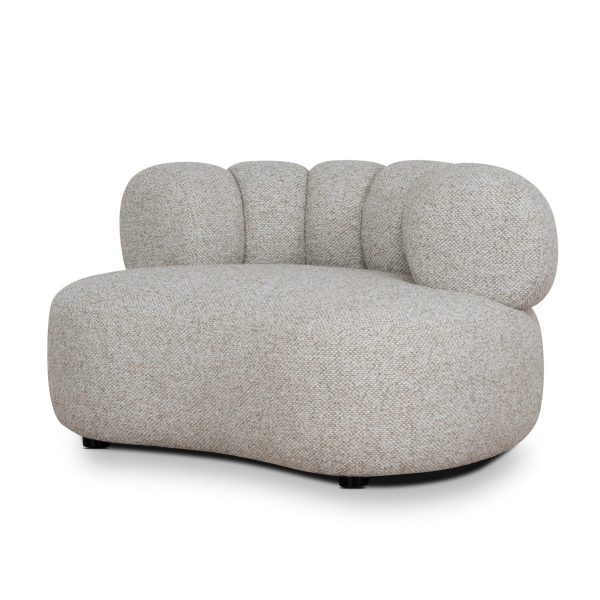
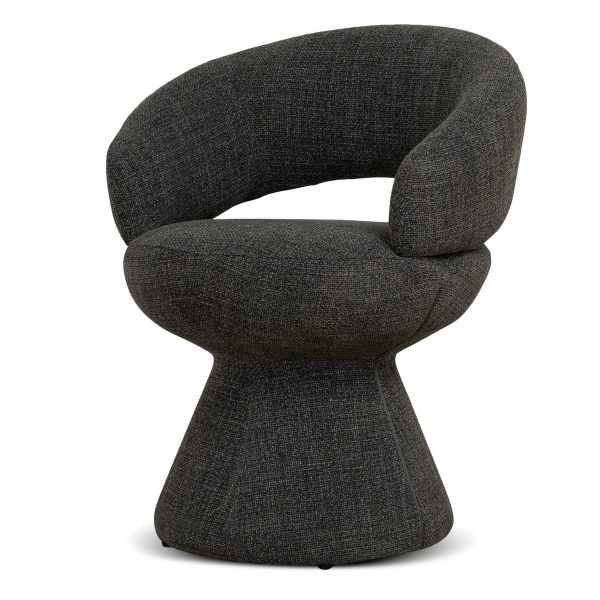
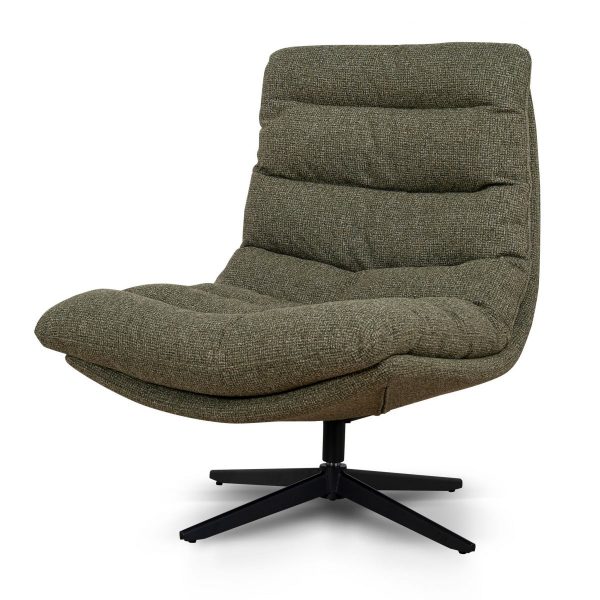
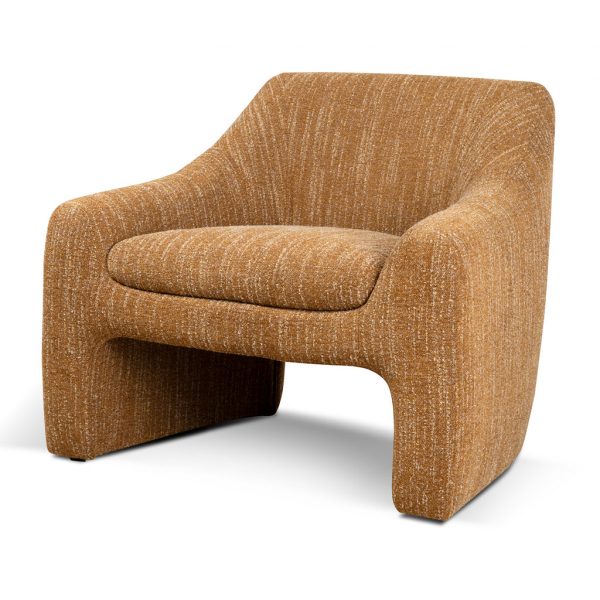
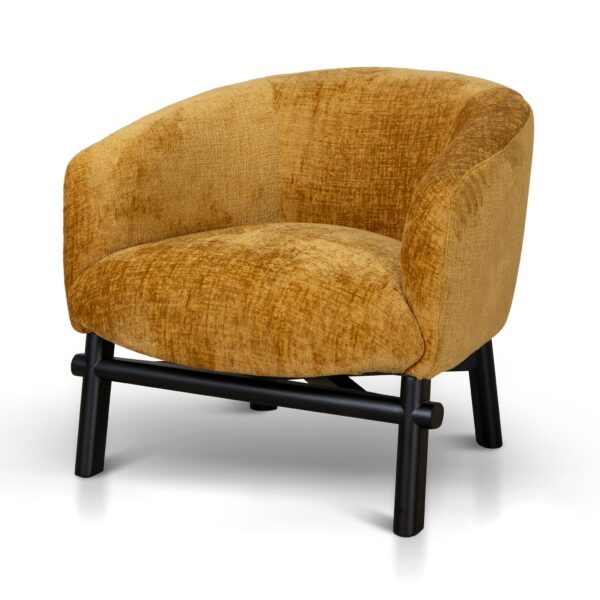
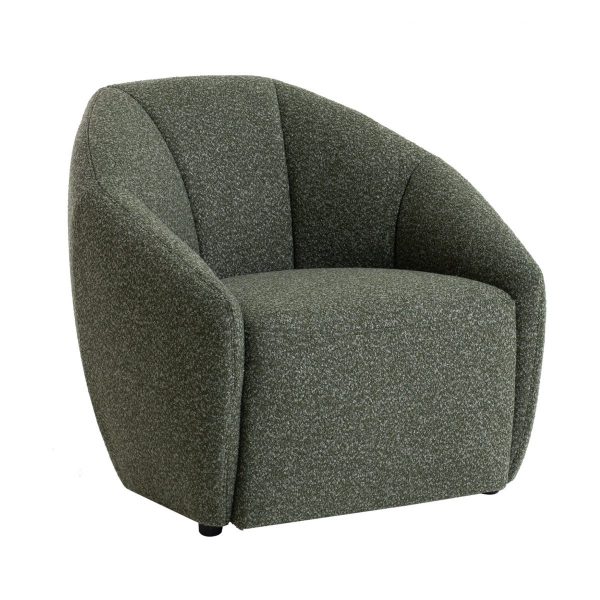
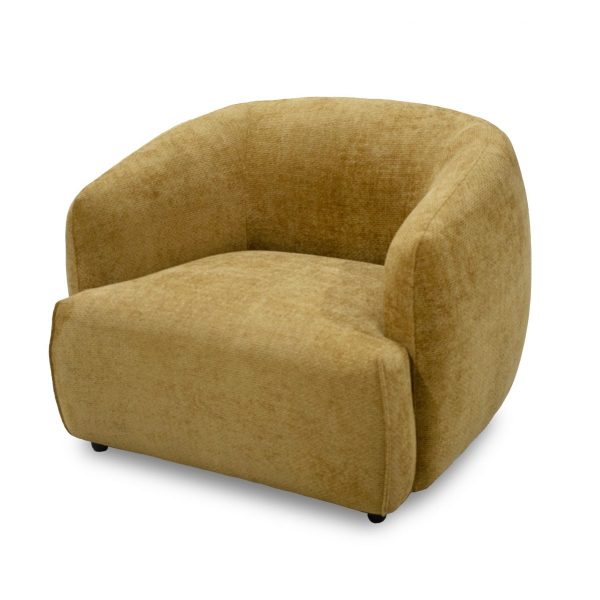
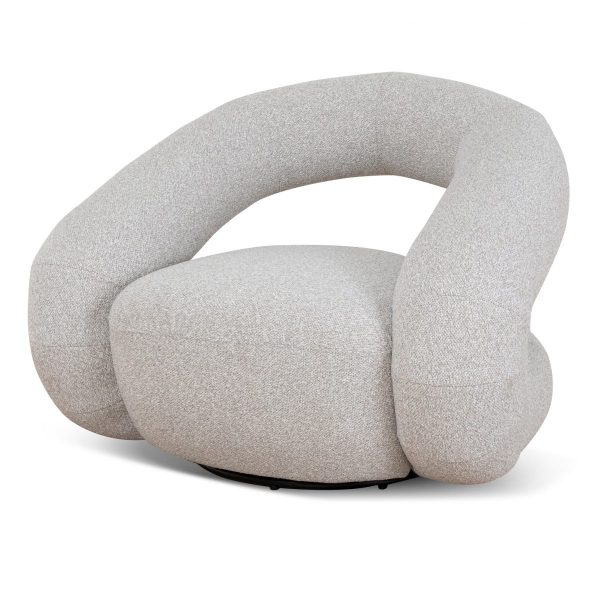
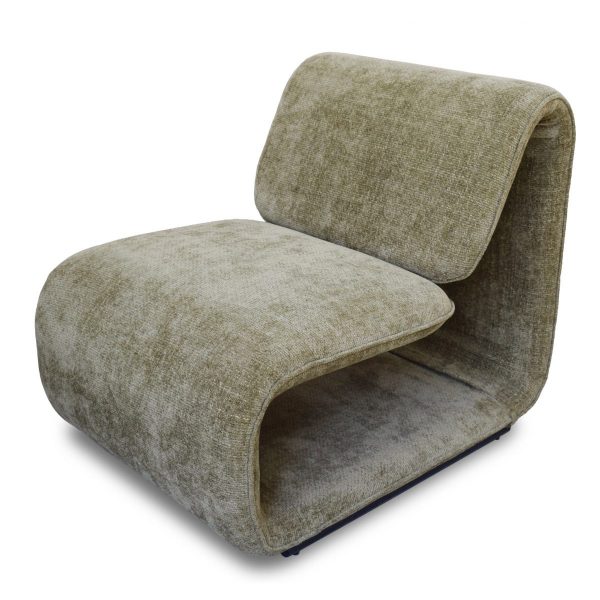
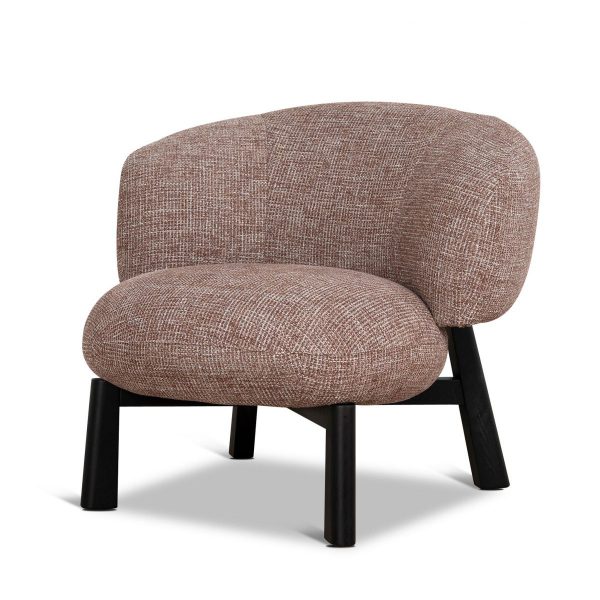
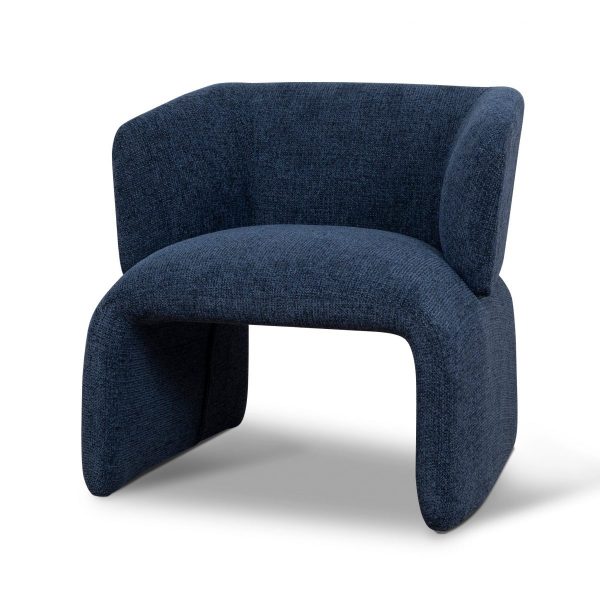
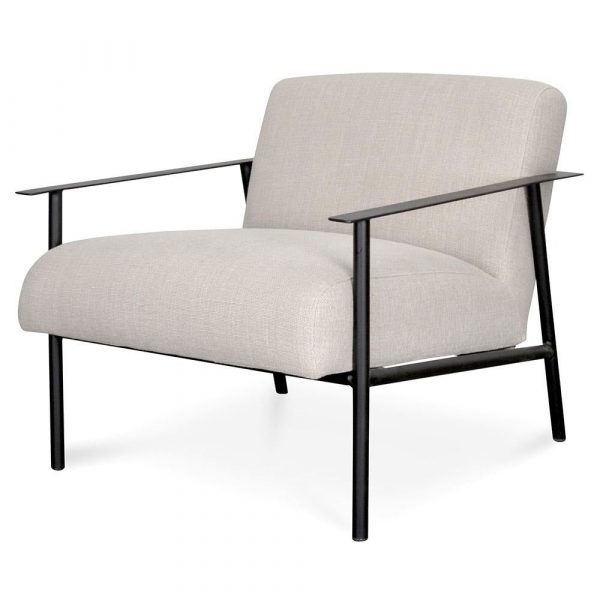
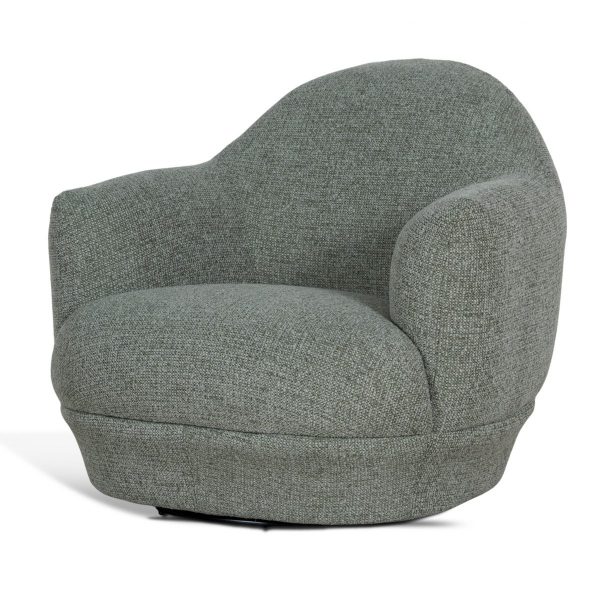
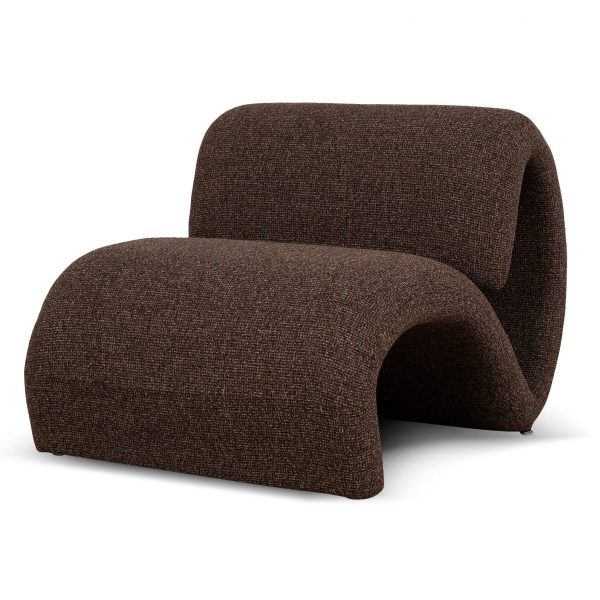
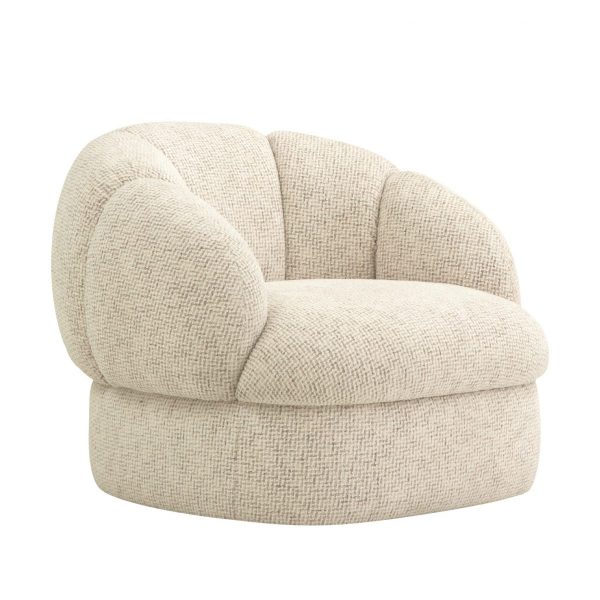
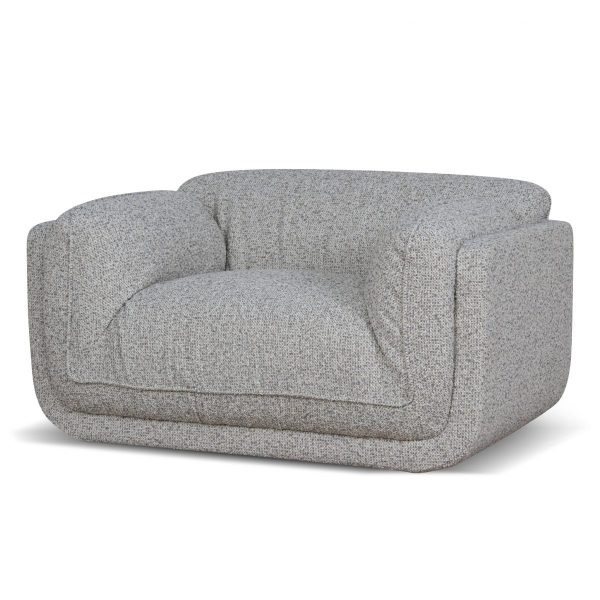
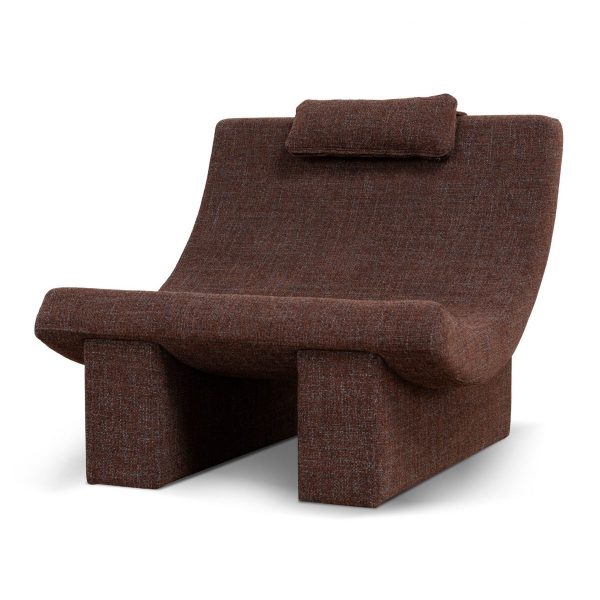
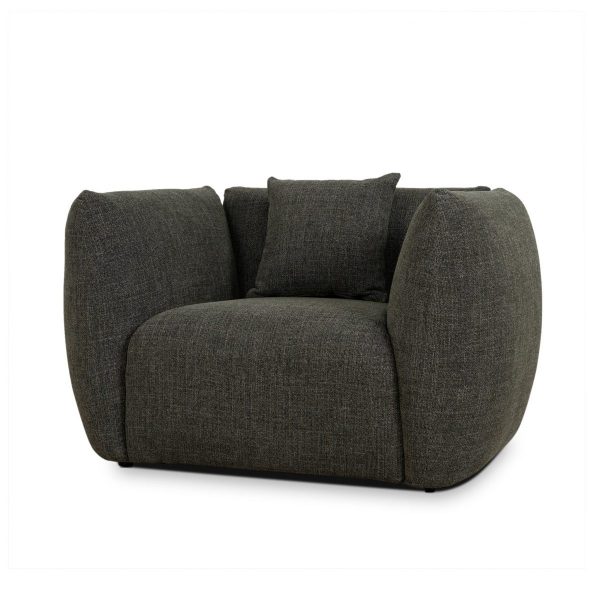
Choose the weave through contact and surrounding texture
Look closely at the fabric, then review the whole chair beside the sofa and rug. A strong weave or pattern can become more noticeable across a broad back or arm. Decide which texture should lead, rather than layering several prominent surfaces without a clear relationship. Check the areas covered and any component in another material.
Read fibre composition for the actual product. Fabric does not establish wool, cotton or another blend. If feel or specific content matters, ask about information missing from the description. Leather lounge chairs offer a separate covering direction, with the actual finish and contact-care instructions to compare beside your textile preference.
What does a fabric abrasion rating tell you?
If the selected product provides an abrasion rating, check the method and the fabric configuration it describes. Such a test measures a particular wear result; it does not establish how many years the complete chair will last. Read any rating for the selected covering and the rubbing method used, then compare it alongside the contact and care your chair will receive.
Read cleaning instructions as a separate decision. Do not assume washable or removable covers from a seam or fastening. Consider ordinary contact on seat, back and arms where supplied, then choose guidance you can follow. Ask about missing care or test information when it is a firm requirement, without treating a material name as proof of performance.
Keep the textile preference on a chair that fits the user and room
Compare usable seat height, depth and width with your routine, then plot the complete frame at its planned angle. A broad fabric body can occupy more room than its usable seat suggests. Check approach, standing space and reach to a nearby surface before finalising colour or pattern.
Reading chairs focus on a particular sitting activity, while deep seat lounge chairs narrow the depth question. Confirm construction, assembly and supplied components. Ask benssur about an unclear fabric or measurement. The chosen textile should support a useful personal seat rather than persuade you to accept an unsuitable chair solely for its surface.