
Reading Chairs
Reading chairs should be chosen through the way you hold a book or screen and the position you prefer for a longer pause. Begin with usable seat depth, height and the back arrangement, rather than assuming one classic chair shape suits every reader. Think about where arms rest if supplied and where the book, lamp and drink will sit nearby. The corner should work without awkward stretching or repeated rearrangement.
Read moreRead less
Use this collection to plan that routine within the actual room. Lounge chairs provide the broader fitting guide. The FJORD Lounge Chair offers a current low timber-and-paper-cord reference to compare, while your own sitting preference decides whether its documented position suits the reading task.
Showing 1–24 of 39 resultsSorted by recommended
-
-
-
Week’s PickOriginal price was: $1,279.00.$1,062.00Current price is: $1,062.00.
-
On SaleOriginal price was: $546.00.$480.00Current price is: $480.00.
-
-
On SaleOriginal price was: $1,171.00.$1,030.00Current price is: $1,030.00.
-
On SaleOriginal price was: $1,023.00.$900.00Current price is: $900.00.
-
On SaleOriginal price was: $924.00.$813.00Current price is: $813.00.
-
-
-
-
-
-
-
-
-
-
-
-
-
-
-
-
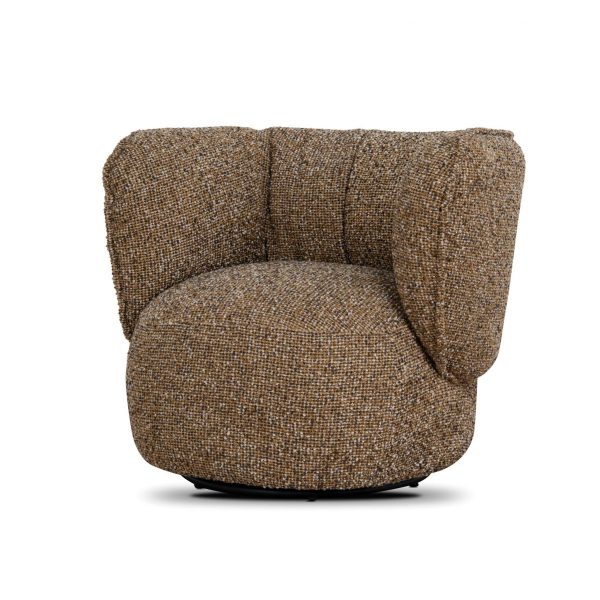

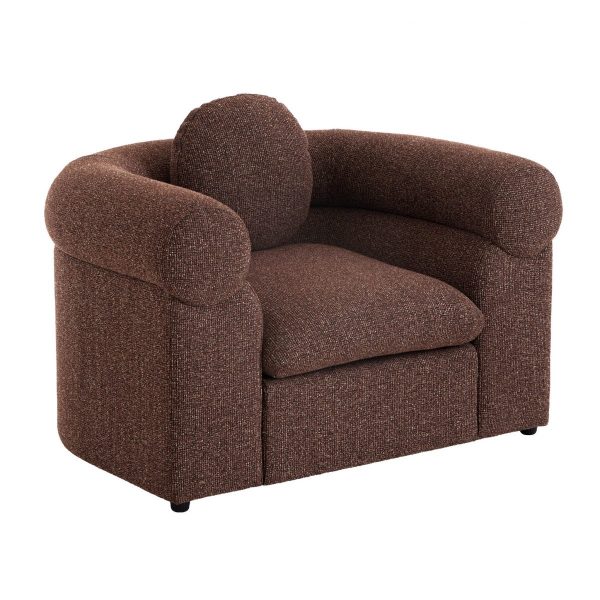
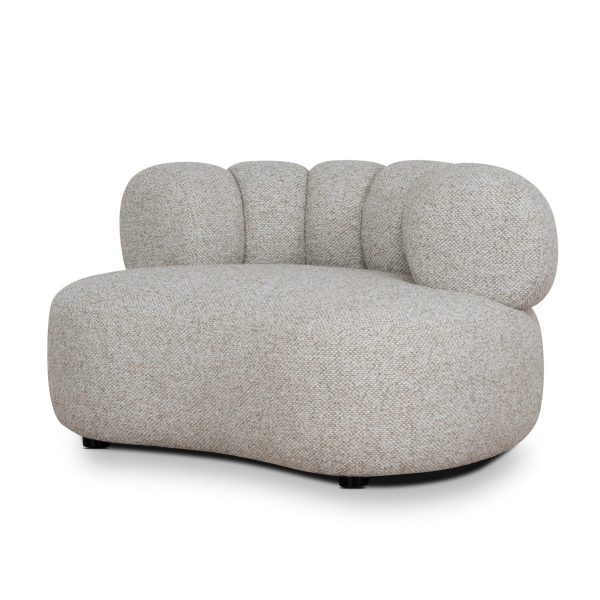
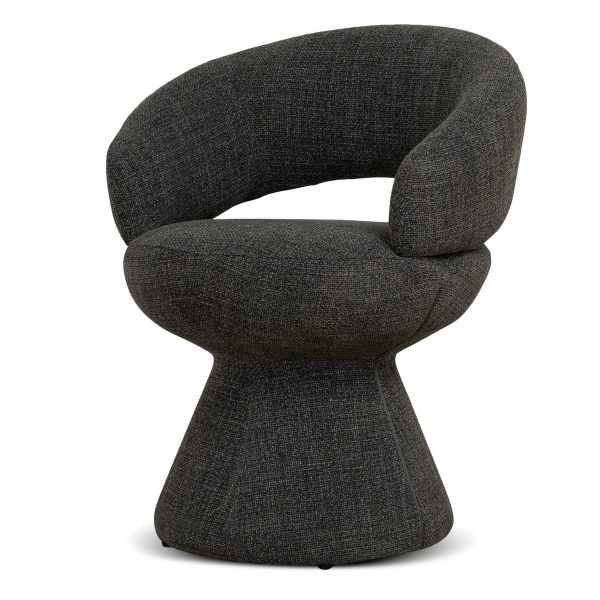
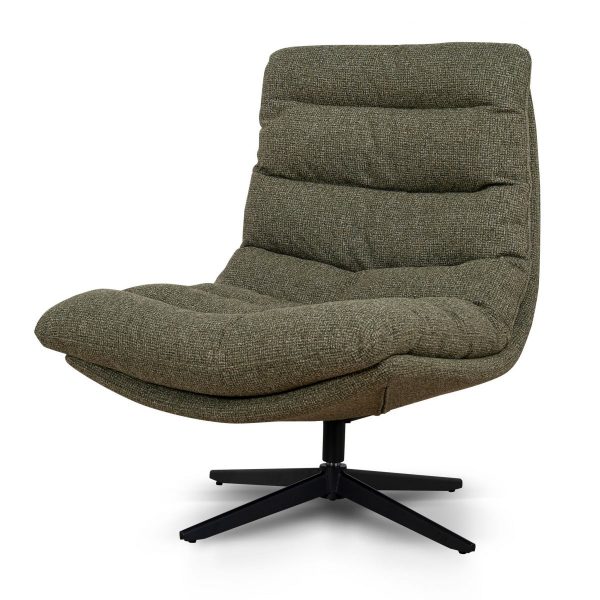
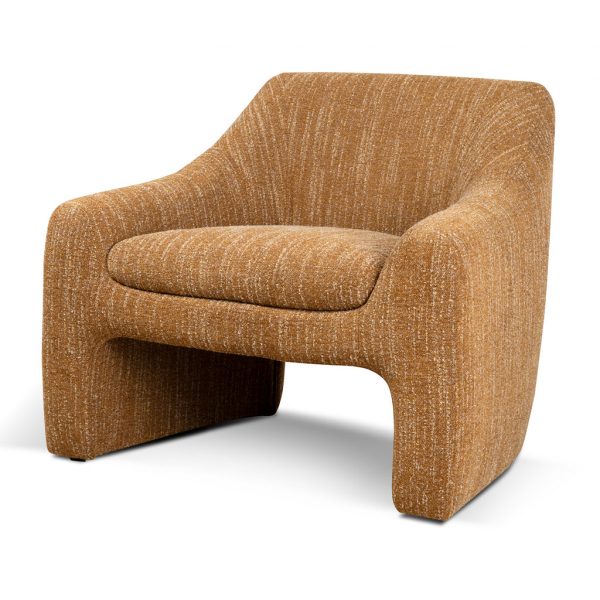
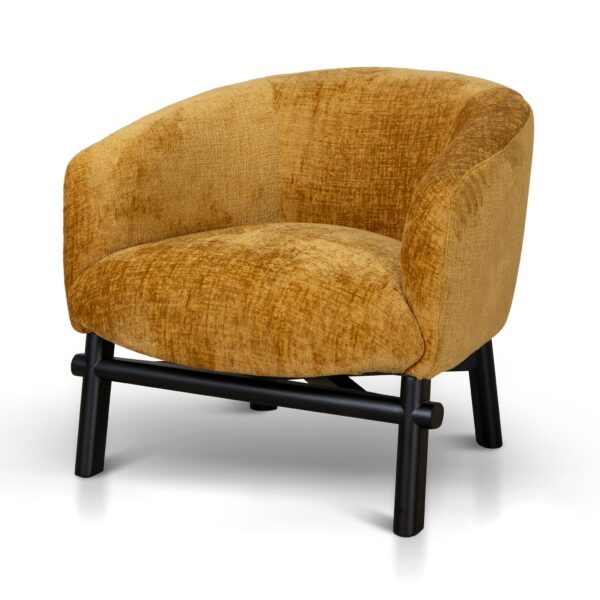
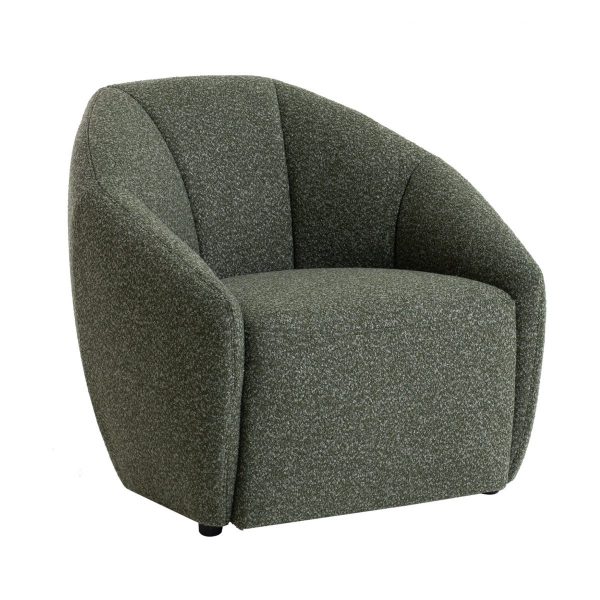
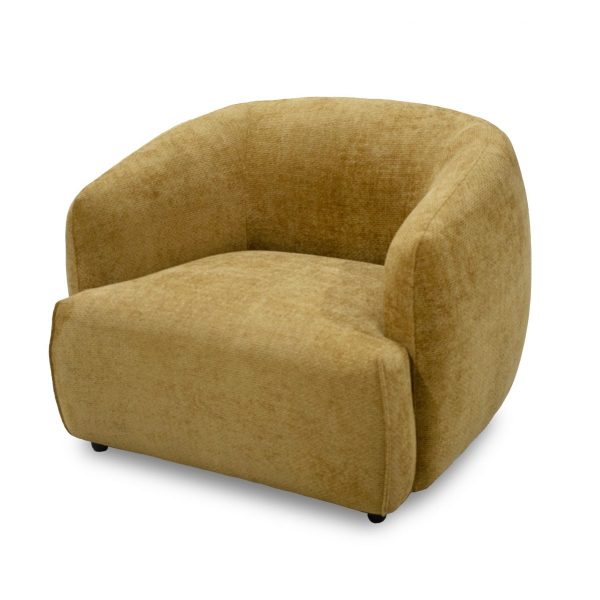
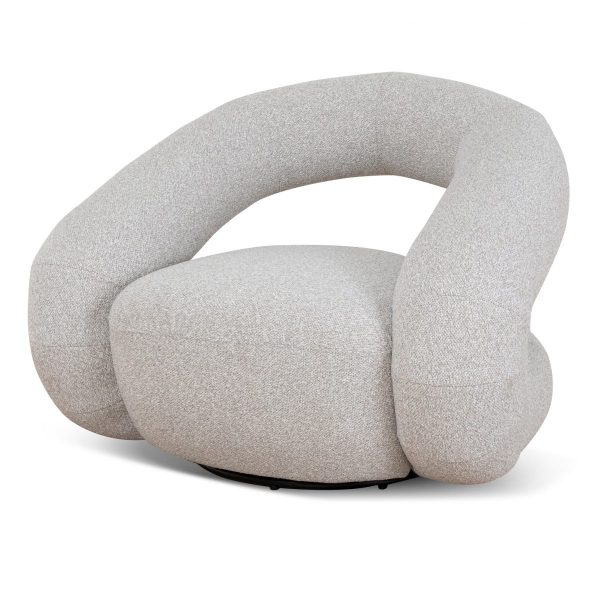
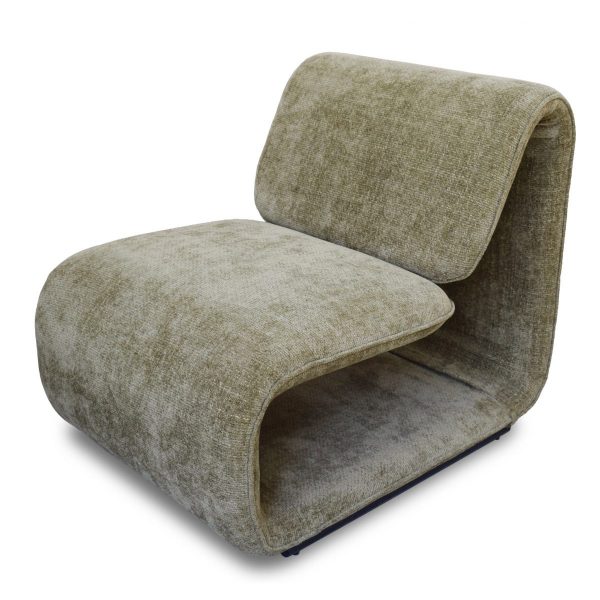
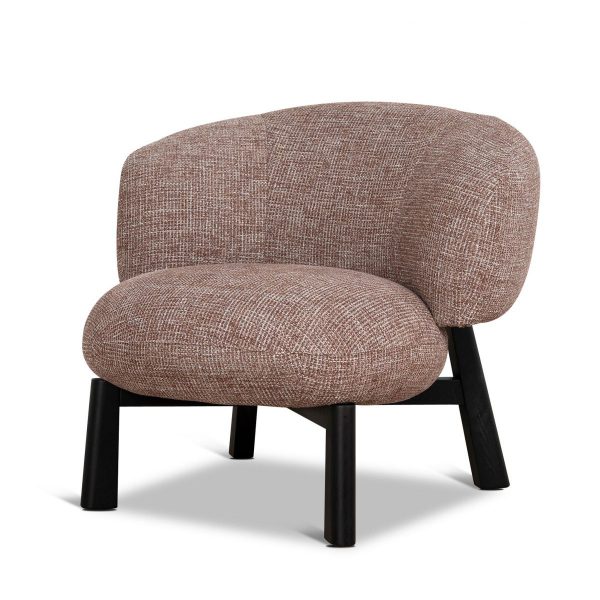
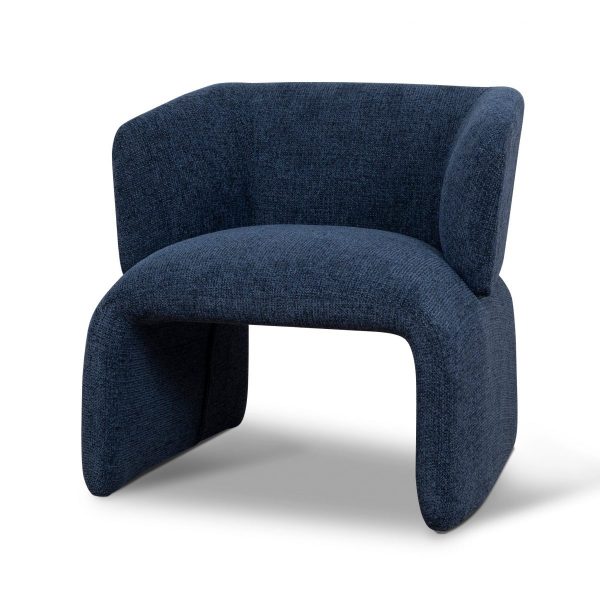
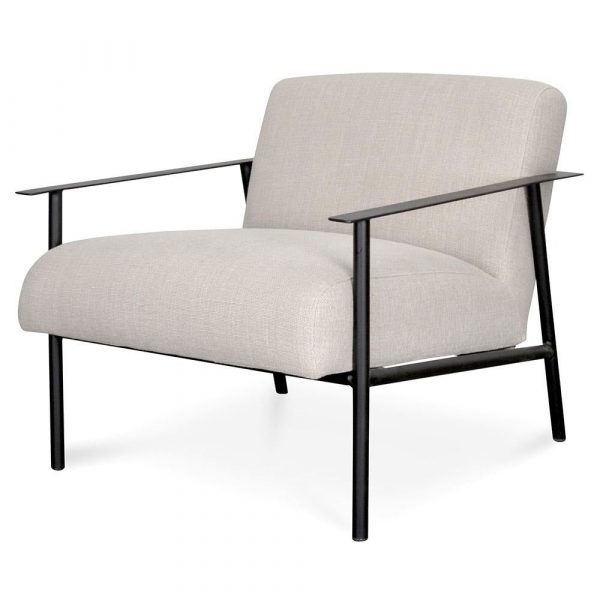
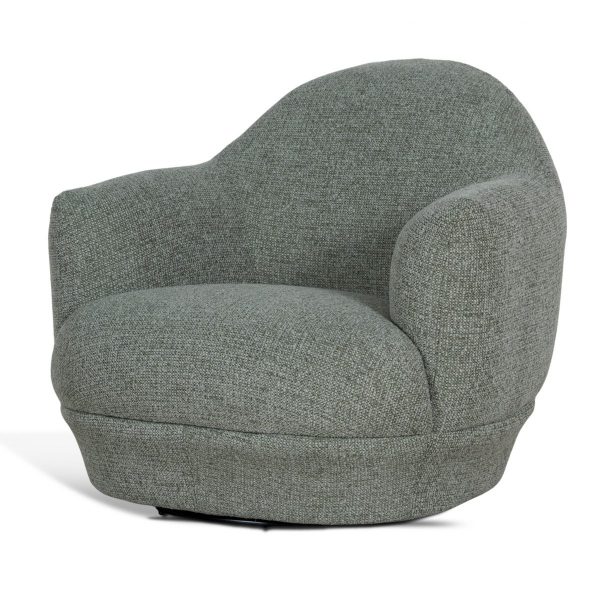
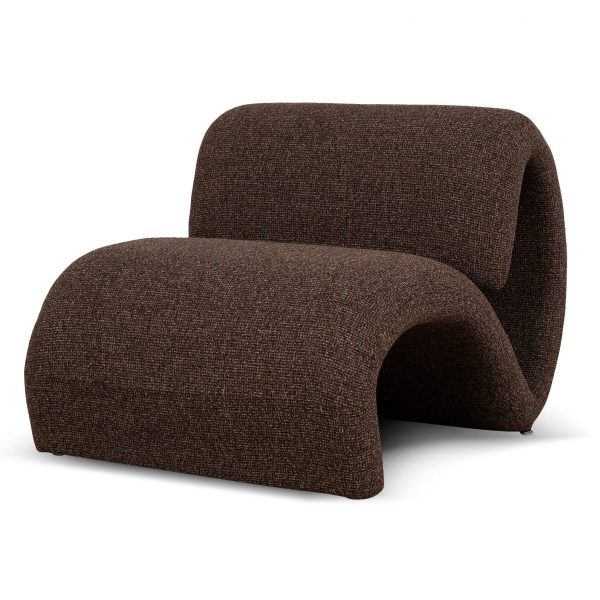
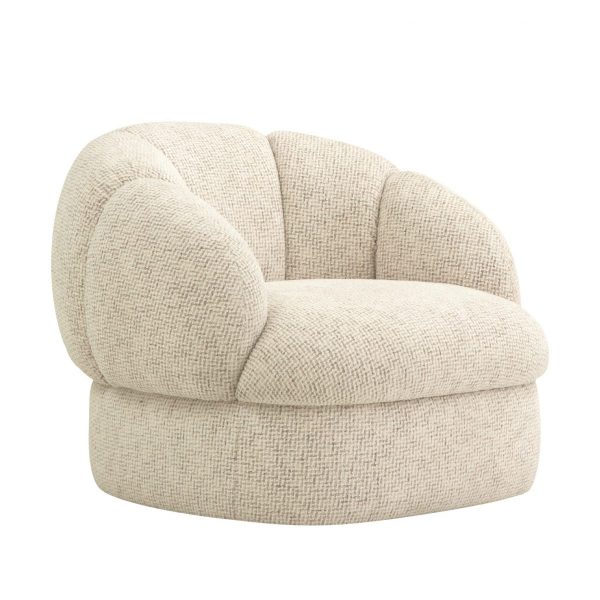
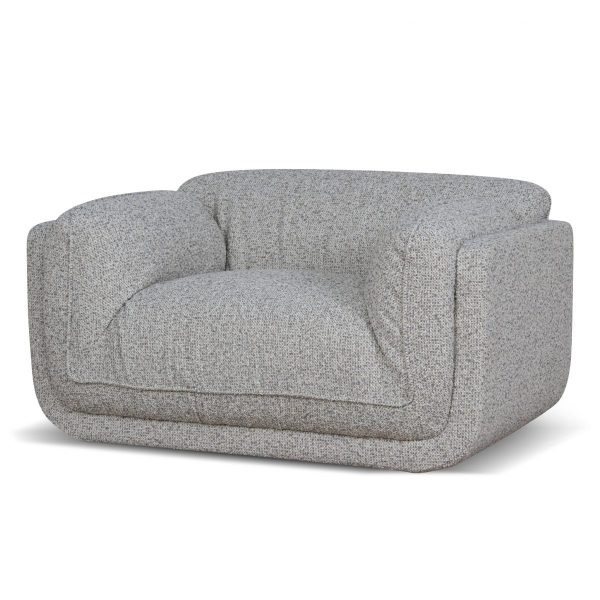
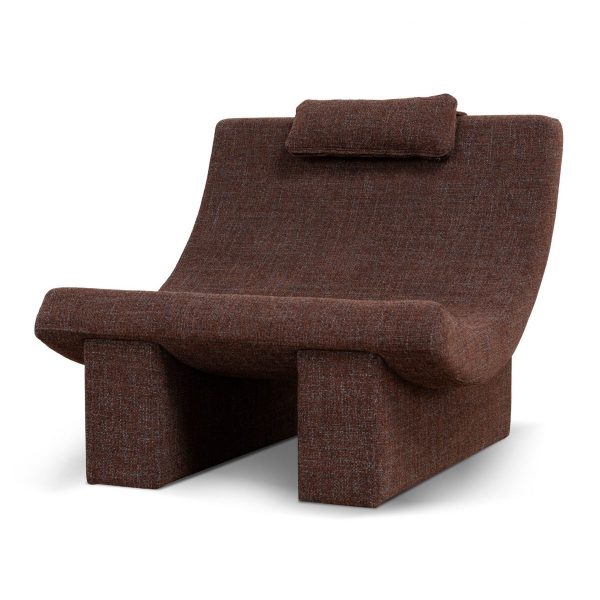
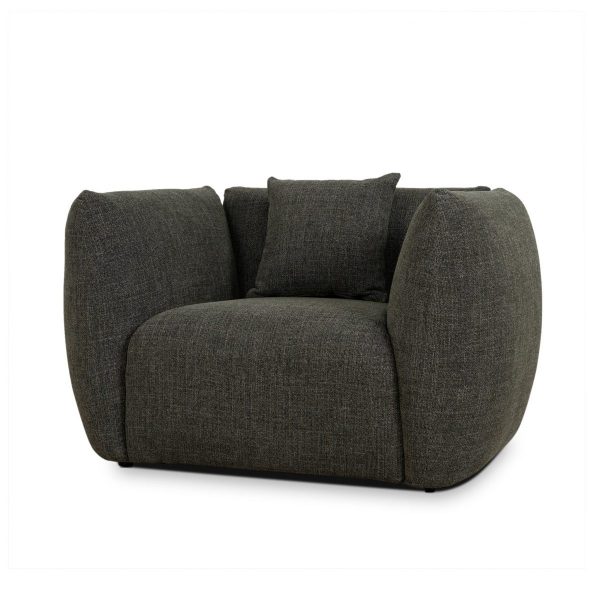
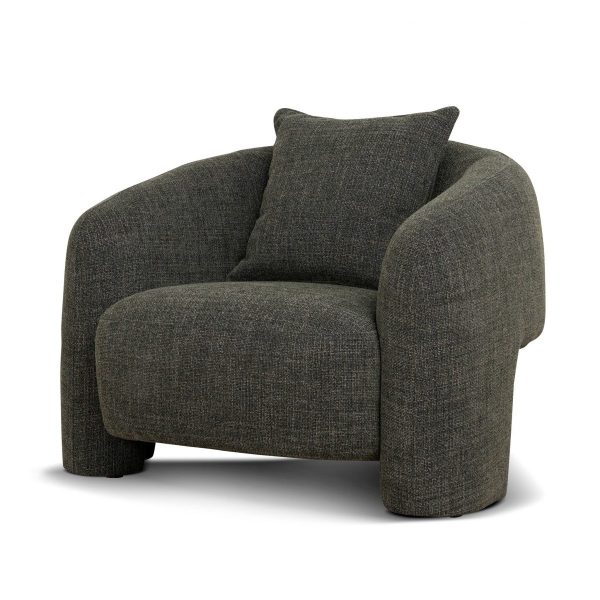
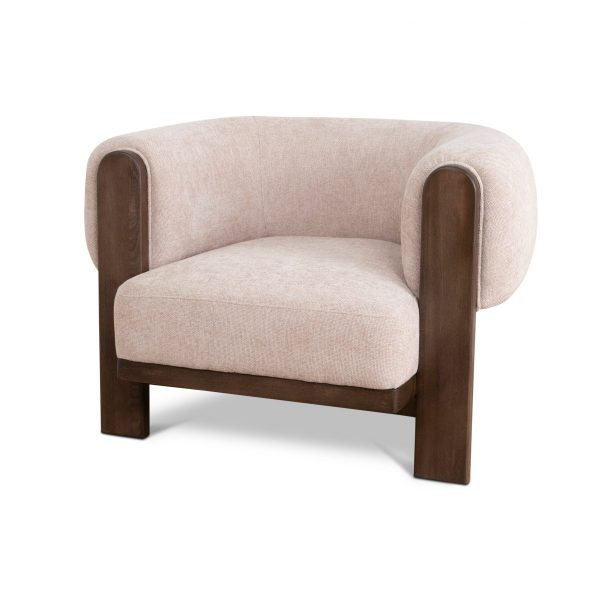
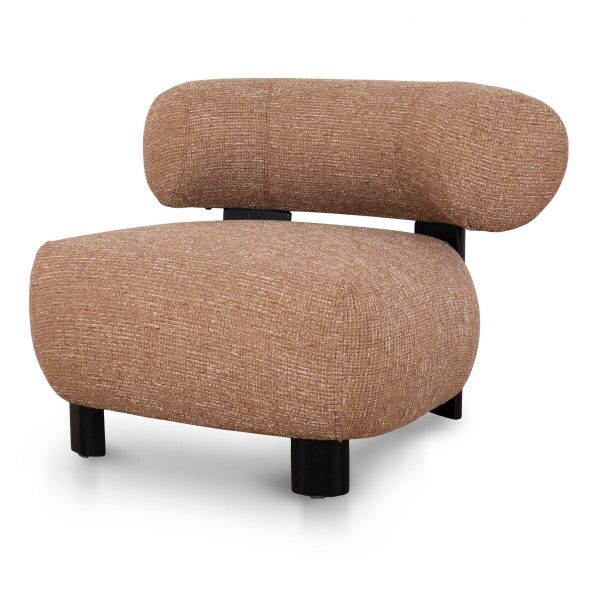
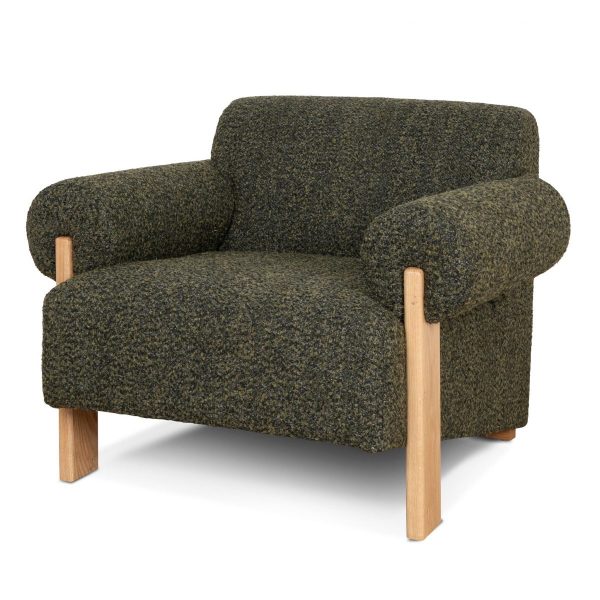
Choose the seat through the way you read
Compare usable depth and height with your preferred position. A low relaxed profile can feel different from a more upright one, and a back cushion can change the actual seat zone. Read the selected dimensions rather than judging posture from the outside frame. Comfort is personal; one shape cannot guarantee it for every reader.
Consider how a book or device is held and where arms rest if the chair provides them. The back and arm arrangement need to serve that routine, not only appear supportive. Deep seat lounge chairs offer another depth-led comparison. Do not rely on extra cushions as a guaranteed fix for a chair whose actual proportions are unsuitable.
Plan light and useful surfaces from the seated position
Place the chair on the room plan with the lamp and a surface for the items you use. Check reach while seated, then consider the actual light direction and any reflection on a device screen. A pleasant corner view is useful only if the ordinary reading setup works there too.
Side tables can hold a book or drink close to a separate seat, rather than requiring a long reach to the coffee table. Keep cords and other objects within a practical placement plan without making installation assumptions. If the chair turns to suit different activities, swivel lounge chairs focus on documented movement and the clearance it requires.
Keep the quiet corner easy to enter and maintain
Plot the full chair at its reading angle, including back projection and arms where supplied. Preserve room to approach and stand, then check where any footrest would sit if part of the documented arrangement. Living-room footrests offer a separate support comparison; do not assume one is included.
Read contact materials and care for the actual chair. Woven surfaces, leather and textiles have their own guidance, not one universal reading-chair maintenance rule. Confirm assembly and delivery-component access. Ask benssur about unclear usable dimensions or coverings before settling on the corner. The useful reading seat is one whose actual position, surrounding objects and room access support the routine.