
Living Room Storage
Living room storage should give shared belongings a clear place without making the seating area harder to use. Start with what you put away and retrieve: books, games, textiles or another real group. Their dimensions and frequency of use help decide the compartments more reliably than the cabinet’s outside appearance.
Read moreRead less
Then consider the room when people are seated. Doors and drawers need room to open, and storage should not narrow the route between furniture. The cabinet and cupboard category covers broader layout checks. Do not assume media, ventilation or cable functions unless the chosen product actually describes them.
Showing 181–185 of 185 resultsSorted by latest


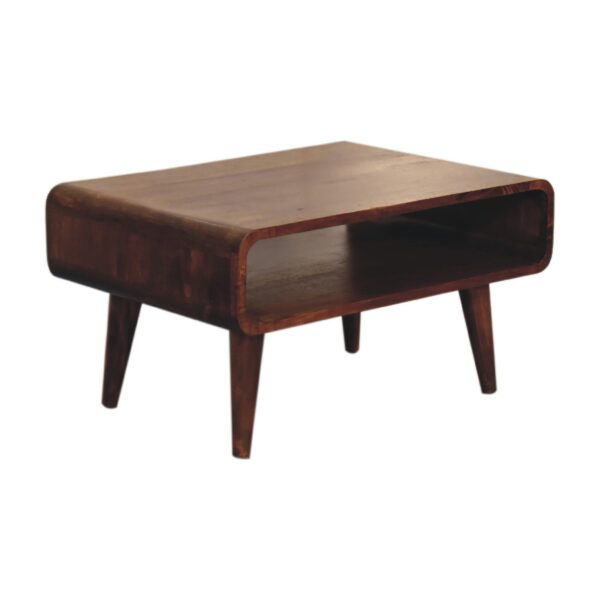


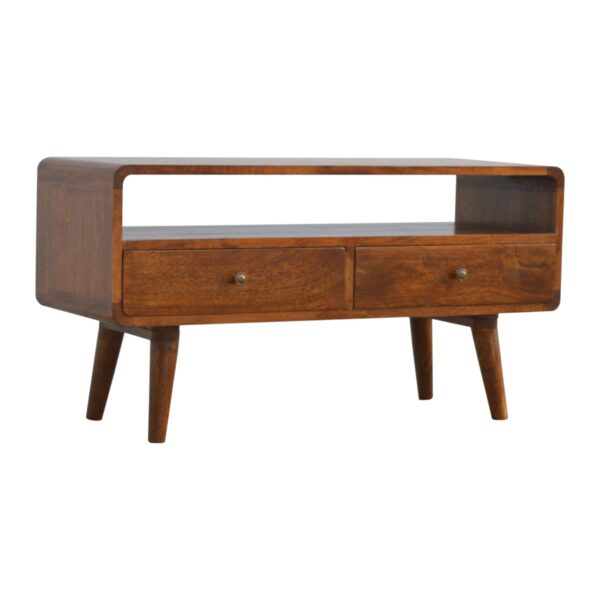
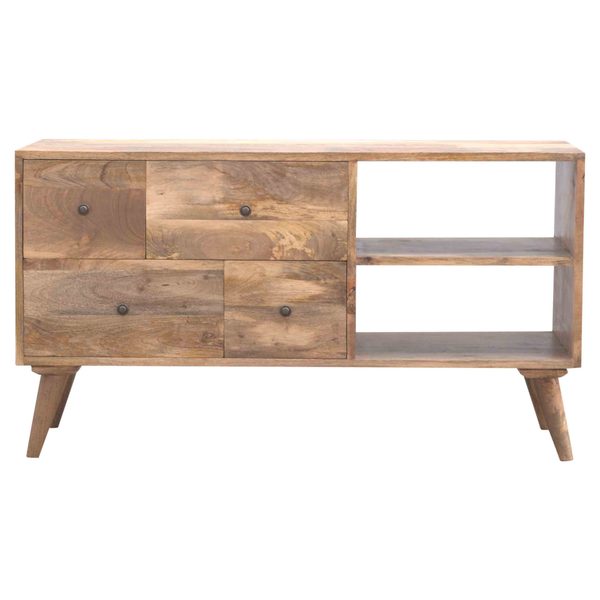
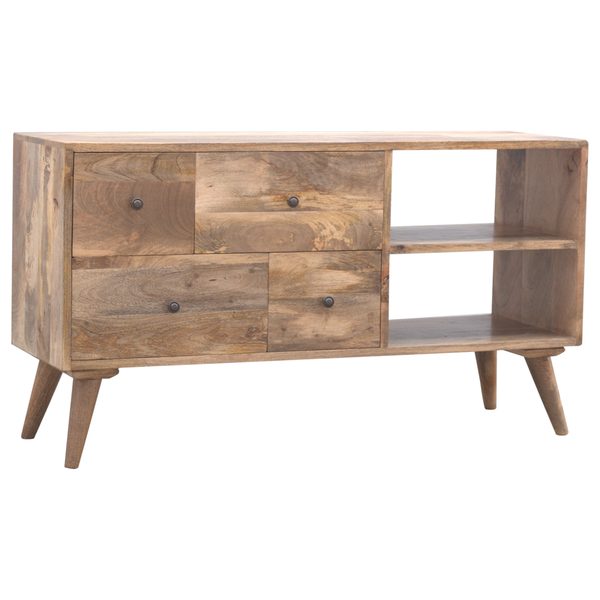
Which shared belongings need a home in the room?
Separate items used every day from those brought out less often. Books, folded throws and game boxes may need different compartment gaps and depths. Measure larger objects and compare them with the usable interior, not just the external size.
Choose the access pattern from the task. Shelved cabinets may suit stacked or upright contents, while cabinets with drawers offer another way to separate smaller groups. Those features still need verification in the individual design. A useful living room arrangement makes contents easy to return as well as retrieve, so the storage supports everyday order rather than becomes another crowded surface.
How can the cabinet sit beside seating without dominating it?
Compare full height, width and visual weight with the sofa, chairs and room walls. A large front can blend quietly or become a strong material feature, depending on finish and contrast. Assess the side view too if the piece sits away from a wall.
Choose one connection with the room rather than expecting every finish to match. Natural timber cabinets focus on visible wood character; black cabinets offer a clearer dark outline. Keep the required storage layout fixed while comparing those appearances. The cabinet should have a deliberate place in the seating composition after its contents and access have been resolved.
Can people reach storage while the lounge is in use?
Add the actual door or drawer movement to the footprint, including the person handling contents. Test it with seats occupied and nearby tables in place. A cabinet that fits when closed may still be awkward to open without asking someone to move.
Keep ordinary walking routes clear and follow installation and securing guidance. If electronics are intended, verify suitability, ventilation and any cable arrangements in the product information instead of treating a cupboard as a media unit by default. Home office storage is another focused comparison when work shares the living space. Choose storage for the real household routine and stated functions, with finish care understood separately.
Frequently Asked Questions
Explore bookcases and shelving when open book access or display is the real task rather than closed storage.