
Home Bar Seating
Home bar seating is part of how you host, rather than simply a row of stools beside a high top. Think about where guests talk, where drinks are prepared and how someone moves through the room with a tray. The arrangement should let people settle into conversation without crowding the person serving.
Read moreRead less
Start with the size and height of the actual bar, then decide whether it is a place for brief stops or a longer evening. That choice guides back support, seat spacing and the way the stools face the room. Use this collection for the social purpose of the space; bar stools and counter stools help resolve the appropriate seating height once the surface is measured.
Showing all 21 resultsSorted by recommended
-
Week’s PickOriginal price was: $1,176.00.$976.00Current price is: $976.00.
-
On SaleOriginal price was: $996.00.$876.00Current price is: $876.00.
-
-
-
On SaleOriginal price was: $459.00.$404.00Current price is: $404.00.
-
-
On SaleOriginal price was: $295.00.$260.00Current price is: $260.00.
-
-
-
-
-
-
-
-
-
-
-
-
-
-
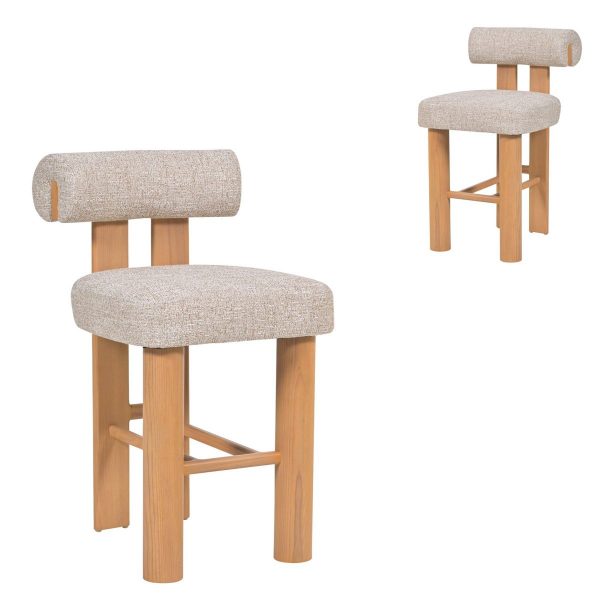

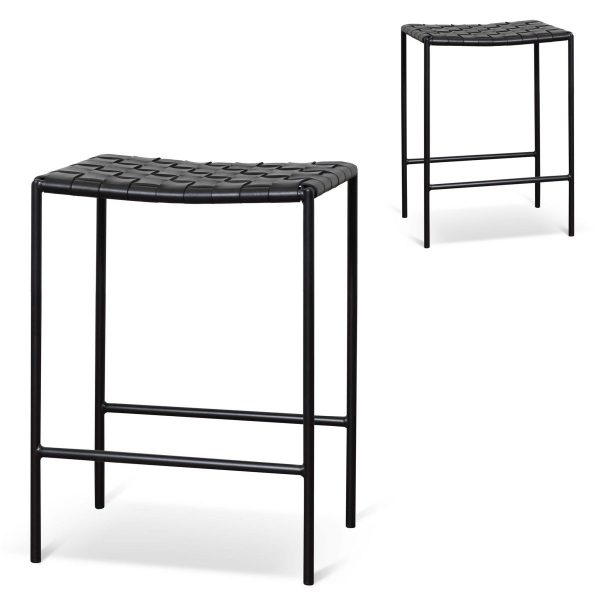
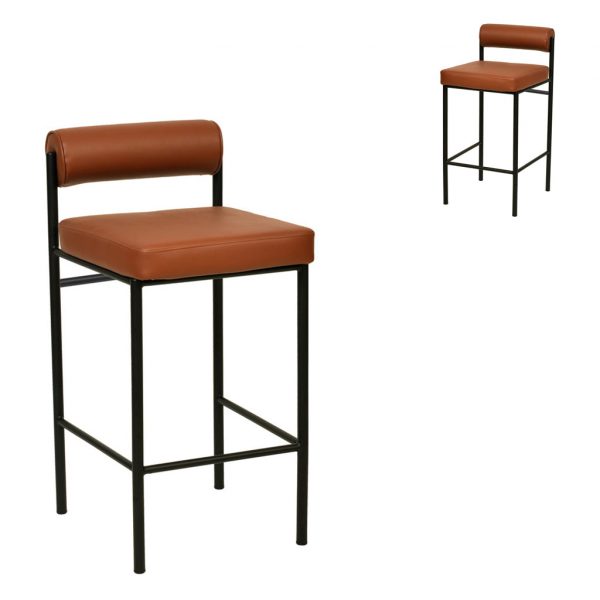

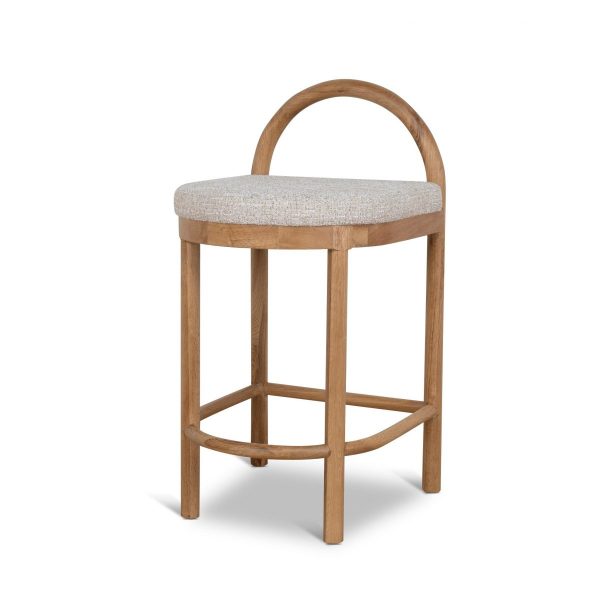
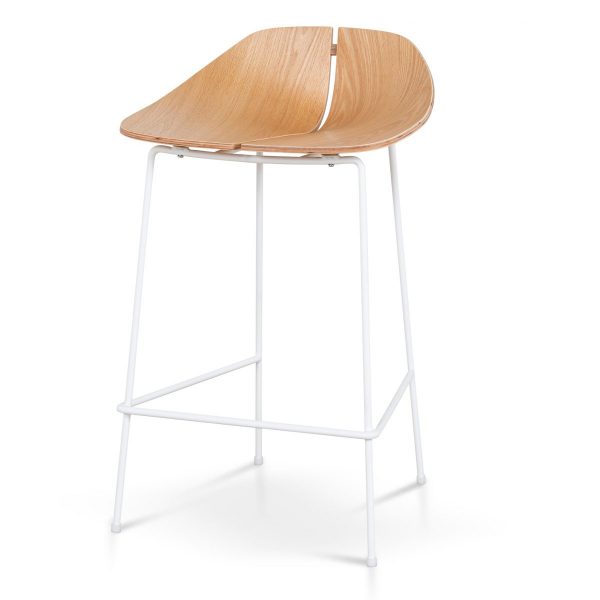
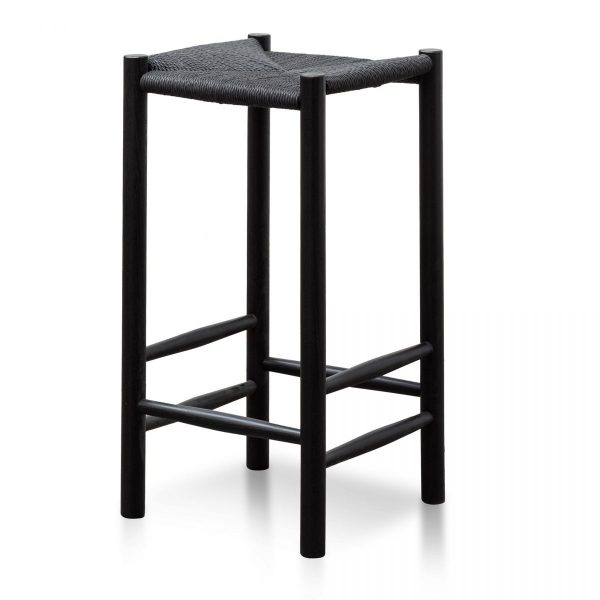
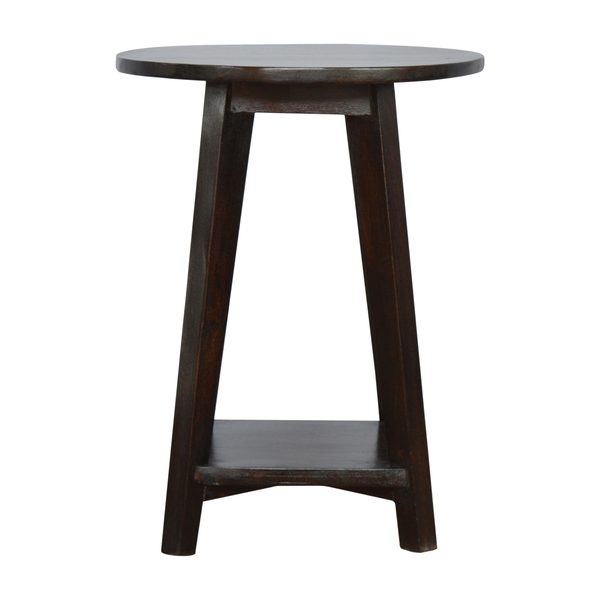
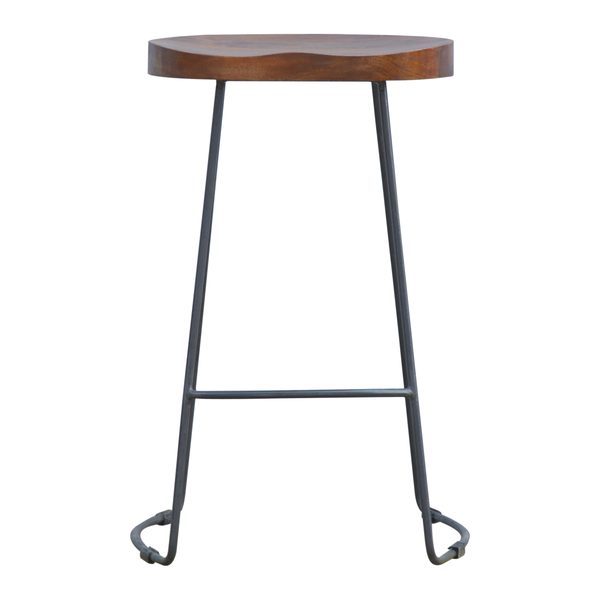
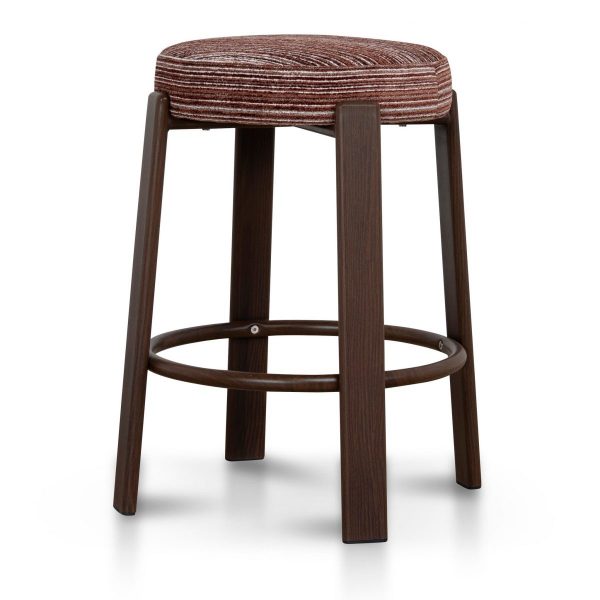
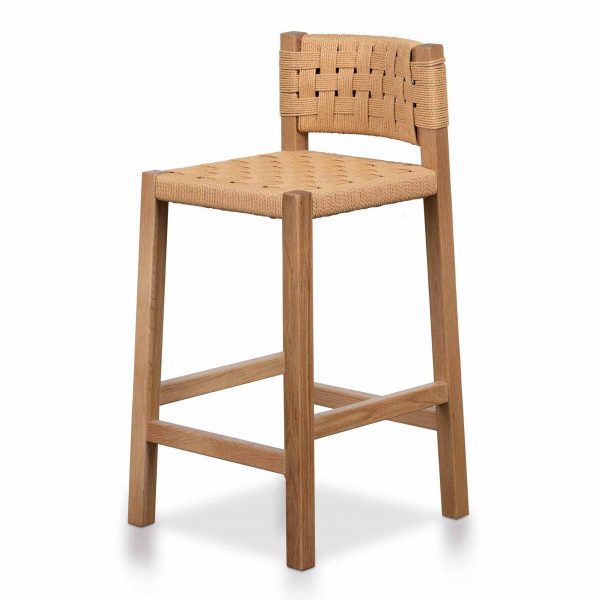
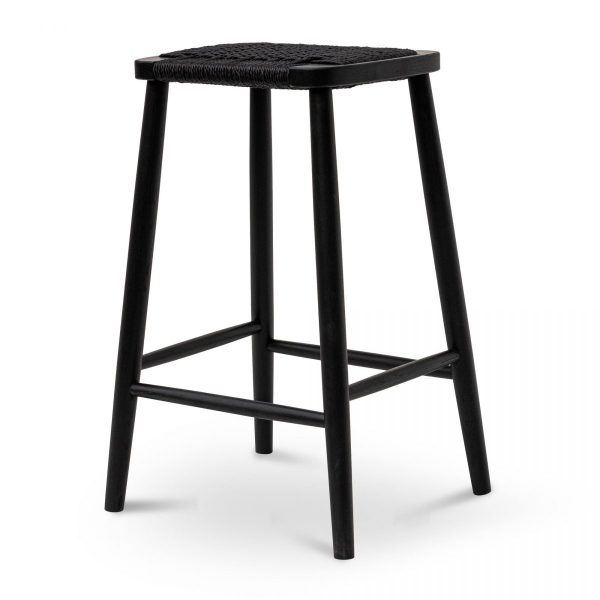

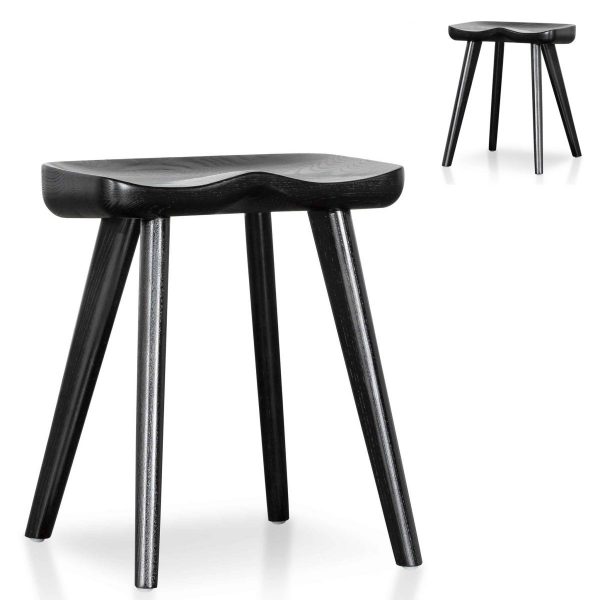
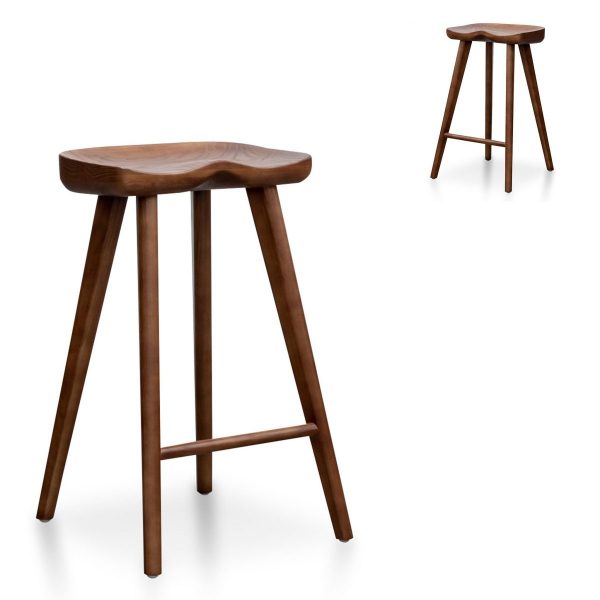
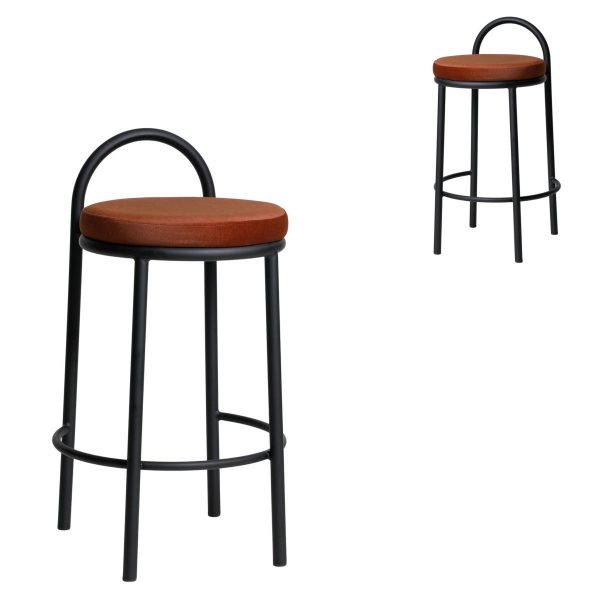

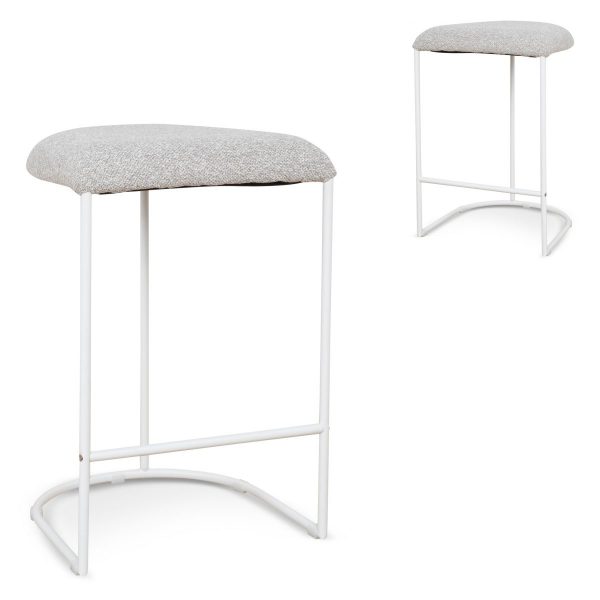
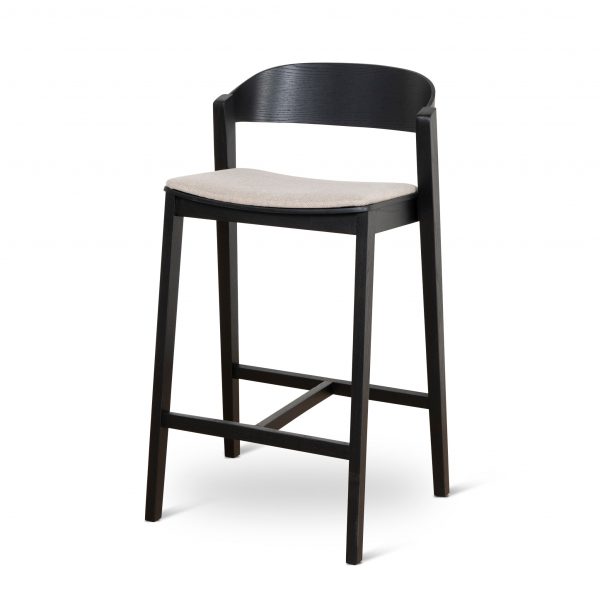
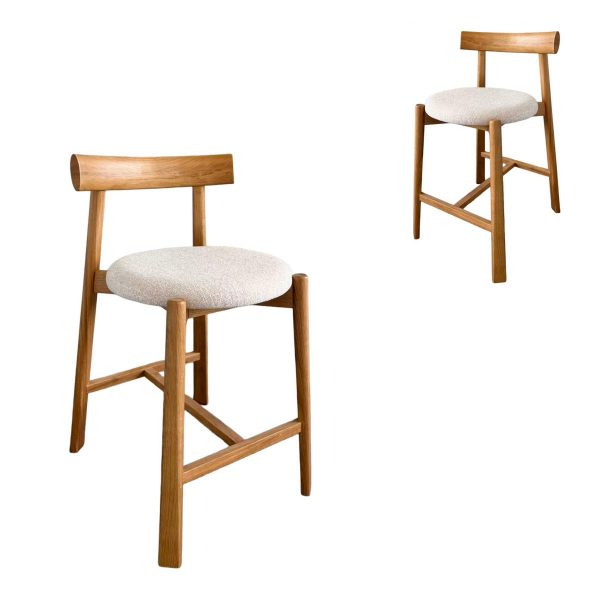
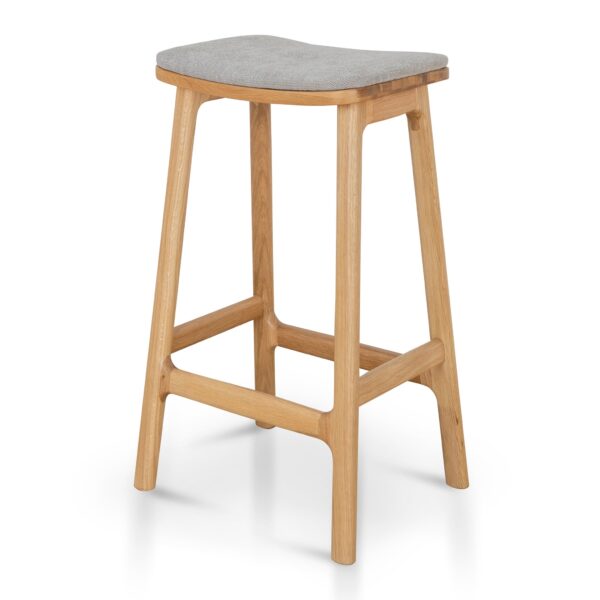
Where should people sit while someone serves?
Separate the serving route from the seating positions. A bar can look generous when empty yet become difficult to use once every stool is occupied. Check the space needed to open storage, collect glasses and set down a tray without reaching across seated guests.
Consider whether guests face the bar, one another or an adjoining living area. A seat with a clear forward orientation creates a different conversation pattern from an open perch. Plan the first and last positions near corners carefully, where elbows and knees can conflict. More stools do not necessarily make a better hosting space; usable seats with clear movement are the more useful goal.
What support suits the length of your gatherings?
For a quick drink before dinner, a simple perch may meet the brief. If your bar becomes the main conversation spot, pay more attention to usable seat depth, backrest position and reachable foot support. A tall seat without a comfortable place for feet can become tiring regardless of its upholstery.
Think about the people who visit regularly and how easily they can get on and off the seat. Check any armrest against the underside of the surface. Upholstered bar stools help explore the padding question, while backless bar stools focus on access and a lower furniture outline. Compare these trade-offs with your expected use rather than choosing from atmosphere alone.
How can the bar feel connected to the living room?
Use one shared element, such as timber tone, a dark frame or a fabric colour, to connect bar seating with nearby furniture. A home bar often sits within a larger room, so assess the rear of the stools and the height of the backs from the sofa as well as from the bar itself.
Keep the surface practical for drinks. Follow the actual upholstery and frame care, and check where glassware or serving pieces will be stored. Bar carts may be a useful separate comparison for the serving role, but their footprint also needs space. Let the seating and storage perform different jobs rather than asking one crowded corner to do everything.
Frequently Asked Questions
Once the hosting layout is settled, use the bar and counter stool category to compare seat heights and support against your measured surface.