
Backless Bar Stools
Backless bar stools suit a seating spot where you want an open view across the room and simple access from either side. Removing the backrest changes more than the appearance: you rely on the seat shape, your posture and the footrest for support. Think about whether the bar is a place to pause briefly or somewhere you expect to sit through a meal.
Read moreRead less
A low outline does not automatically mean the stool will disappear beneath the top. The seat, legs and footrest all need to clear the overhang. Use this collection to weigh that trade-off before picking a finish. Compare the wider bar and counter stool category if you are still deciding on the right seat height.
Showing the single result
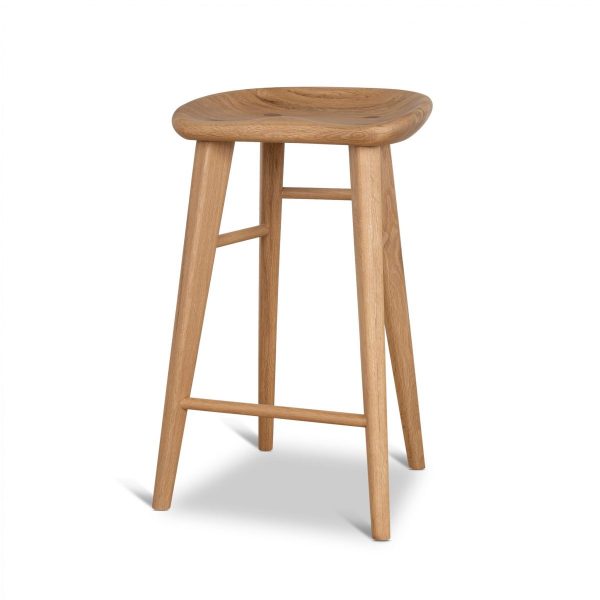
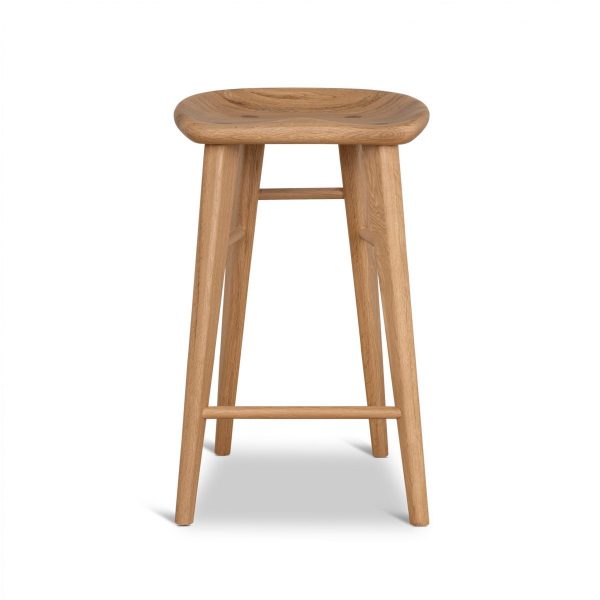
Will the whole stool tuck beneath the bar?
Look at the space beneath the top as a box, with a height, width and depth. Compare that box with the full stool, including splayed legs or a footrest that reaches beyond the seat. A narrow top can clear the seat but still leave the base sticking into the room.
Allow for bar supports and any doors that open behind the seating. Mark the parked stool position as well as the position someone needs to use it. Backless stools can keep the visual line lower, but they only save practical space when the actual frame fits. If the available opening is shallow, prioritise the base footprint over the size of the cushion.
How will a seat without a backrest feel in use?
Without a backrest, the way the seat meets your body becomes especially important. A shaped seat, a flat pad and a deep saddle create different sitting positions. Check usable seat width and depth rather than treating the stool’s overall width as the seating area.
Foot support matters because your feet may not reach the floor. Consider whether the footrest is easy to reach from your chosen seat height, and whether getting on and off feels straightforward for the people using the bar. For longer conversations, compare upholstered bar stools and backrest options as a separate comfort decision. Padding alone does not replace a supportive sitting position.
Can an open stool work in a busy circulation space?
A backless form can allow approach from more than one direction, which can be useful beside a bar that people pass on both sides. Plan where a person will stand before sitting and where the stool will move when they leave. A seemingly clear route can become narrow once several stools are pulled out.
Keep the footrest and legs away from the main walking line. Follow the design’s intended use and loading guidance. If the stools move often, check their handling instructions against that routine. Choose a finish you can care for around the actual drinks and food served nearby. Natural timber bar stools offer a different material question from a covered seat, so compare the relevant care instructions.
Frequently Asked Questions
Use bar stools to compare the taller seating purpose, or return to the broader category to reconsider support and height together.