
Bar Stools
Bar stools are for the raised seating position around a taller bar surface. Their height makes foot support, getting on and off, and the distance between the seat and top important parts of the choice. Before considering style, measure the underside of the bar where your knees will sit. Then identify the seat height that leaves you a comfortable position for eating or talking.
Read moreRead less
This focused collection is a starting point for bar-height seating, rather than a general answer for every kitchen island. If the surface is lower, compare counter stools first. Within the right height, look at how the seat and backrest support the way you intend to use the bar. Browse with those practical checks in mind.
Showing 1–24 of 25 resultsSorted by recommended
-
Week’s PickOriginal price was: $1,176.00.$976.00Current price is: $976.00.
-
On SaleOriginal price was: $996.00.$876.00Current price is: $876.00.
-
-
-
On SaleOriginal price was: $459.00.$404.00Current price is: $404.00.
-
-
On SaleOriginal price was: $295.00.$260.00Current price is: $260.00.
-
-
-
-
-
-
-
-
-
-
-
-
-
-
-
-
-
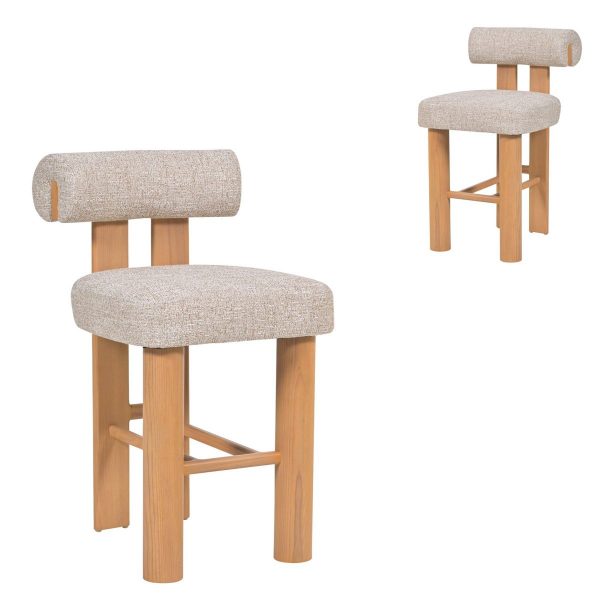

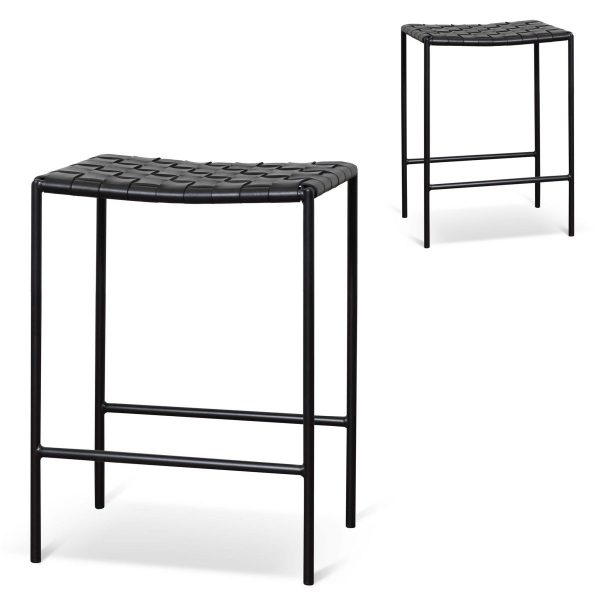
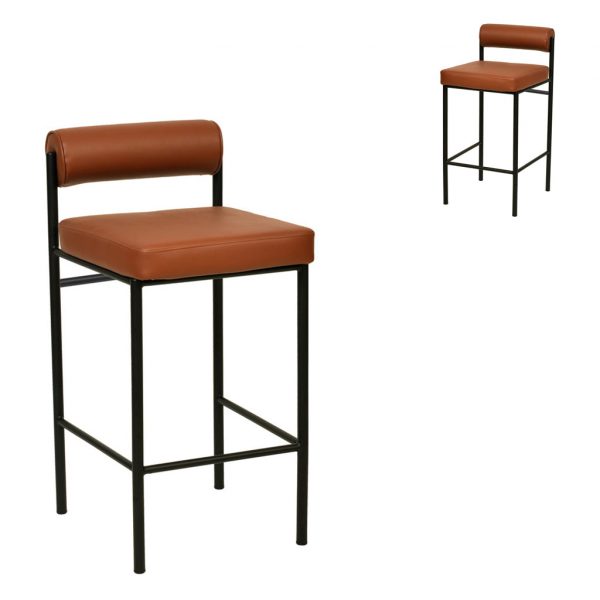

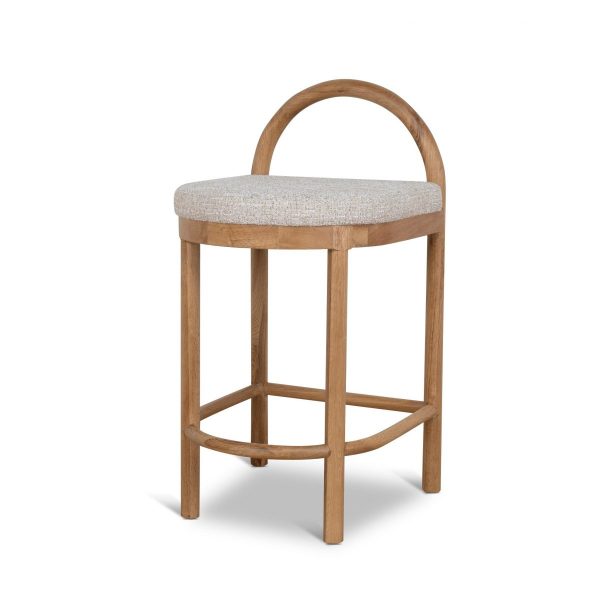
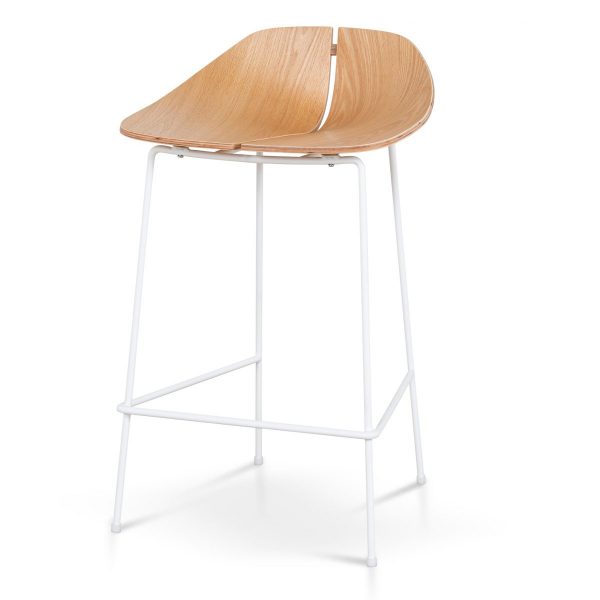
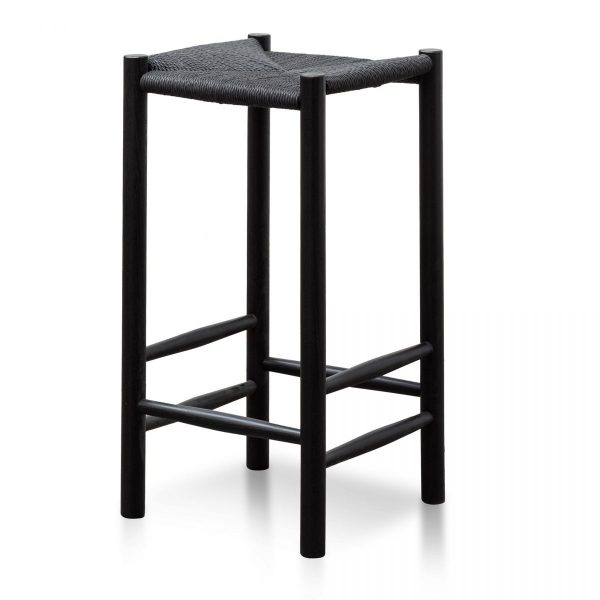
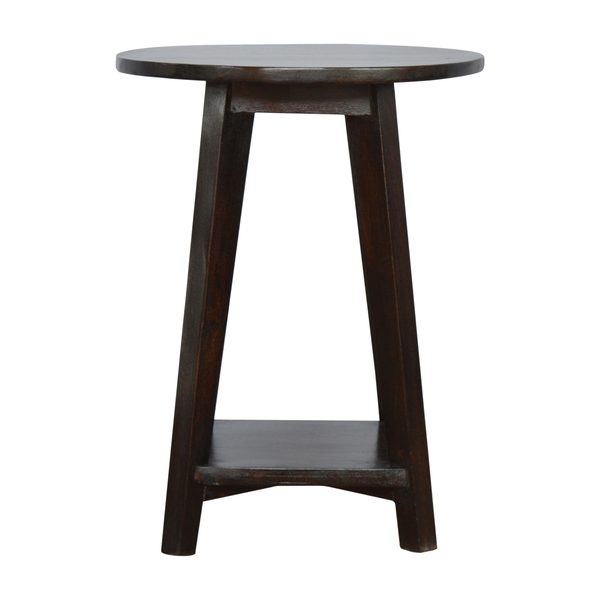
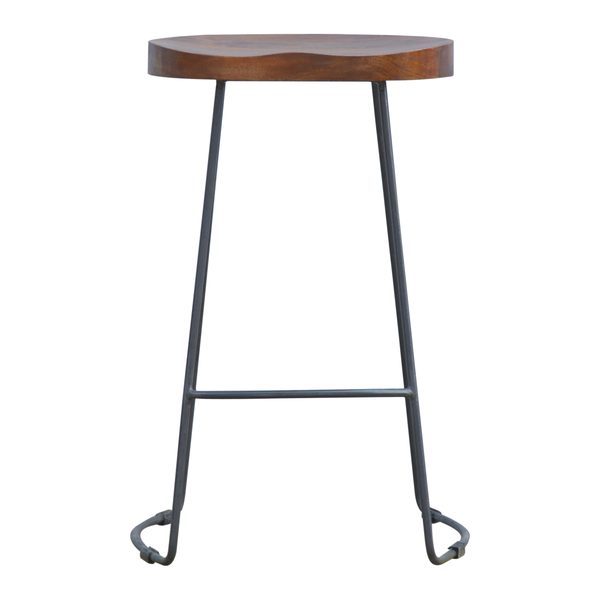
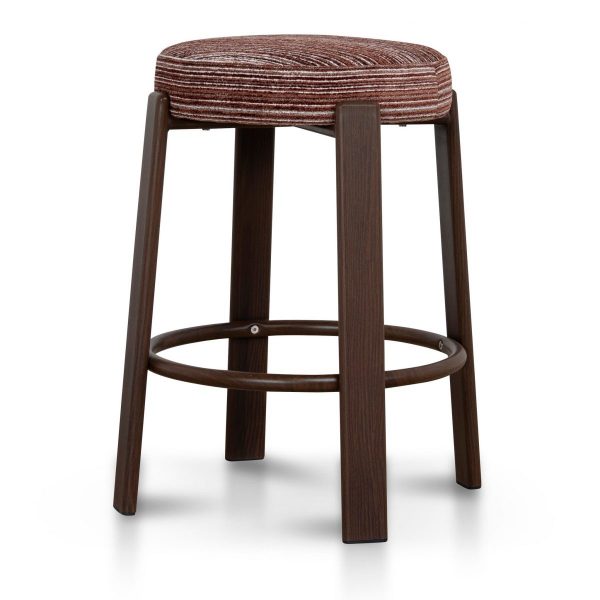
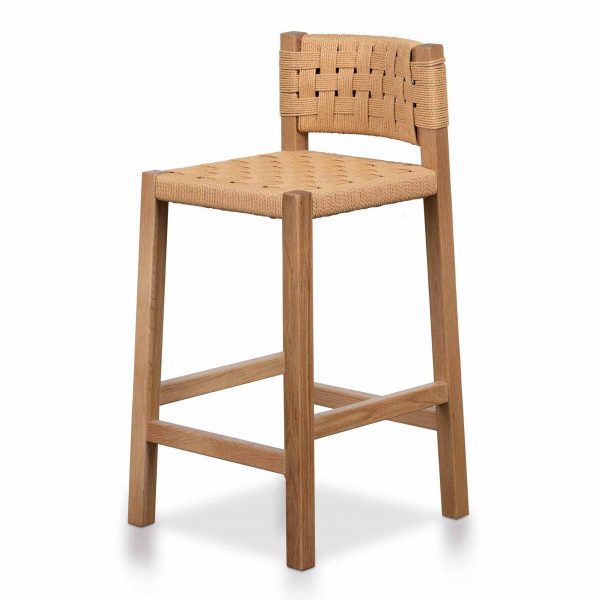
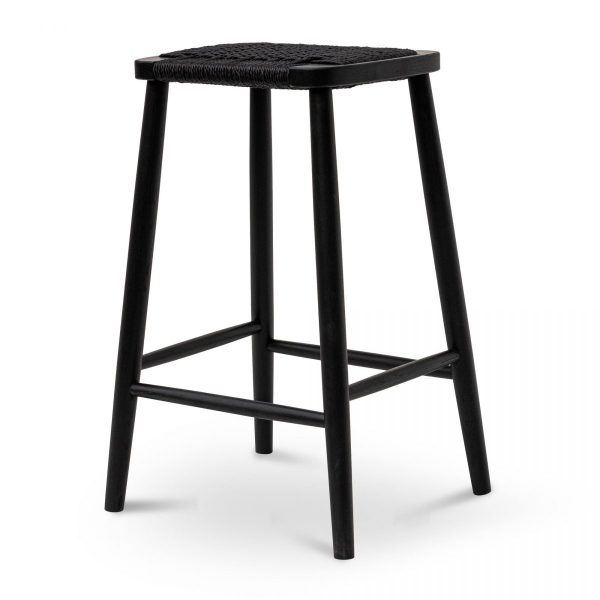

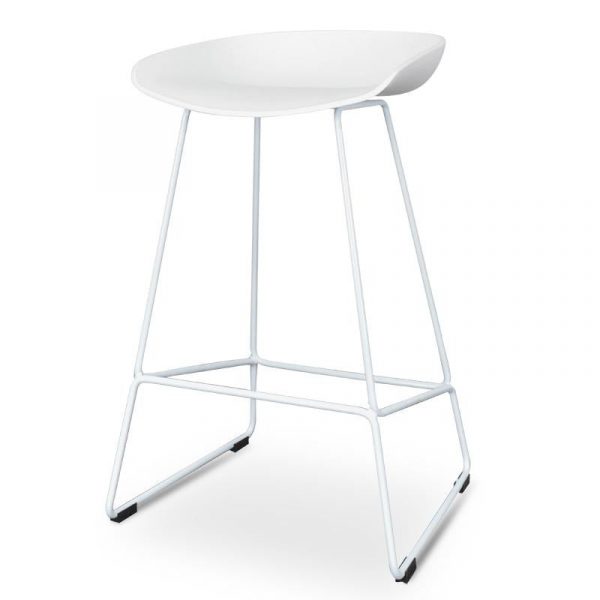
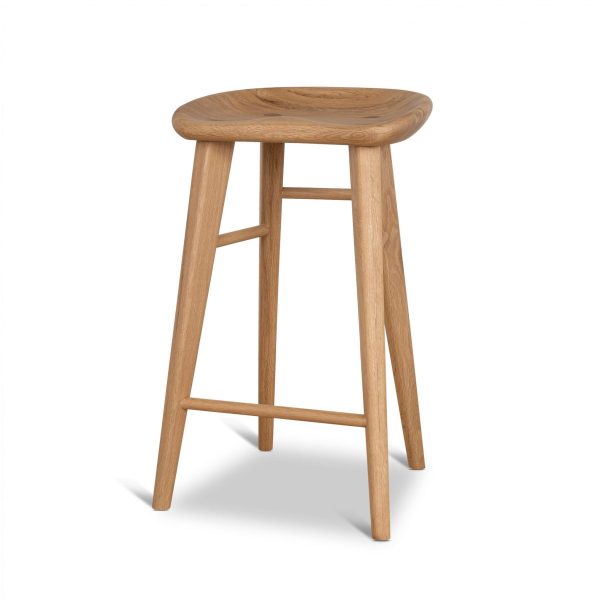
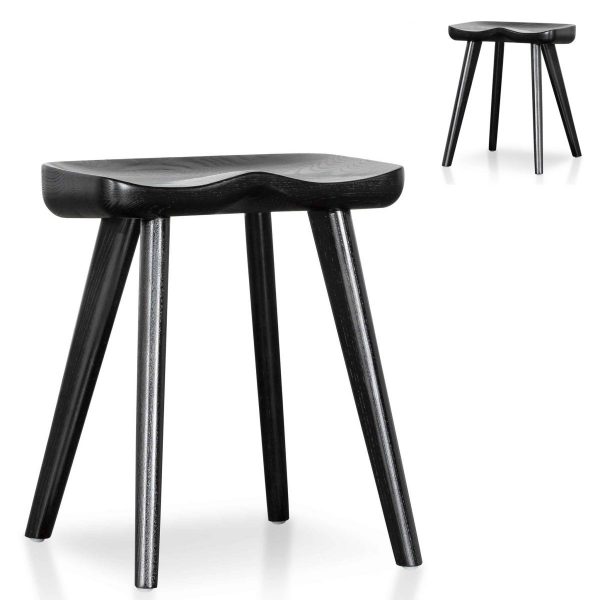
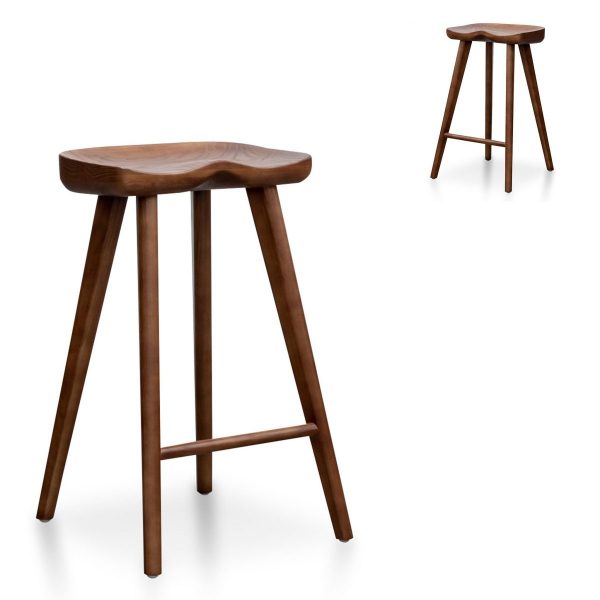
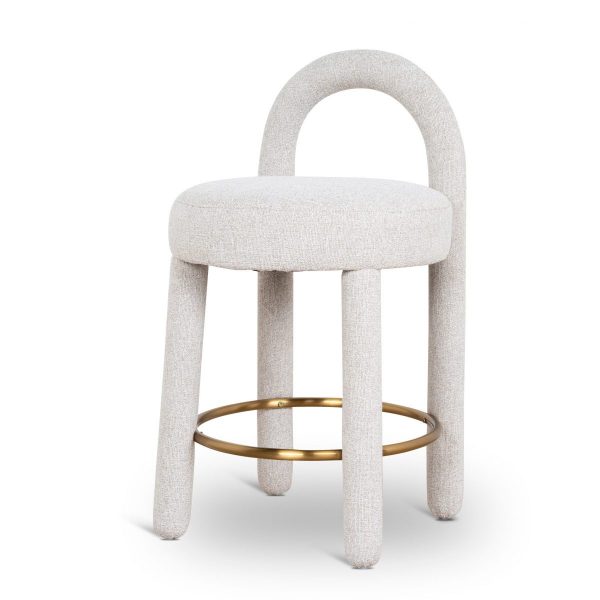
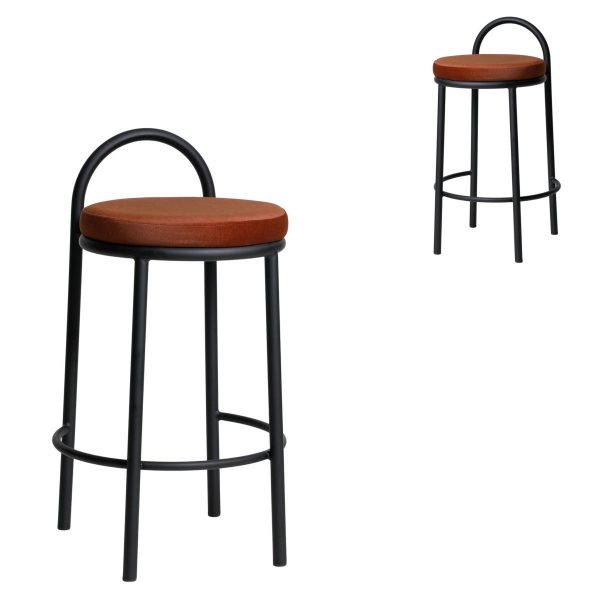

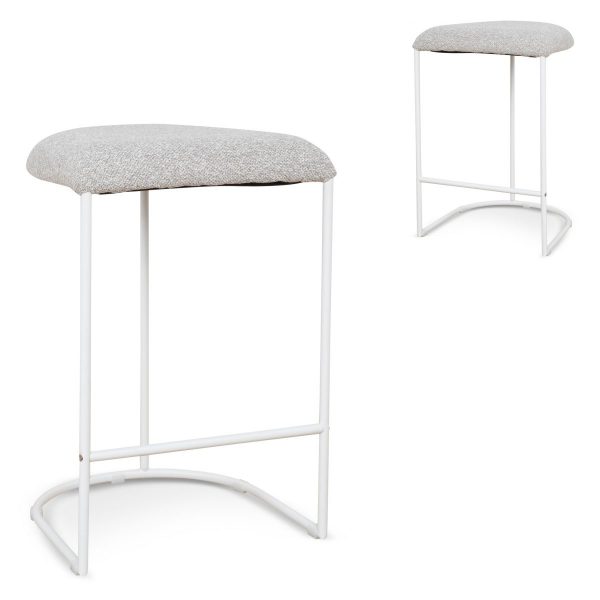
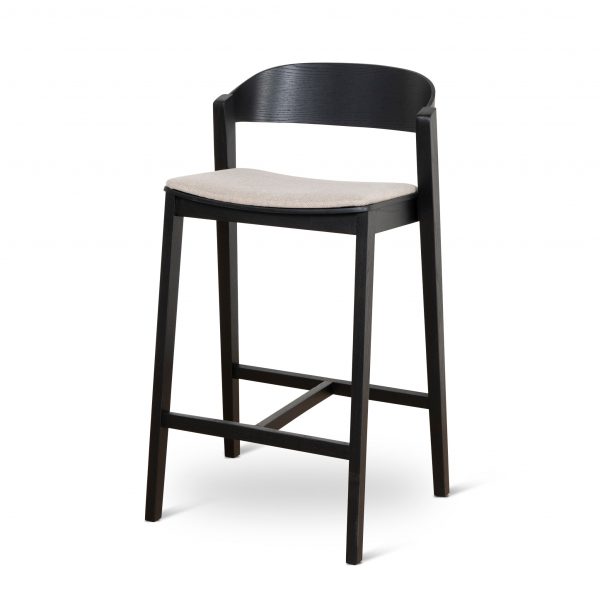
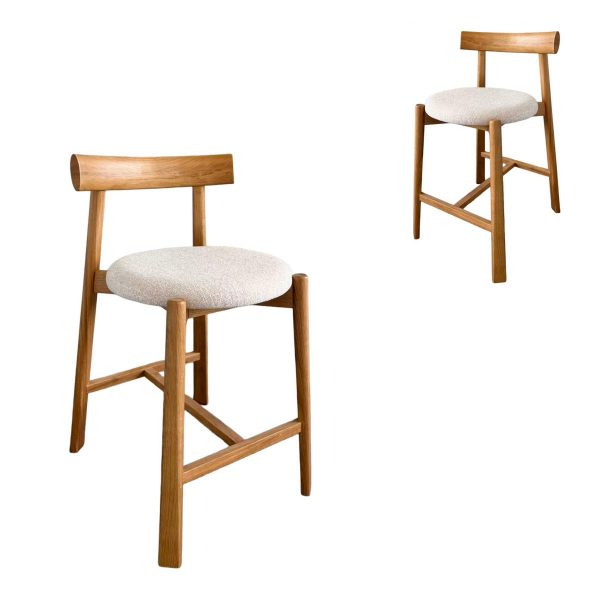
How do you sit comfortably at a taller bar?
A high surface changes the relationship between your seat, elbows and feet. Check that the top is at a comfortable working height when seated, with enough space beneath it for your legs. A bar with a thick edge or low supporting rail may need a different stool from another bar of the same overall height.
Look at the footrest position relative to the seat. A footrest placed too far down can leave shorter users searching for support; a shallow seat can create a different problem. For adjustable designs, check both the seat range and the actual mechanism. Treat all these dimensions as one sitting position rather than separate attractive features.
Should your bar seating encourage a pause or a meal?
A perch for serving drinks has different demands from a seat used through dinner. Think about time spent sitting, whether you want to turn towards other people, and how much back support feels right. Armrests can help define a seat but may stop it moving beneath the top.
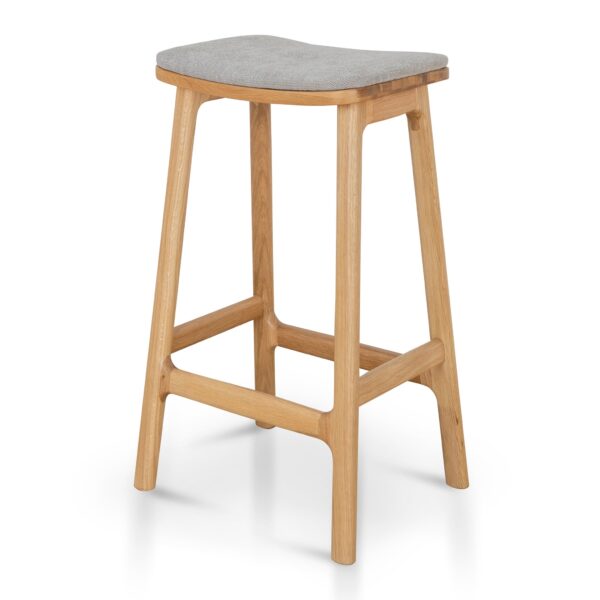
The seat covering is another part of that decision. Compare upholstered bar stools if cushioning is a priority, or backless bar stools if you prefer an open outline and shorter stops. Avoid assuming one feature settles comfort for everyone. Usable depth, seat contour and a reachable footrest need to suit the person as well as the room.
How can a row of stools avoid crowding the room?
Place the first seating position away from a corner, support leg or adjoining cupboard. Work along the usable bar length, allowing space between people rather than squeezing in the highest possible seat count. Include the base, which can be wider than the top of the stool.
Next test the occupied arrangement: people must pull back, stand up and pass one another without blocking the route through the room. Tall backs create a visible line across a bar, so compare that line with nearby dining chairs and furniture. Colour can either repeat an existing finish or make the row a stronger feature. Decide on that effect after the height and spacing work.
Frequently Asked Questions
For a material-led comparison, explore fabric bar stools and timber bar stools while keeping your required seat height fixed.