
Grey Benches
Grey benches can add seating without introducing a strong new hue, but the actual grey still needs a clear place in the room. A warm grey beside timber, a cooler grey beside painted furniture and a darker grey against a pale wall create different effects. Start with the fixed finishes rather than treating neutral as a guarantee of compatibility.
Read moreRead less
Consider the bench’s long visible surface and the floor beneath it. If both are similar greys, the seat may blend more than you expect; a contrasting base can change that relationship. Refine undertone and texture after deciding the seating job. Benches provide that wider purpose comparison, while bedroom benches focus on dressing and bed-foot space.
Showing all 3 resultsSorted by recommended
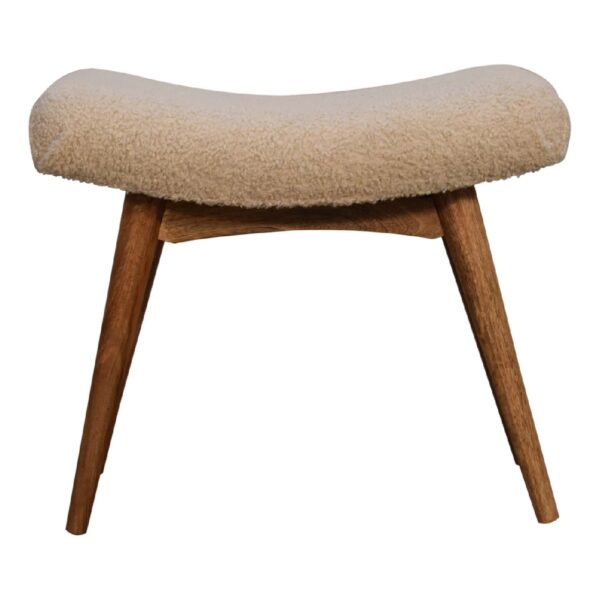

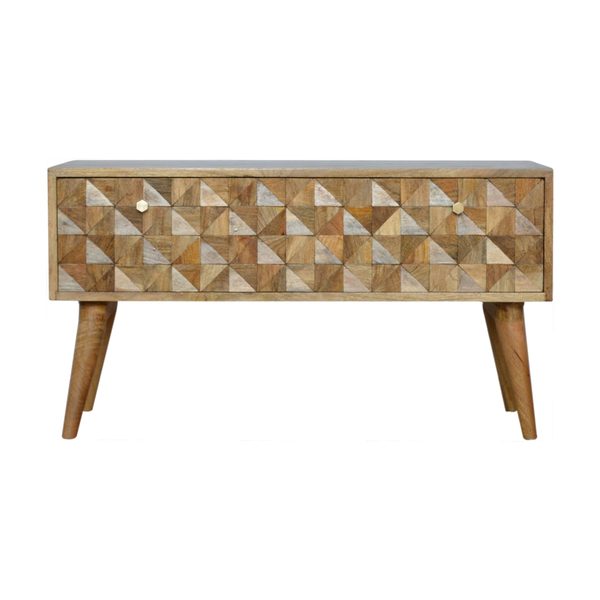
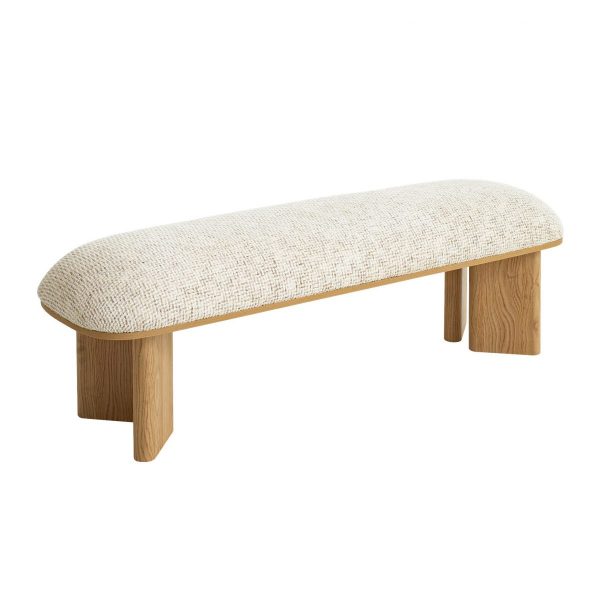
Does the grey need to blend or create separation?
Compare the shade with the floor and the nearest large furniture piece. A very close grey across different materials may look like an uncertain match, while a clearly lighter or darker tone can establish a more deliberate relationship. Check any blue, green or brown cast that becomes visible beside another neutral.
Think about the amount of grey already present. A long bench adds more surface than a small cushion, so the whole room view matters. If you want a stronger defined line, black benches provide a darker comparison. If warmth is missing, brown benches offer another direction. Choose the relationship that serves the room, rather than the colour that sounds most adaptable.
What can texture add without another colour?
A fine grey weave, a smoother finish and a looped textile each create different visible depth. Compare the seat with rugs, bedding and curtains before adding another pronounced texture. A simpler bench surface can support an existing pattern, while a stronger weave may provide the main interest in a quieter setting.
Confirm the actual material; grey does not establish fabric or upholstery. Fabric benches help when textile composition is the next question. The frame may have a different finish from the seat, which can make the overall piece feel lighter or more defined. Assess the whole form and its rear view if the bench sits away from a wall.
How will the neutral seat fit an occupied room?
Measure the usable seat height and depth for the task, not only the outside outline. At an entrance, someone handling shoes extends beyond the seat; near a bed, drawers and bedding require access. A quiet grey can lower visual contrast while leaving the same physical need for space.
Read the surface care for the chosen design. Grey does not mean every mark is hidden or every cleaner is suitable. Check seat and frame instructions separately. If dining is the purpose, compare dining benches and the seat-to-table relationship. The neutral colour should complete practical seating rather than encourage you to overlook use, support or circulation.
Frequently Asked Questions
Explore upholstered benches when padding and usable seating form matter more than the final grey shade.