
Entryway Benches
Entryway benches should make arriving and leaving easier. Picture the moment you sit to put on shoes: your legs and hands need more space than the bench footprint alone. Include that occupied position when you measure a hallway, along with door swings and the main route through the entrance.
Read moreRead less
Then compare seat height, usable depth and the surface you will touch or place bags beside. Storage should be checked in the actual product description, rather than assumed from a solid-looking base. The wider bench category helps with other seating purposes, while timber benches and upholstered choices refine the material once your entrance arrangement works.
Showing 25–39 of 39 resultsSorted by recommended
-
-
-
-
-
-
-
-
On SaleOriginal price was: $1,431.00.$1,288.00Current price is: $1,288.00.
-
-
On SaleOriginal price was: $1,692.00.$1,523.00Current price is: $1,523.00.
-
-
-
-
-


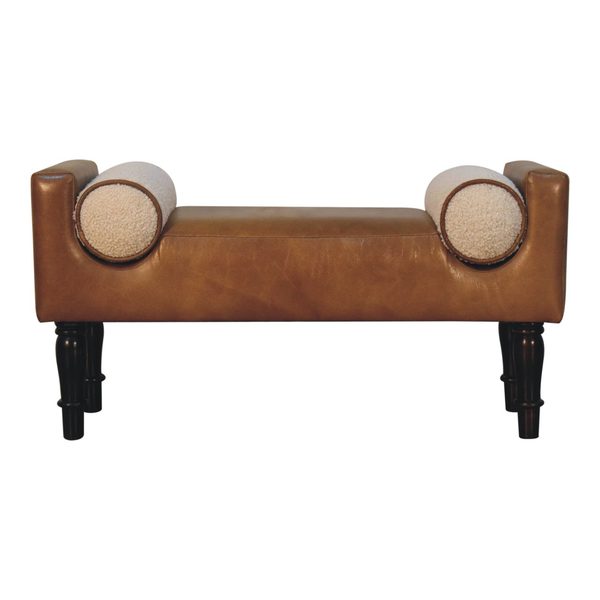
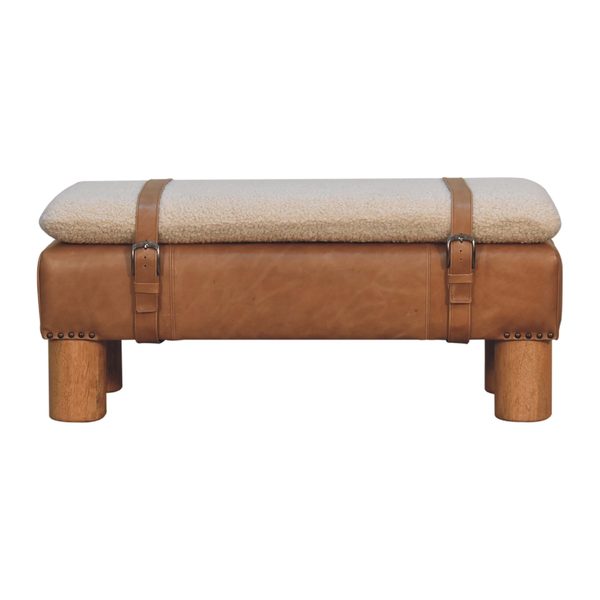
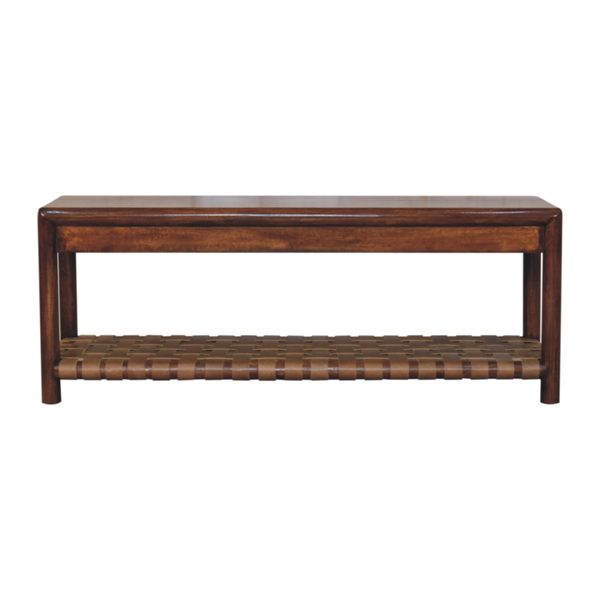
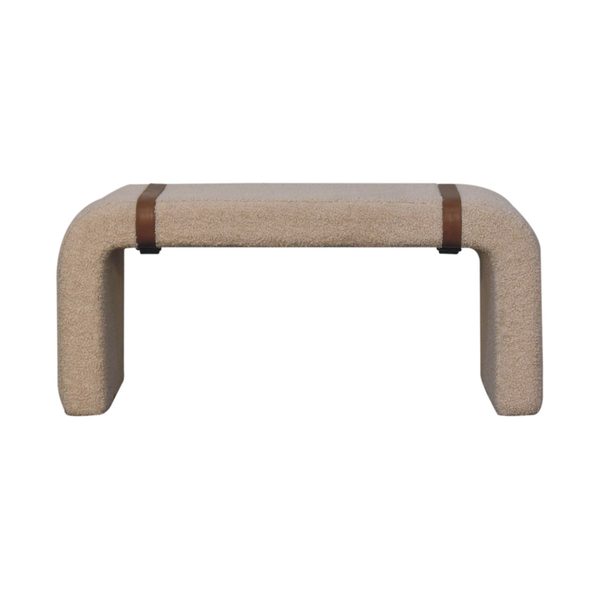
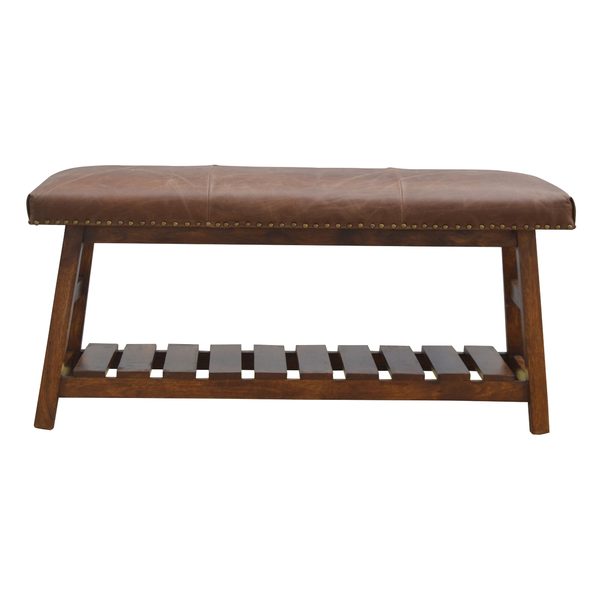
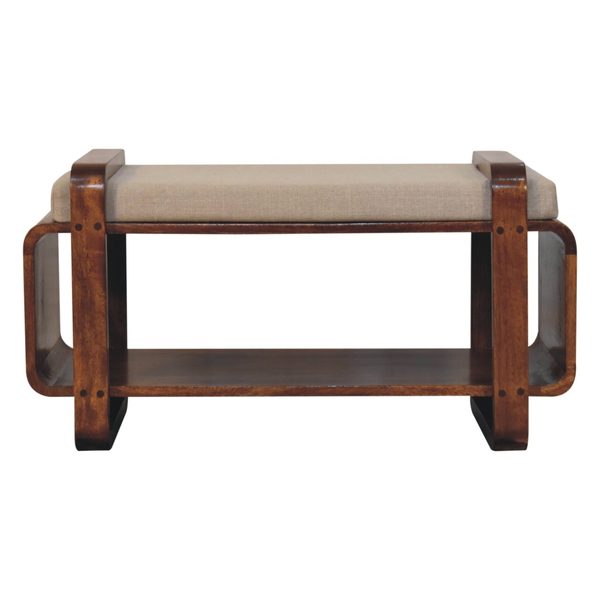
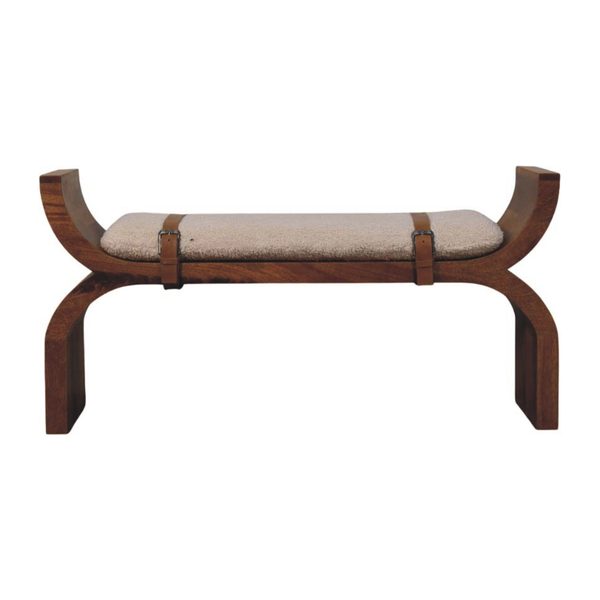
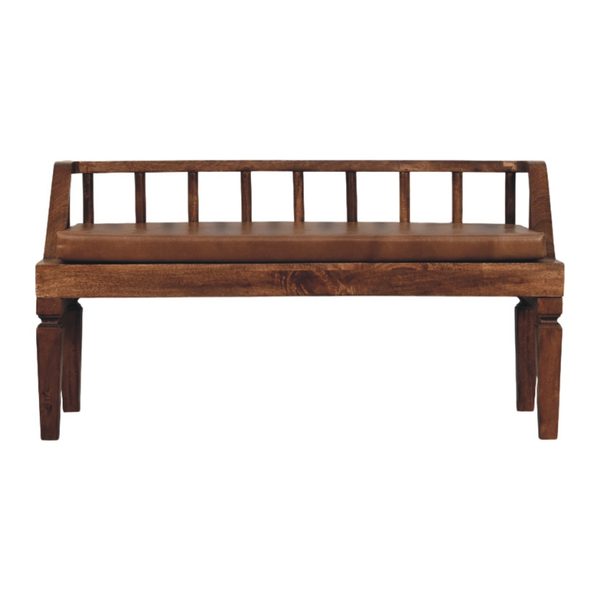
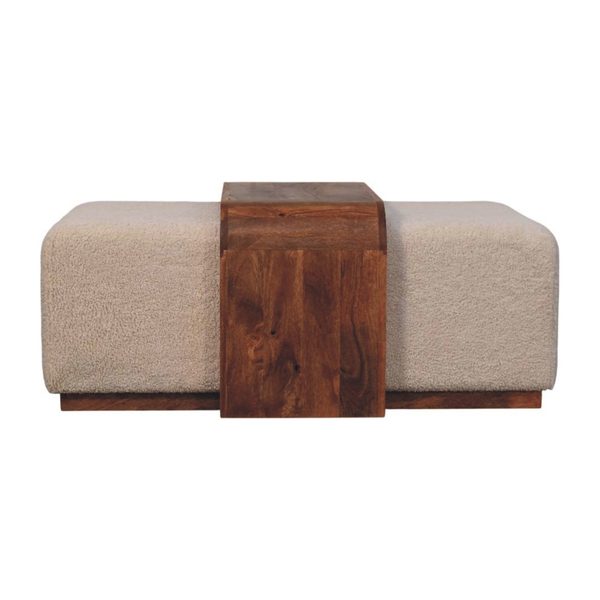
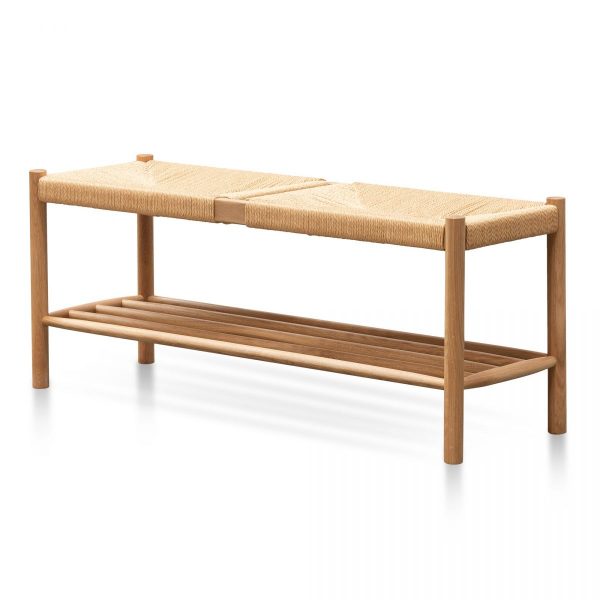
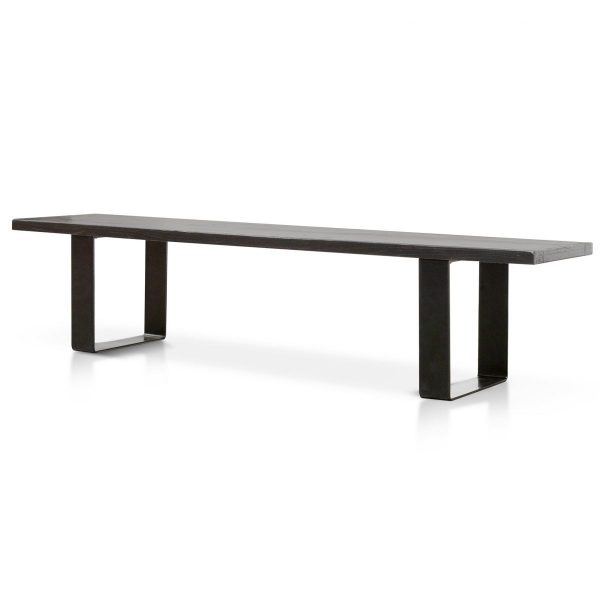
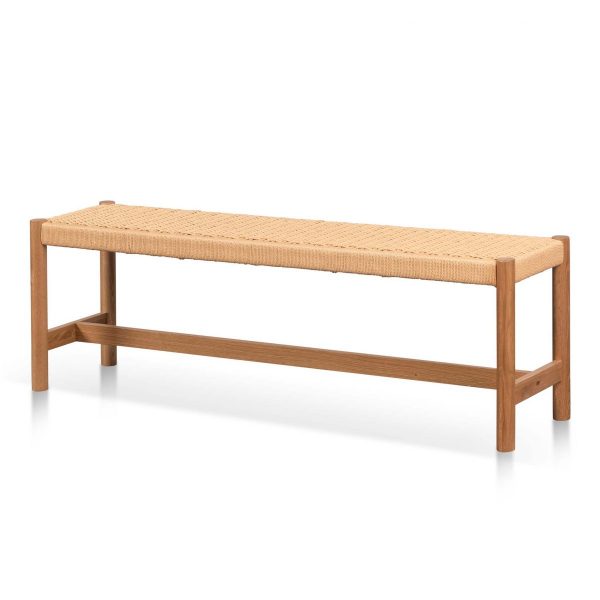
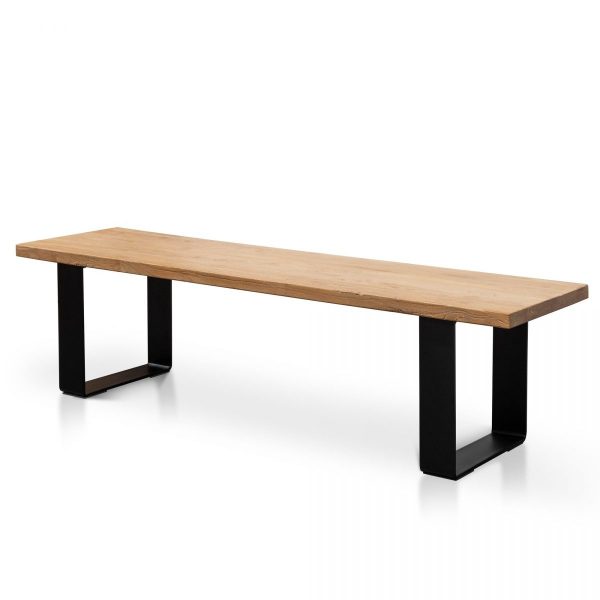
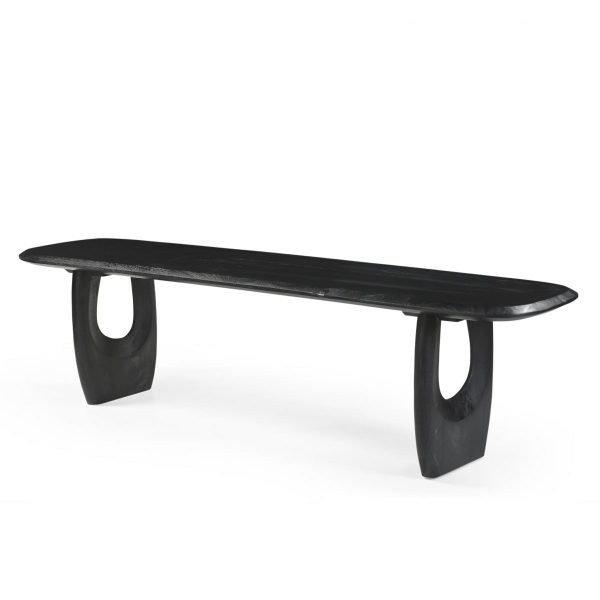
Can someone handle shoes without blocking the entrance?
Mark where the bench sits and where a person’s feet will land in front of it. Add the movement needed to bend, stand and step away. A narrow hallway may feel open beside an empty bench yet become difficult to pass when it is in use.
Check the front door, adjoining doors and any cupboard openings through their full movement. Keep the main route usable rather than filling every available wall section. If the bench has a broad base or legs beyond the seat, include those too. Choosing a smaller seating position can be more useful than a longer bench that leaves no room for the action it is meant to support.
Which seat position helps you put on shoes?
Compare the seat height with how you naturally sit and reach your feet. A very low decorative form may demand more bending, while a deep seat can leave you sitting forward to reach the floor. Use the actual seating dimensions rather than overall height or length alone.
Think about the people using the entrance and how easy it is to sit and rise. Read any intended-use and load information supplied for the chosen product. Upholstered benches help compare padding if a softer pause matters, but cushioning cannot fix a position that does not suit the task.
What material details matter near an entrance?
Bags, hands and nearby shoes can create frequent contact at the seat edge and base. Read the surface and frame care separately, including the correct response to dirt or accidental moisture. An indoor entrance should not lead you to assume a bench is suitable outdoors or for prolonged damp conditions.
Check whether storage is actually included and, if so, how it opens without colliding with nearby doors or seated people. Fabric benches focus on textile care, while a wood construction raises different finish questions. Choose from verified details. The useful entrance bench is one you can approach, sit on and maintain without making the doorway harder to use.
Frequently Asked Questions
If colour is the final decision, compare black benches for a defined outline or cream benches for a lighter warm layer.