
Cream Benches
Cream benches can introduce a warmer light surface beside white furniture or cool walls. Before choosing, compare the actual cream with the whites already in your room. A warmer tone may bring the softness you want, or make an attempted match feel less clear. The right relationship depends on the surrounding materials and light.
Read moreRead less
Decide where the bench will be used before narrowing its surface. A seat at the bed’s foot has different practical questions from one used for shoes or dining. The bench category can help with that first choice. Compare the cream as a light warm layer across the whole seat, then check its texture, surface care and usable dimensions.
Showing all 3 resultsSorted by recommended
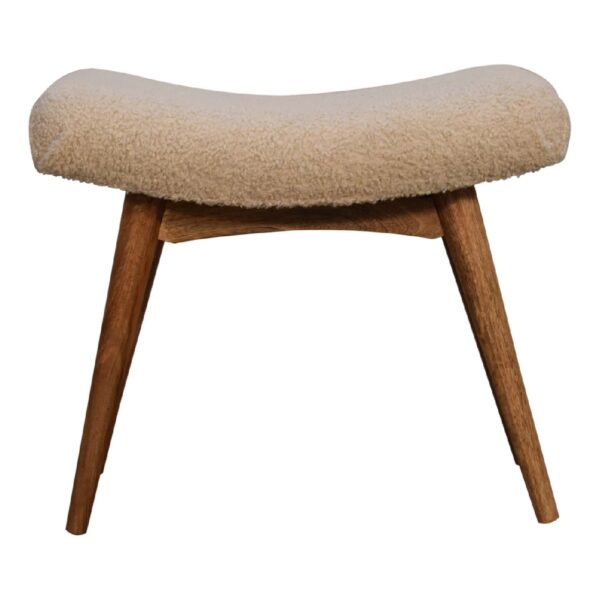

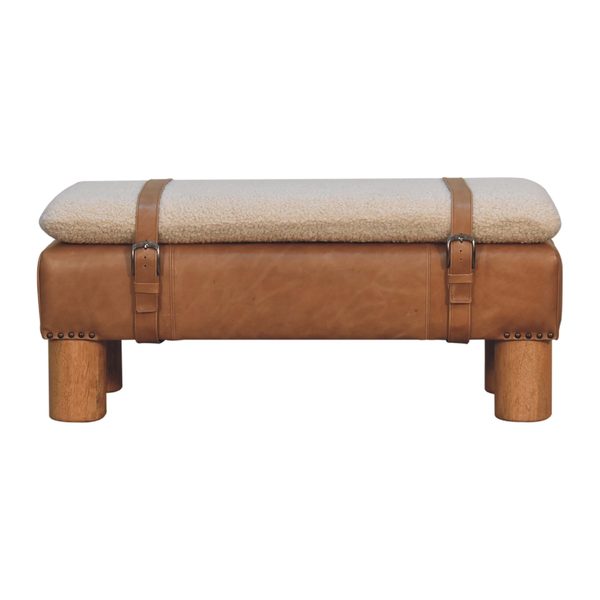

Should cream warm the room or blend with its whites?
Start with the largest pale surface beside the bench: painted furniture, a wall or bedding. Compare undertones and decide whether you want visible warmth or a closer neutral relationship. Cream next to a cooler white can show more colour than the same cream beside warm timber.
The seating form affects the result. A fully covered bench contributes a broad pale layer; a small cream pad leaves more frame visible. Assess that whole shape from the room entrance. White benches provide a separate brighter direction, while beige benches help if you prefer a more distinctly sandy neutral. Do not expect the names to establish an exact match.
Which texture suits a pale bench without extra fuss?
Compare the seat surface with nearby bedding, rugs or curtains. A fine weave can remain quiet in a room with pattern, while a pronounced texture can give a plain setting a purposeful accent. The bench’s length repeats that texture, so a close-up does not show the whole room effect.
Read what the cream surface is made from. Colour does not establish fabric, a removable covering or a cleaning method. Bouclé benches focus on a looped textile when that texture interests you; fabric benches cover the broader textile decision. Choose texture because it has a role beside your existing materials, rather than assuming any light upholstered appearance works the same way.
How will the light seat be used and maintained?
Think through the actual contact points in its location. At an entrance, shoes and bags change the task; in a bedroom, dressing and bedding create another routine. Confirm the design’s intended use and read the care instructions for the specific surface before choosing cream as an everyday finish.
Measure the full seat and base, allowing room for a person to sit and rise. If dining is intended, check the seat height against the actual table. A pale colour may keep contrast low, but it cannot remove physical bulk or establish stain resistance. Settle the routine and occupied footprint alongside the colour so the bench remains a useful part of the room.
Frequently Asked Questions
For bed-foot placement, bedroom benches give the relevant dressing and walking-space questions after the cream tone is settled.