
Dining Room Seating
Dining room seating begins with the people and positions around the table, rather than a row of chairs chosen for matching appearance. Think about regular meals, the places used most often and how users enter or leave the setting. A useful arrangement should support sitting and movement at the same time.
Read moreRead less
Then compare the seat forms that can serve those positions. Arm support, open side access and the actual back and seat are separate choices, while table supports may affect which positions work. This guide helps plan that full scene. Browse any chairs shown here, or use the wider dining chairs category when comparing individual designs after the seating arrangement is understood.
Showing all 16 resultsSorted by recommended
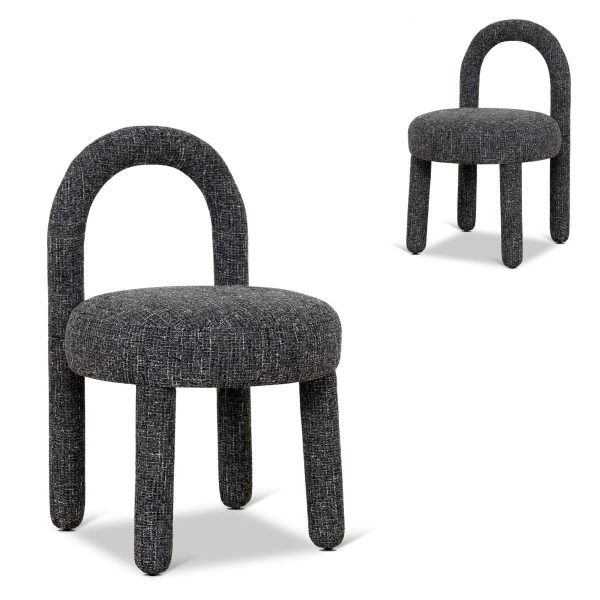

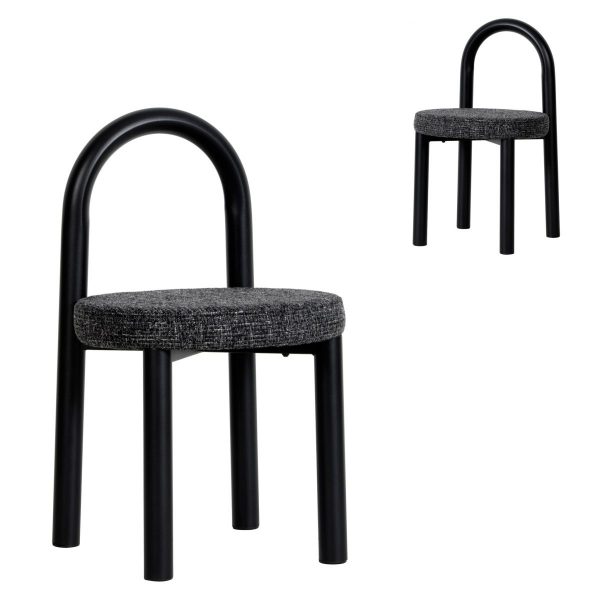
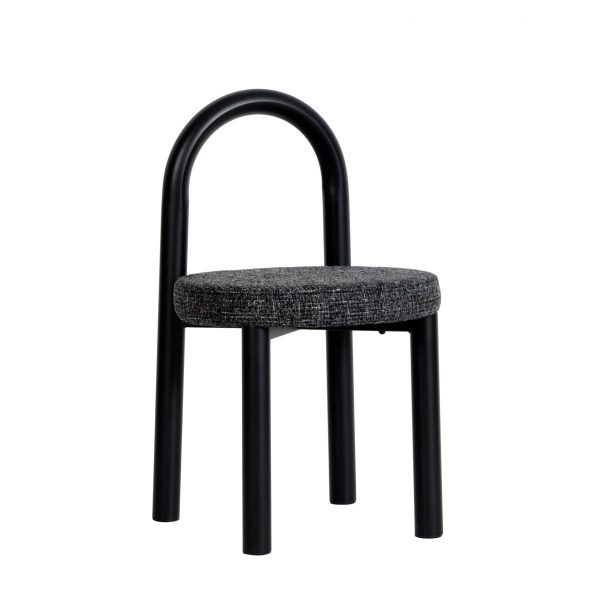
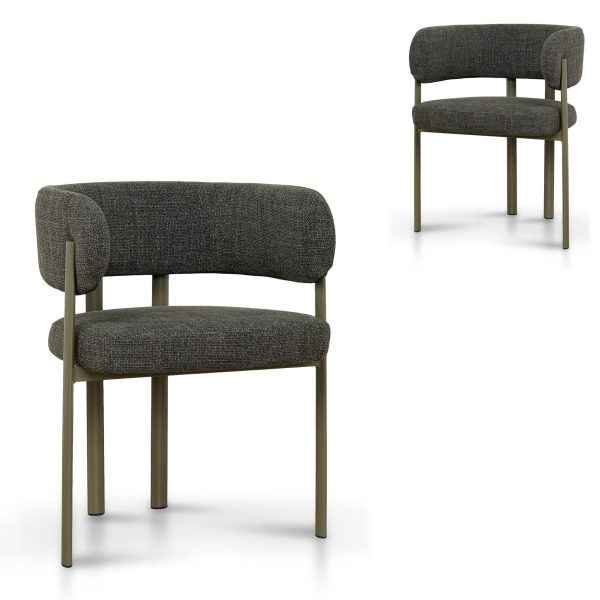
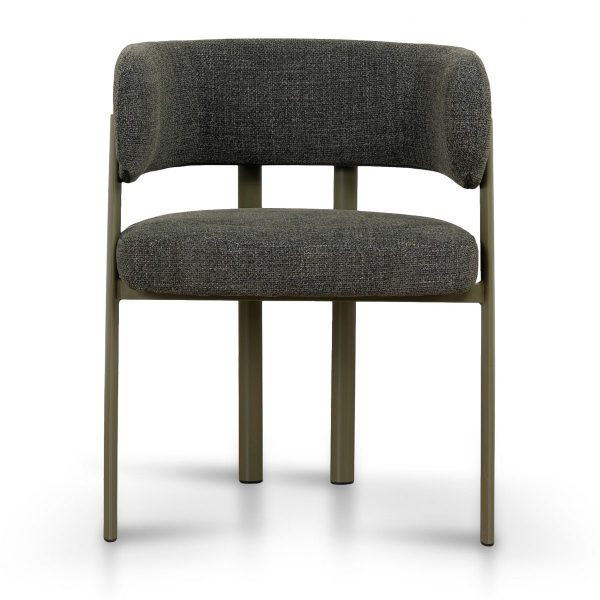
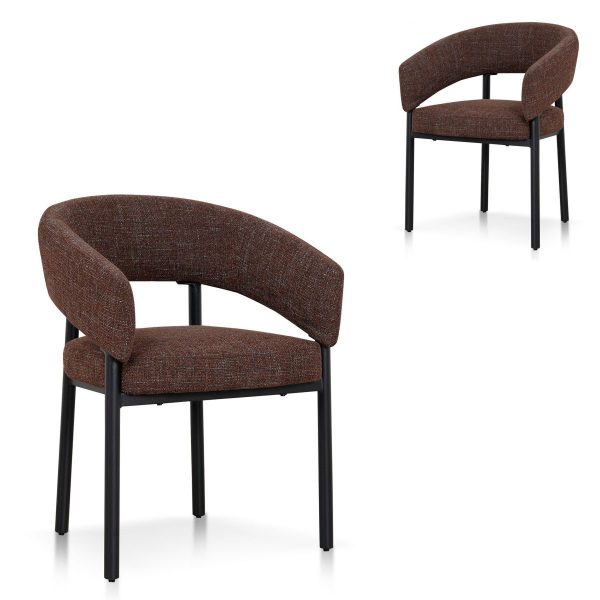
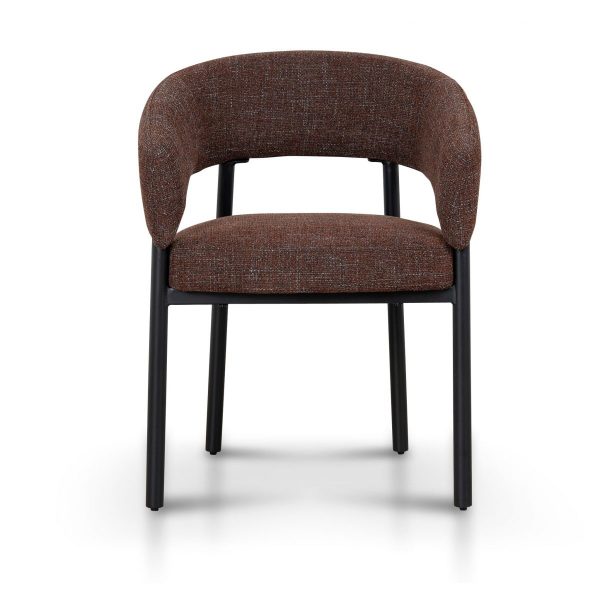
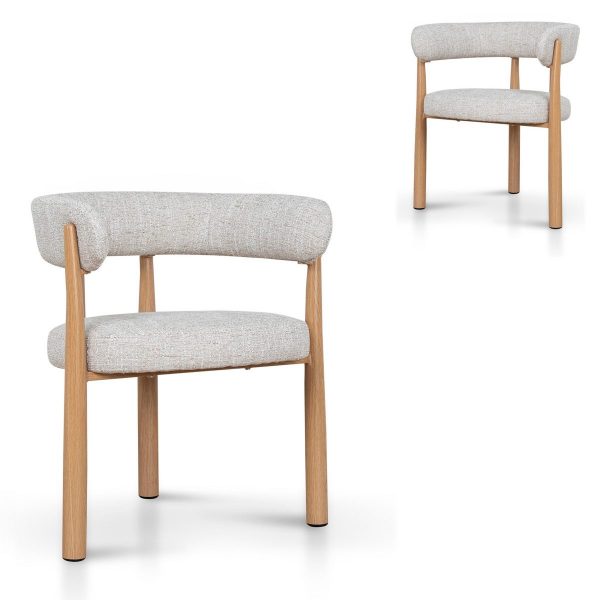
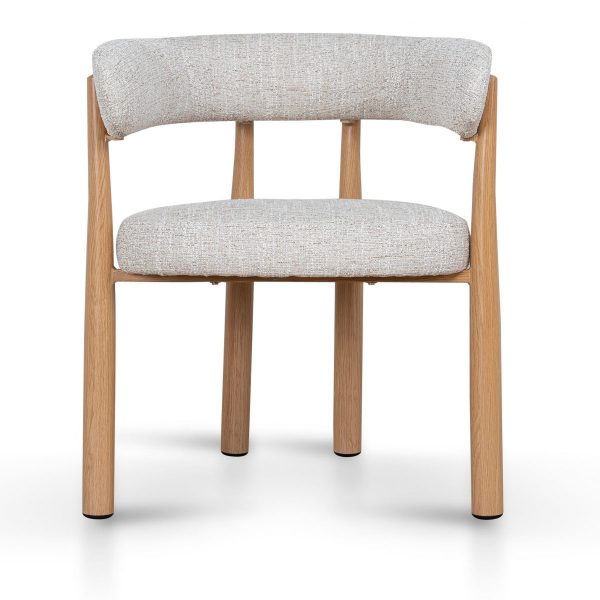
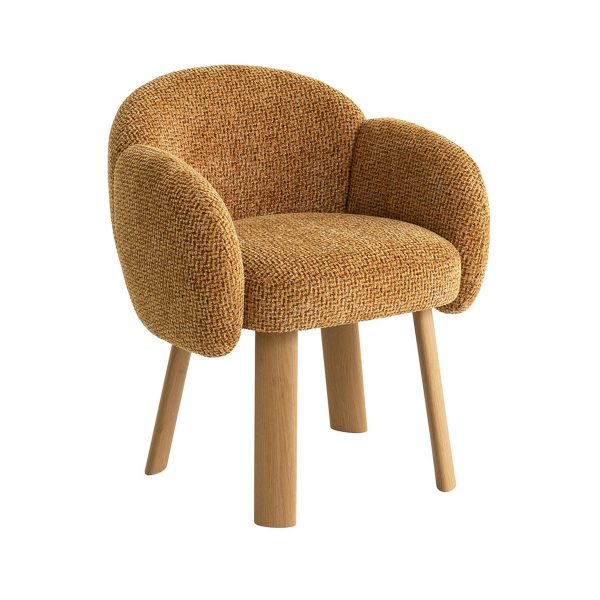
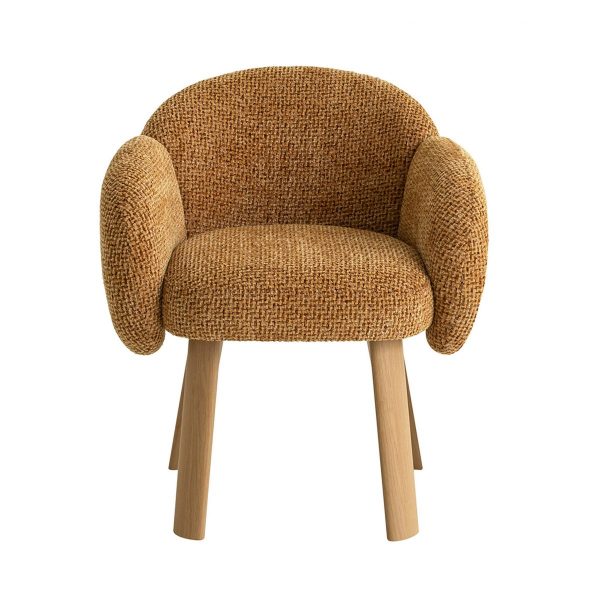
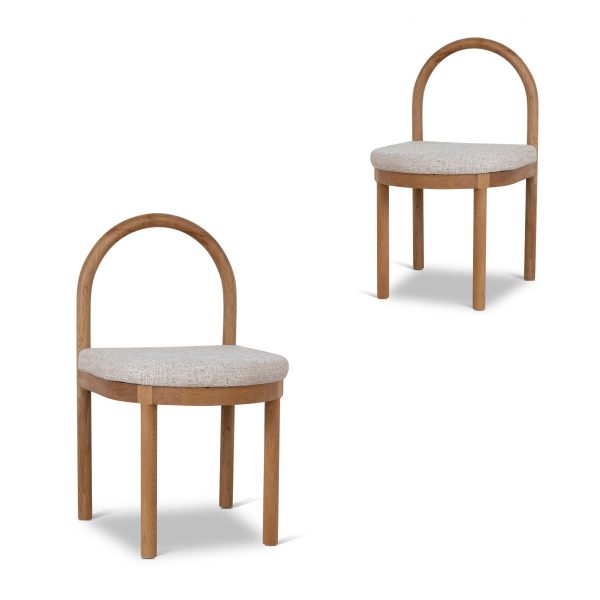
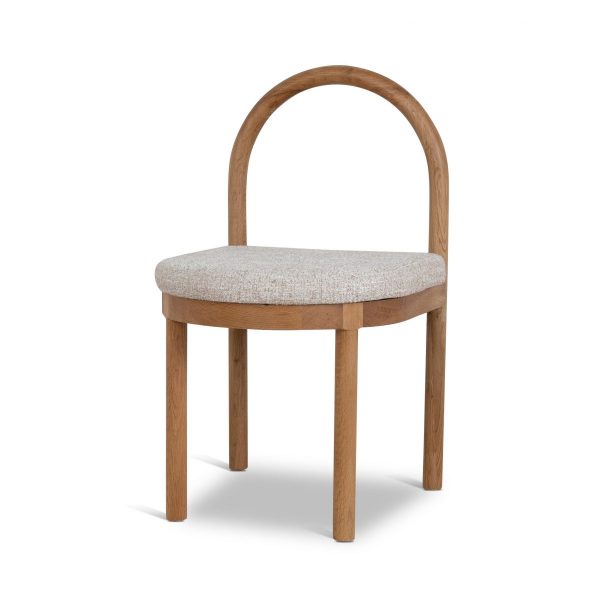
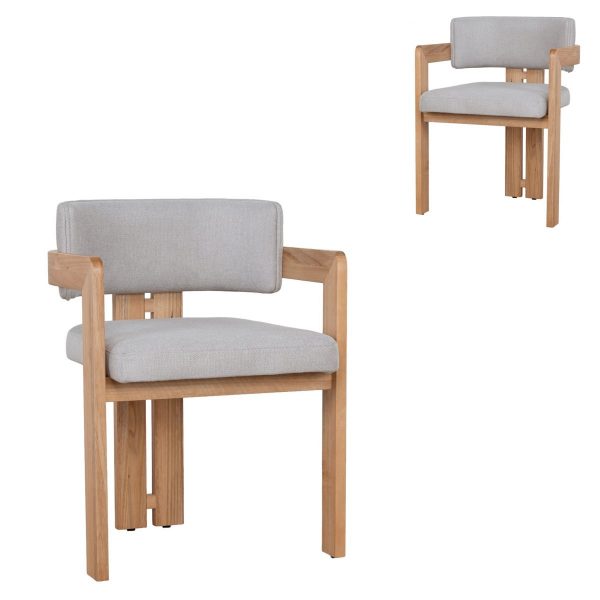
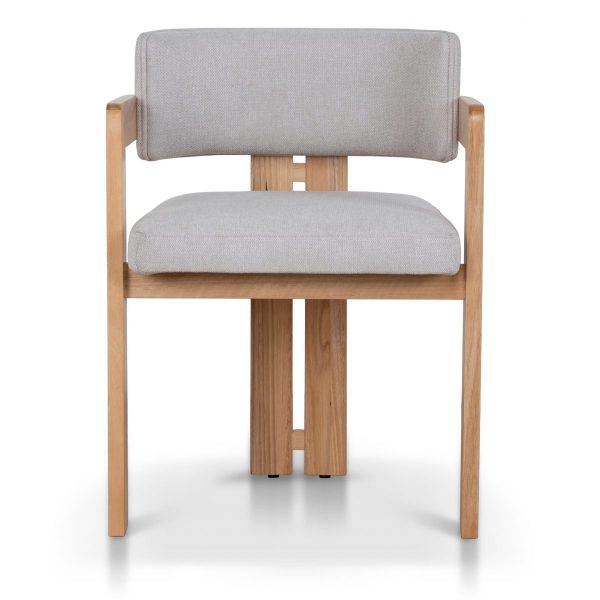
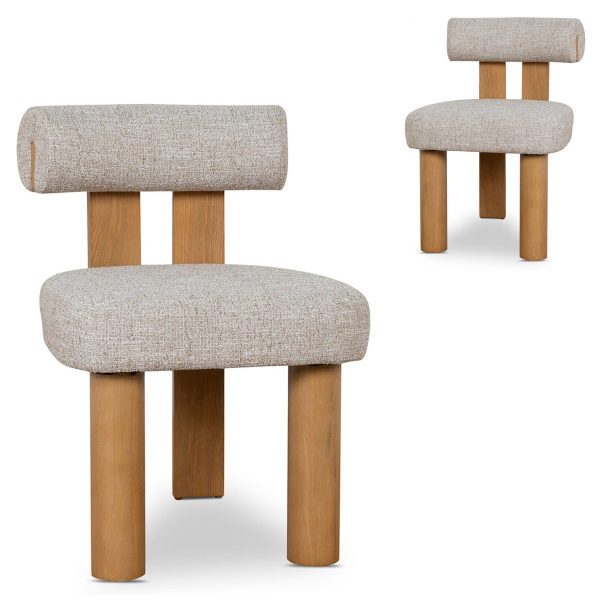
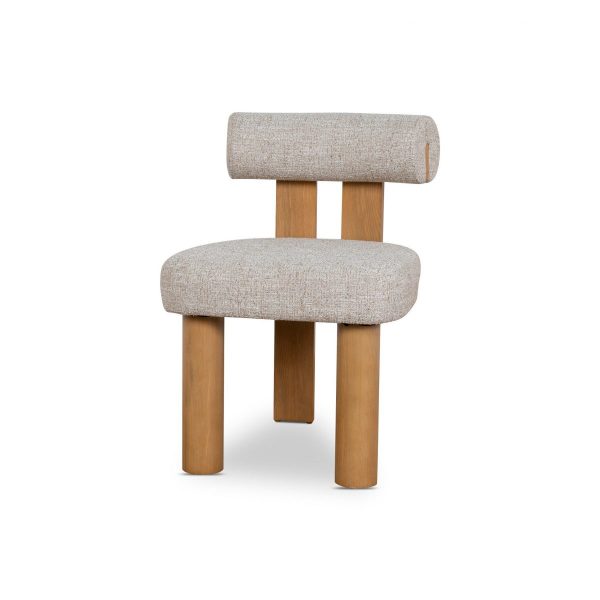
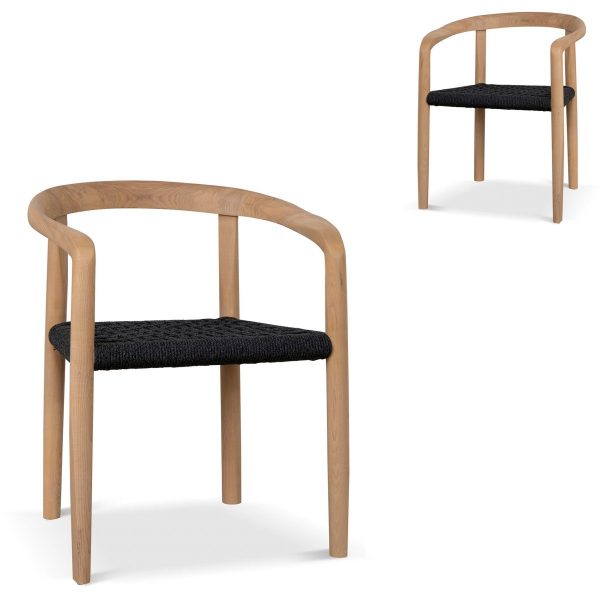


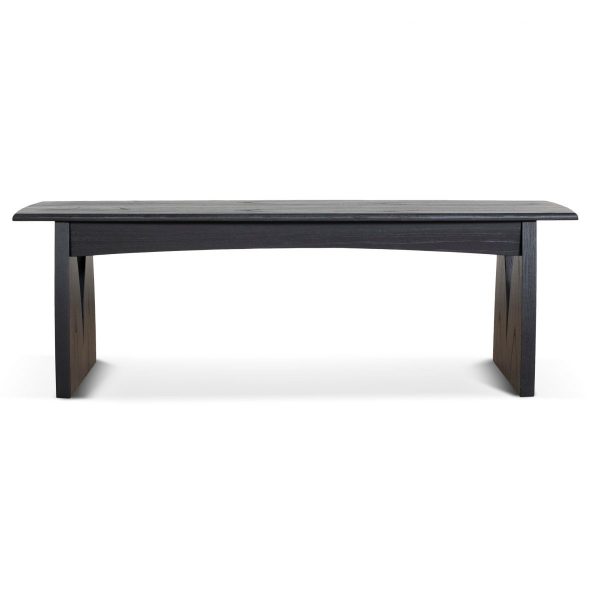
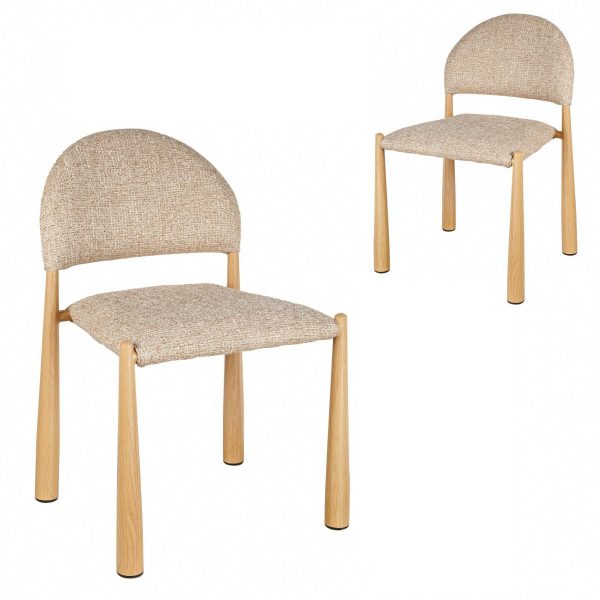
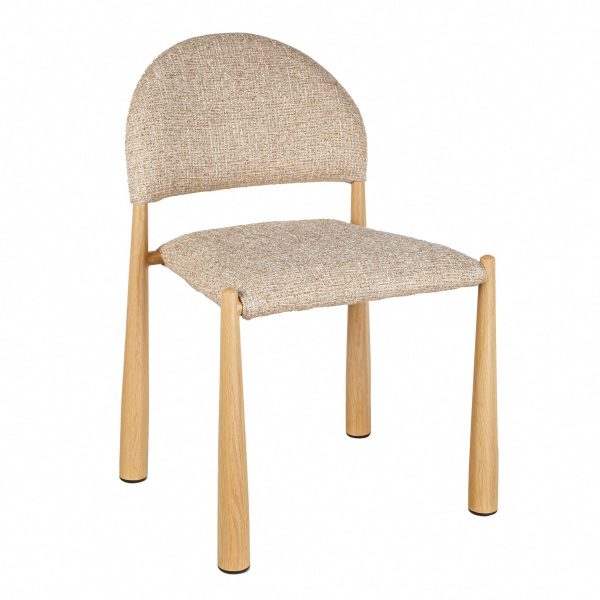
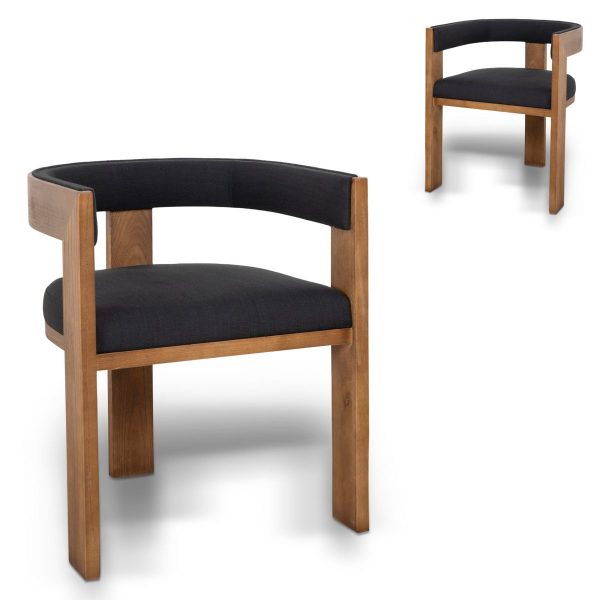
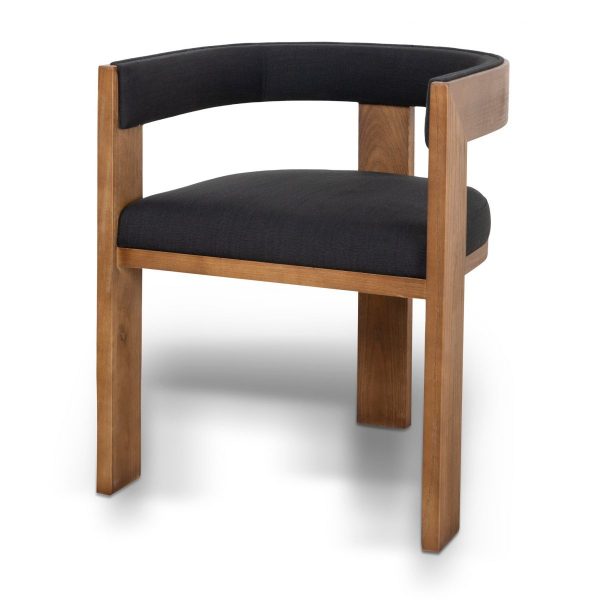
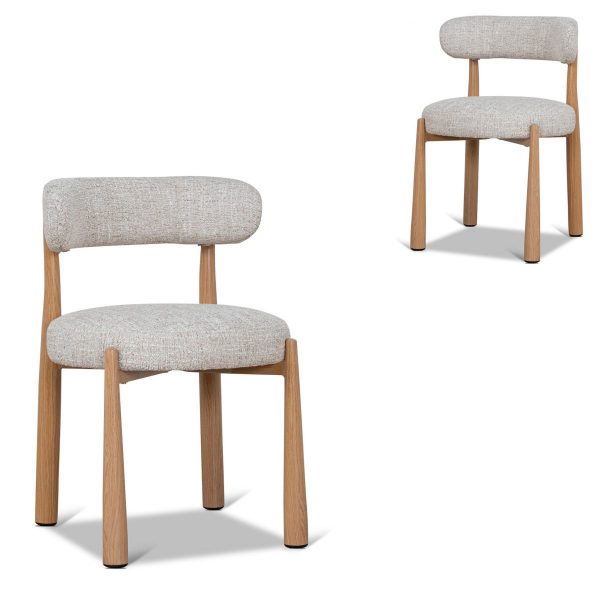
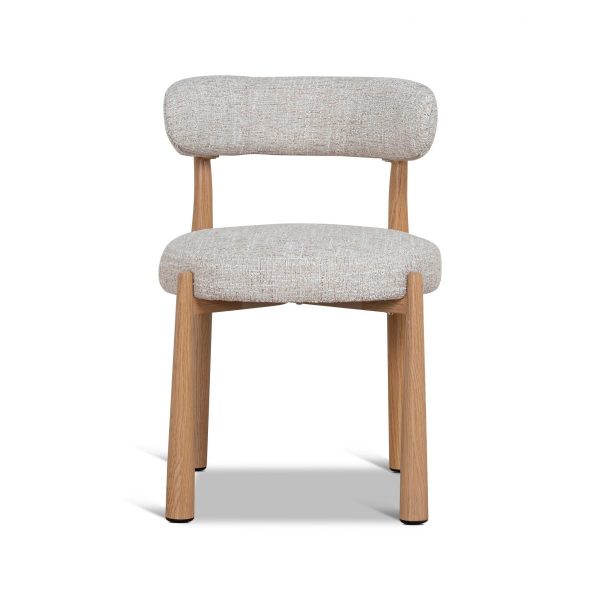
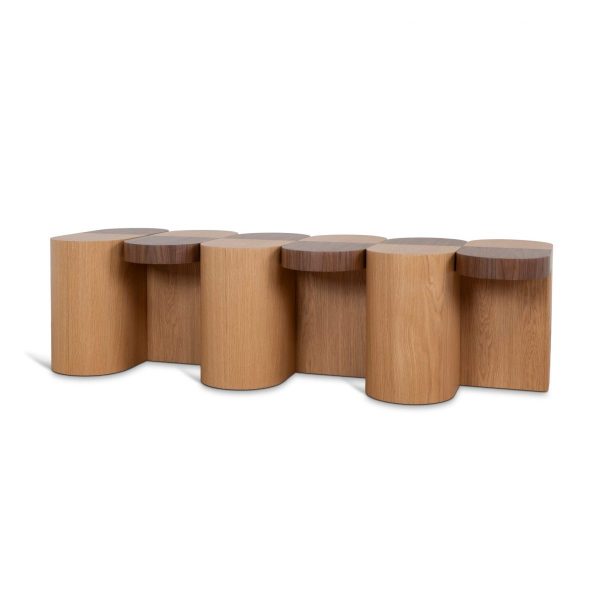

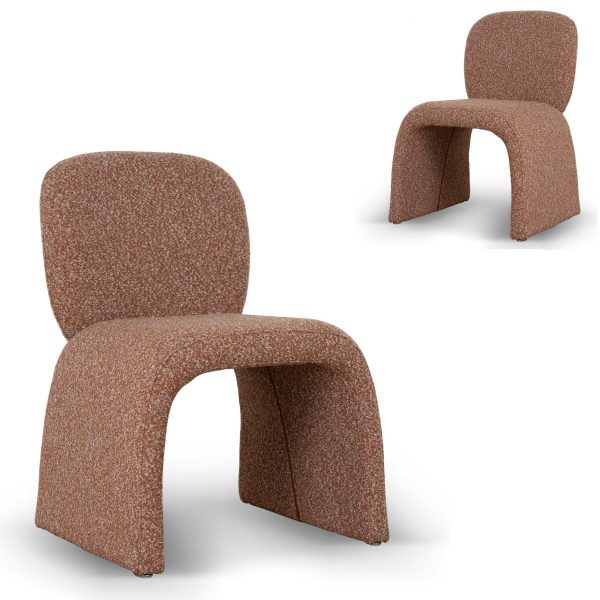
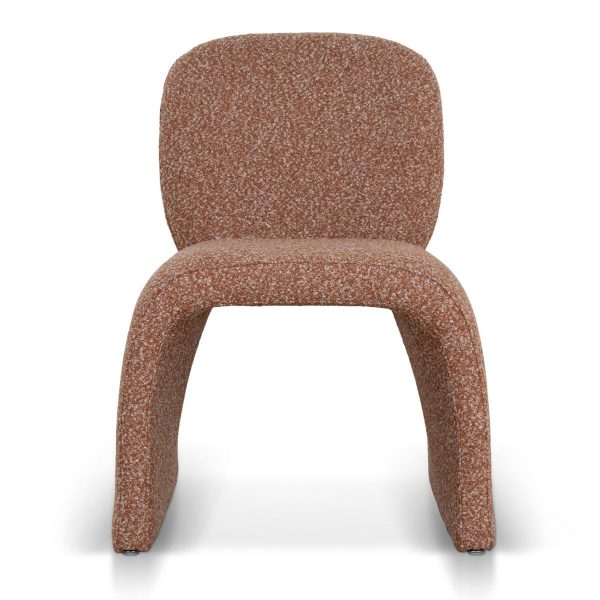
Count everyday places before arranging occasional guests
Begin with regular users and the positions each needs during meals. Keep serving space and movement clear rather than filling every available edge with another nominal place. Occasional visitors may change the arrangement, but should not make daily dining awkward.
Draw occupied chairs and the room routes behind them. If additional seating is needed only sometimes, decide where those pieces are stored. Use dining tables to compare table geometry with real seat dimensions.
Choose forms by their role at each position
An end chair may have different available space from one along the side. Arms can offer another resting contact but need underside clearance; open sides can change approach without automatically reducing width. Compare the role and dimensions of each chosen form.
Explore dining chairs with arms and armless dining chairs through those practical questions. Mixed forms can work where heights and occupied positions remain deliberate. Do not let coordinated finishes hide seats that sit too far from the table or need different entry space. The setting should feel consistent in use even when individual outlines are not identical.
Make support and maintenance part of the plan
Consider how long people sit and whether the dining area has other everyday uses. Back shape, usable depth and actual padding influence those habits; a particular cover does not establish the whole sitting experience. Review individual chair details after the arrangement works.
Read care for seat, back and frame separately, especially if materials differ across the setting. Confirm product quantities rather than assuming a chair listing includes a complete group. Check assembly and any use guidance too.