
Dining Chairs with Arms
Dining chairs with arms can give the sitter a defined place for the forearms, but they also add dimensions that must work with the table. Arm height, outer width and the shape near the seat affect approach and movement. A useful armchair is chosen for support and fit together.
Read moreRead less
Start with the actual table underside and supports rather than its top height alone. Then compare how the intended user enters and rests in the chair. This guide helps turn arm support into a practical dining decision. Browse any listed designs with those measurements in mind, or assess armless dining chairs when open side access better serves the setting.
Showing all 7 resultsSorted by recommended
-
On SaleOriginal price was: $699.00.$580.00Current price is: $580.00.
-
-
-
-
-
-
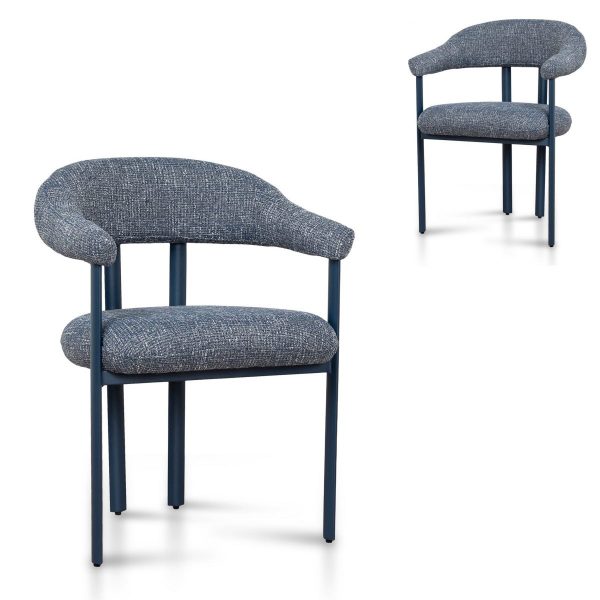

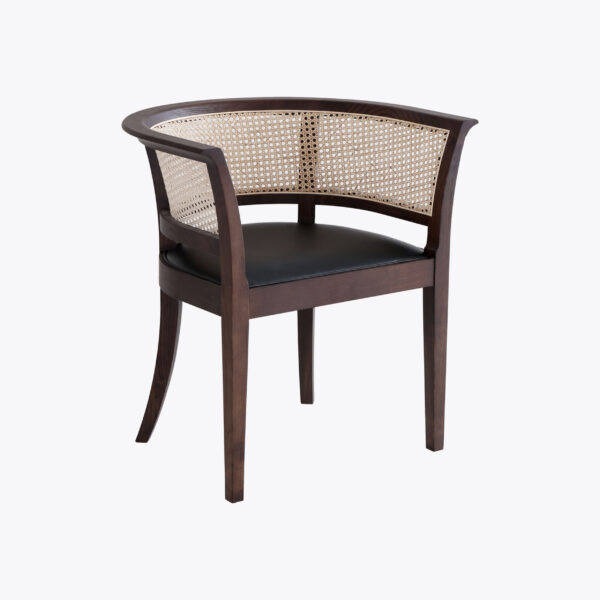
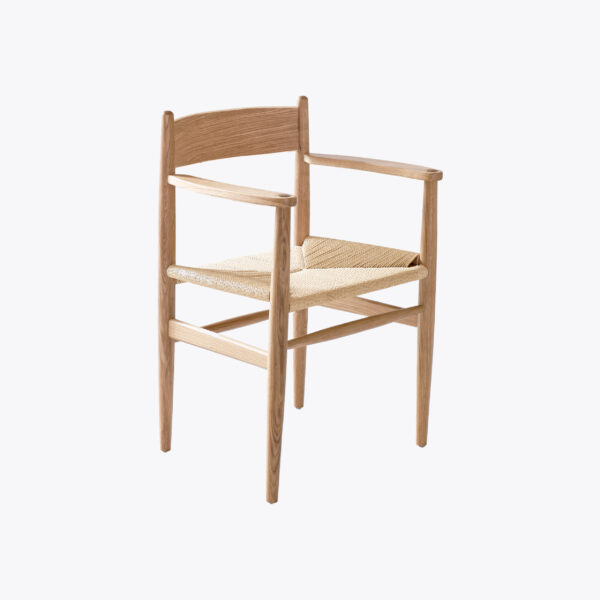
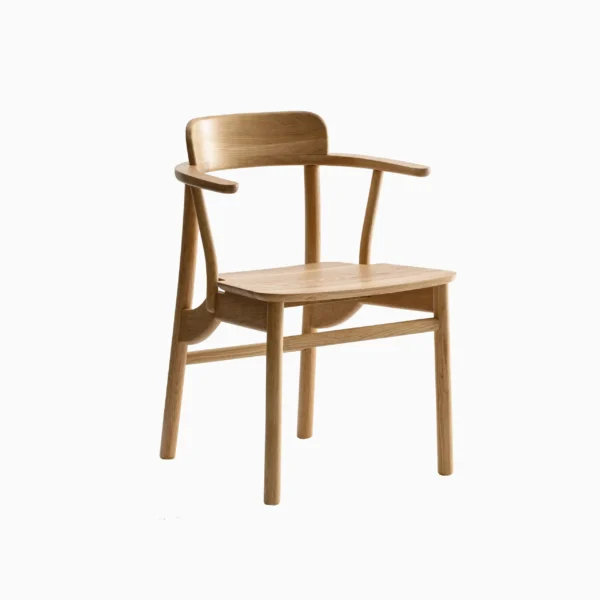
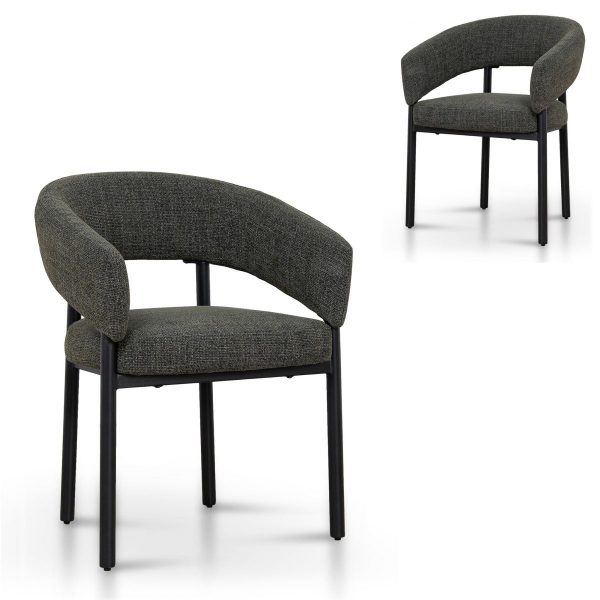
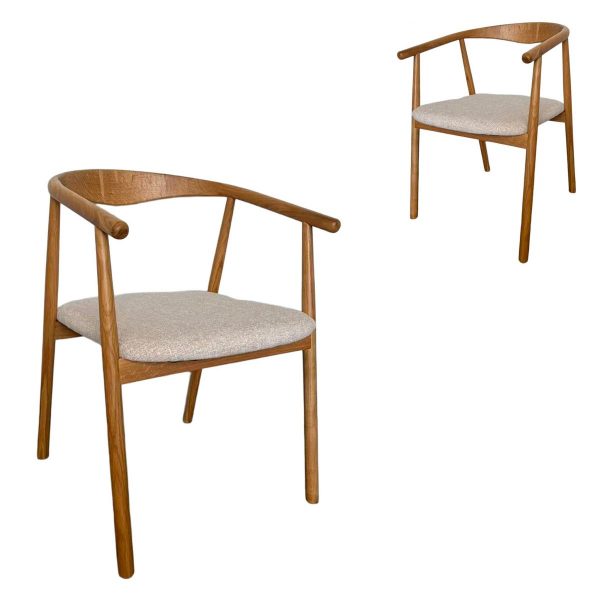
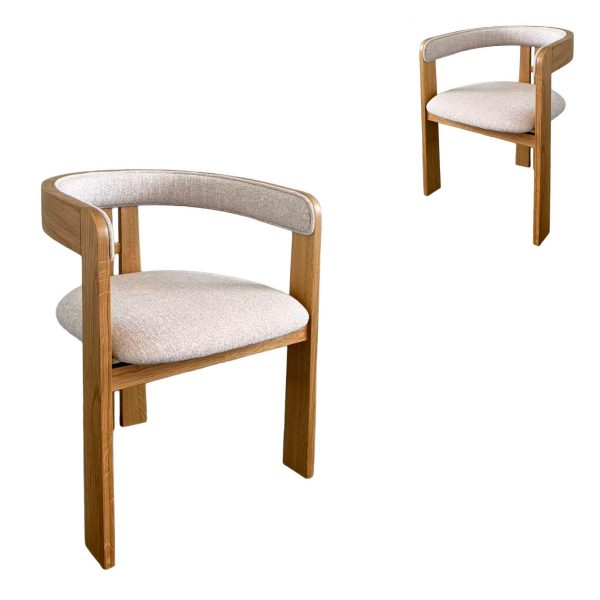
Will the arms clear the actual table underside?
Measure arm height and full outer width against the table rails, underside and support positions. A tabletop can stand high enough while a lower rail prevents the chair approaching as expected. Check whether the selected position needs the chair to tuck in fully between meals.
Arms can curve or widen away from the seat, so assess the complete shape. Ask about missing dimensions before choosing a group around a table with restricted underside space.
Compare the arm with the way the sitter rests
Consider where the user’s forearms naturally sit during a meal or conversation. The arm’s shape, height and surface are part of that contact, while usable seat depth and back shape influence the position of the body. Do not judge support from the arm outline alone.
Check whether the chair allows the user to approach the dining surface comfortably. A supported resting posture and active eating can use the same arms differently. The wider dining chairs category helps compare other forms if the chosen armchair does not meet those habits. A sculptural arm should still serve a practical role for the sitter at the real table.
Leave room to enter, move and store the chairs
Arms change the side approach to a seat and the outer width repeated around the table. Mark occupied and pulled-out positions, including room routes and end seats. A pair of armchairs at the ends can have different space needs from a full group along the sides.
Use dining tables with actual chair measurements when the table is being chosen too. Check material and care for the arm contact area separately from the seat, particularly on mixed-material designs. Confirm quantity and assembly instructions.