
Armless Dining Chairs
Armless dining chairs remove one possible obstruction between the chair and table, but they still need a full fit check. Seat width, back shape, legs and table supports determine how closely a person can approach. Without arms does not automatically mean narrow, lightweight or stackable.
Read moreRead less
Think about how users enter from the side and whether they prefer a defined place for elbows. Then compare the actual seat and back support. This guide helps choose armless furniture for a practical purpose rather than a general compactness promise. Browse any listed pieces with table measurements in view, or explore the wider dining chairs category for other forms that may serve the same dining setting.
Showing the single result
-
Week’s PickOriginal price was: $509.00.$433.00Current price is: $433.00.
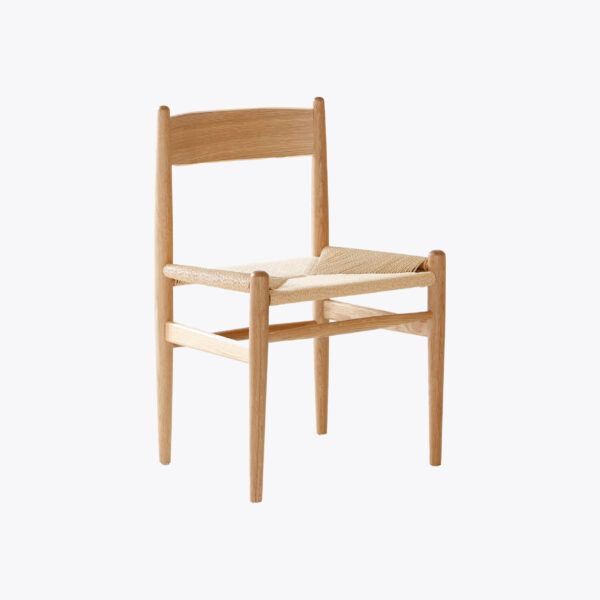

Use the open sides for the way people sit down
Consider the route from the room to each chair and how the user turns into the seat. An open side can support a different movement from an armchair, particularly where a nearby table position is constrained. Check the actual leg and back shapes too.
The lack of arms does not remove the need to pull a chair out or leave space behind it. Mark the occupied arrangement alongside doors and usual room routes. Compare dining chairs with arms when resting the elbows is an important habit. Choose access and sitting support together rather than treating the open side as a universal improvement for every diner.
Check width and table clearance independently
Read the full chair width and compare it with usable space between table supports. A broad armless seat can take more room than a narrower chair with another form. Seat height and usable depth also affect the relationship with the top.
Use the actual table underside, not only its overall height. Rails or a central base may limit approach even when no arms meet the surface. The dining tables category helps compare supports while choosing table and chairs together.
Choose the seat and back for ordinary meals
Review how the back meets the sitter and how much usable seat supports the intended posture. Open sides can give freedom to change position, but the actual form should still suit everyday use. Do not infer comfort, padding or material from the absence of arms.
Read the seat, frame and back specifications and follow care guidance for each component. If textile is the main cover choice, compare fabric dining chairs separately from the arm feature. Confirm quantity and assembly details when ordering several seats.