
Console Tables
Console tables work best when their position has a clear job. Near an entrance, the surface may hold everyday arrival items; behind a sofa, it may support a lamp or book; against a wall, it can give a display a useful base. Decide that purpose before selecting a long narrow-looking piece.
Read moreRead less
Then compare depth, height and any storage with the space people use around it. A console should support the room without interrupting its routes. This guide helps you make those decisions in order. Browse any listed pieces with your chosen position and objects in mind, or use a focused collection once the practical purpose of the surface is understood.
Showing 25–48 of 81 resultsSorted by recommended
-
On SaleOriginal price was: $287.00.$273.00Current price is: $273.00.
-
-
-
-
-
-
-
-
-
-
-
-
-
-
-
-
-
-
-
-
-
-
-
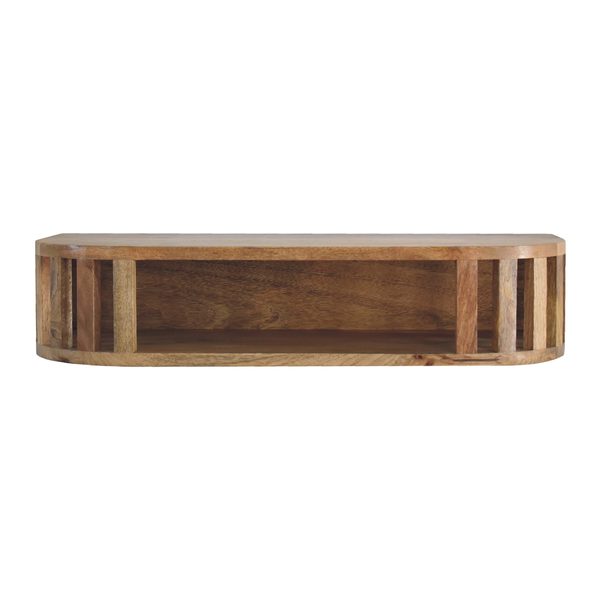

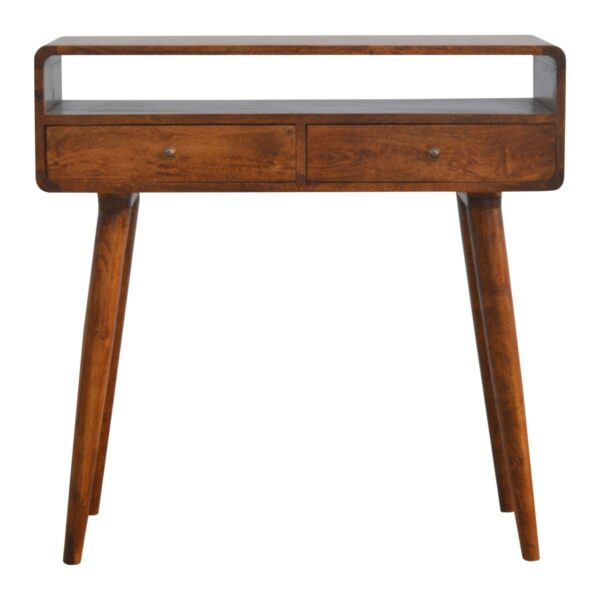
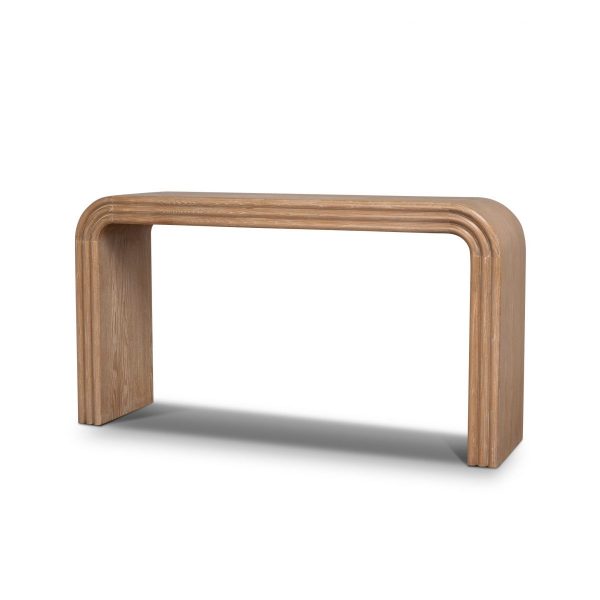

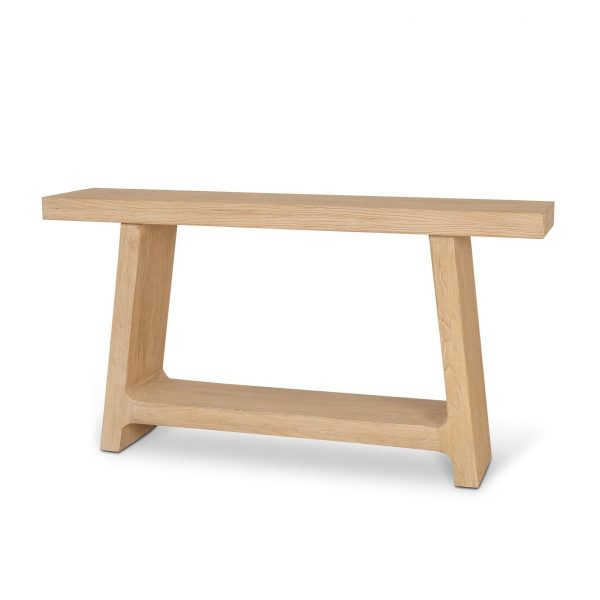
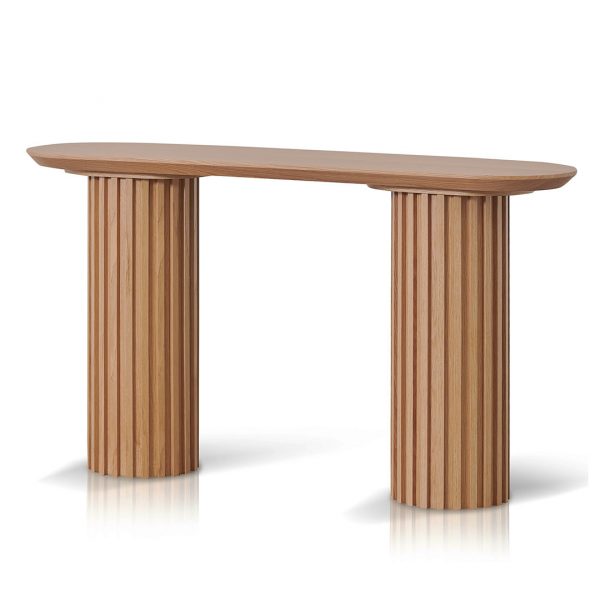

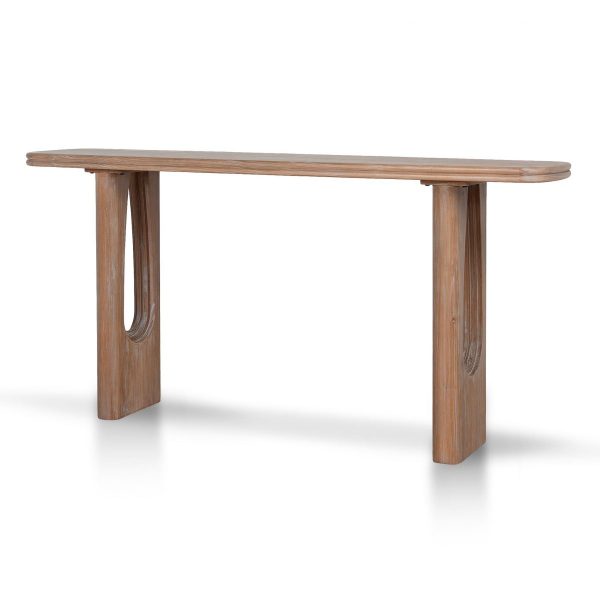
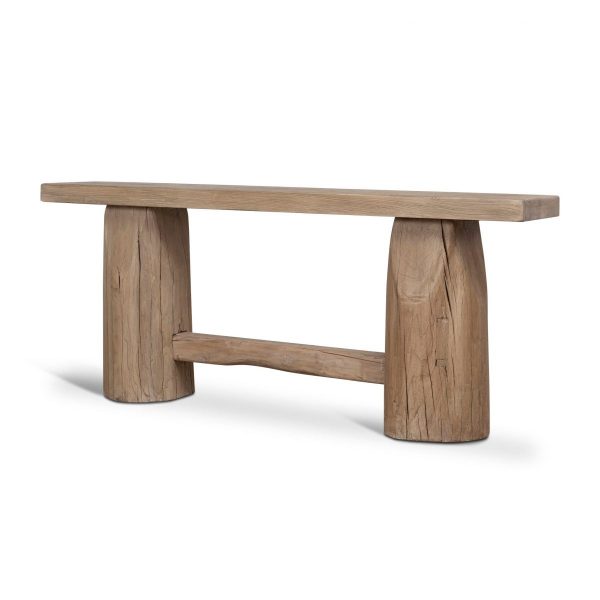


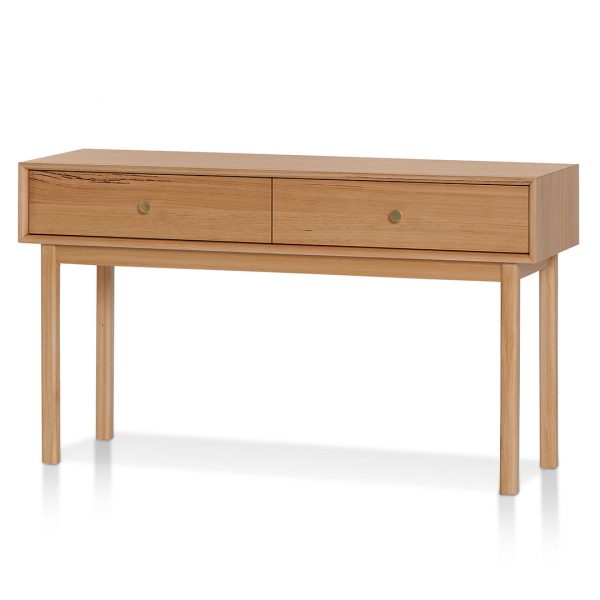
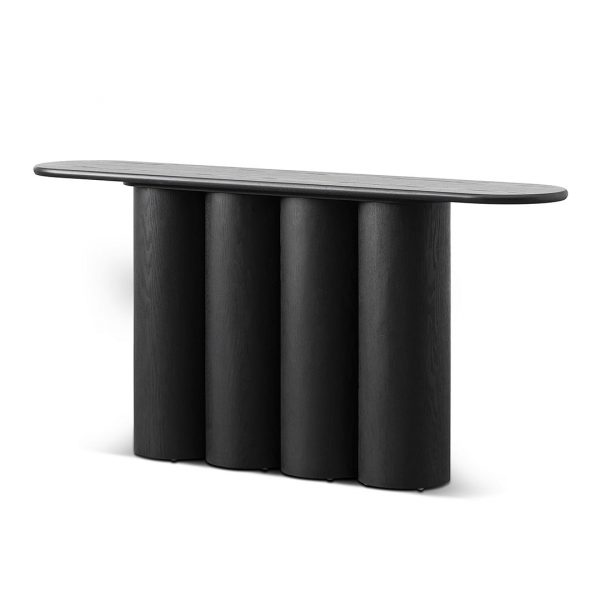
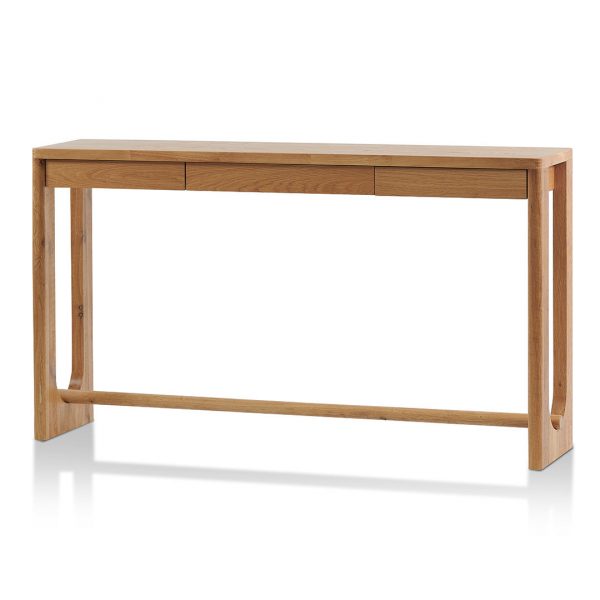
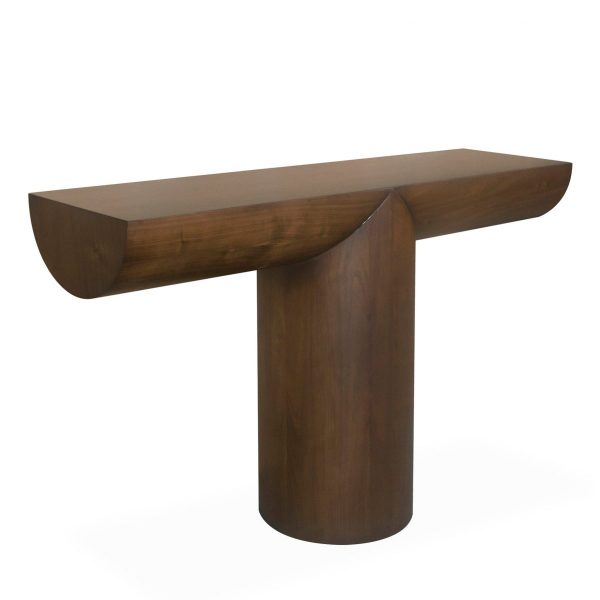
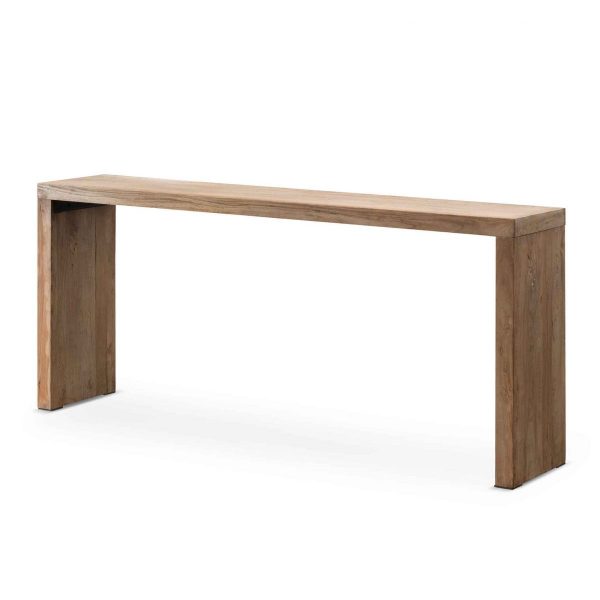
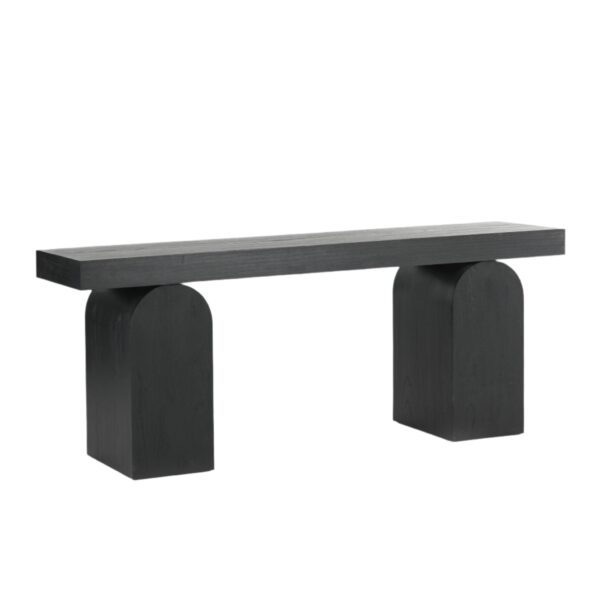

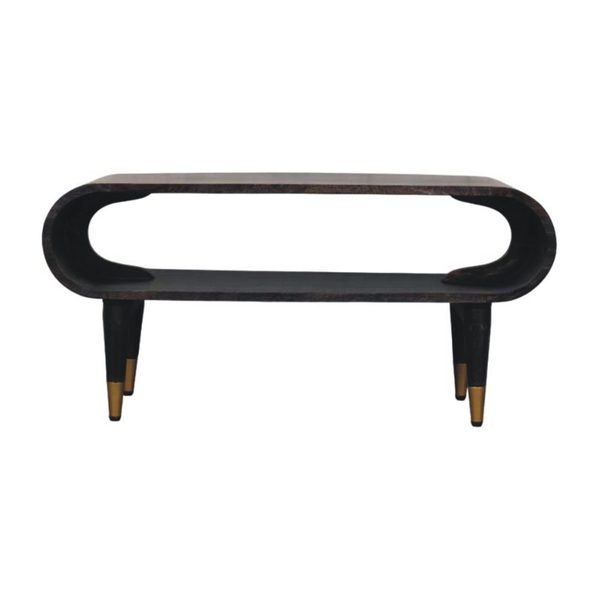
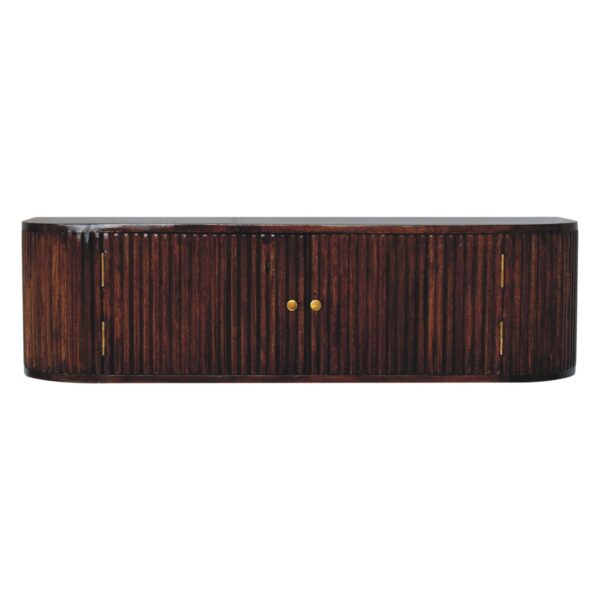
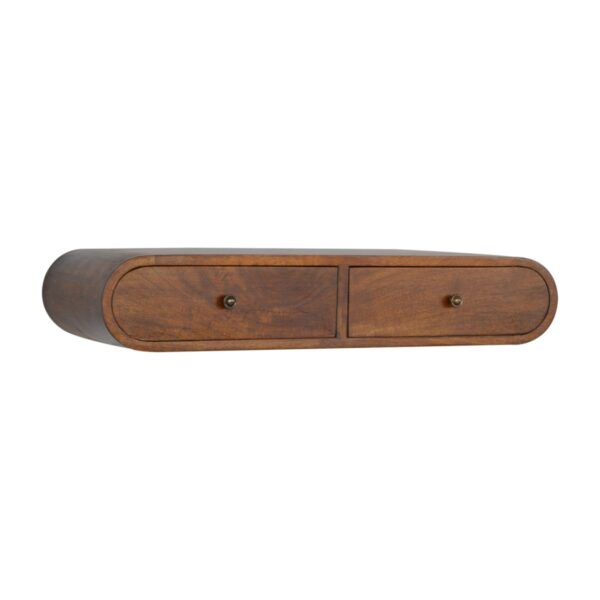
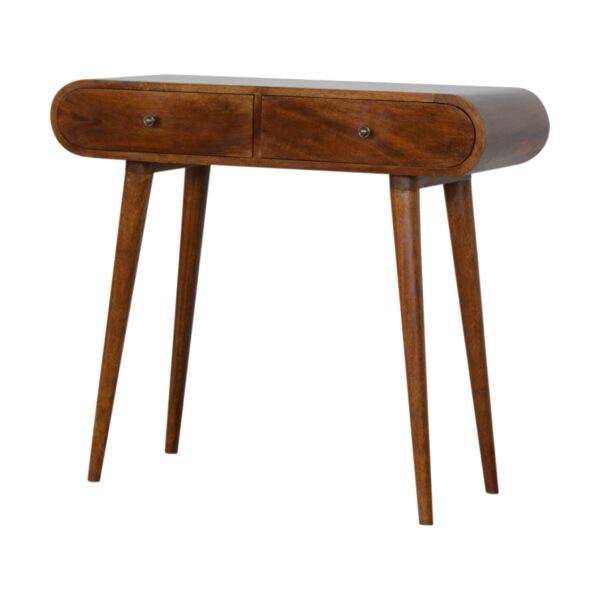

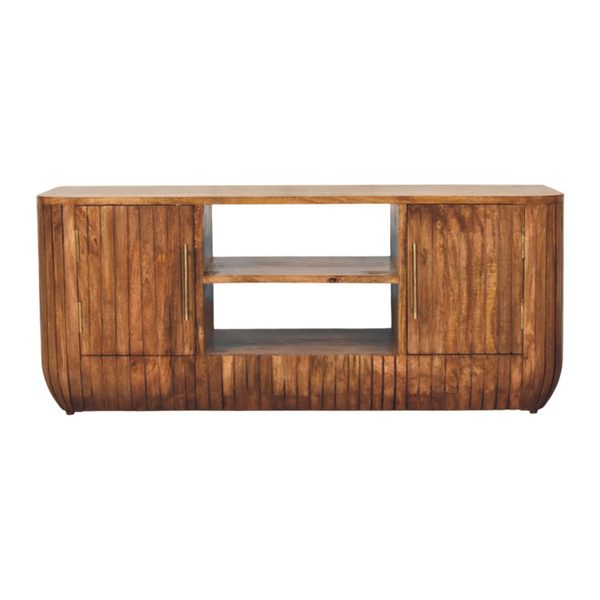
Put the console where it has a daily job
List what belongs on the top and how often it is used. Keys and a phone need another arrangement from a lamp and framed pictures. A useful location should make those objects easy to place and reach, rather than turning the console into a landing surface for everything in the room.
Check nearby sockets if a lamp is planned and consider access behind the furniture. Explore hallway tables when arrival and passage use is the main need. The purpose should guide size and storage, so the piece serves the home instead of occupying an empty wall simply because it appears long enough in a photograph.
Plan depth around the way people pass
Measure the complete projection from the wall, including overhanging tops, handles and any skirting-board effect on placement. Mark nearby door movement and the usual route past the proposed table. An attractive shallow outline still needs a real depth check.
Behind a sofa, compare height and full width with the sofa’s back rather than choosing from wall measurements alone. If projection is the main constraint, review narrow console tables by actual dimensions. A visually open base may change the impression of space, but it cannot remove the footprint people move around. Keep practical access alongside the proportions you see from the room entry.
Choose storage without losing the surface’s purpose
Decide which objects need to stay visible and which should have a home below or inside. A drawer can serve small items; a shelf can hold another arrangement where actually specified. Neither feature should be assumed from a substantial-looking front.
Compare console tables with drawers and console tables with shelves through their actual openings and capacity. Check care, assembly and any supplied fixing guidance for the selected item.