
Narrow Console Tables
Narrow console tables are often considered when a wall-side surface must leave more room for movement. Check the actual dimensions: narrow may describe a small depth or another part of the form, and a slim-looking front can still project farther than expected.
Read moreRead less
Begin with the space people use beside the wall, then test the everyday objects on the top. A lamp base may fit while its shade extends into the route. This guide helps reduce projection without losing a useful surface or storage access. Browse any listed pieces by complete measurements, or review the wider console tables category when another shape may serve the same location more comfortably.
Showing 1–24 of 45 resultsSorted by recommended
-
-
-
-
-
On SaleOriginal price was: $905.00.$860.00Current price is: $860.00.
-
Week’s PickOriginal price was: $953.00.$858.00Current price is: $858.00.
-
-
-
On SaleOriginal price was: $1,131.00.$1,074.00Current price is: $1,074.00.
-
On SaleOriginal price was: $866.00.$823.00Current price is: $823.00.
-
On SaleOriginal price was: $729.00.$693.00Current price is: $693.00.
-
On SaleOriginal price was: $287.00.$273.00Current price is: $273.00.
-
-
-
-
-
-
-
-
-
-
-
-
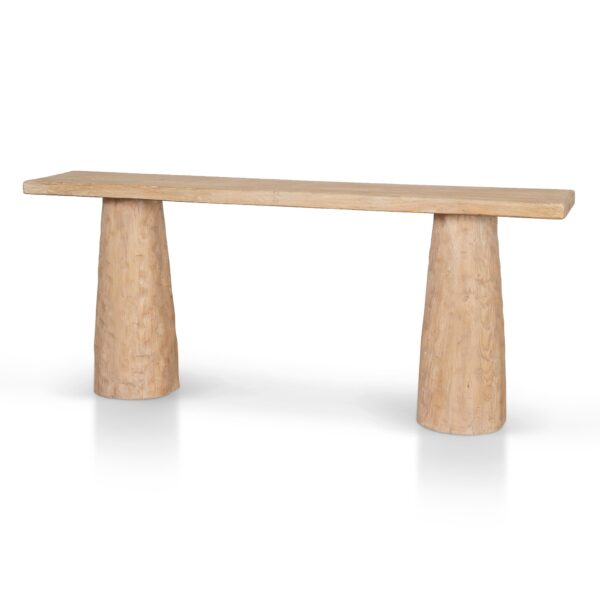

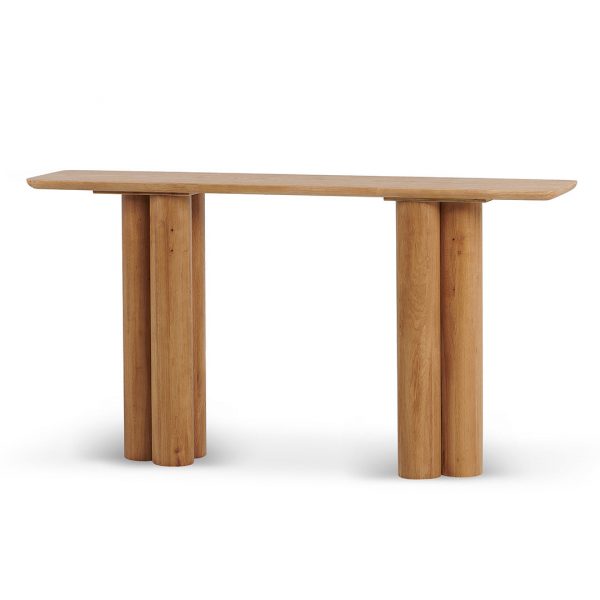
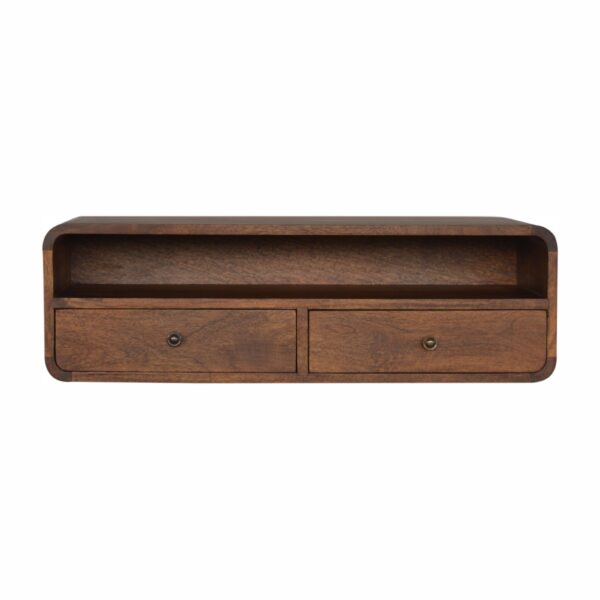
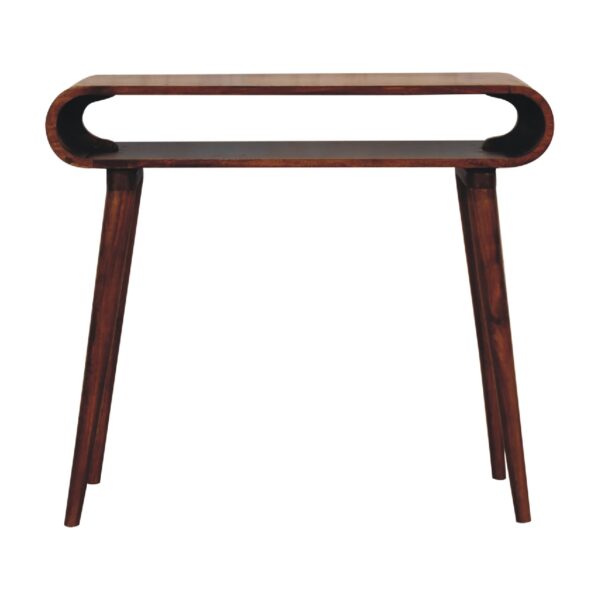
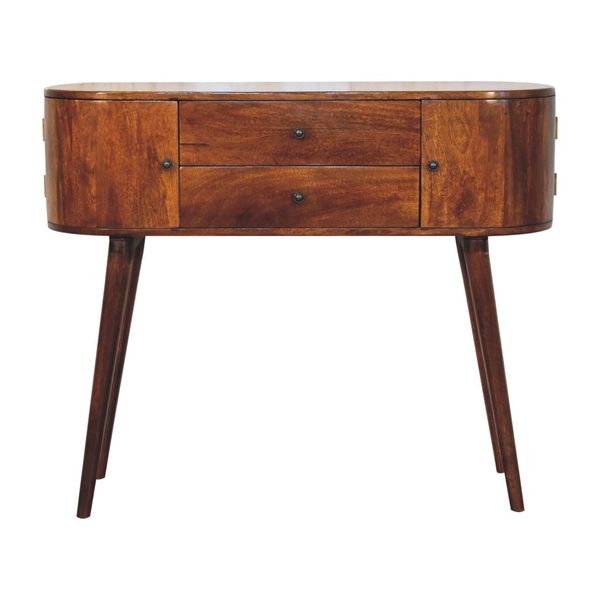

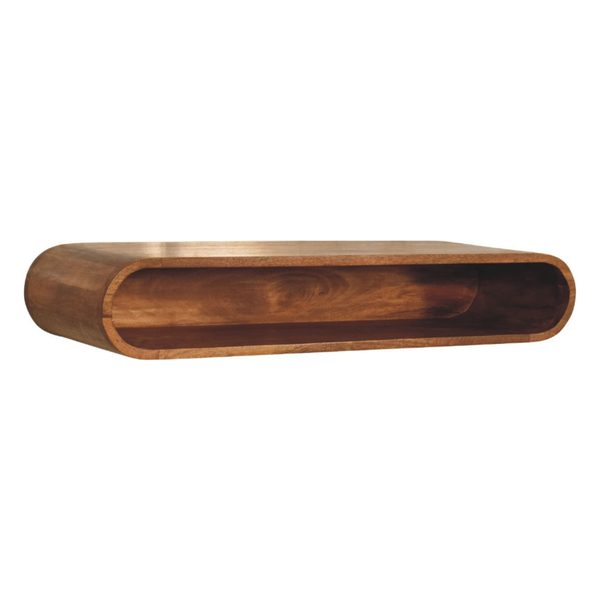
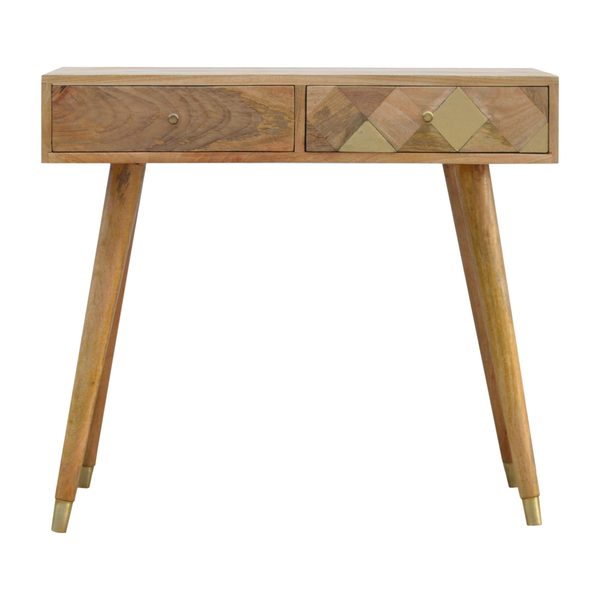
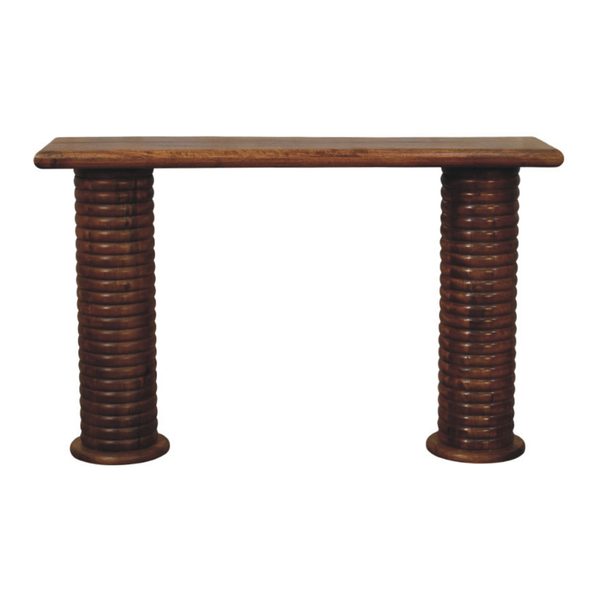


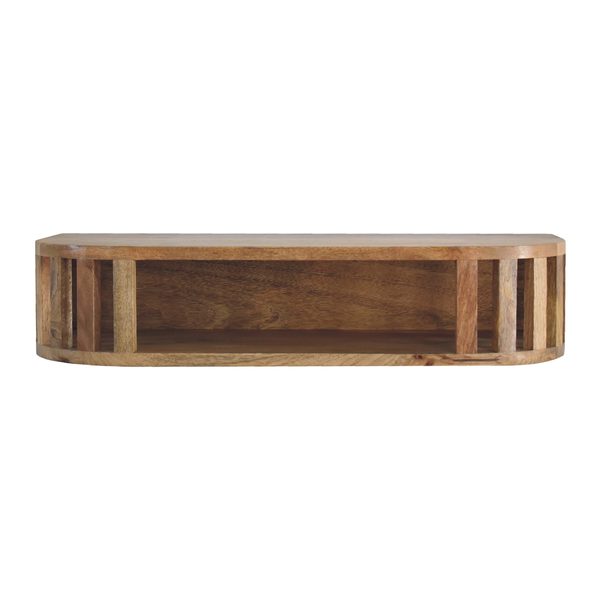
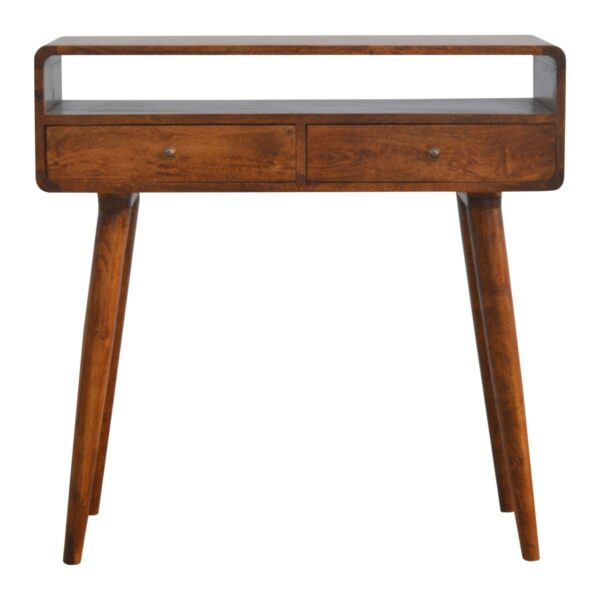
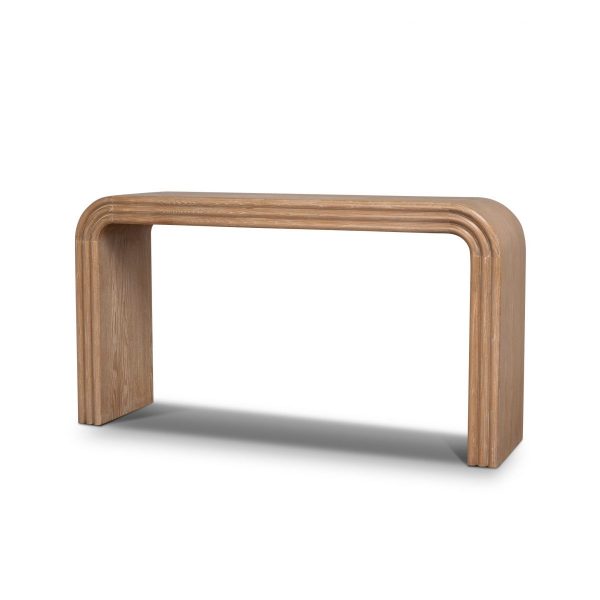
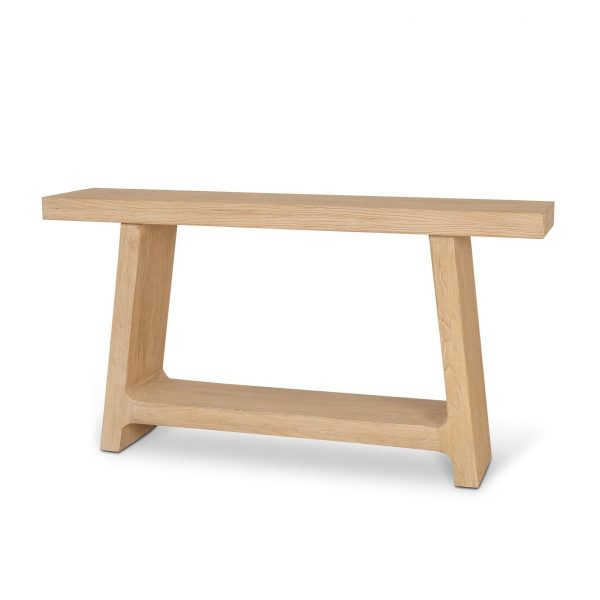
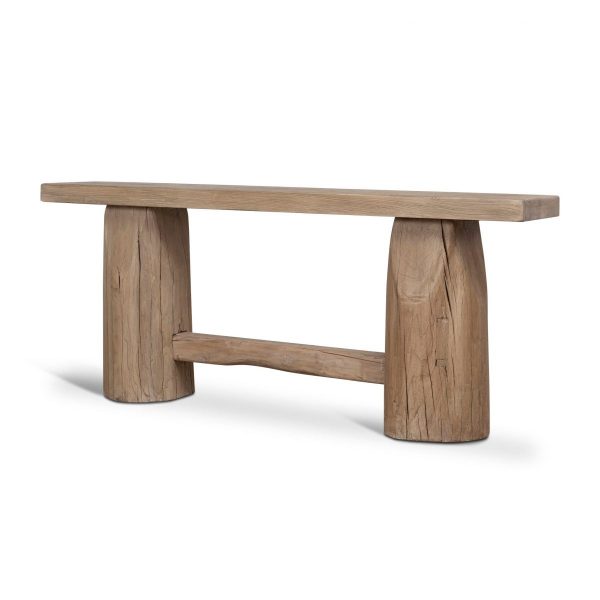
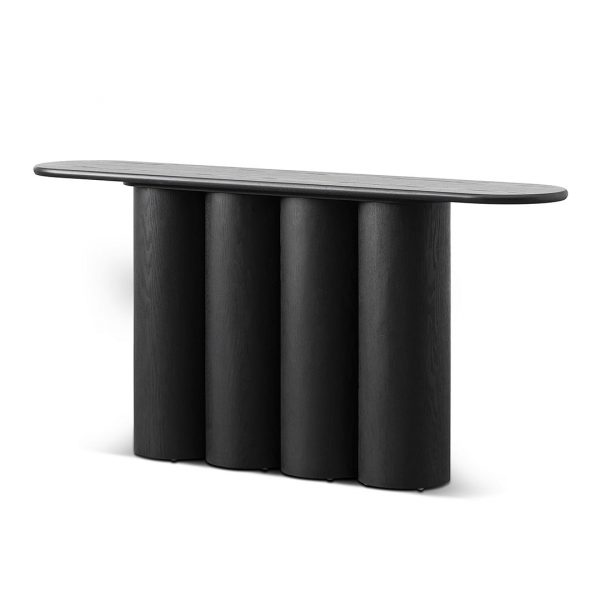
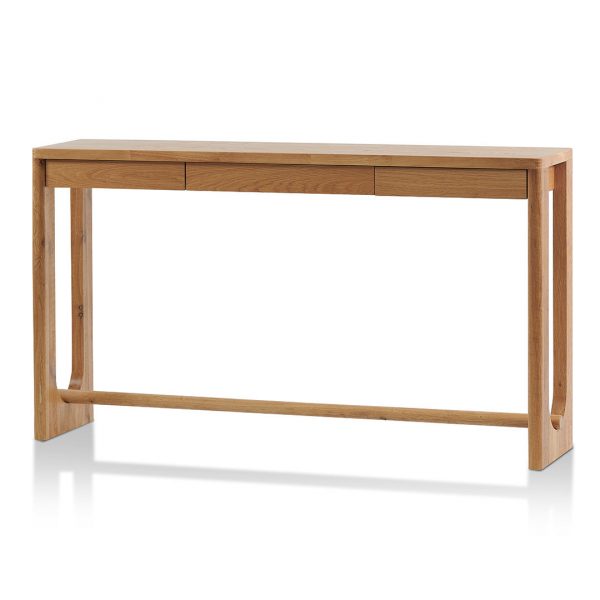
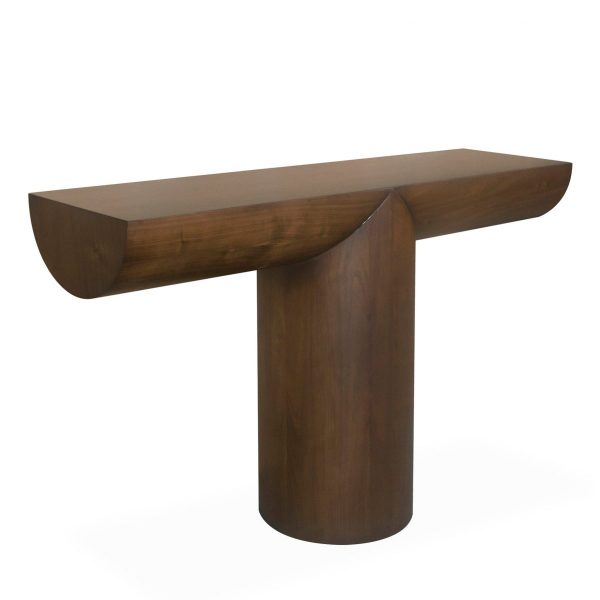
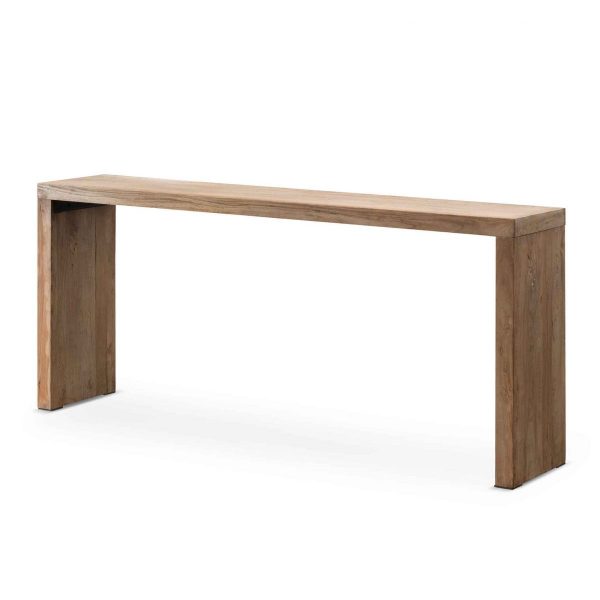

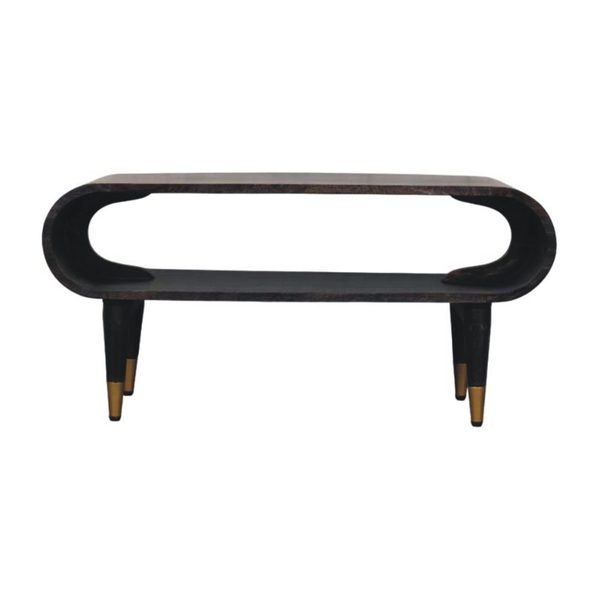
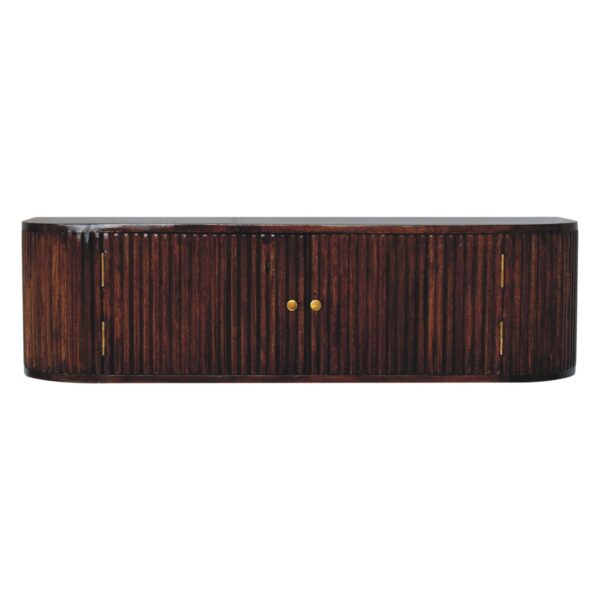
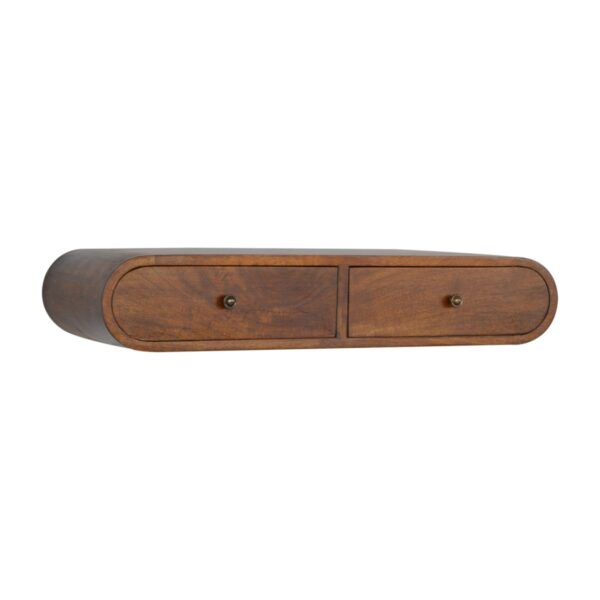
Measure the full distance from wall to outer edge
Include skirting-board effects, any top overhang and projecting handles. The base may be shallower than the complete form, so use the maximum practical projection for the room plan. Check nearby door movement and routes while the space is occupied.
Width and height remain separate measurements. A long shallow table can solve a depth problem but still fill too much wall span. Compare hallway tables when arrival and passage are the main purpose, with actual dimensions beside the label.
Keep the shallow top useful for real objects
Lay out the lamp base, shade projection and any tray or daily belongings within the stated usable surface. Irregular edges or curved tops can reduce working area near the perimeter. Objects should not need to be balanced at an edge to make the reduced depth appear practical.
Check socket access and cable position where lighting is planned. Leave a clear place to put something down without rearranging the display. If the surface cannot hold the necessary objects, reconsider the task or dimensions instead of choosing narrowness alone. The console should preserve room movement while still making its daily job easier, not transfer the space problem onto a crowded and awkward top.
Test storage and access in the open position
A shallow closed cabinet may still need forward room for drawers, or a door swing. Include that movement and the position where you stand to use it. Compare console tables with drawers by actual opening travel rather than assuming reduced depth guarantees convenient storage.
Shelves need usable openings and removal space even without moving fronts. Review console tables with shelves with intended contents in mind. Read material care, assembly and supplied fixing instructions once the fit works.