
Console Tables with Shelves
Console tables with shelves create another usable level below the main surface. That can suit objects you want to see or reach directly, but the shelf must fit the actual contents and their removal. A basket, books and a decorative object make different demands on height, depth and access.
Read moreRead less
Open storage also becomes part of the room’s appearance. Decide what belongs there instead of using the extra level as an unlimited landing place. This guide helps compare shelf capacity with a clear top and practical room movement. Browse any listed pieces with the intended objects in mind, or review the wider console tables category to assess another storage arrangement for the same location.
Showing all 14 resultsSorted by recommended
-
-
On SaleOriginal price was: $1,903.00.$1,675.00Current price is: $1,675.00.
-
On SaleOriginal price was: $676.00.$642.00Current price is: $642.00.
-
-
-
-
-
-
-
-
-
-
-
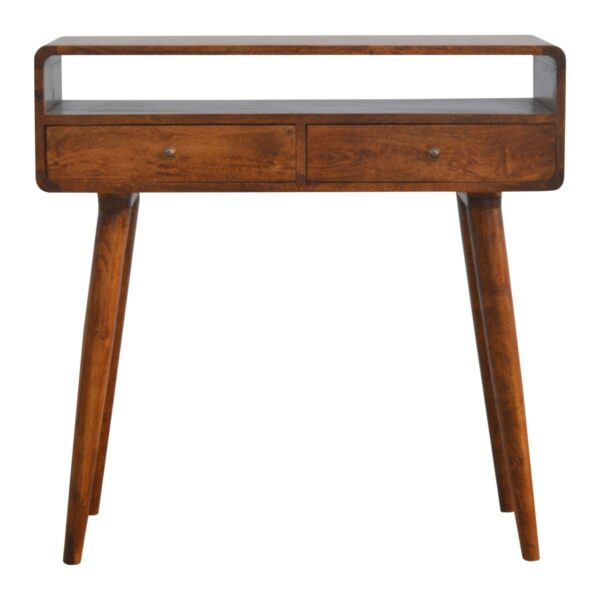

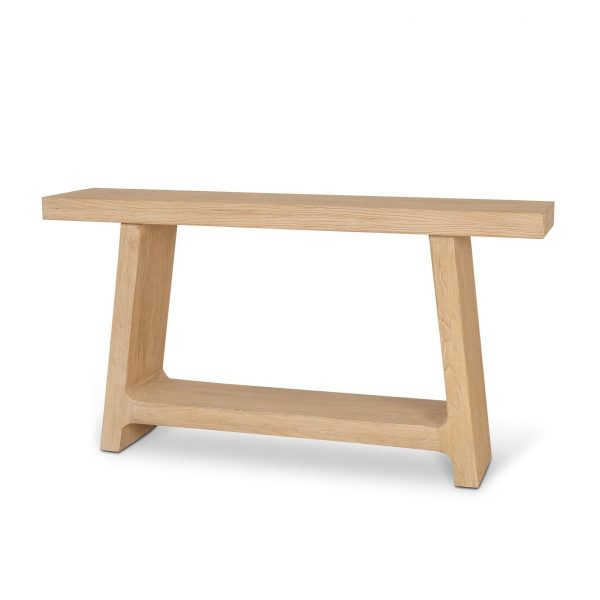
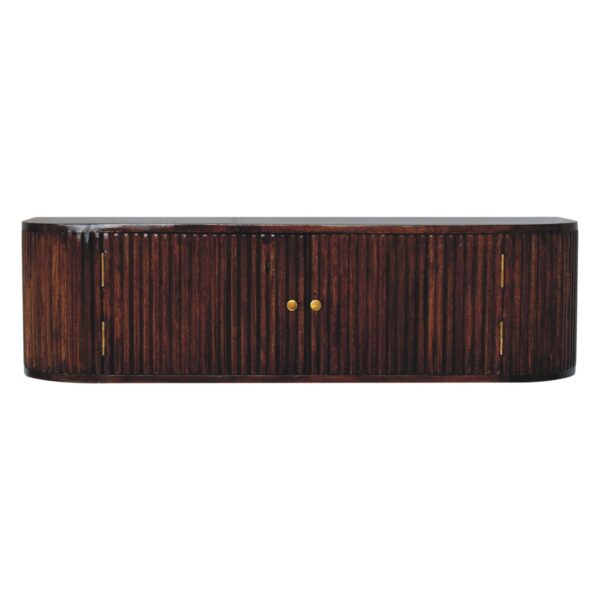

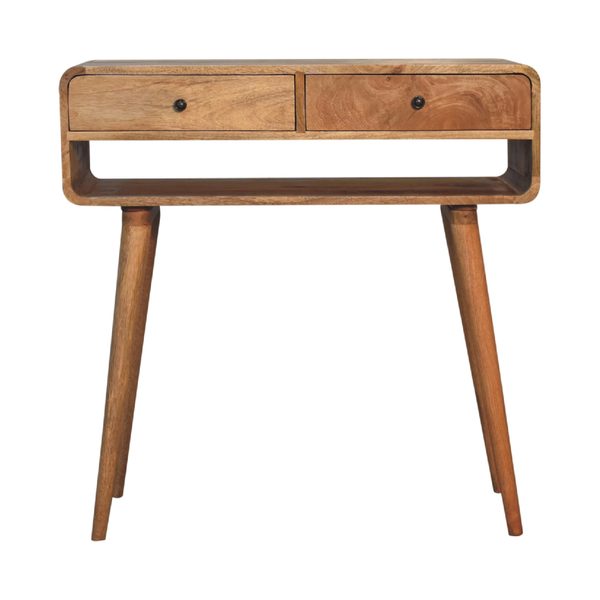
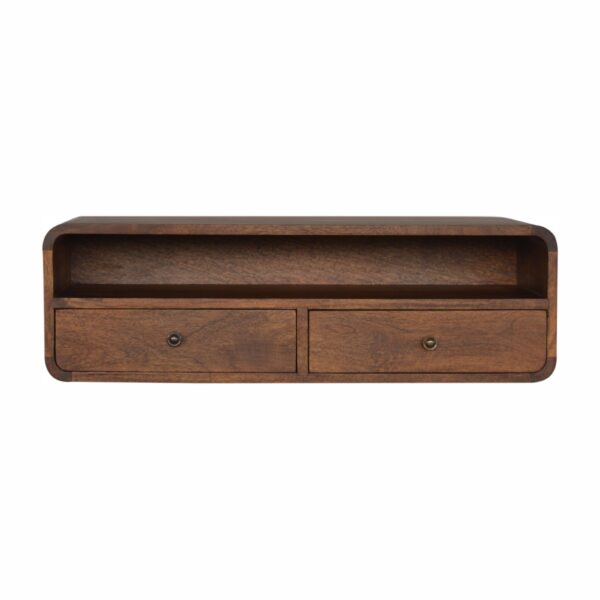
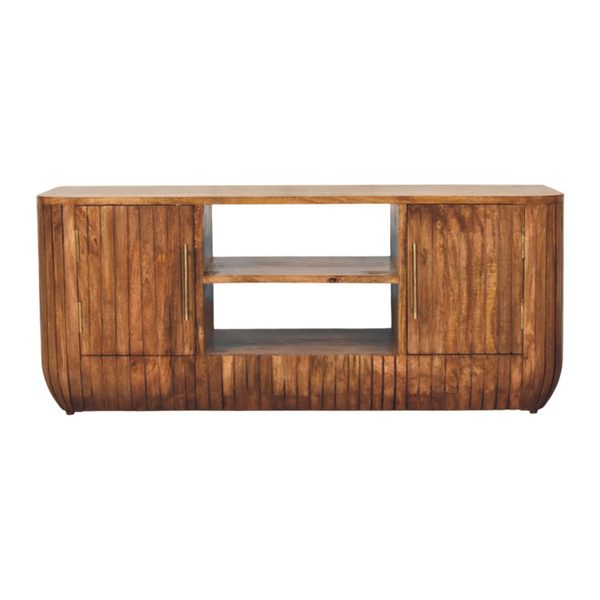
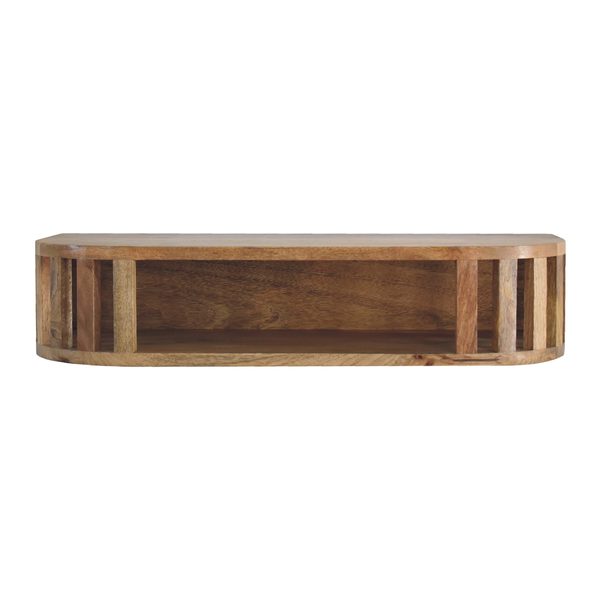

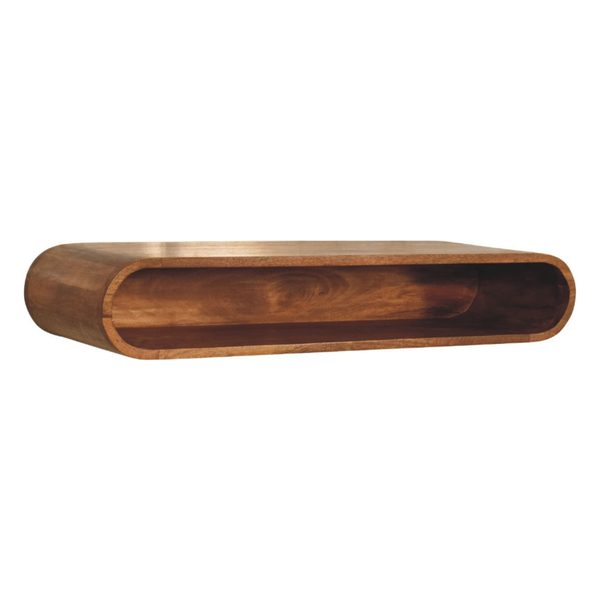
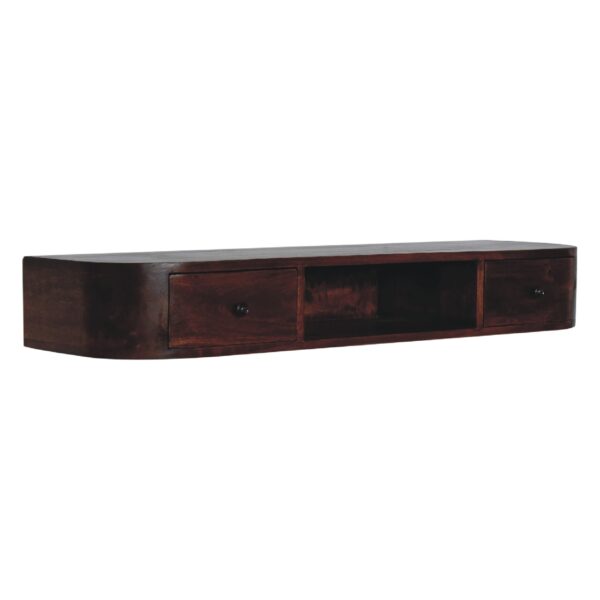

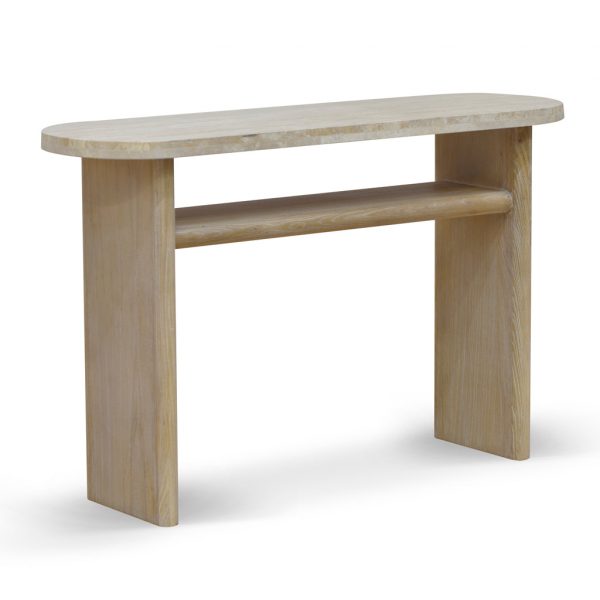
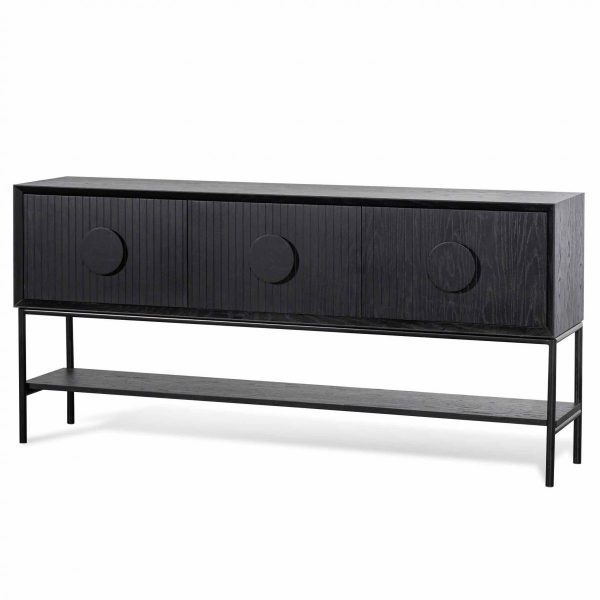
Measure the usable opening and the object
Include basket handles, book height or any part that extends beyond the main object. Compare the actual shelf opening, not only the cabinet’s outer height. A rail or drawer above may reduce usable space even when the console appears substantial.
Check shelf depth and any sides or back. These details affect how objects sit and whether support is needed for upright books. Follow the item’s stated load and use guidance rather than inferring capacity from a solid-looking shelf. Ask about missing measurements where a particular basket or display must fit. The useful shelf is chosen around real contents, not merely the extra level shown in a photograph.
Keep open storage clear enough to use
Assess the shelf from the room entry and at the height where you approach it. Visible objects contribute to the console’s outline; several loose belongings can make an open base feel busier than expected. Decide which items deserve display and which need concealment.
Compare console tables with drawers when hidden storage is the priority. Check whether the open shelf can be reached comfortably and whether objects lift out without meeting the top or nearby wall. For a restricted passage, review narrow console tables with full shelf depth included. Open access is useful only when the contents can be retrieved without making the route awkward.
Plan the top and lower level as separate surfaces
A lamp or arrival items can stay on the top while occasional objects occupy the shelf. Keep each level purposeful rather than doubling the display simply because another surface exists. Check socket access and protection under top objects where the actual finish requires it.
Leave access for clearing the shelf and maintaining the base. Follow care guidance for each component, especially on mixed-material furniture. Read assembly and supplied fixing instructions too.