
Benches
Benches give several rooms a useful place to sit, but the job should come before the shape. An entrance seat needs room for putting on shoes, a bedroom bench must leave a route past the bed, and dining seating has to work with a table. One attractive bench should not be assumed suitable for all three uses.
Read moreRead less
Start with the person using it and the space around them. Compare usable seat height, length and depth, then check the stated construction and intended use. Bedroom benches, entryway benches and dining benches help narrow those different purposes. This category is the broader starting point, so browse by the job you need the piece to do before settling a material or colour.
Showing 25–45 of 45 resultsSorted by recommended


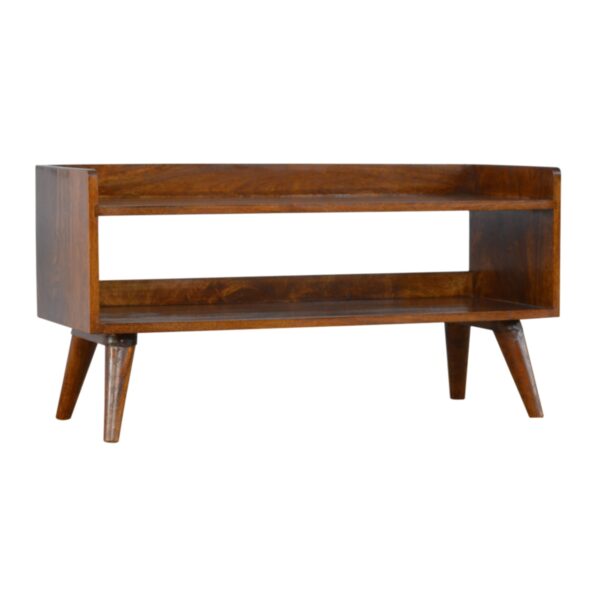
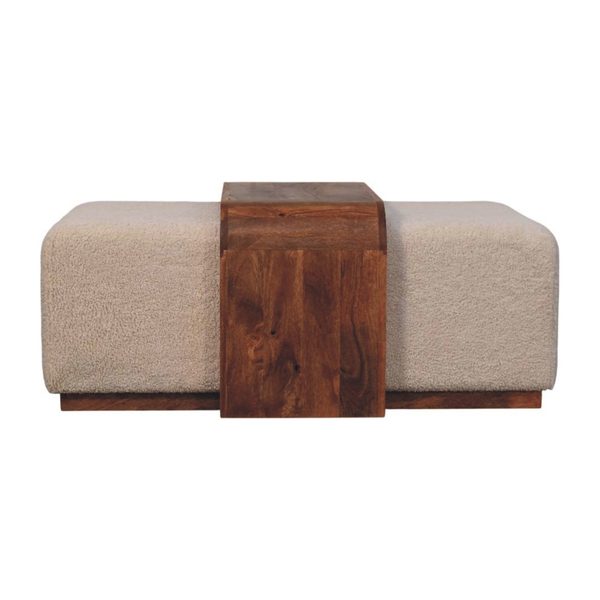


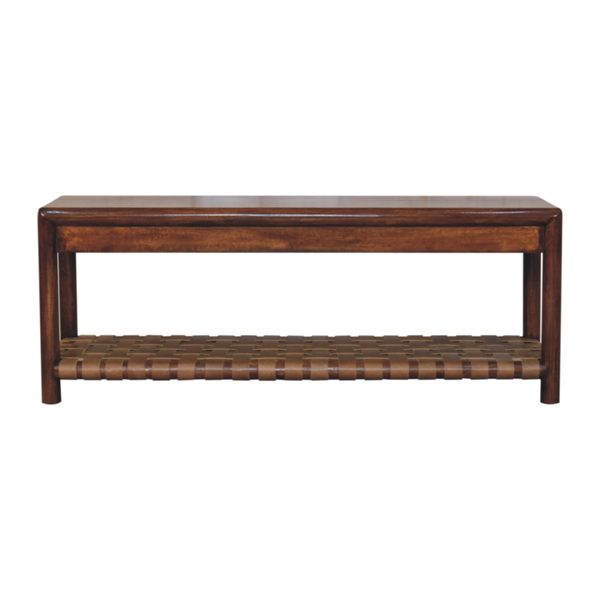
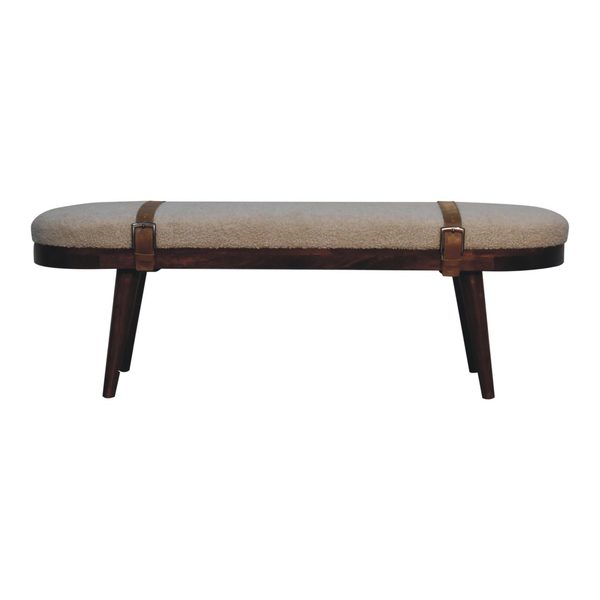
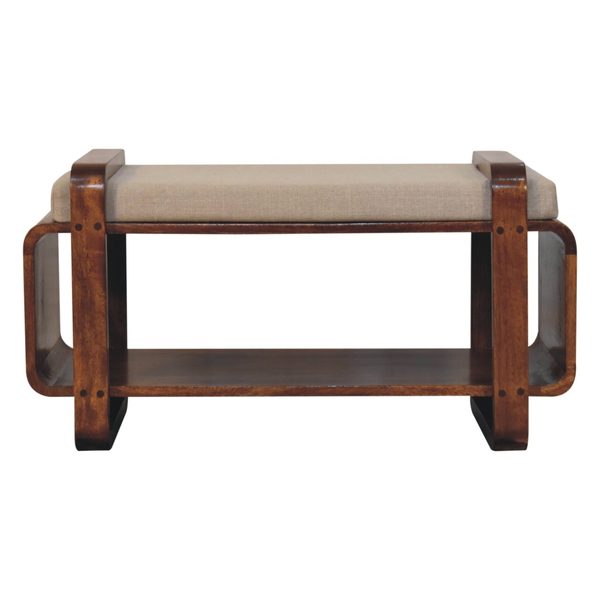
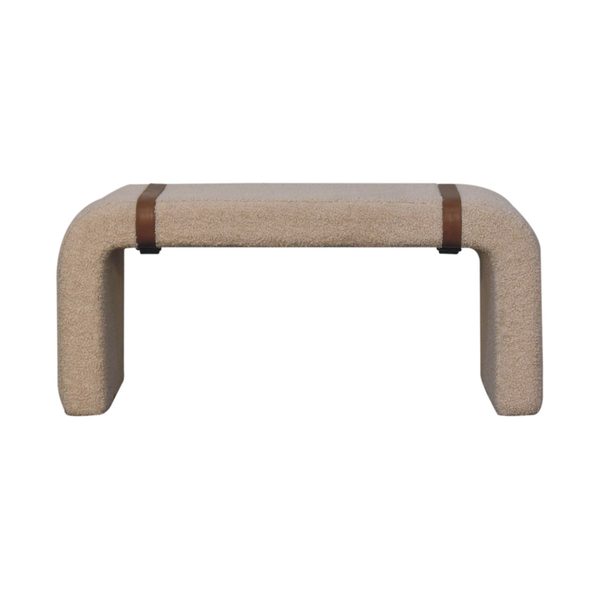

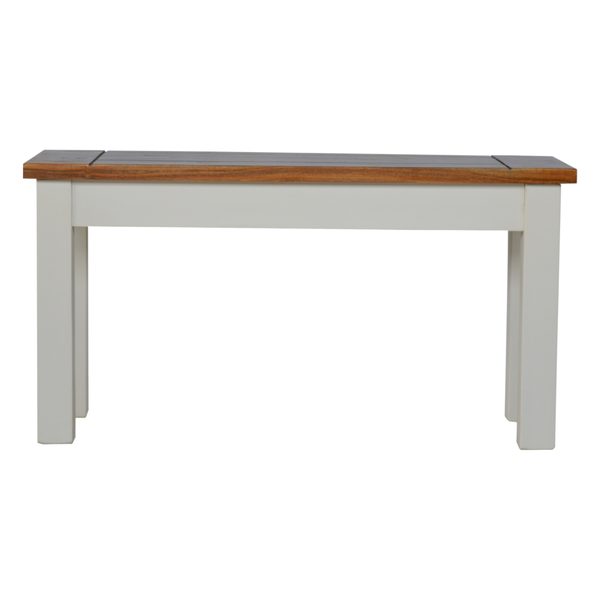
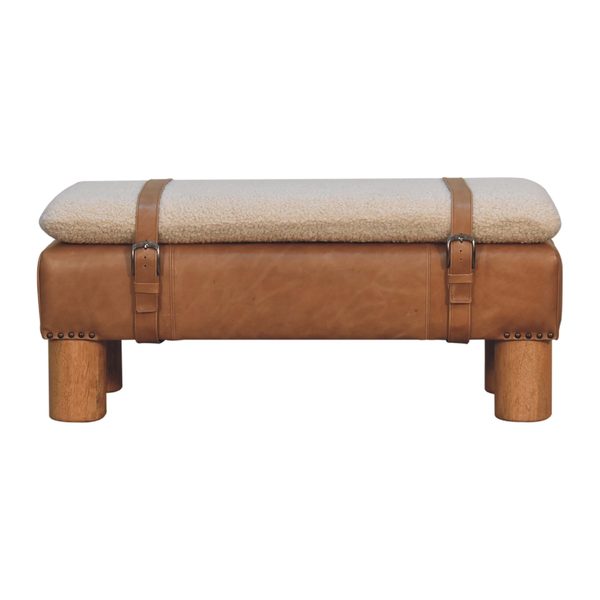

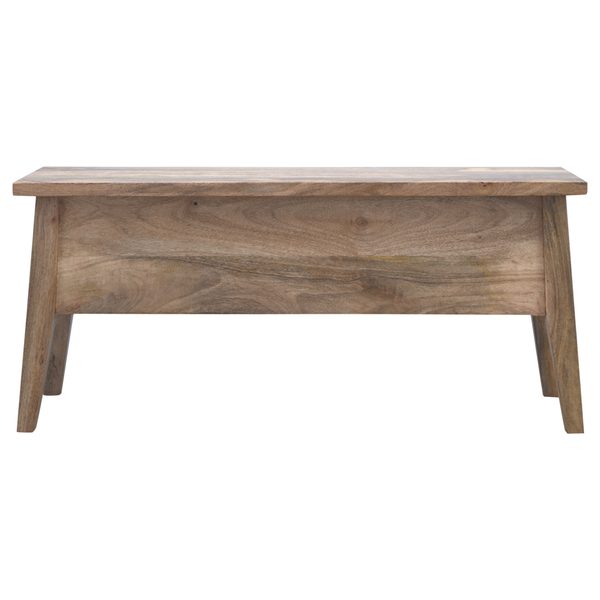

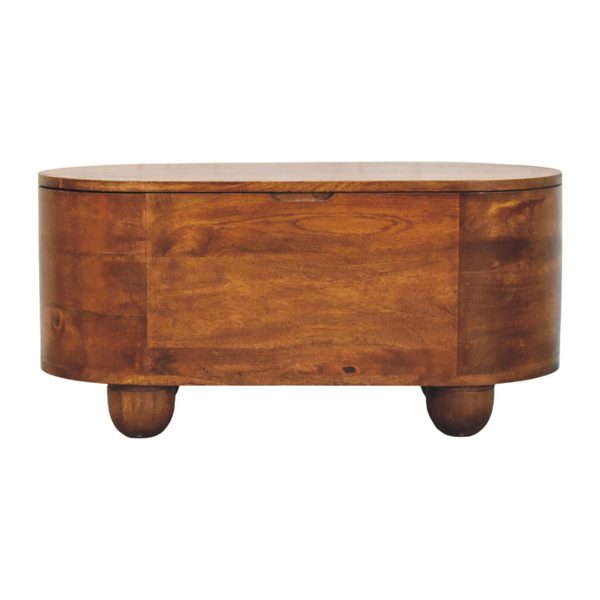
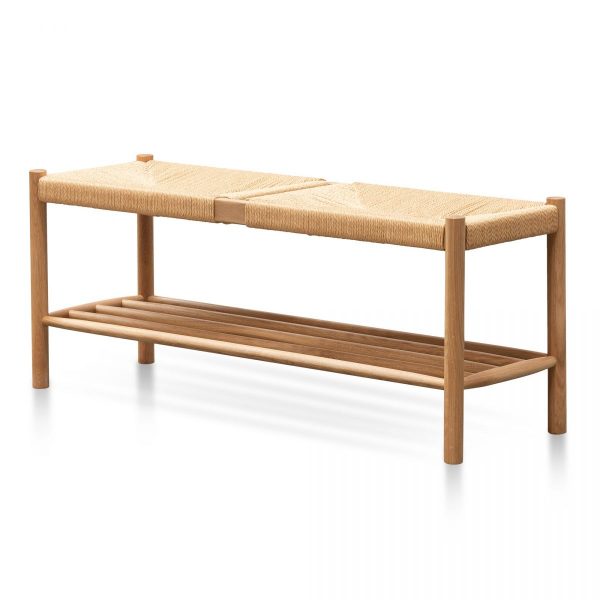
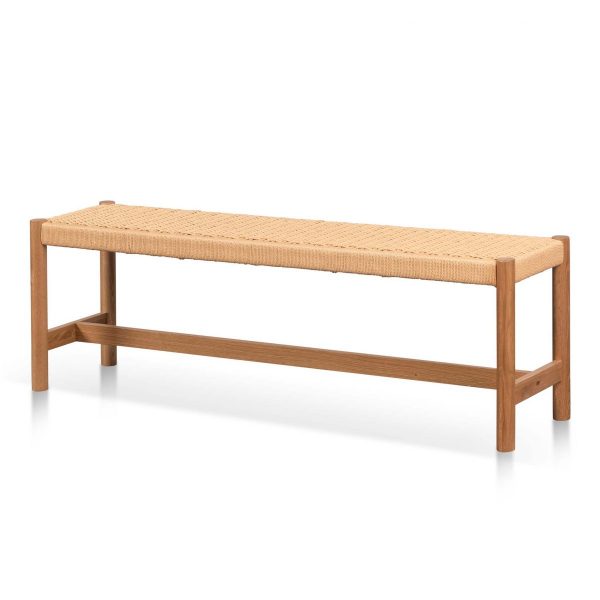
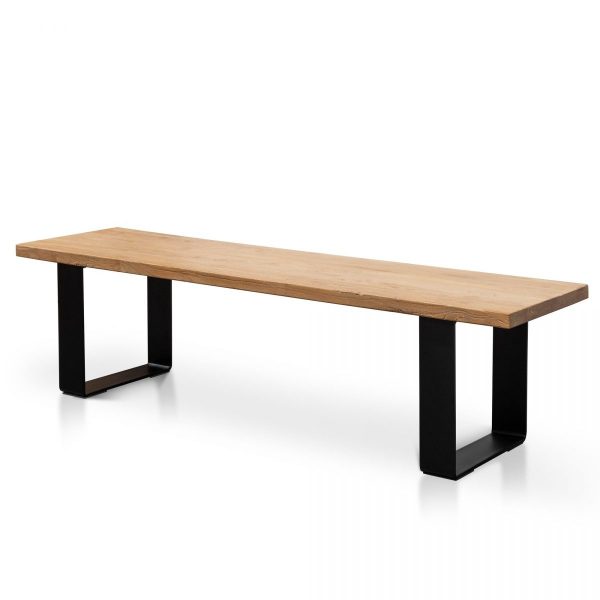
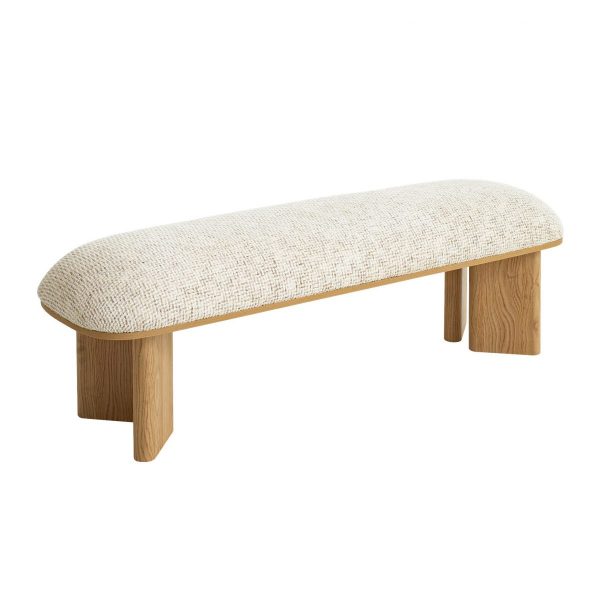
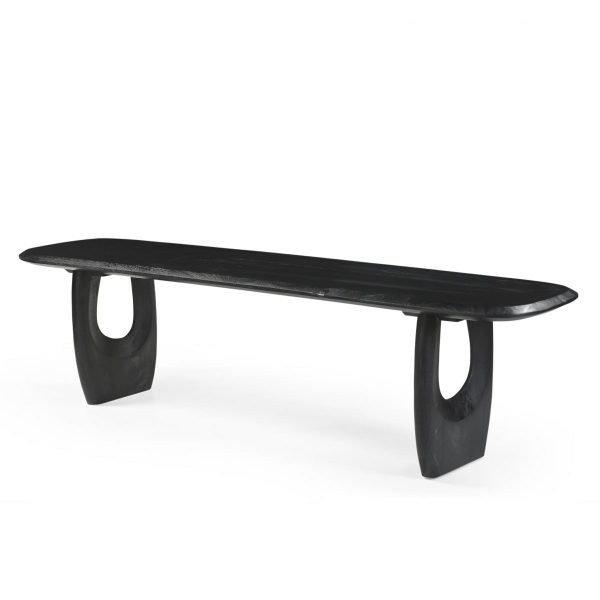
Which everyday task should your bench make easier?
In an entrance, a bench can provide a seated pause while shoes or bags are organised. In a bedroom, it may support dressing or sit at the foot of the bed. At a dining table, people need an appropriate relationship between the seat, tabletop and leg space. Check the product’s intended use before moving it between those roles.
List the main task and any secondary one. Do not assume storage, a lifting top or another feature is included simply because it would be useful. Read the actual description. A clear purpose makes it easier to compare height and depth, rather than judging all benches by the same long, low outline.
How much of the seat can people actually use?
Compare the usable seating surface with the overall length. Curved ends, raised sides or cushions can reduce the area available to sit. If more than one person will use the bench, include space between them rather than assigning seats from overall width alone.
Height matters differently for dressing and dining. Check whether feet can rest comfortably and whether the seat works with any table involved. A low decorative-looking piece may not suit a dining position. If tabletop fit is your priority, use the dining bench category for that focused comparison. The broader bench choice should lead to the right seating task, not force a room to adapt to an unsuitable proportion.
Where does the bench leave room to move?
Mark both the bench footprint and the space a person needs to approach and sit. A hallway route can be clear beside an empty bench but crowded when someone bends to put on shoes. At the foot of a bed, include access to drawers, bedding and nearby doors.
Compare the full base as well as the seat, because legs may extend beyond it. Then choose the surface according to contact and care in that location. Upholstered benches focus on padding, while timber benches concentrate on wood construction. Neither material establishes a room use by itself. Keep purpose, occupied space and stated care working together in the final choice.
Frequently Asked Questions
If you need a smaller individual upholstered seat rather than a shared bench, compare ottomans with the intended use and support details kept separate.