
Walnut Veneer Dining Tables
Walnut veneer dining tables can add timber depth across the main dining surface. Confirm the actual finish tone rather than assuming every walnut face has the same brown. Veneer describes a layer of wood over a supporting material, so it should not be confused with a claim that the complete table is solid walnut.
Read moreRead less
The broad top, edge and base all affect how much dark material the room sees. Compare those parts with the floor and chairs, then assess usable seating and care. This guide helps you judge the walnut face in a practical setting. Browse any listed pieces, or review oak veneer dining tables as another specifically veneered construction.
Showing all 23 resultsSorted by recommended
-
On SaleOriginal price was: $2,532.00.$2,228.00Current price is: $2,228.00.
-
-
-
-
-
-
-
-
-
-
-
-
-
-
-
-
-
-
-
-
-
-
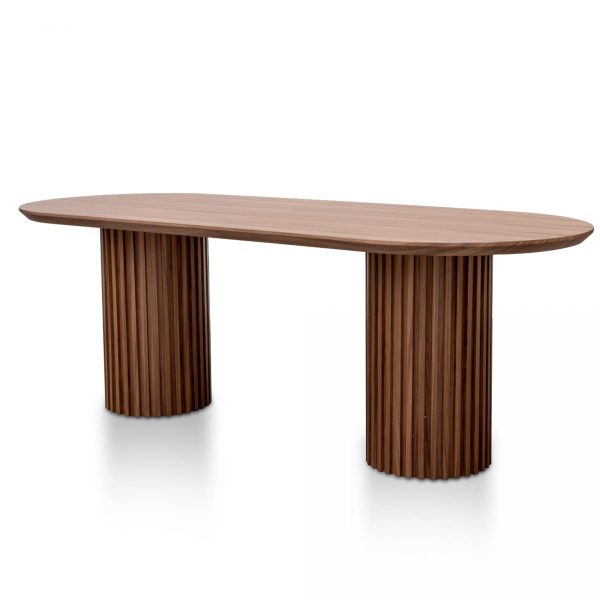

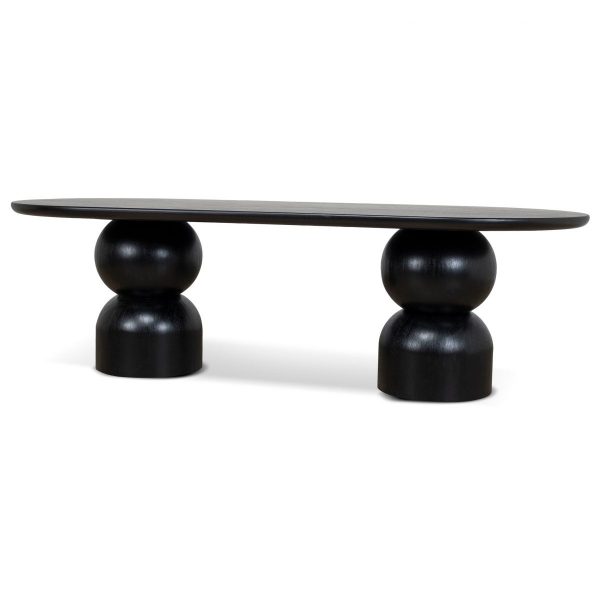
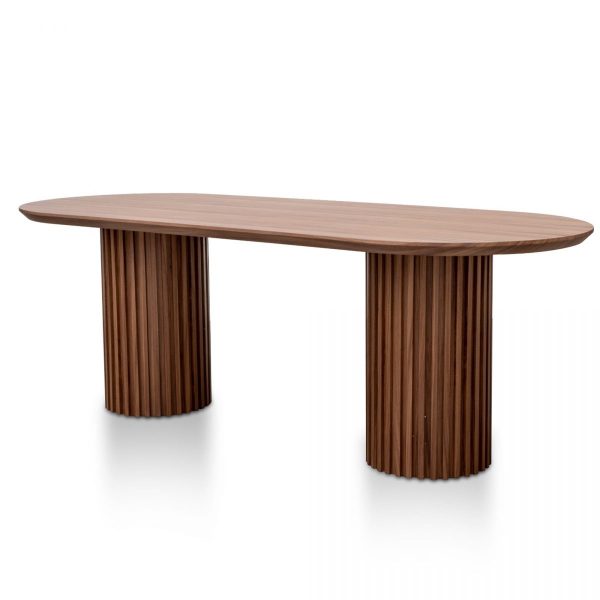
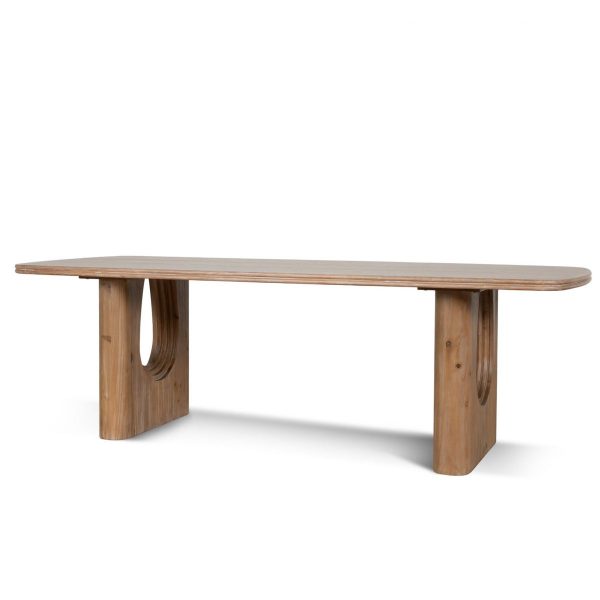

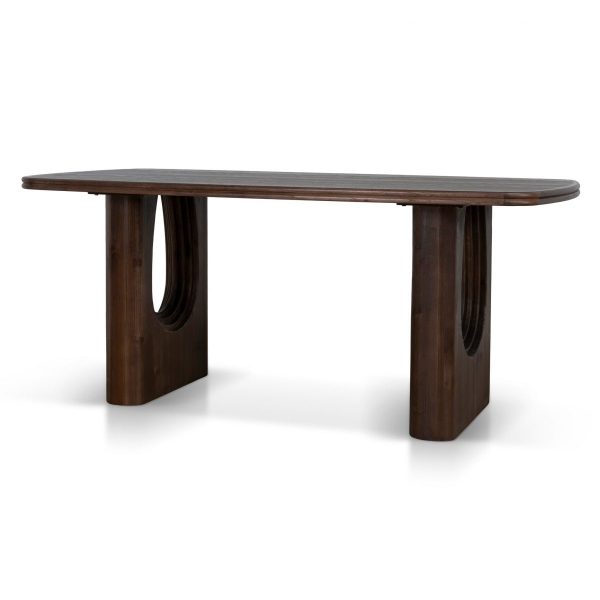
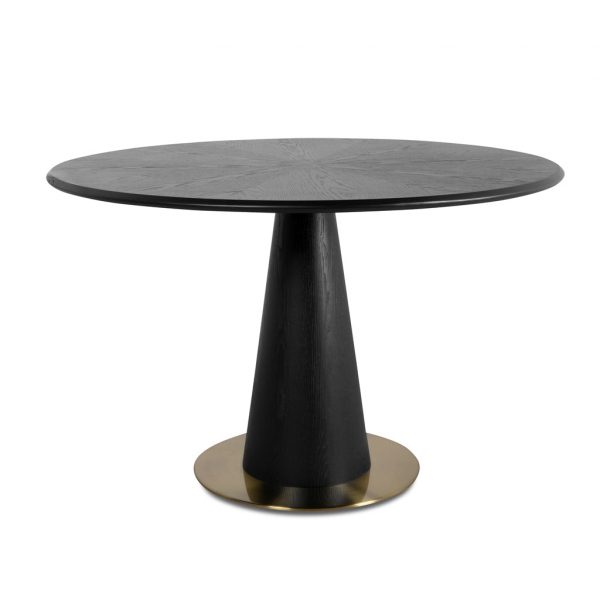

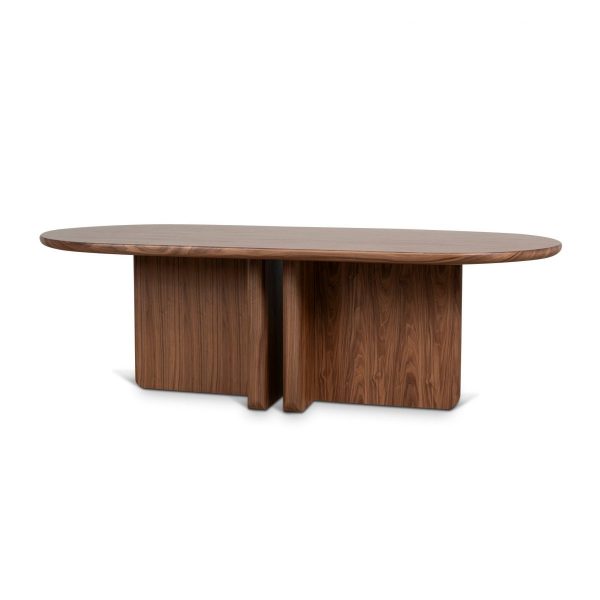

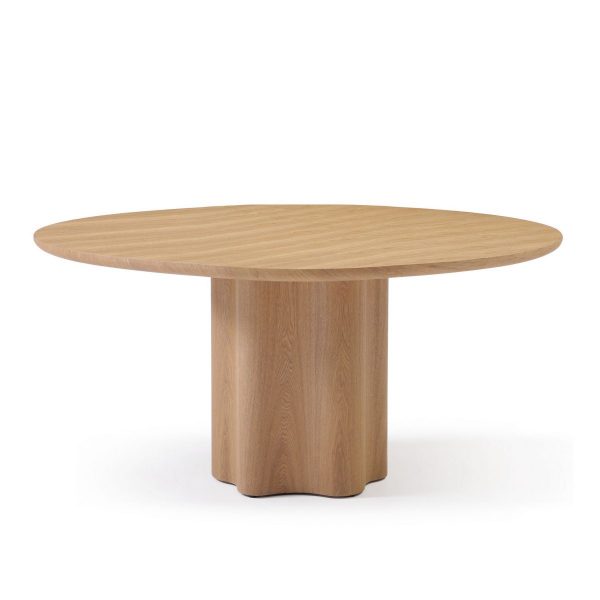
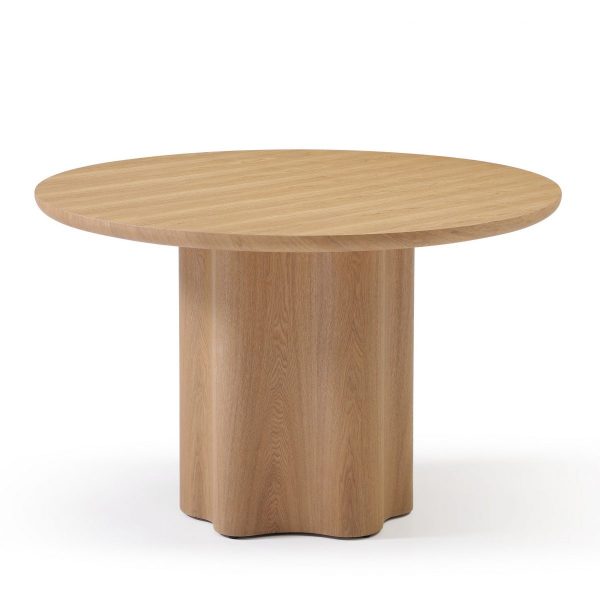
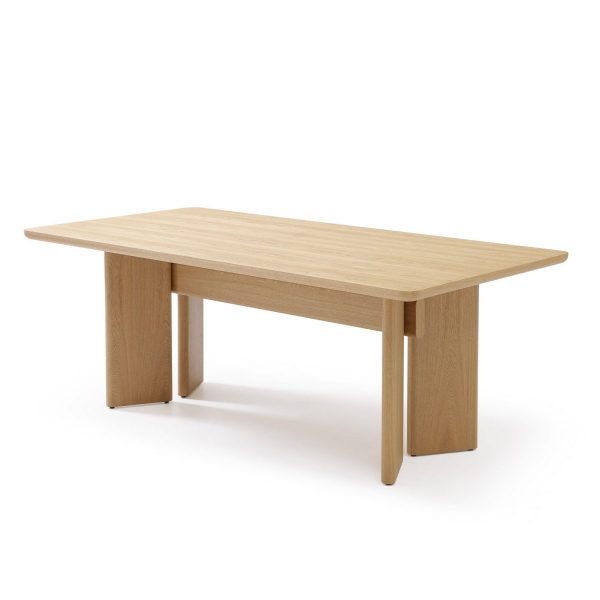
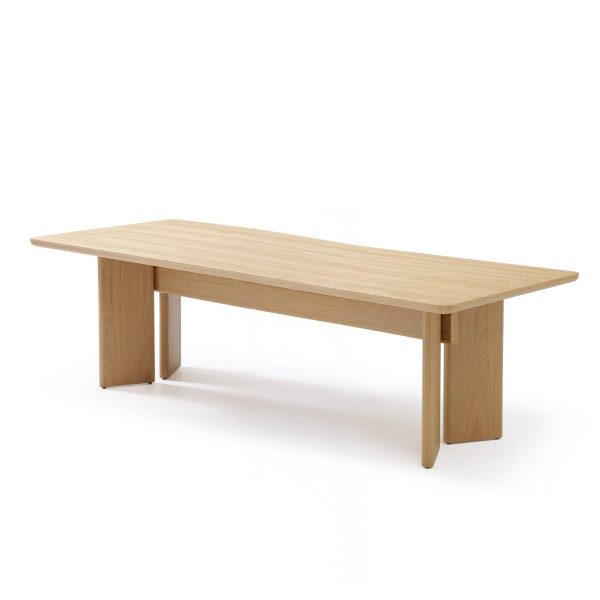
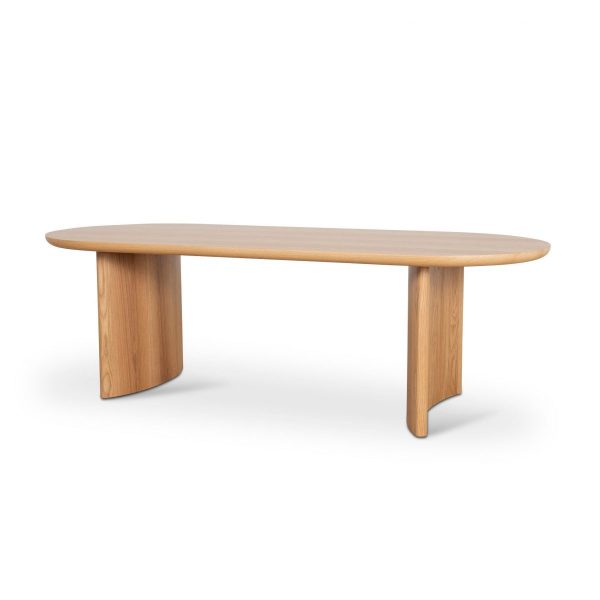
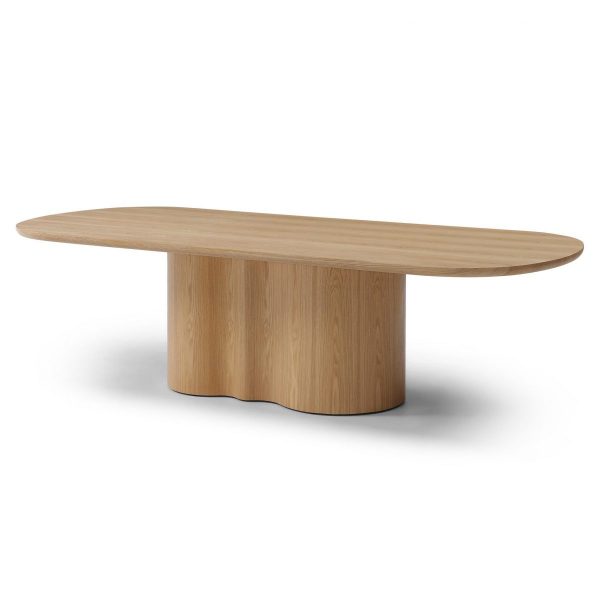
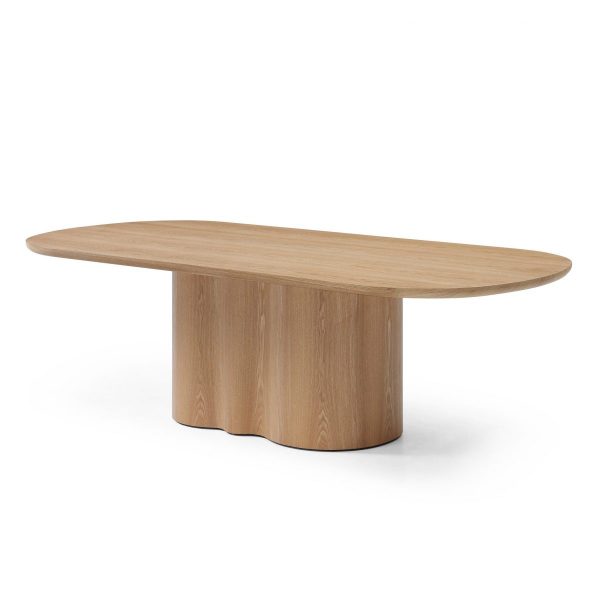
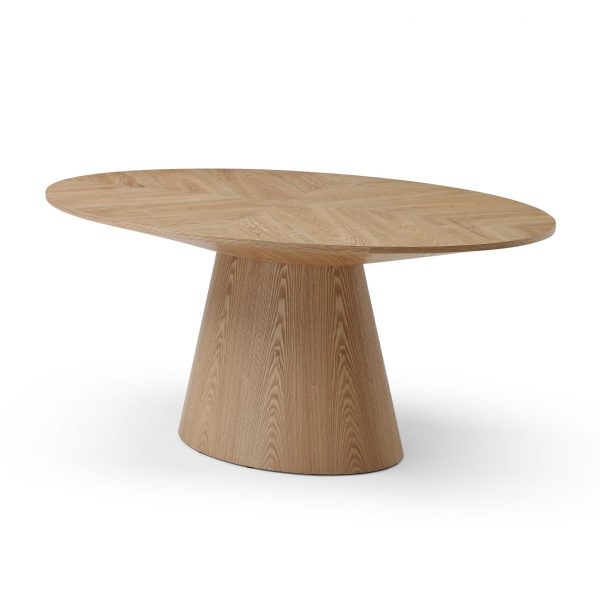
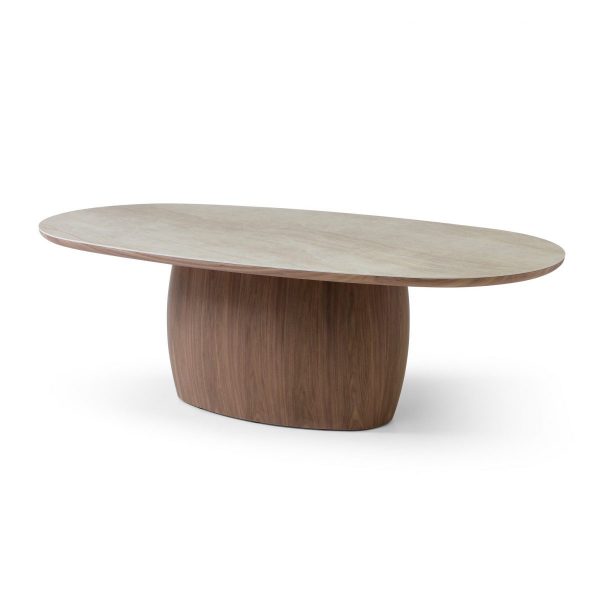
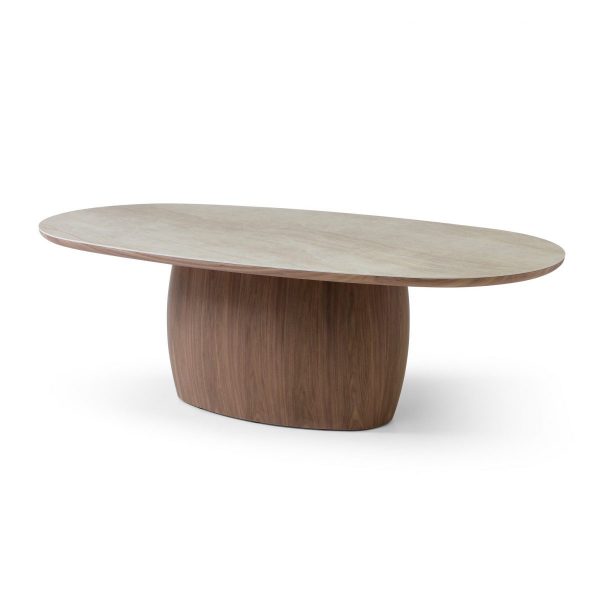
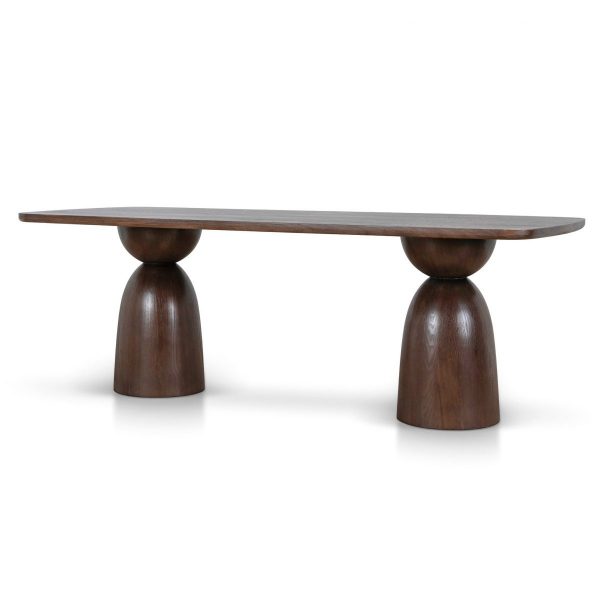
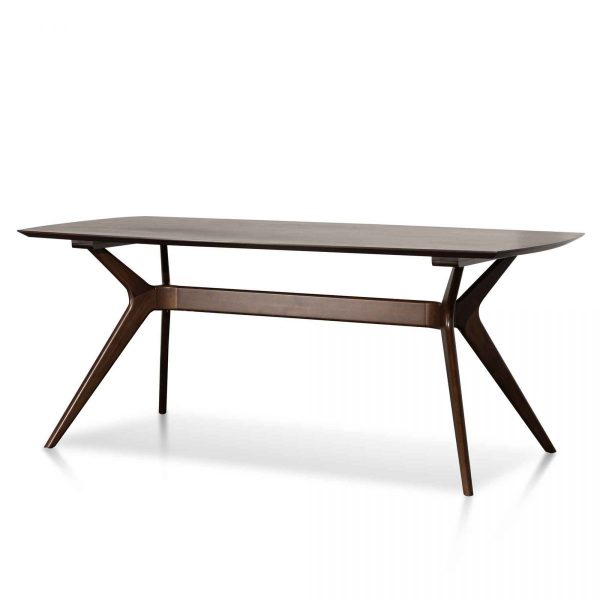
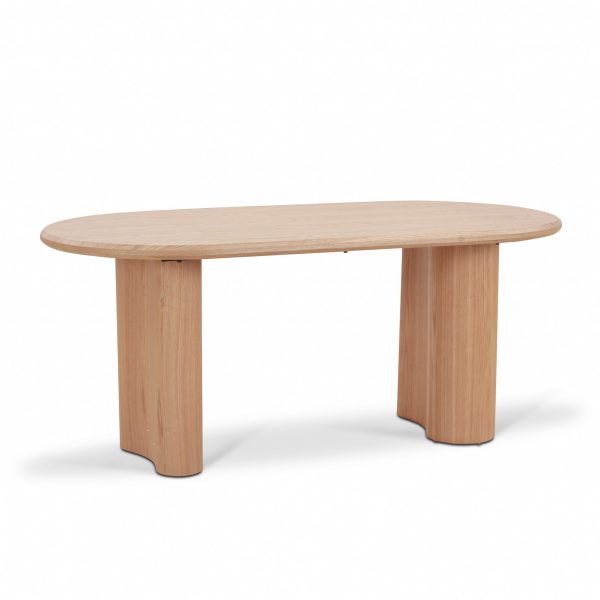
Confirm what the walnut veneer covers
Read the top, edges, supports and other components separately where provided. A walnut-faced surface may sit with another base material, while some parts may have their own timber specification. Ask about substrate and finish details when construction is central to your reason for buying.
Look at grain direction and how surfaces meet along the edge. Those details are visible across a dining plane and at hand contact points, but photographs cannot establish veneer thickness or suitable later refinishing. Keep the actual breakdown in your notes.
Balance a darker dining plane with the floor
Compare the finish with chairs and floor under the room’s light. A deeper top can define the dining area against pale surroundings, but may sit differently above a dark timber floor. A clear difference in texture or lightness can give each surface its place.
Include the base’s visible area, since it may connect more closely with chair legs than the top does. Use dining chairs while checking supports and underside clearance. For a wider visible-wood comparison, review natural timber dining tables and look for an actual finish that gives the contrast you want with the floor. Choose the relationship deliberately rather than expecting a shared timber label to make every shade compatible.
Care for the finished veneer during meals
Follow the product’s instructions for drinks, serving objects and cleaning. Do not assume a darker wood face hides all marks or can be sanded like a thick solid board. Veneer, substrate and coating together determine appropriate treatment.
Plan any required protective bases within the usable tabletop space. Check the occupied chair arrangement and room routes separately from the material’s visual depth. The broader dining tables category helps compare practical forms if the preferred veneer appears on an unsuitable footprint. Confirm assembly guidance too.