
Oak Veneer Dining Tables
Oak veneer dining tables offer an oak surface within a construction that may use another material beneath it. Veneer describes a layer, so it should not be confused with a claim that the whole table is solid oak. The top, edge and base can each have their own specification.
Read moreRead less
At dining scale, grain and edge treatment are clearly visible and repeatedly used around plates, serving objects and hands. Compare those details with care for the actual finish, then check chair and room fit. Use the guide to compare the oak surface and supporting construction against daily dish contact and chair fit. Browse any listed pieces, or review timber dining tables for another wood-construction comparison.
Showing all 24 resultsSorted by recommended
-
Week’s PickOriginal price was: $3,189.00.$2,647.00Current price is: $2,647.00.
-
-
On SaleOriginal price was: $3,239.00.$2,850.00Current price is: $2,850.00.
-
-
-
-
-
-
-
-
-
-
-
-
-
-
-
-
-
-
-
-
-
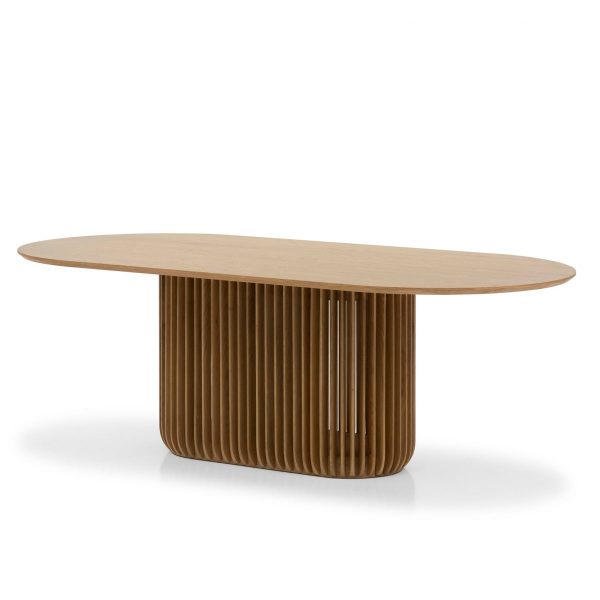

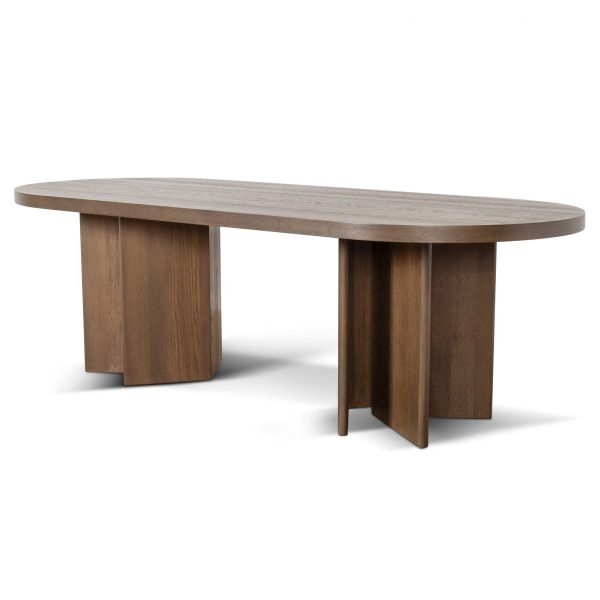
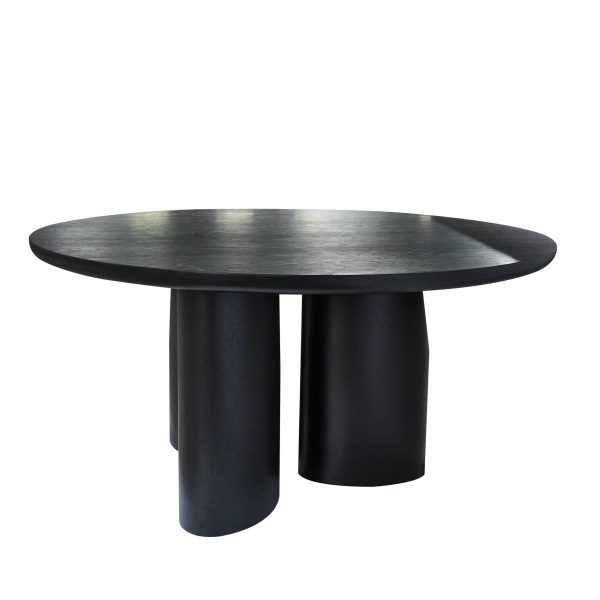
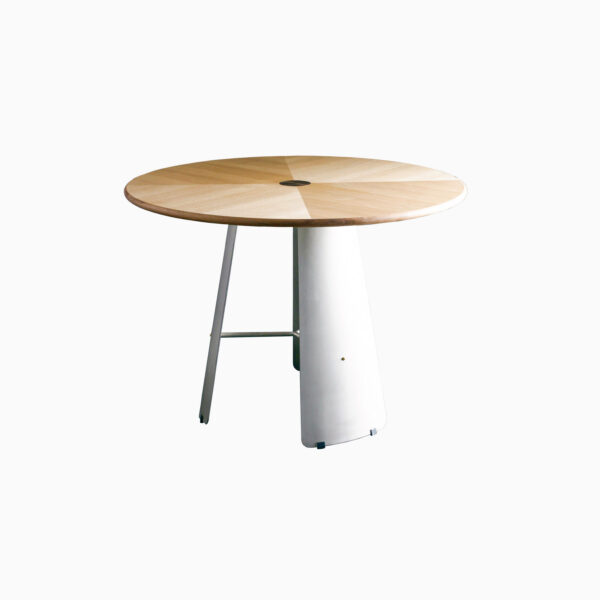
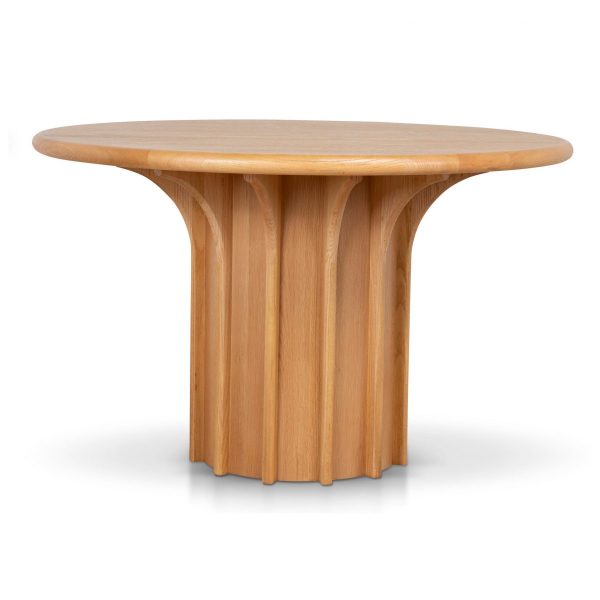
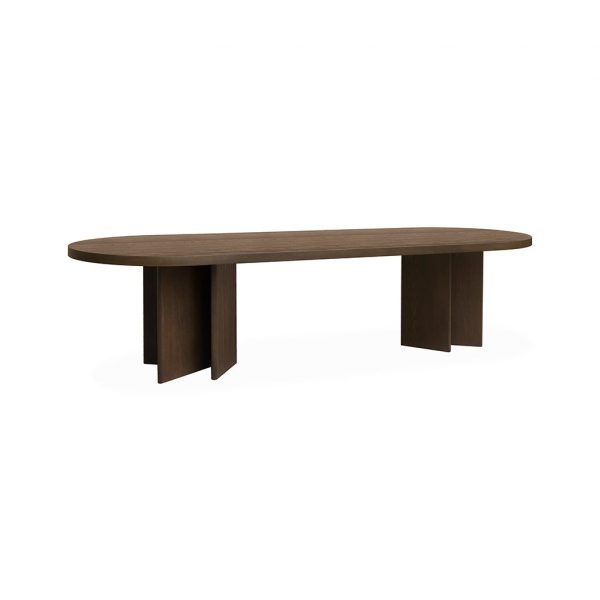
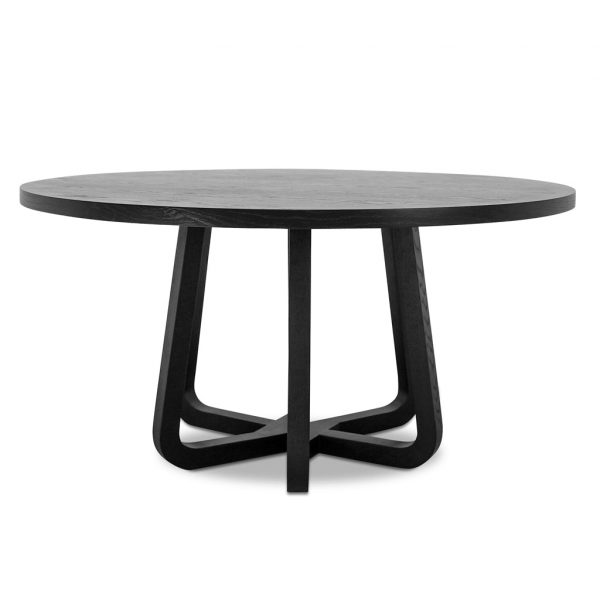


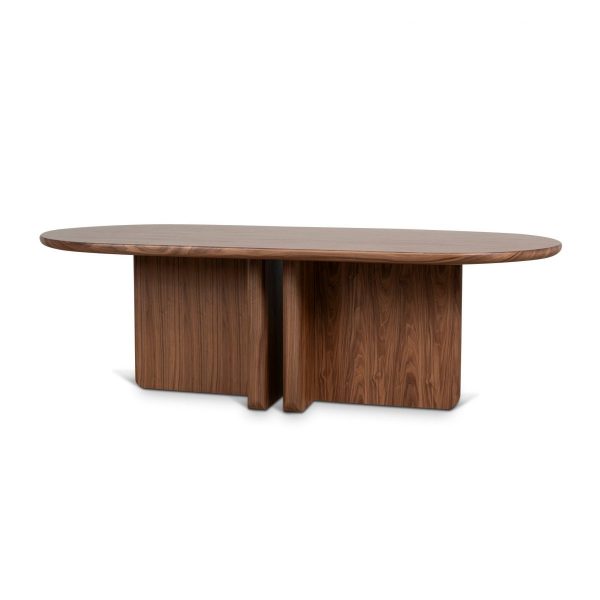
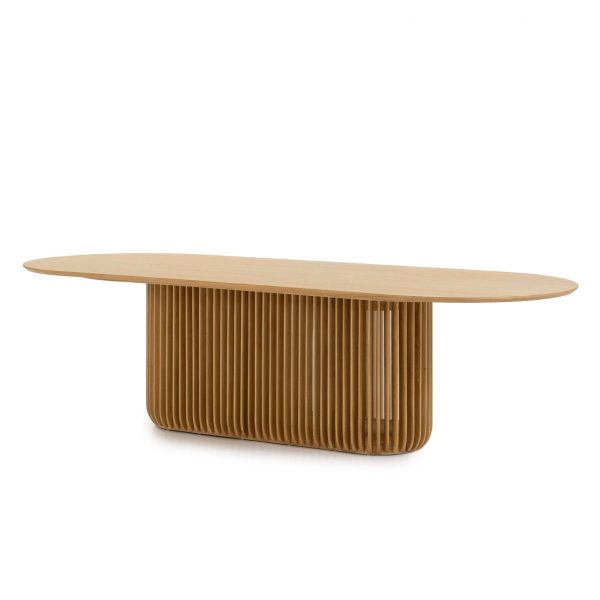
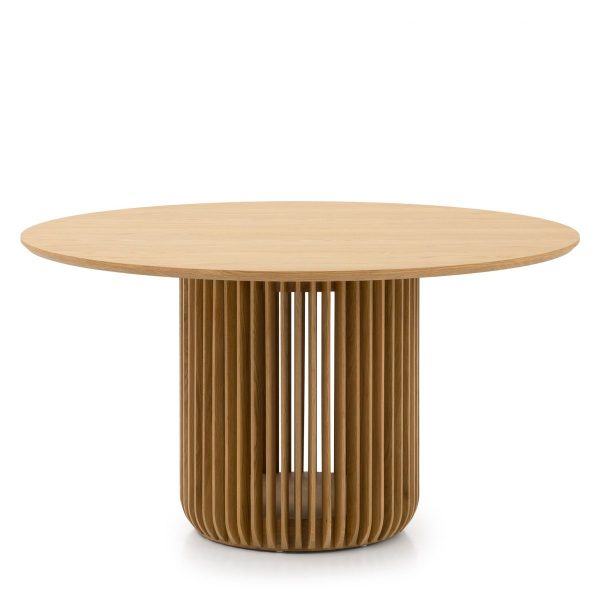
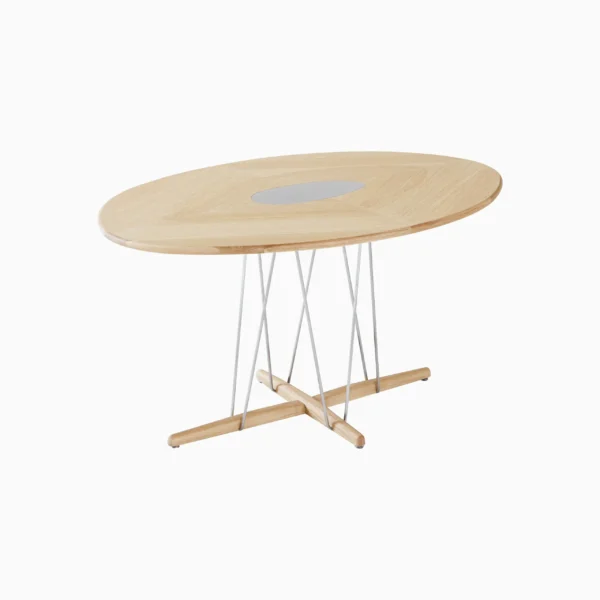
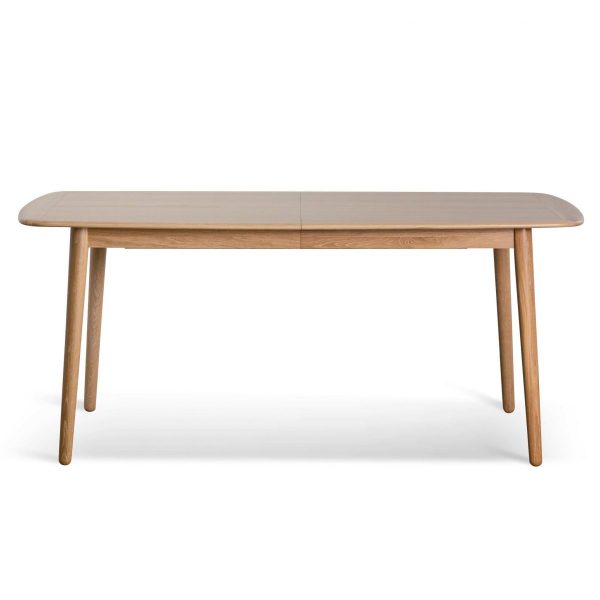
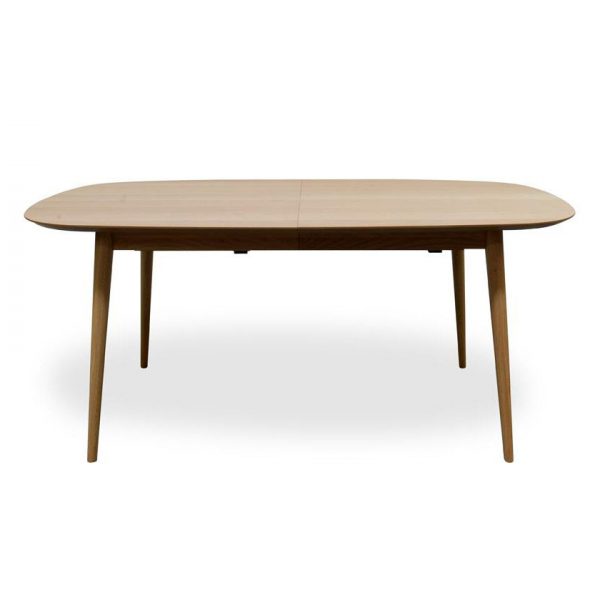

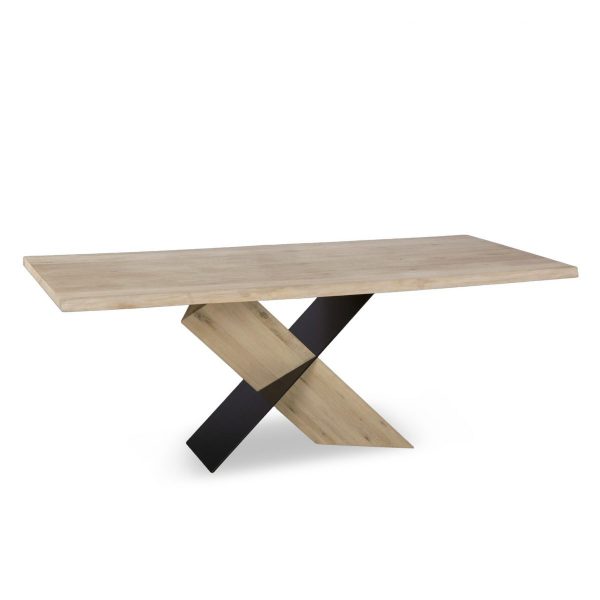


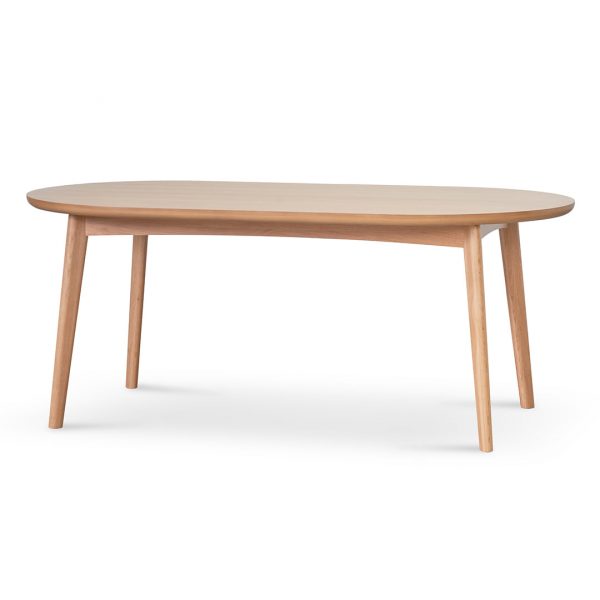
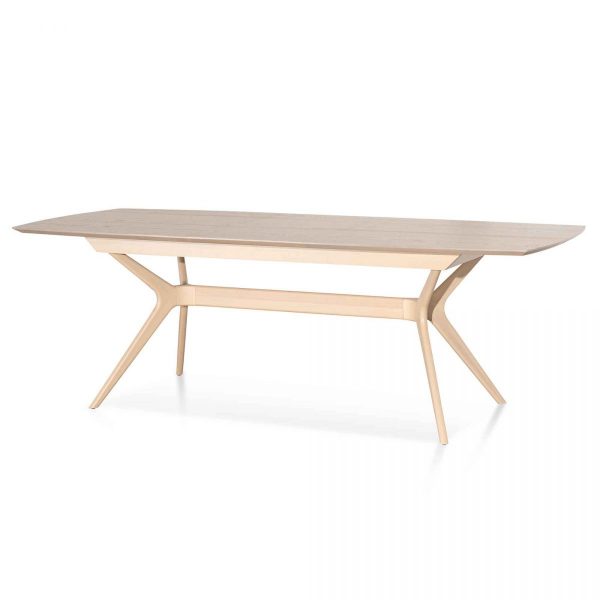
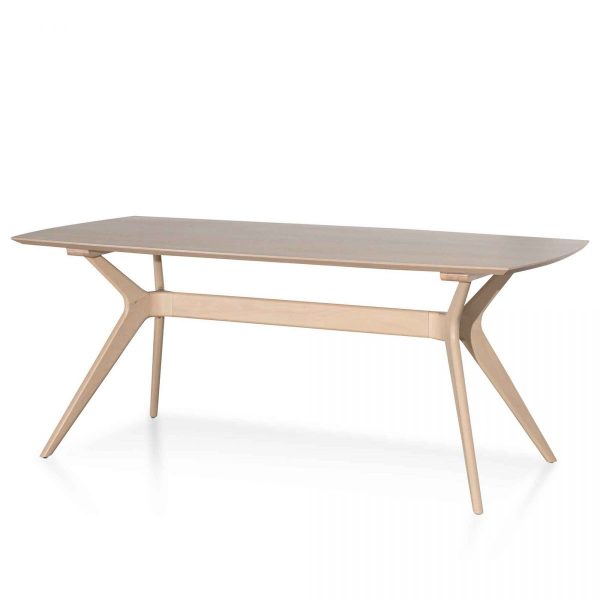
Read the oak face and supporting material together
Look for which parts carry veneer and what lies beneath it. An oak-faced top, a separate solid timber support and a metal base are different components. Ask where the description leaves construction unclear, especially if the tabletop material is your main reason for buying.
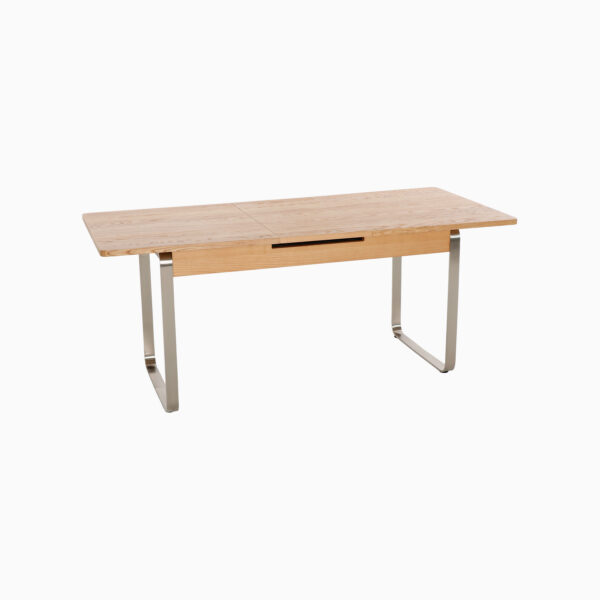
The BAUHAUS Extendable Dining Table is a relevant example: its published description identifies white oak veneer over rubberwood finger-joint boards. That detail illustrates why a surface name should be read with its substrate, rather than described as a wholly solid-oak table. Compare this documented top with the actual component details of your other shortlisted tables.
Assess grain, joins and edges at the dining surface
Consider how grain is arranged across the top and where the surface meets its edge. Those details influence appearance over a large dining plane and at the place your hand regularly touches. A thick-looking edge cannot by itself establish solid timber construction.
Compare the actual finish tone with chairs and floor. Wood names alone do not promise an identical palette. Use dining chairs with table dimensions to confirm how the seats meet the supports and underside. If a natural-looking direction is your priority, review natural timber dining tables and keep visual finish separate from the component facts.
Follow guidance for the finished veneer
Read the product’s protection and cleaning instructions for dishes, drinks and other tabletop contact. Do not assume a thin surface layer can be sanded or refinished like a thick solid board. The veneer, substrate and coating together determine what maintenance is appropriate.
Keep any required protective items within your usable surface plan. Check assembly and the base material separately where they differ from the top. Mark occupied chairs and clear room routes as well.