
Walnut Veneer Desks
Walnut veneer desks put a named timber surface into the work setup, but the actual finish should guide the room comparison. Read the grain and colour information rather than expect one fixed walnut shade. Then identify where veneer is used on the top, frame or another specified component.
Read moreRead less
Veneer is a timber layer over a base material and should not become a solid-walnut-throughout claim. Useful working area and seated clearance remain separate checks. Timber desks cover broader construction; natural timber desks focus on visible grain across choices. Choose the walnut surface with actual components and care beside the practical work routine.
Showing all 8 resultsSorted by recommended
-
On SaleOriginal price was: $1,689.00.$1,486.00Current price is: $1,486.00.
-
-
-
-
-
-
-
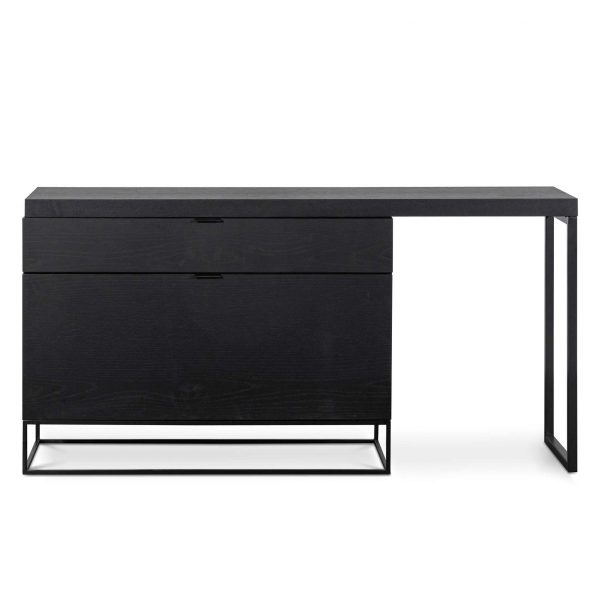

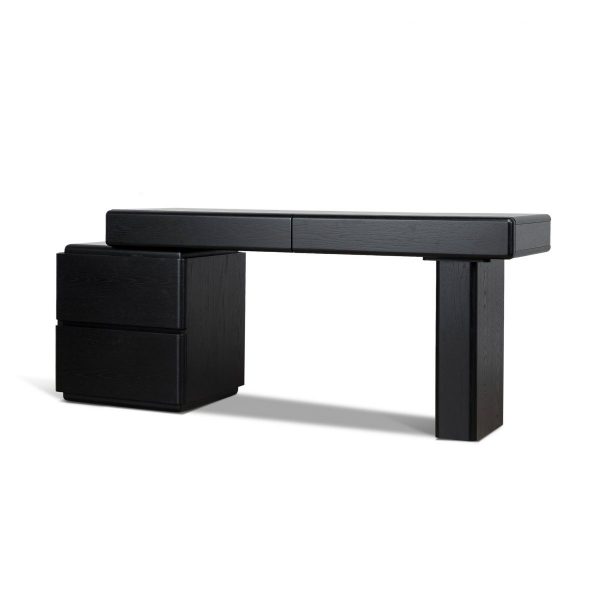
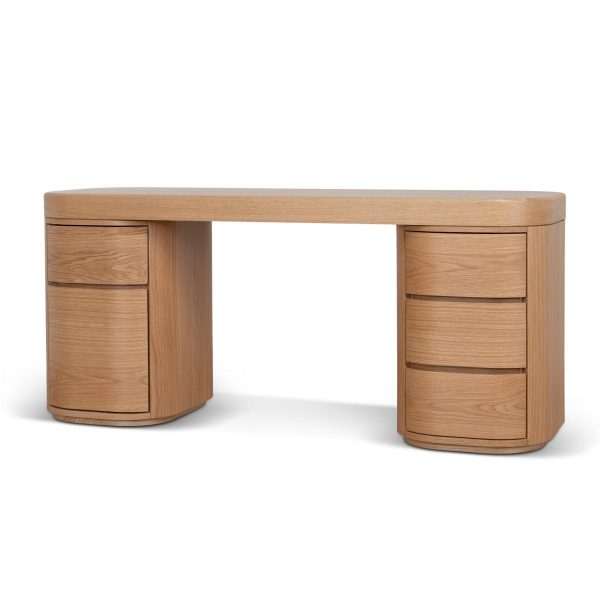
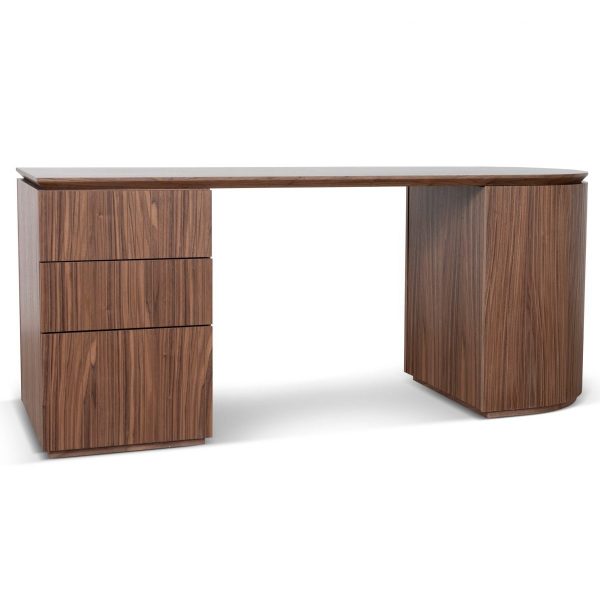
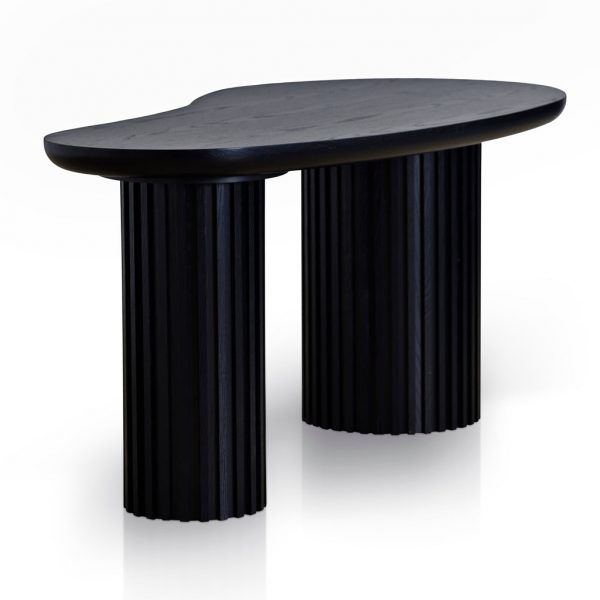
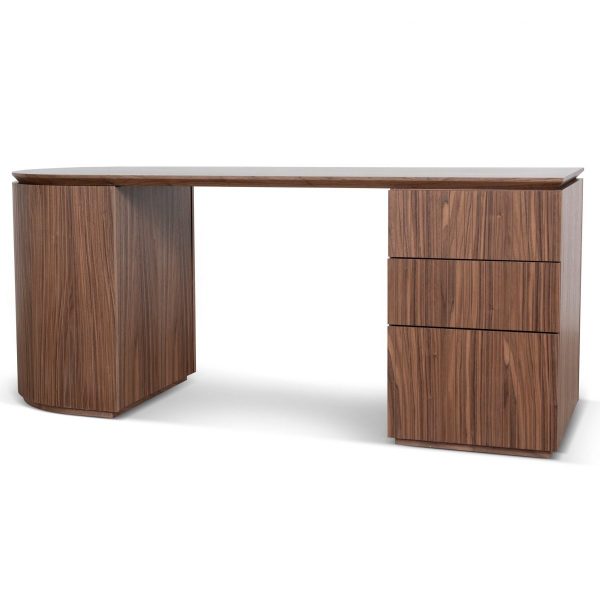
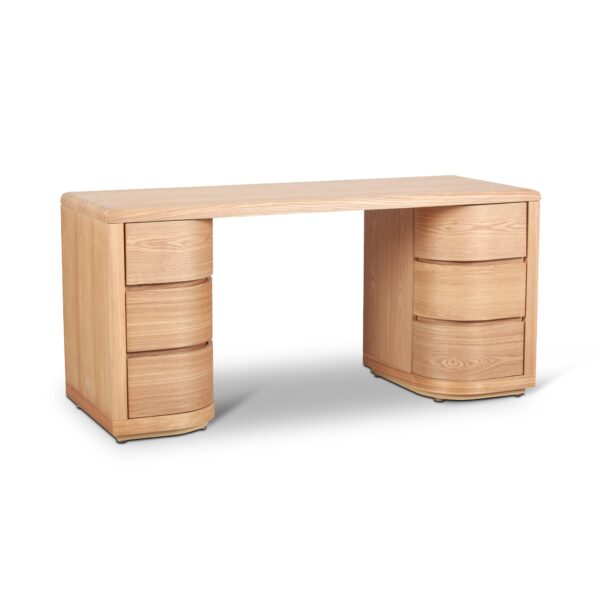
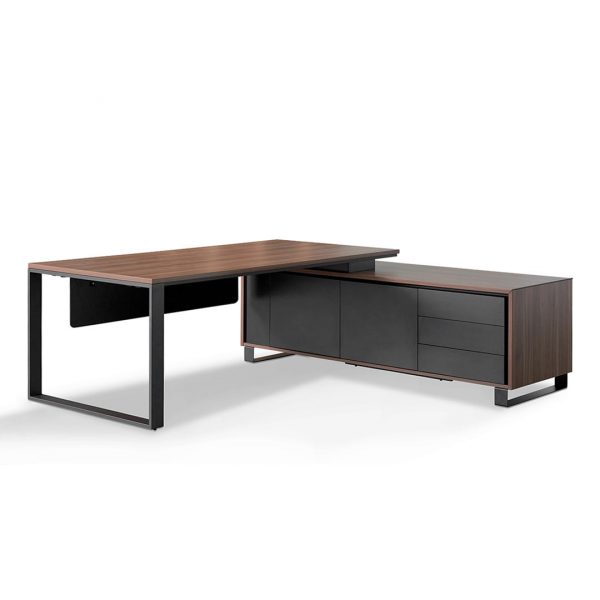
Should the walnut finish repeat nearby timber or contrast?
Check the stated walnut species with the selected furniture coating. If American black walnut is specified, its heartwood can range from light brown to dark chocolate with paler sapwood. Compare the actual finished desk beside your floor and visible equipment rather than expect every walnut surface to be one dark shade.
Where veneer matching is described, bookmatching turns alternate sheets for a mirrored pattern; slip matching keeps successive sheets facing the same way. Compare that arrangement over the broad top and the parts left visible during work. Decide whether its pattern should lead or connect quietly with nearby timber. Black desks help when a dark colour across materials matters more than the named wood.
Which parts carry veneer and which form the supporting structure?
Read top, frame and any storage components separately. Other materials may be part of the design, and the written specification should identify them clearly. Drawer interiors or mechanisms cannot be inferred from the visible walnut.
Look at available edge and underside views and ask about unclear construction where needed. A surface layer does not establish origin, performance or solid timber throughout. Oak veneer desks provide another named-surface comparison, with each actual finish still checked. Accurate component information makes the walnut detail a precise choice rather than a broad label used to imagine the rest of the desk.
How can the veneer finish work through ordinary use?
Follow care for regular equipment and hand contact, especially at the working edge. Do not assume sanding, oiling or abrasive treatment suits a veneered construction. Ask for the approved routine where the finish guidance is unclear.
Lay out the work kit and compare useful top area, then check underside supports or storage against legs and chair movement. Mark occupied access around the desk as well as the closed footprint. Home office desks focus on the domestic arrangement if relevant.
Frequently Asked Questions
Use desks with drawers when accessible integrated storage is part of the brief, verifying the actual function separately from walnut.