
Wall Mounted Bedside Tables
Wall mounted bedside tables keep their support on the wall rather than occupying the floor with legs. The open area below can make a bedside arrangement feel clearer and easier to reach for cleaning. The choice begins with the actual wall, mounting instructions and the height of your complete bed.
Read moreRead less
A floating appearance does not remove the need to check the full depth or permitted load. The surface still projects into the room and needs to hold its intended objects safely. Use this guide to plan location and function before choosing a finish. Browse any specified wall-mounted pieces, or compare the wider bedside tables category if freestanding furniture better suits the room or the fixing requirements.
Showing all 19 resultsSorted by recommended
-
-
-
-
On SaleOriginal price was: $369.00.$351.00Current price is: $351.00.
-
On SaleOriginal price was: $289.00.$275.00Current price is: $275.00.
-
-
-
-
-
-
-
-
-
-
-
-
-
-
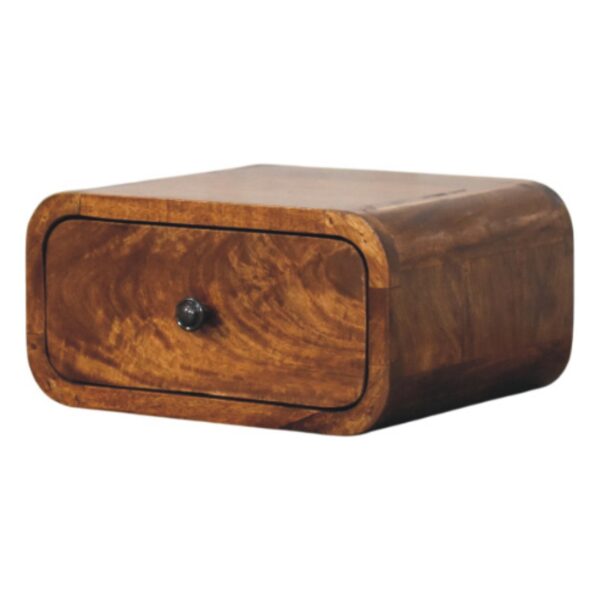


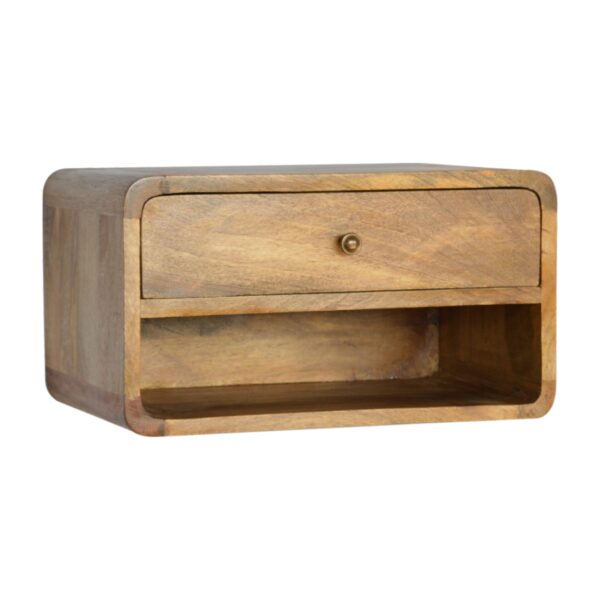
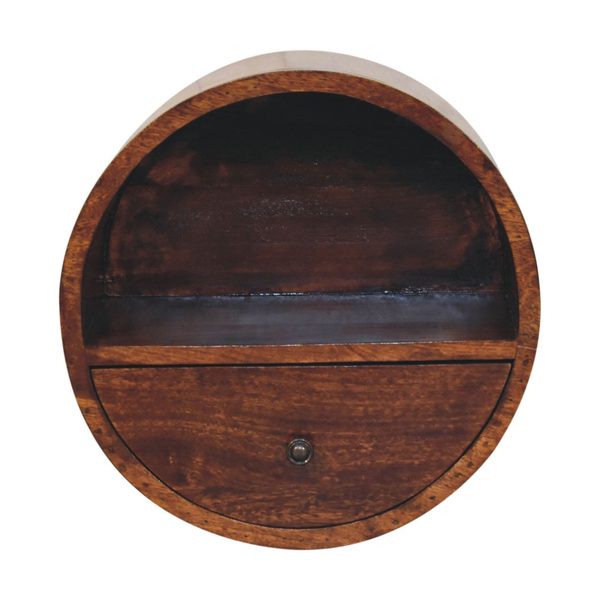
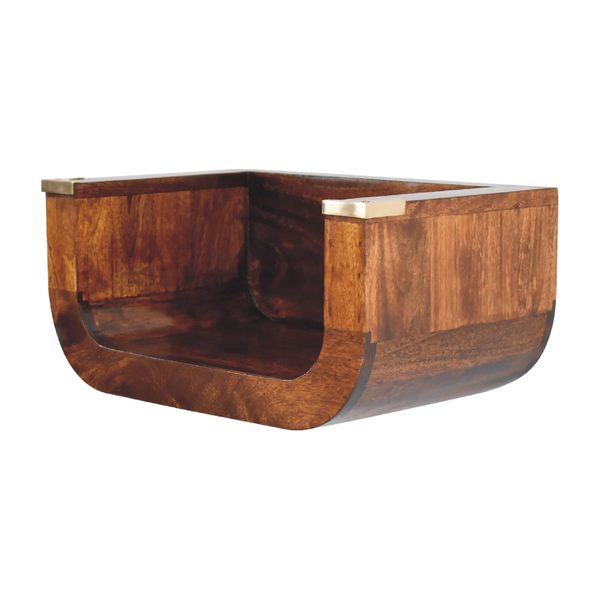
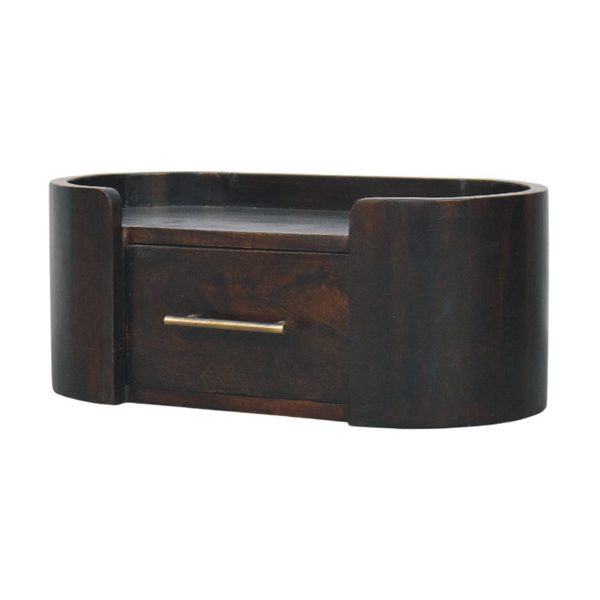
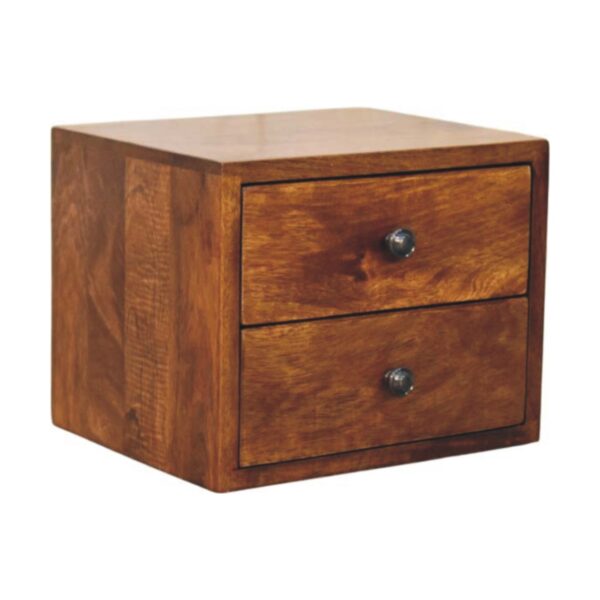


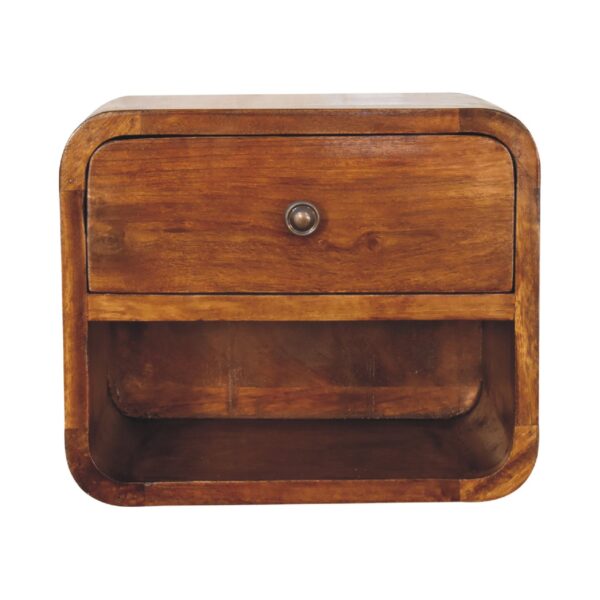
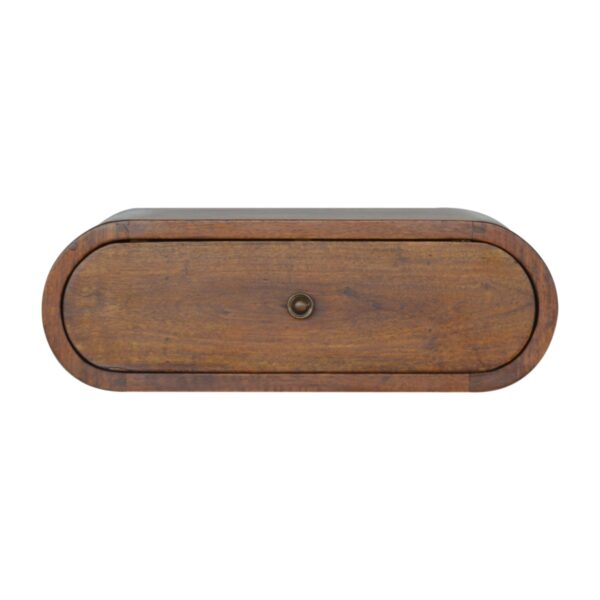
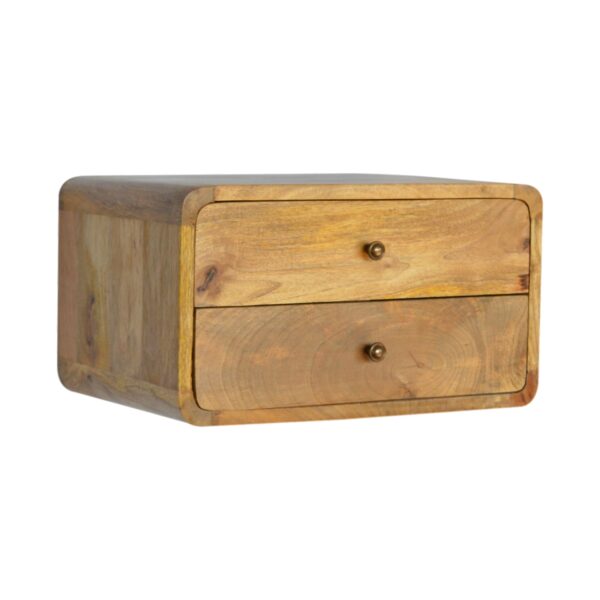
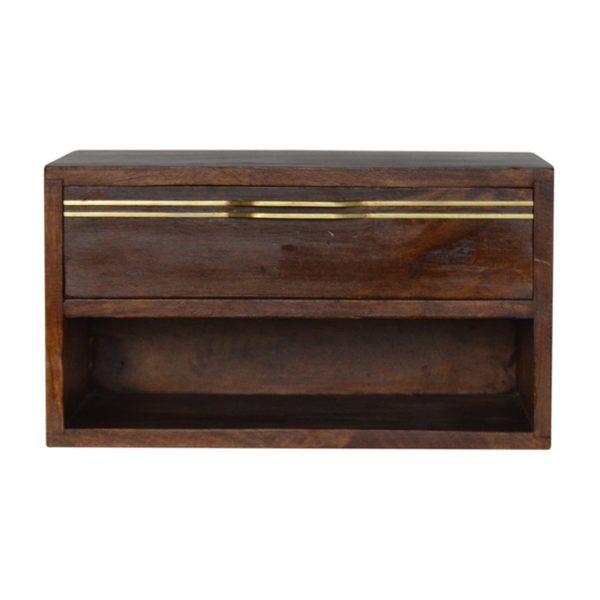
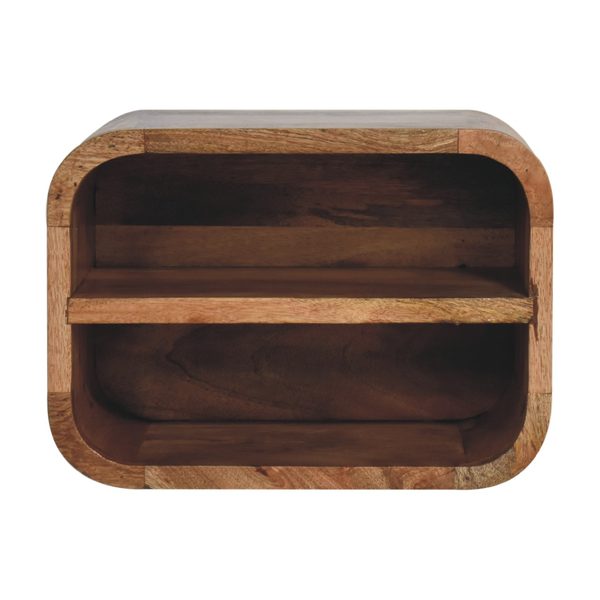
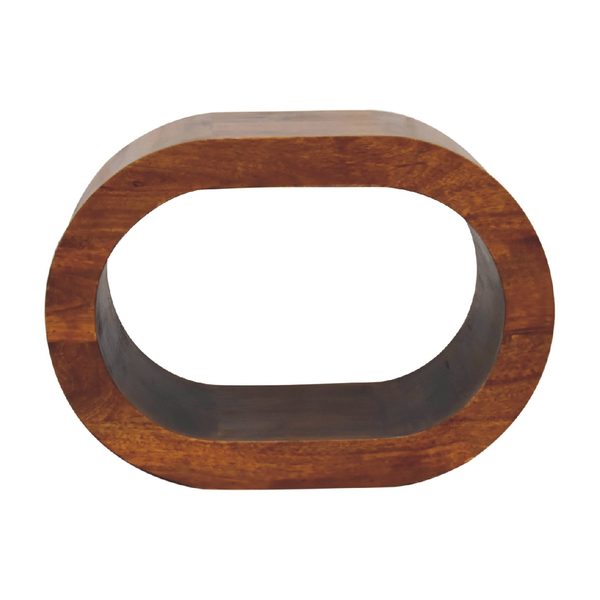
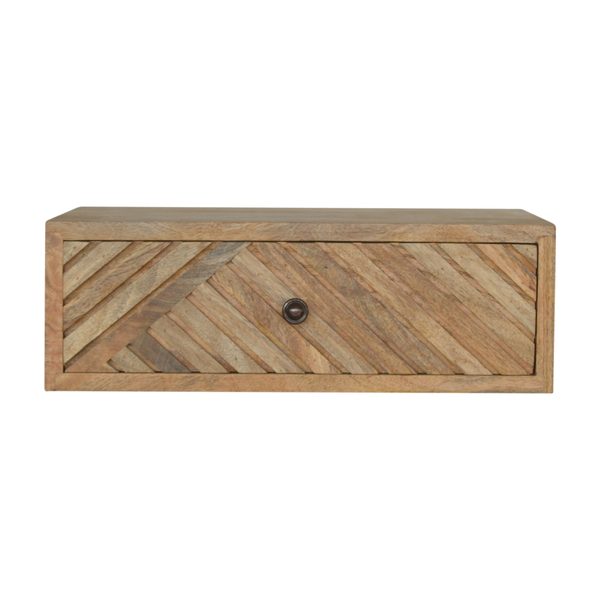
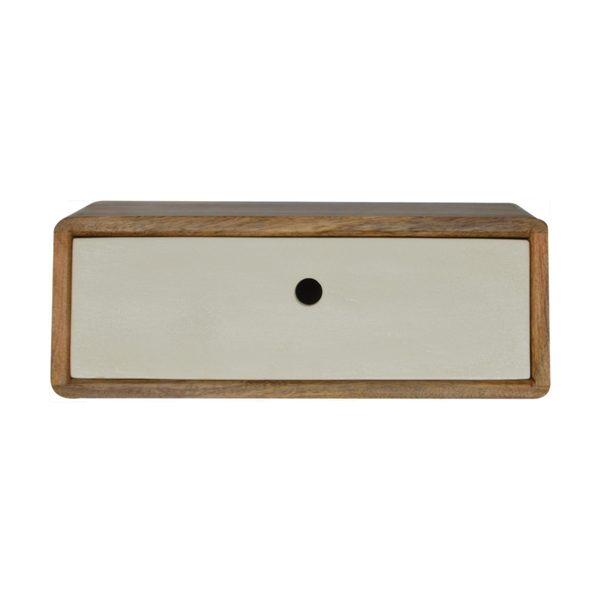

Set the height from the complete bed
Measure from floor to mattress top with the bed assembled as it will be used. Then consider your usual reach while sitting and lying down. A wall-mounted table’s position should be planned around those movements, not a generic height copied from another room.
Mark the proposed top on the wall and include the cabinet depth on the floor plan. Check bedhead width, pillows and bedding near any drawer or door. Consider future changes too: a different bed base or mattress can alter the relationship to a fixed surface. If flexibility is important, compare small bedside tables and check how each shortlisted design is installed. Choose an item specified as freestanding if you need to move it between positions.
Check the wall and fixing instructions first
Read the mounting guidance for the particular product, including compatible wall conditions, fixing requirements and load limits. Do not assume supplied hardware suits every wall, or that a familiar-looking bracket establishes capacity. Seek appropriate installation advice where the wall construction or instructions need clarification.
Locate sockets, switches and other services before deciding the position. Installation must follow the product guidance and suit the wall; a photograph cannot establish that suitability. Check whether the rear design allows any necessary cable access without altering the furniture. Mark the mounting position, nearby sockets and any allowed cable route together before fixing the table in place.
Make the clear floor useful, not just visible
Keep the space beneath the table available for the access you wanted, including cleaning and the route out of bed. Do not replace the missing legs with loose charging leads or stored objects on the floor. A clear underside is only helpful when the surrounding arrangement stays workable.
Check usable top area and storage separately from the mounting system. If there is a drawer, it needs forward clearance at the selected height. Compare bedside tables with drawers to assess the storage task, then verify that the wall-mounted design actually provides it. Follow its care guidance and keep intended loads within the stated limits.