
Small Bedside Tables
Small bedside tables suit a bedroom where floor area is limited and every nearby piece needs to earn its space. A compact table may leave more movement beside a large bed, but its surface still has to support the night-time objects you actually use. The aim is less furniture without an awkward routine.
Read moreRead less
Compare width and depth together rather than choosing the narrowest-looking front. Then check height, lamp placement and any storage access. This guide helps decide what a compact bedside must do and what can move elsewhere. Browse any listed designs by their complete measurements, or compare slim bedside tables when the main restriction is a narrow side gap rather than overall floor area.
Showing 1–24 of 92 resultsSorted by recommended
-
-
-
-
-
On SaleOriginal price was: $375.00.$356.00Current price is: $356.00.
-
-
On SaleOriginal price was: $679.00.$645.00Current price is: $645.00.
-
On SaleOriginal price was: $563.00.$535.00Current price is: $535.00.
-
-
-
-
-
-
-
On SaleOriginal price was: $514.00.$488.00Current price is: $488.00.
-
-
-
-
-
On SaleOriginal price was: $399.00.$379.00Current price is: $379.00.
-
On SaleOriginal price was: $459.00.$436.00Current price is: $436.00.
-
On SaleOriginal price was: $442.00.$420.00Current price is: $420.00.
-
-
On SaleOriginal price was: $424.00.$403.00Current price is: $403.00.
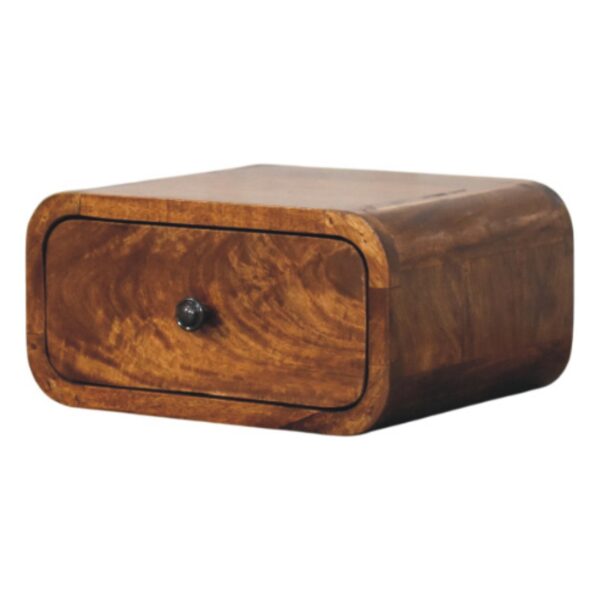

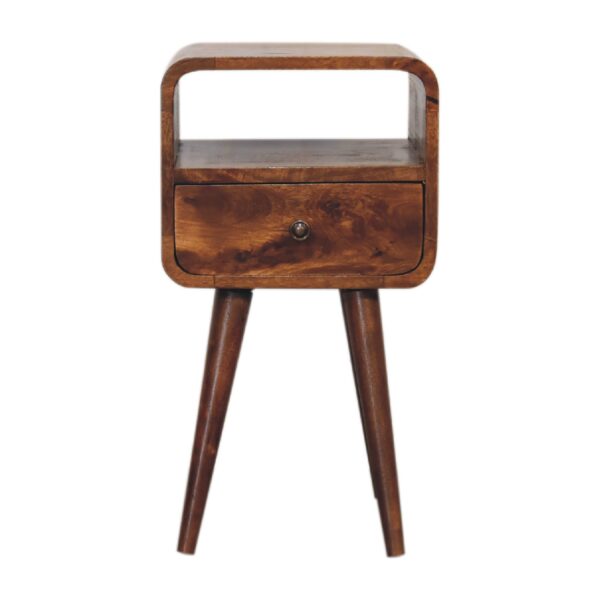

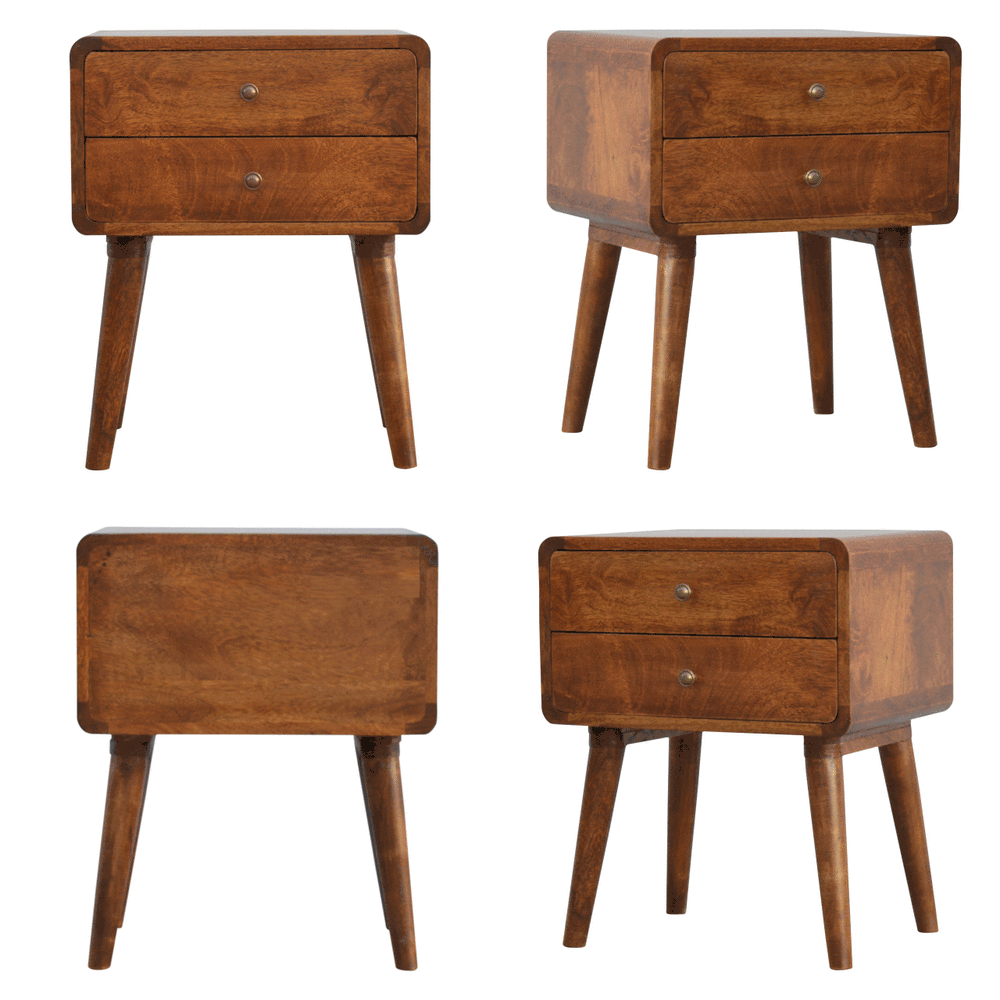

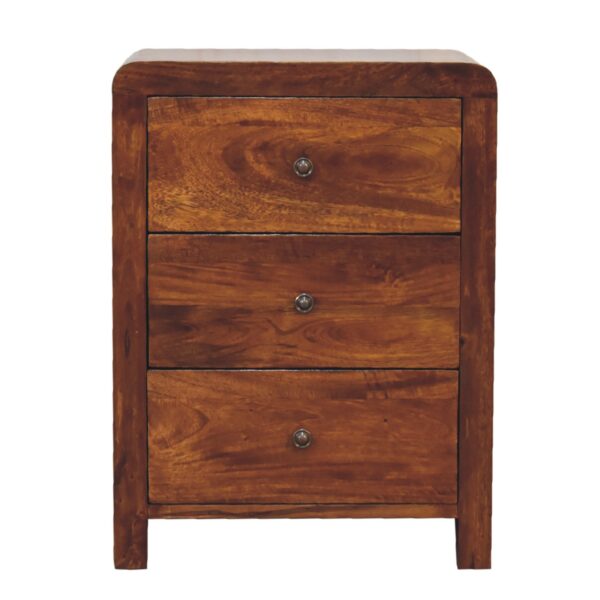
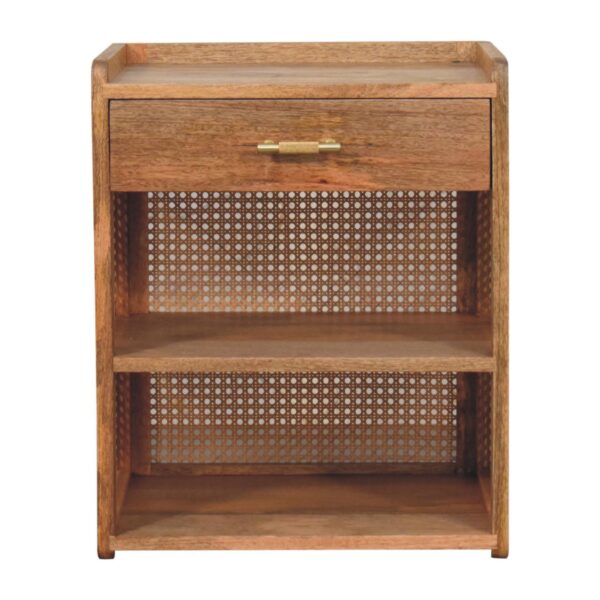

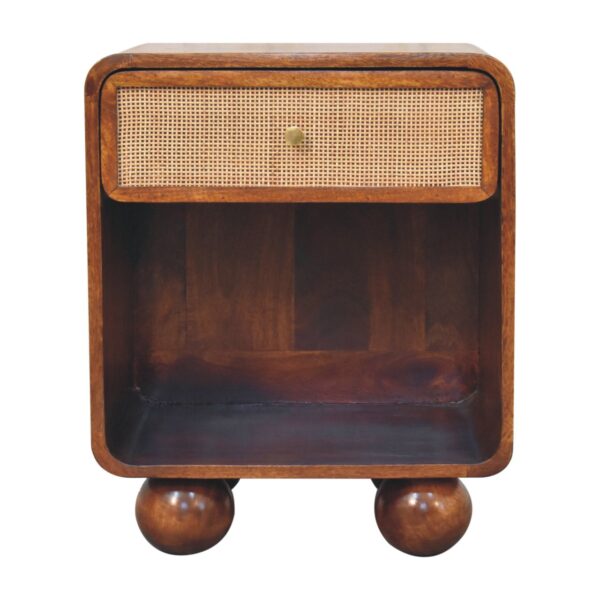


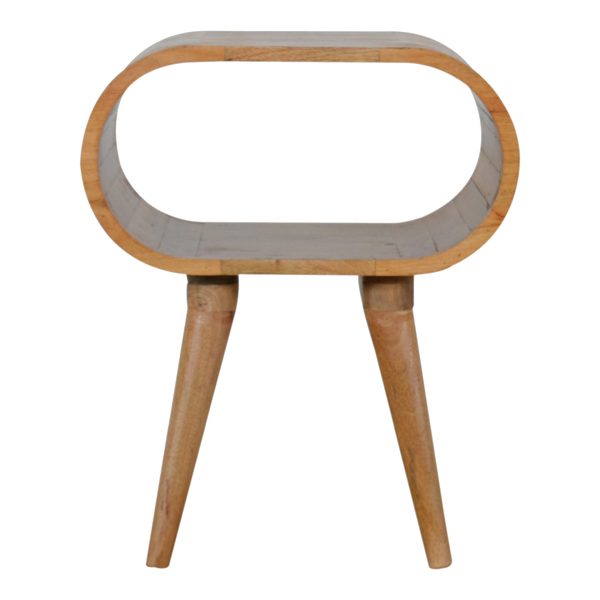
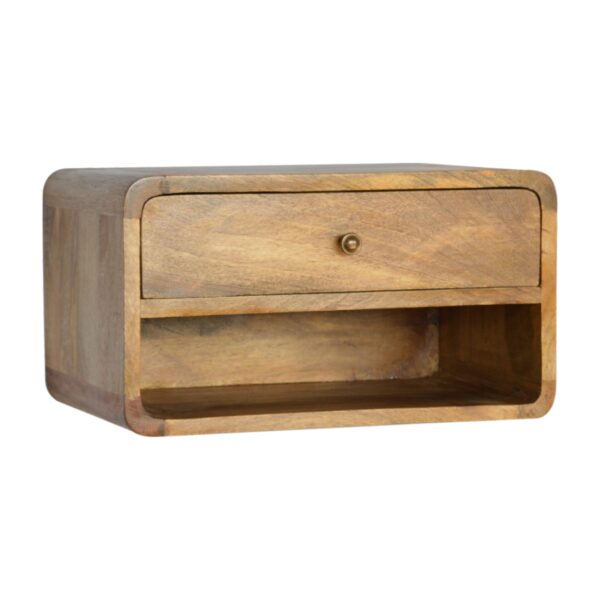
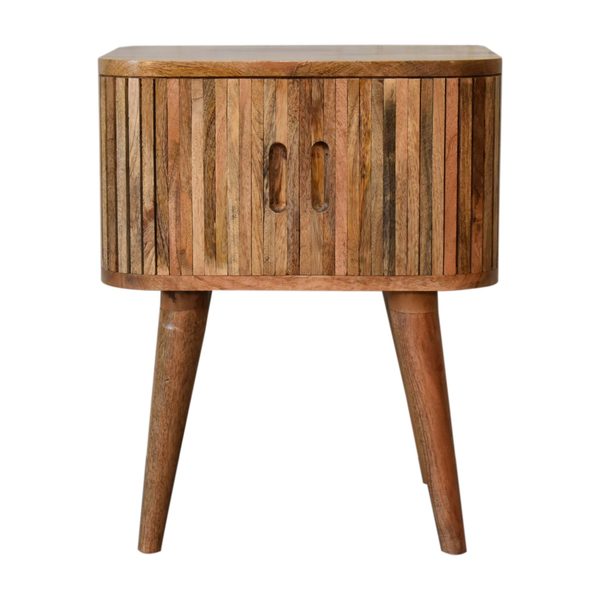
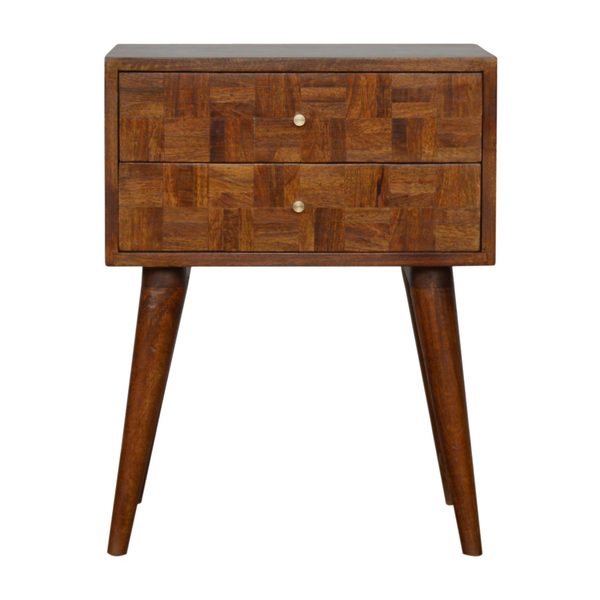
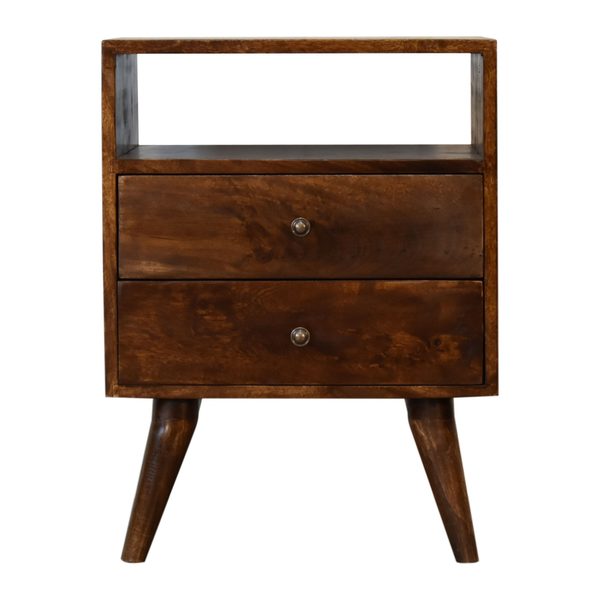
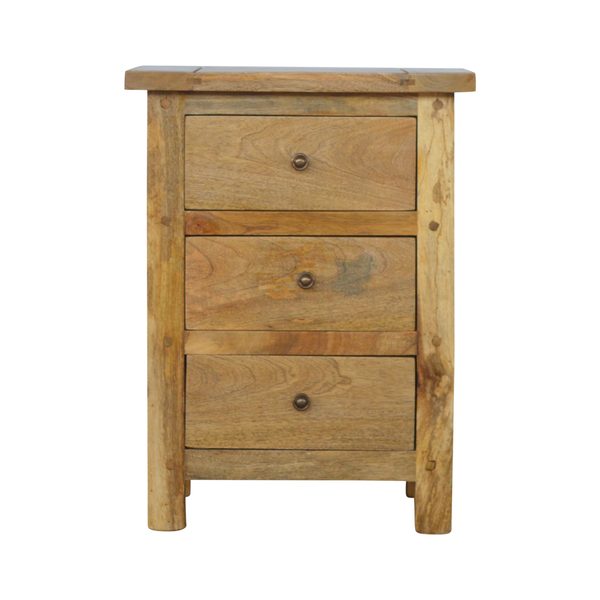
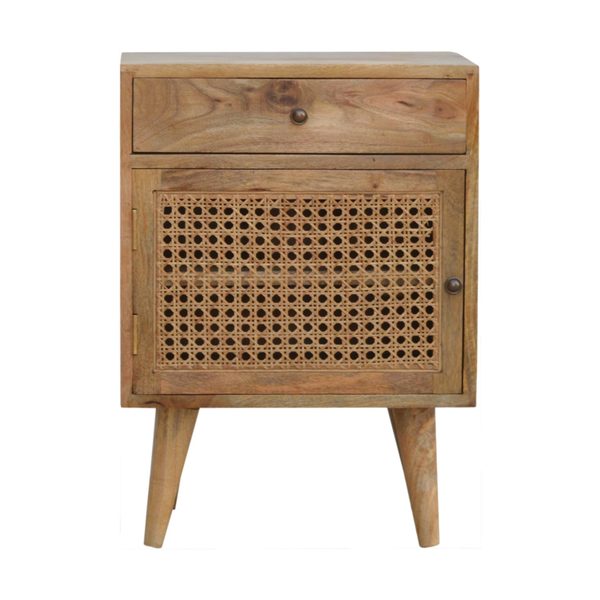
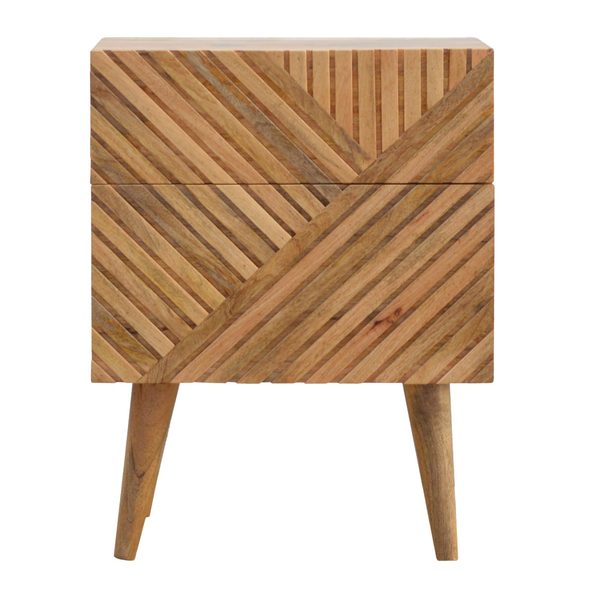
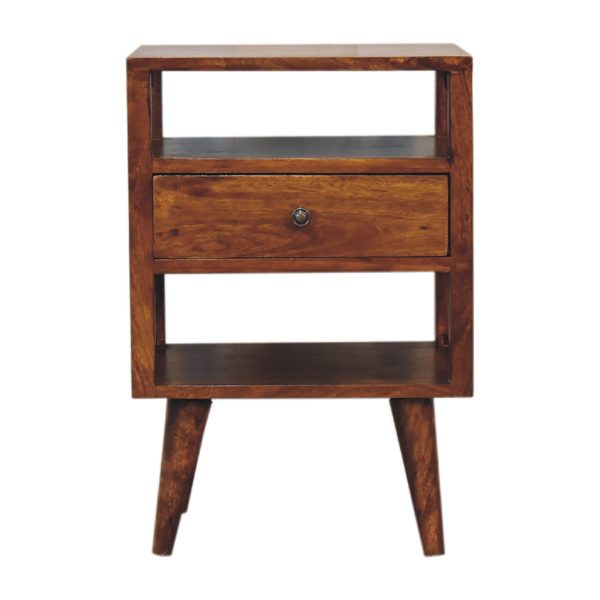
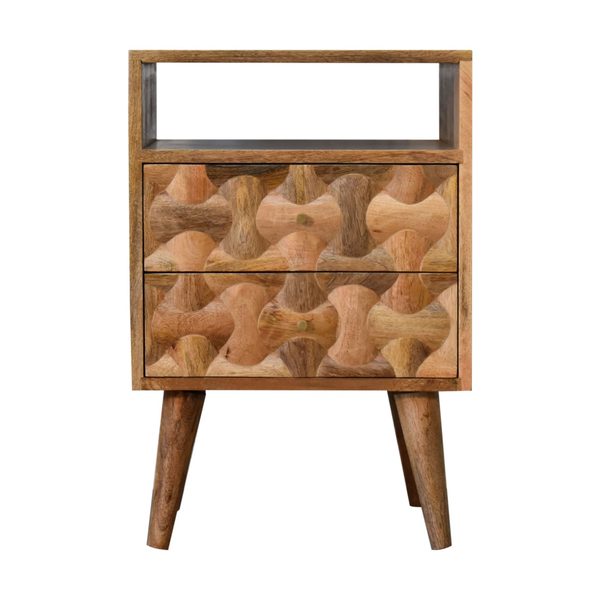
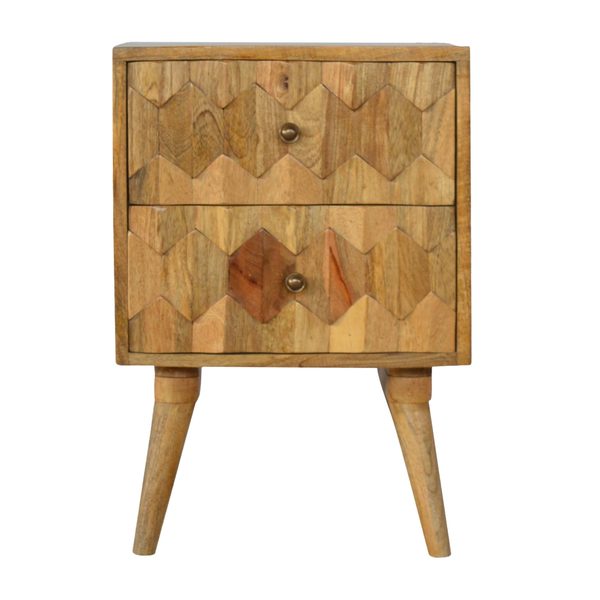
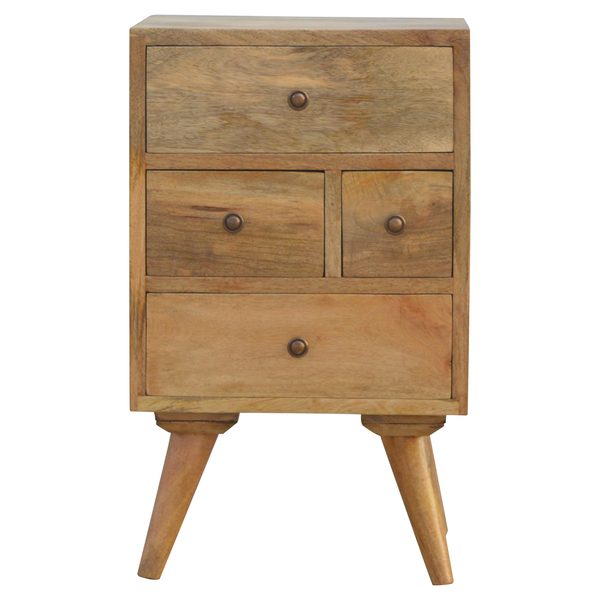
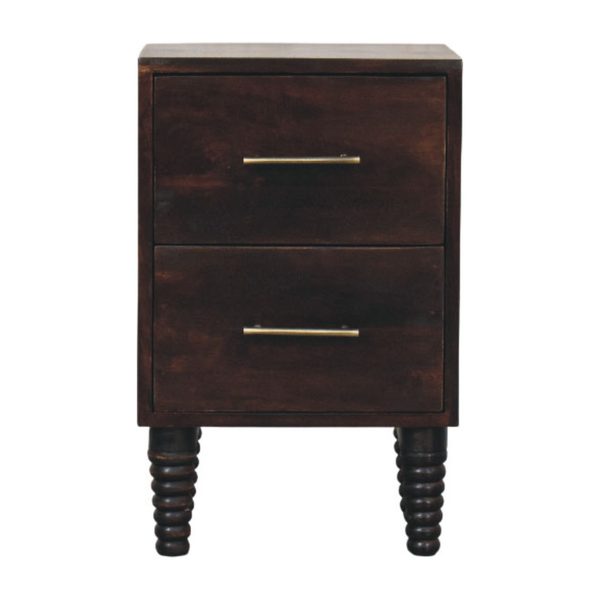
Reduce the footprint that interrupts the room
Mark the proposed table beside the complete bed frame. Include the doorway route, wardrobe opening and the place you stand when getting out of bed. Identify whether width, depth or both are causing the problem; reducing the wrong dimension may leave the same obstruction.
Check the full item shape rather than only the cabinet base. Overhanging tops or projecting handles can occupy extra space. A compact table should also sit close enough to use comfortably, so do not place it farther away simply to make a plan look clear. Review the wider bedside tables category for height and use considerations alongside the small footprint.
Choose what genuinely needs the small top
Start with the object that takes most space, often the lamp. Measure base and shade, then reserve a separate place for anything reached for during the night. If the surface cannot support those essentials conveniently, a smaller table may not be a useful improvement.
Move occasional items off the top before increasing its size again. Books may have a lower shelf, while small belongings may need a suitable compartment elsewhere. Compare bedside lamp tables when light is the main bedside task. Do not choose compactness as an isolated goal; choose the smallest practical arrangement that supports the routine you want.
Avoid storage that creates a second space problem
Small furniture can have storage, but its usable capacity and opening area still need checking. A drawer may be convenient for tiny essentials while a deep compartment becomes hard to reach. Do not infer useful space from the number of handles on the front.
Compare closed and open positions alongside the bed, including any hanging quilt. If two sides have different available space, they may need different widths. A consistent surface height or connected finish can give balance without forcing large matching pieces into both gaps. Follow assembly and fixing guidance for the selected item, and keep access around it workable for cleaning as well as nightly use.