
Velvet Console Tables
Velvet console tables put textile texture into furniture usually selected around its hard top and storage. Confirm which parts are covered and what material forms the usable surface. A velvet front or side should not be treated as evidence that the tabletop is the same fabric or intended for the same contact.
Read moreRead less
Then assess pile under the light beside the wall, along with the objects placed on the console. The texture needs a practical surface arrangement and its own care. This guide helps compare that combination. Browse any listed pieces with their component descriptions in view, or review the wider console tables category while choosing the location and daily job before the textile detail.
Showing all 2 resultsSorted by recommended
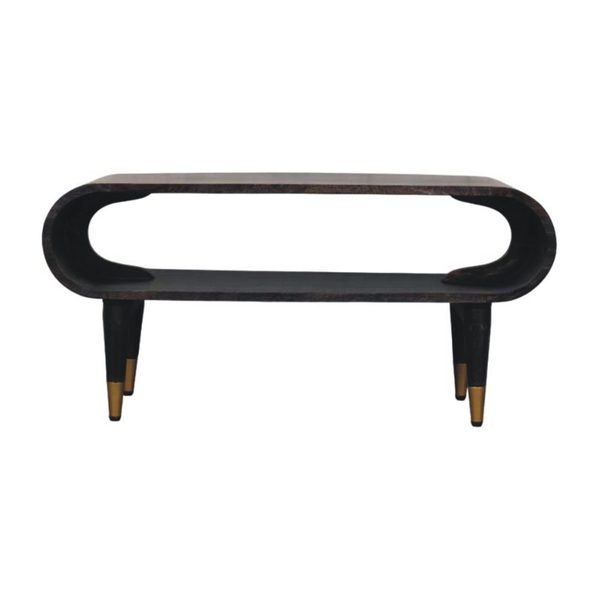

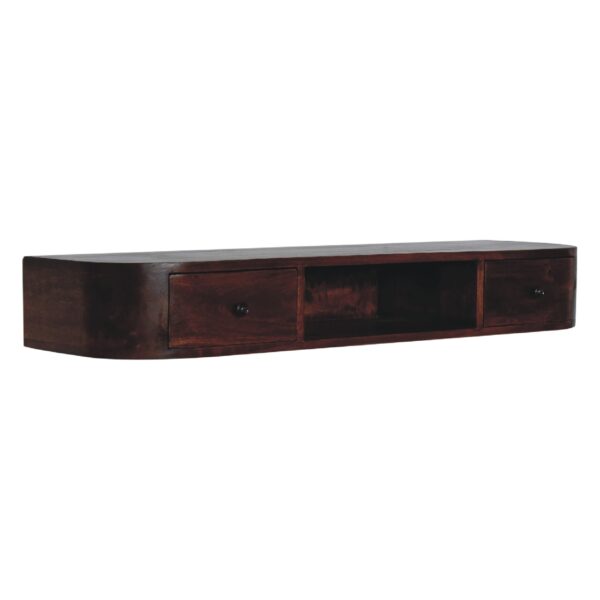
Separate velvet detail from the working surface
Read top, fronts, sides and support materials separately. The covering may be on selected faces while the top serves the lamp or arrival objects in another finish. Ask about any unclear component before deciding how the surface can be used.
Check fibre composition and care rather than treating velvet as one fixed textile. Upholstered-looking furniture does not automatically establish padding or a removable cover. Compare rattan console tables if a woven detail better suits the room’s other textiles.
Choose pile appearance for the wall-side position
Velvet can change visible depth with direction and light. Look at how the covered face sits beneath a lamp or beside a window rather than expecting a flat colour under every condition. A long textile front may repeat that effect more strongly than a small fabric image.
Compare with nearby curtains, upholstery and wall display so several textures do not compete in the same narrow area. Measure full width and depth separately from the soft-looking appearance. If space is constrained, review narrow console tables by actual dimensions. The textile should belong to a workable form rather than make a broad covered piece seem smaller or easier to use than it is.
Plan everyday touch and care at each component
Consider where hands reach the console or any handles, and whether passing furniture or belongings repeatedly brush a covered side. Follow actual textile guidance for those contact areas rather than applying a generic cleaner. Keep top care separate where its material differs.
Lay out daily objects on the intended usable surface with protection as instructed. If hidden storage matters, compare console tables with drawers by real openings and capacity. Confirm assembly and supplied fixing guidance.