
Travertine Side Tables
Travertine side tables put the stone’s surface detail close to everyday drinks, books or a lamp. Read where real travertine is used and how its finish is described. The material name should not establish that openings are filled, that the stone is sealed or that the entire base shares the same construction.
Read moreRead less
Then compare useful top space and seated reach with the actual items you keep nearby. Side tables cover first height and access checks. The stone’s pores, pattern and treatment matter to the way a cup, book or small lamp sits on the table. Think about whether you want a more open texture or a smoother filled finish, then check the actual product detail and care for that surface.
Showing all 5 resultsSorted by recommended
-
-
On SaleOriginal price was: $849.00.$747.00Current price is: $747.00.
-
-
-
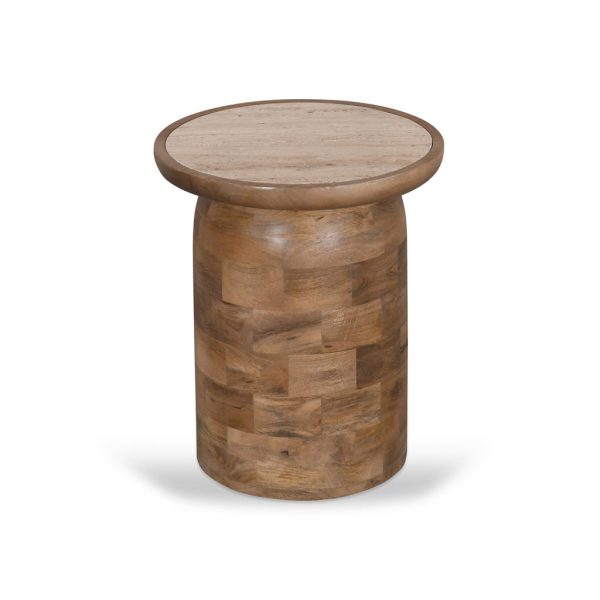


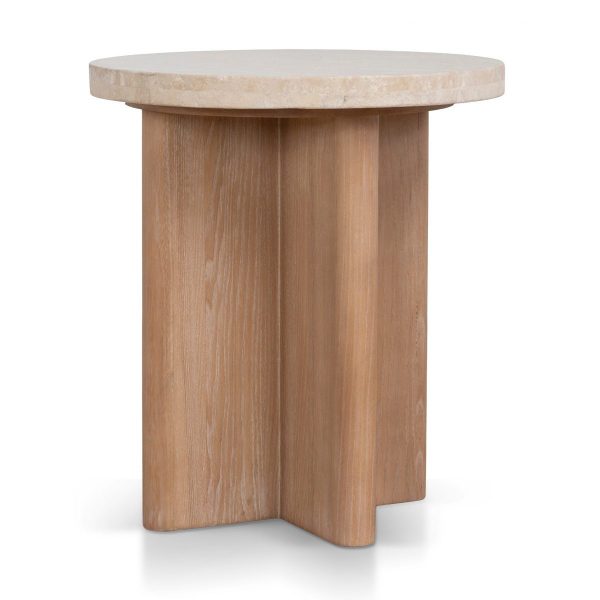
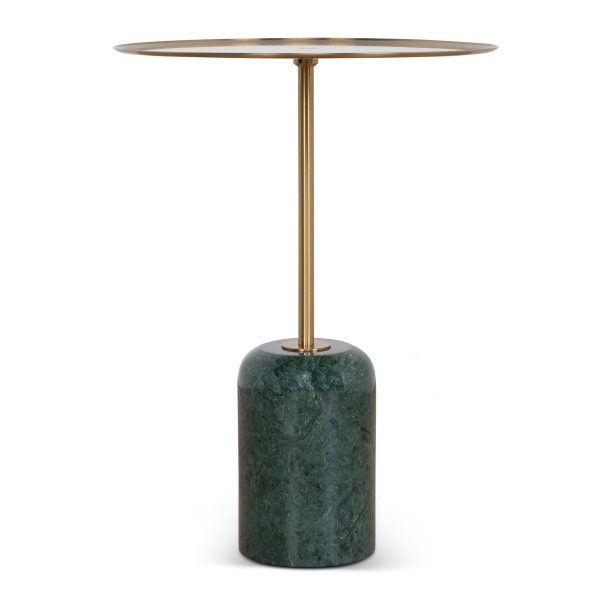
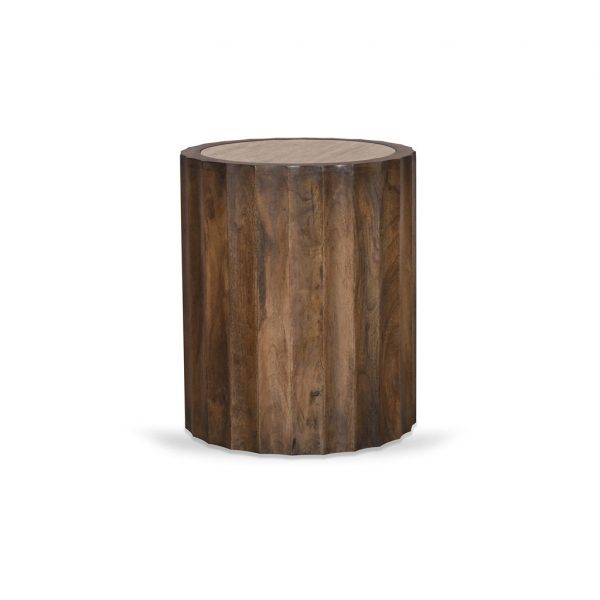
How is the actual travertine surface finished?
Travertine naturally has surface openings. Filling these can create a smoother placing area, while an unfilled finish retains more of that open texture. Read the selected design’s description and treatment guidance, then consider how its finish will suit the objects you want to place and the cleaning access around them.
Identify top, base and other components separately, keeping travertine-look and natural stone descriptions accurate. A textured photograph cannot establish a solid-stone body or one shared construction. Marble tables offer another stone character, with their own care. Compare a wider view and a surface detail together. The wider view shows the support and proportion beside the seat; the close view helps you judge the texture that will remain visible around everyday objects.
How should the stone texture relate to the seat and room?
Compare the complete table with upholstery, flooring and everyday items on top. Travertine detail may become a focal texture beside plainer fabrics, while another room may need a quieter material relationship. Read actual colour and variation information instead of expecting one uniform beige finish.
Look at top and base separately where the design uses different materials. A lamp can cover part of the stone and change the amount of detail visible. Ivory tables provide a pale-colour comparison across constructions if tone matters more than stone specifically. Keep usable top area and seated height fixed as texture is judged, allowing appearance to complete a practical landing place.
What care fits drinks and regular contact on the stone?
Acids such as vinegar or citrus can etch travertine, so follow the actual finish’s care instead of choosing acidic household cleaning. Read filling and treatment instructions where supplied. A sealed surface is not a stain-proof promise.
Protect ordinary drink or plant contact as the product directs, keeping another base material’s cleaning separate. Measure objects together on useful top space, then mark full base with room to enter or rise from the seat. Sofa tables refine that particular relationship. If a drink is part of the usual routine, plan a suitable coaster and prompt spill cleanup. Check the stone-care instructions for approved cleaning products so the distinctive surface remains practical to use close to the seat.
Frequently Asked Questions
Use natural timber tables for another textured-material comparison while keeping useful surface and care requirements central.