
Timber Outdoor Lounge Chairs
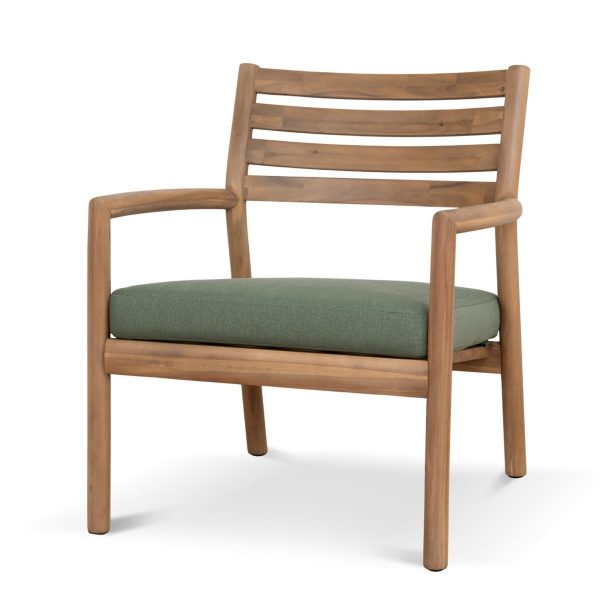
Timber outdoor lounge chairs put wood within a relaxed seating arrangement where the frame and finish deserve close attention. Begin with the components described as timber: arms, supports and other contact areas may have different roles. Read any separate covering or seat material rather than imagining one all-wood construction from the label. The actual proportions still decide how you sit and rise.
Read moreRead less
For outdoor use, wood species and coating need to be considered with water, sunlight and the stated maintenance routine. Timber alone does not establish a finish that needs no care. Outdoor lounge furniture provides the wider arrangement guide. Rattan outdoor lounge chairs offer another material structure to compare once your sitting purpose and placement are clear.
Showing the single result
-
On SaleOriginal price was: $656.00.$577.00Current price is: $577.00.

Read the wood at the parts you touch and see
Compare arms if supplied, frame edges and supports in the product views. These areas determine how much timber character remains visible around the seat. Check the actual species and component construction where documented; grain in a photograph does not prove that every part uses the same wood.
Read usable seat height, depth and back arrangement independently. A timber frame can surround another contact surface, so establish the actual seating configuration and any supplied cushions. Fabric outdoor lounge chairs focus more closely on covered support. Choose the frame alongside the sitting position, rather than treating a substantial wood outline as proof of personal comfort or a particular lounge posture.
Choose the finish with outdoor exposure in view
Wood finishes do more than change colour: protection from water, sunlight and weathering matters outdoors. Read the selected coating and placement guidance, then describe the conditions where the chair will stand. A sheltered location and an open patio should not be reduced to the same outdoor label.
Confirm any required upkeep and treatments before choosing a finish. Do not apply oil or wax simply because a chair is timber; the existing surface may need another method. Outdoor chair exposure and care helps compare component instructions with the real setting. Select a wood finish whose documented maintenance fits the routine you can follow, without assuming one species needs no attention.
Fit the assembled frame and maintenance routine into the patio
Plot the full wood frame on the area plan, including any angled back and arms. Allow approach and movement to rise from the chosen seat level. Check the route to the door and practical reach to a nearby surface. The timber outline should leave usable space while the chair is occupied.
Patio seating helps choose the surrounding arrangement, while outdoor tables provide a related surface comparison. Read handling and storage instructions before planning regular moves. Confirm assembly and supplied parts, then ask benssur about missing finish or seat measurements. The useful wood lounge chair is one chosen through supported placement, relaxed proportions and a manageable care routine together.