
Timber Coffee Table Sets
Timber coffee table sets are worth considering when several wood surfaces will serve the living room better than one centre table. Begin by giving each piece a task: shared tray space, a nearby drink surface or a place beside a separate chair. Then compare the actual wood construction and finish. The set should earn its place through those uses, rather than through the appeal of a coordinated group alone.
Read moreRead less
Use this collection to check each included table and the full arrangement. Timber components do not establish solid wood throughout, and a set does not automatically nest. Coffee table sets provide the wider layout guide. Timber bookcases offer a related storage direction when you are planning the room’s wood surfaces together.
Showing all 6 resultsSorted by recommended
-
On SaleOriginal price was: $402.00.$354.00Current price is: $354.00.
-
-
-
-
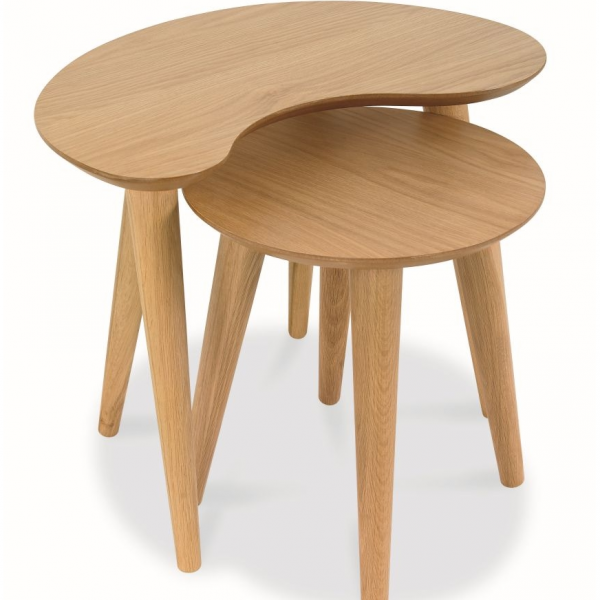

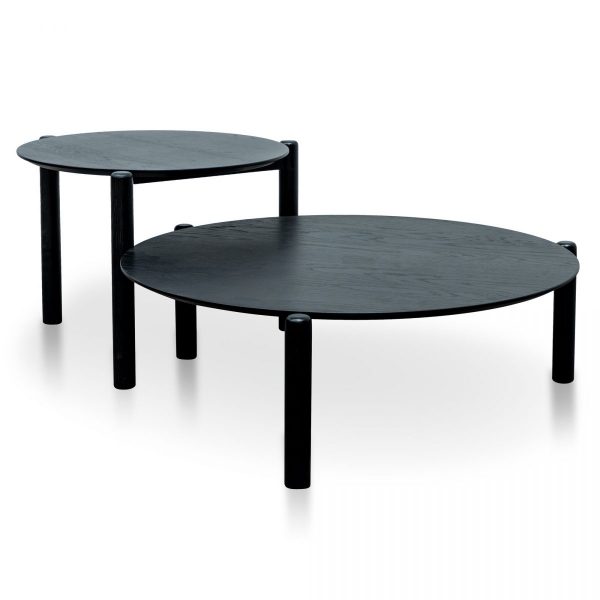
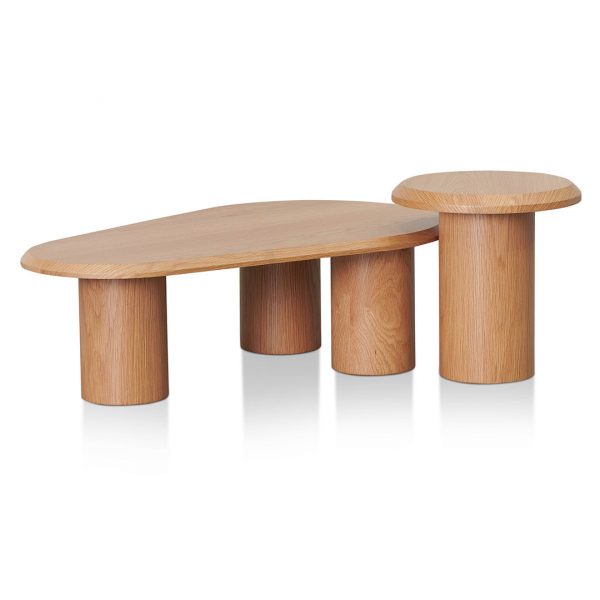
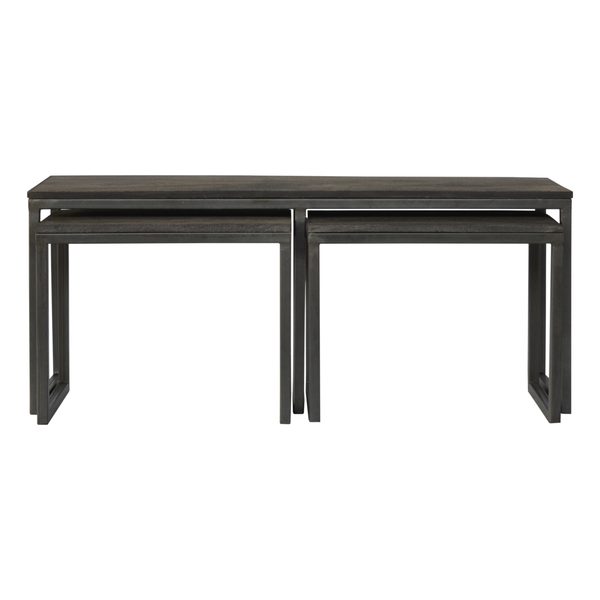
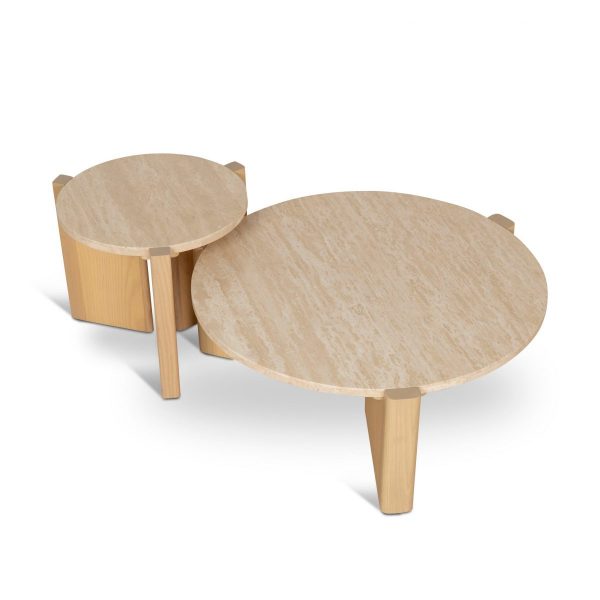
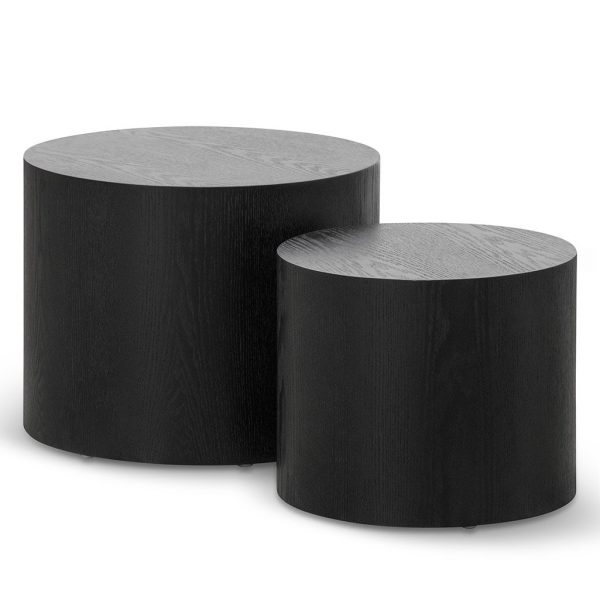
Assign a real use to every piece in the set
List the surfaces you need in an ordinary evening. If two people share the sofa, one central table may already serve them; a separate chair may need a different position. Compare the size and height of each included table with those tasks. A very small top may suit one cup but not the tray you normally use.
Check the combined footprint in the layout that will stay most often. When pieces separate, give them clear destinations that do not obstruct movement. Nesting tables focus on documented tuck-away arrangements if spare surfaces are only needed occasionally. Choose multiple tables for useful distribution, not simply because the pieces coordinate.
Compare the wood components across the complete set
Read tops, legs and bases separately for every table. Solid timber, veneer and other materials may be described component by component. Ask about missing construction details rather than assuming a grain photograph explains the whole set. Keep the supplied-piece list clear too, because styled images may show other furniture.
Review how the grain and finish relate among the tables. Mango wood coffee table sets and oak veneer coffee table sets offer narrower material directions, but each still needs its own construction check. The selected surfaces should sit coherently with your floor and existing furniture without requiring every timber in the room to match exactly.
Choose the arrangement you can handle and maintain
If the pieces will move often, read dimensions, construction and handling guidance before assuming they are convenient to lift. Plan what happens to objects on a lower table during rearrangement. An overlap can hide useful surface, so test the tray or books you intend to keep there.
Follow the care for the actual finishes. Timber does not establish permission to oil, wax or sand a surface. Check any loading guidance and assembly requirements, then consider cleaning access around the legs and beneath the tops. Coffee tables offer a simpler single-piece comparison if these tasks make a set less useful. Ask benssur about uncertain handling or construction details before committing to the group.