
Rattan Cabinets
Rattan cabinets make a material detail part of the storage choice, so first identify where the rattan is used. It may be a specified front, panel or other component, rather than the whole structure. Read the actual materials and do not infer one universal weave or finish from the name.
Read moreRead less
Compare the texture with nearby timber and textiles, then check the internal layout and openings. If a detailed front allows contents to show, assess that from the actual design rather than assuming complete concealment. Timber cabinets provide another construction comparison. Choose the rattan detail with care, access and the appearance of the complete storage piece considered together.
Showing all 5 resultsSorted by recommended
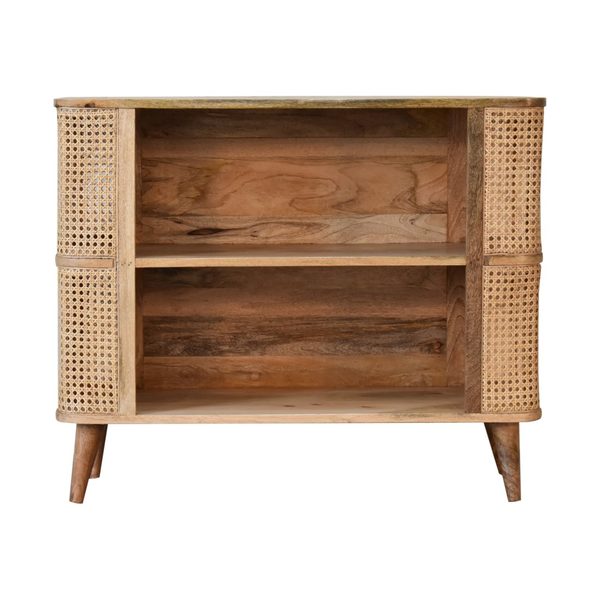

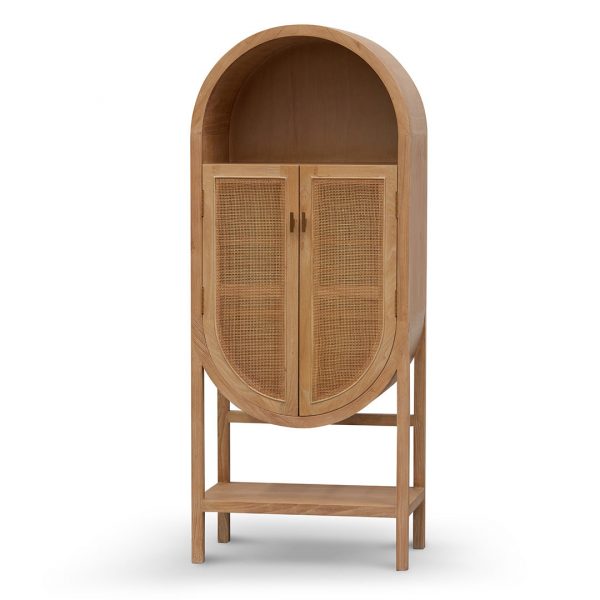
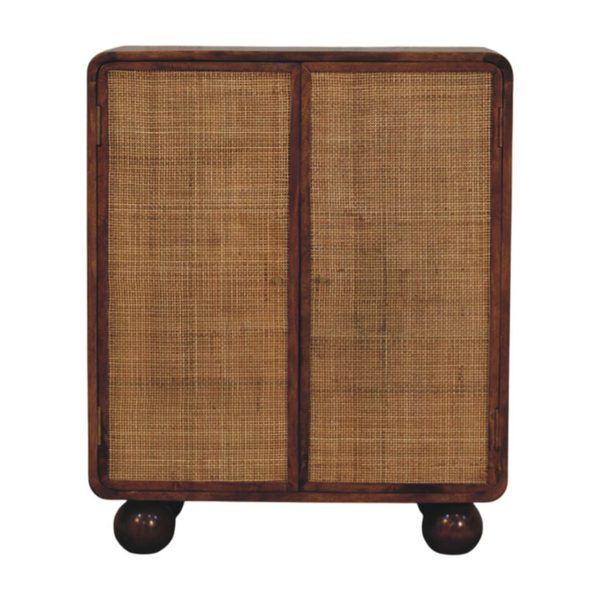
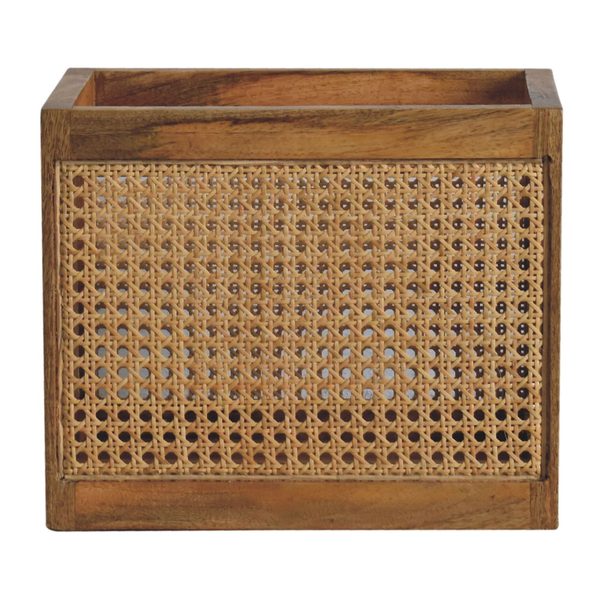
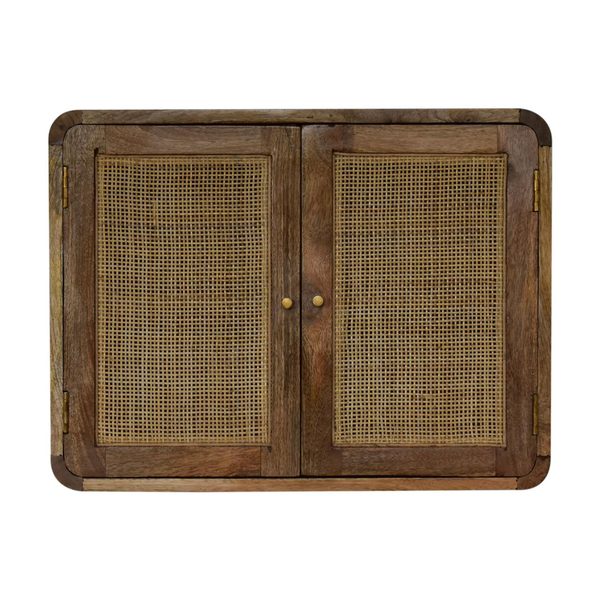
Where does the rattan contribute to the cabinet?
Read the specification for doors, panels and supporting frame separately. Natural rattan comes from climbing palm stems; synthetic rattan-look material is a separate construction. Read which is specified for the panel, then check the supporting frame and its coating independently.
Use the available views to understand the detail. Where the actual front has openings or a visible weave, check how that relates to what you will store behind it. Do not assume ventilation, privacy or dust protection from the material name. Ask about unclear component information if rattan is the reason for choosing. Decide whether the front should show a suggestion of contents or conceal them, then compare its actual openings with the objects you will store.
How much texture should storage add to the room?
A cabinet repeats detail across a larger surface than a small accessory. Compare the rattan component with rugs, curtains, baskets and other furniture nearby. Decide whether it should lead or support the room’s existing layers.
Look at the complete form, including side and top finishes, which may contribute different materials. Natural timber cabinets focus on visible grain if wood character is the alternative you are considering. Colour still needs checking for the actual design; rattan does not establish one beige or brown shade. Choose a deliberate material relationship after the cabinet’s useful dimensions and internal layout are understood.
Does the interior fit your belongings and room?
Measure larger belongings against usable compartments and their front openings. Verify shelves, drawers and any adjustment in the individual description. A material-led front cannot settle the internal organisation task.
Add full door movement and a person’s access to the footprint, including neighbouring furniture. Follow assembly, securing and the actual rattan and frame care. An indoor storage piece should not be assumed suitable outdoors from its material appearance. Living room storage helps with shared contents and lounge access, while bedroom storage focuses on dressing routines. Choose rattan detail on storage whose real functions and maintenance fit the location.
Frequently Asked Questions
The cabinet and cupboard category connects the material comparison with useful compartments and installation.