
Pedestal Console Tables
Pedestal console tables make the support arrangement a strong part of the furniture form. Check the number, shape and footprint of the actual bases rather than assuming one central column. A long top can extend beyond its supports, so its dimensions and the floor-level outline need separate attention.
Read moreRead less
Then compare what belongs on that usable surface and how the console sits beside the wall or sofa. A striking support should still leave room for ordinary movement. This guide helps assess that relationship. Browse any specified pedestal designs, or review the wider console tables category for other bases and storage forms that may serve the same daily location more practically.
Showing all 9 resultsSorted by recommended
-
Week’s PickOriginal price was: $1,637.00.$1,359.00Current price is: $1,359.00.
-
-
On SaleOriginal price was: $1,362.00.$1,294.00Current price is: $1,294.00.
-
-
-
-
-
-
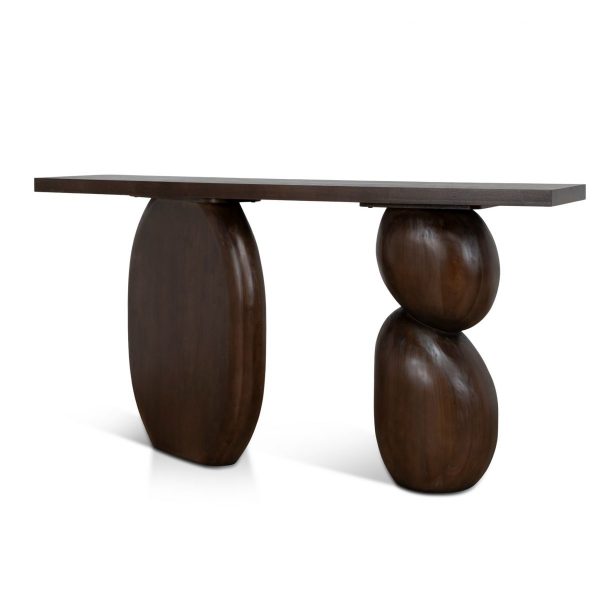

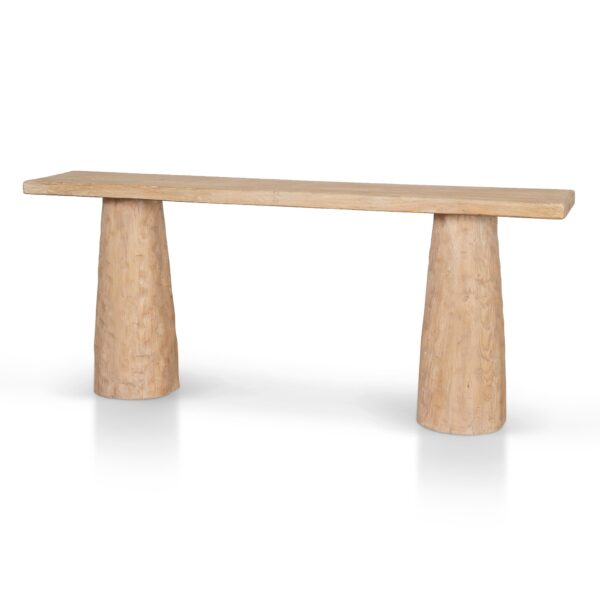
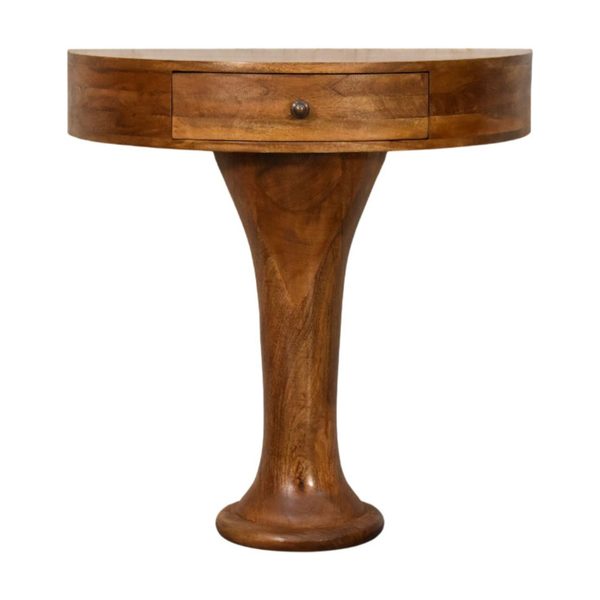
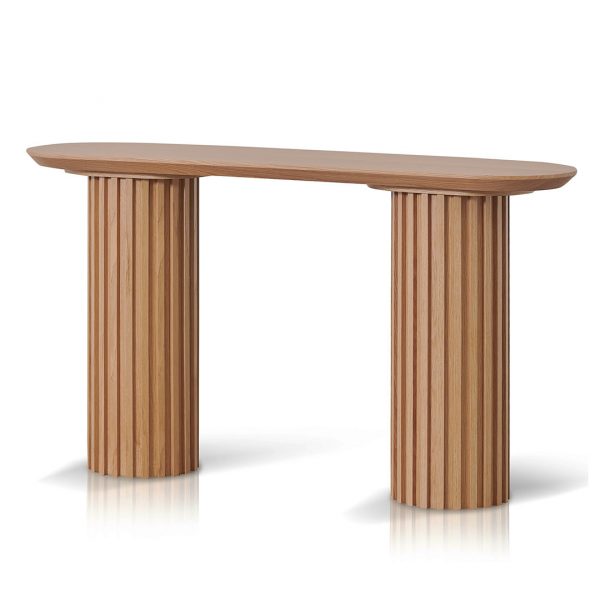
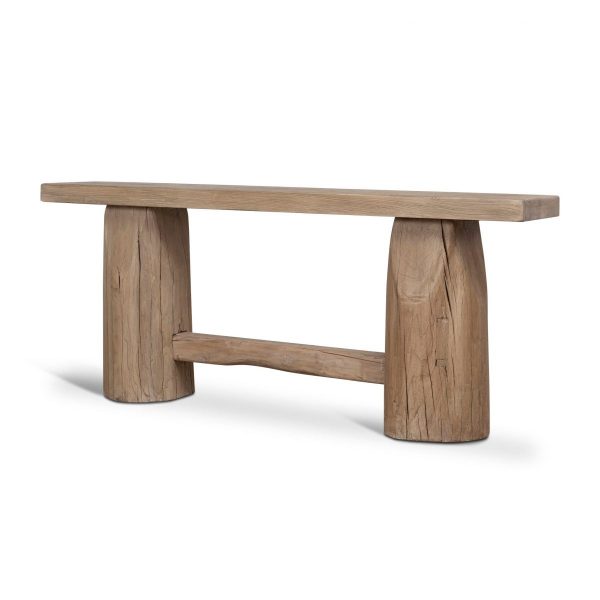


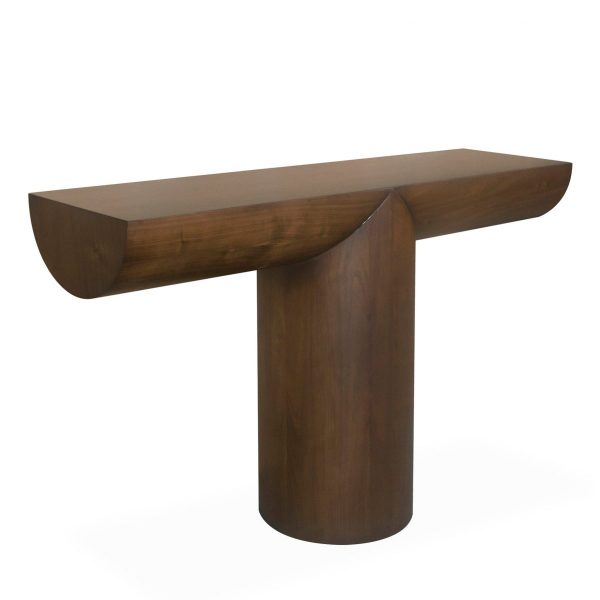
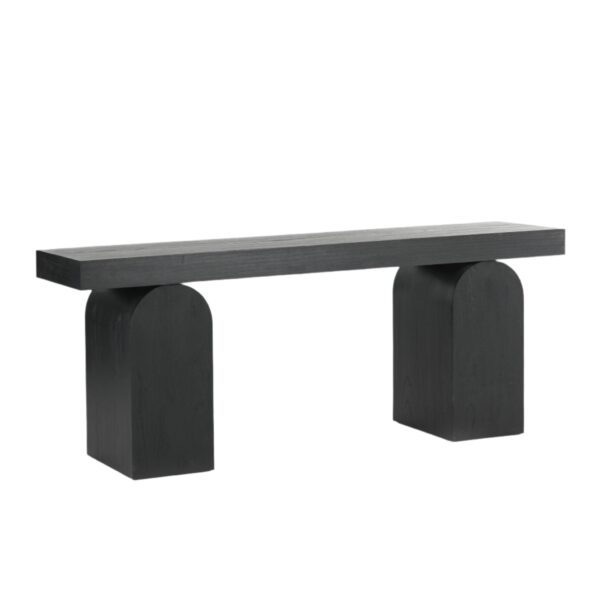
Draw the supports as well as the long top
Read separate base dimensions where provided and mark every support footprint. A slim-looking upper pedestal may widen at floor level, or the design may use several bases. Check the maximum lower projections rather than measuring only the tabletop.
Compare those shapes with skirting, nearby furniture and the place people stand or pass. A support can meet an obstruction before the top reaches your preferred wall position. Ask about missing measurements when placement is tight. If the primary need is less projection, compare narrow console tables while checking the actual base too. The pedestal form should solve its intended proportion without hiding floor space beneath a long surface.
Use the top for objects the actual design permits
Lay out the lamp base, tray and everyday items within the usable top. Include shade overhang and any irregular edge. Use stated load and placement guidance for the actual top, including the support beneath the intended objects.
If a cabinet’s storage is needed, confirm whether the pedestal console actually provides it. A distinctive base does not establish drawers or shelves. Compare console tables with drawers by real contents and opening space. Choose the support because it suits the room and practical surface task, not as a substitute for the storage and working area the household needs.
Relate the base to the room’s existing outlines
Look at the support with the sofa, wall span and floor. A strong base can give a long surface presence; another arrangement may reveal more of the room behind it. Judge the complete silhouette from the entry and close to the top.
Read actual top and support materials separately and follow their care. Check assembly and supplied fixing guidance before placing the piece. Consider cleaning access around the bases and suitable cable arrangement if a lamp is used.