
Office Furniture
Office furniture should be chosen by the task and the people using it. A desk position for focused work, a chair for a short visitor conversation and a table for shared discussion do not need the same arrangement. Start by separating those uses before choosing pieces that happen to share an office label.
Read moreRead less
Compare office chairs for the individual work position and meeting tables for shared access. Check the stated product purpose, dimensions and any required suitability information. A furniture name does not establish commercial approval, a load rating or a set of adjustable features.
Showing 1–24 of 45 resultsSorted by recommended
-
-
On SaleOriginal price was: $339.00.$298.00Current price is: $298.00.
-
-
On SaleOriginal price was: $1,689.00.$1,486.00Current price is: $1,486.00.
-
-
-
On SaleOriginal price was: $633.00.$557.00Current price is: $557.00.
-
-
-
-
-
-
-
-
-
-
-
-
-
-
-
-
-
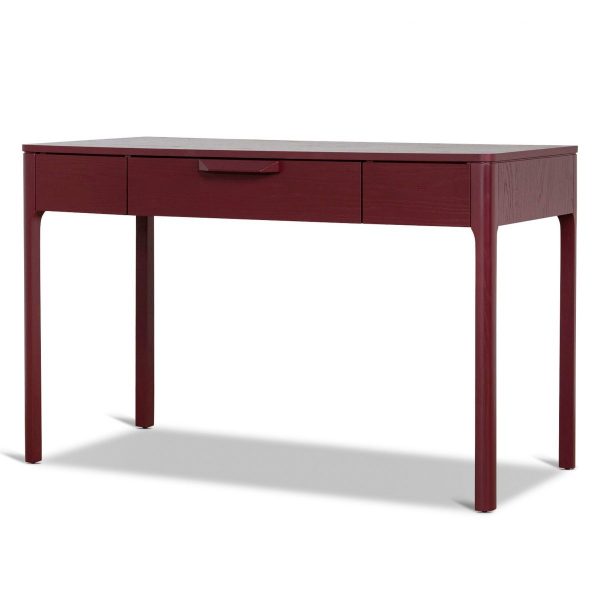

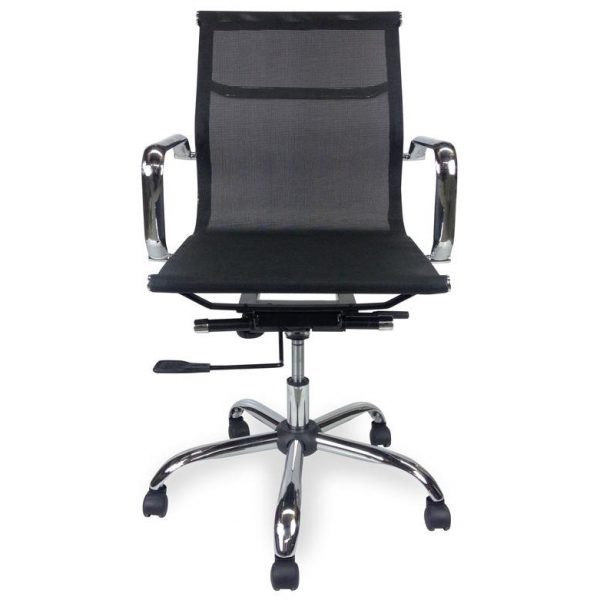
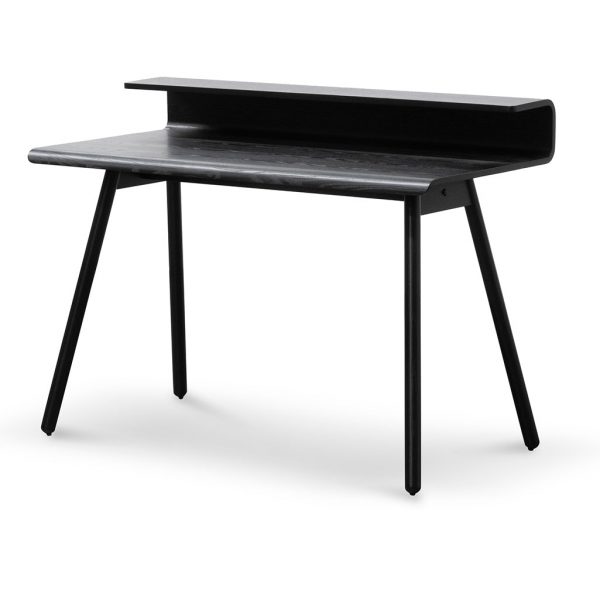
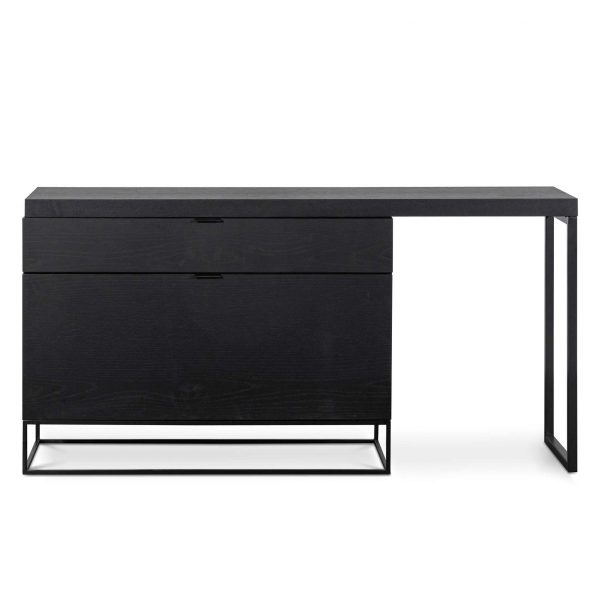

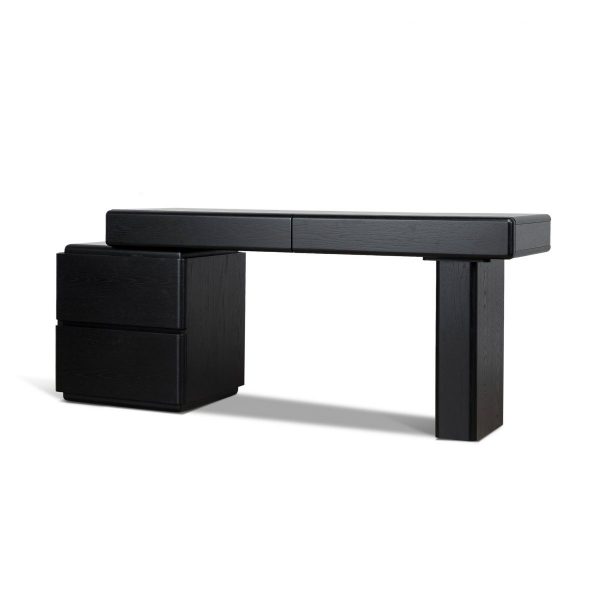
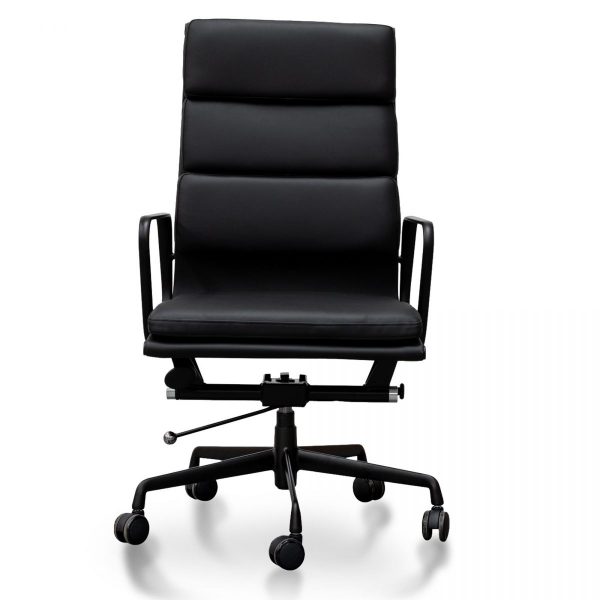
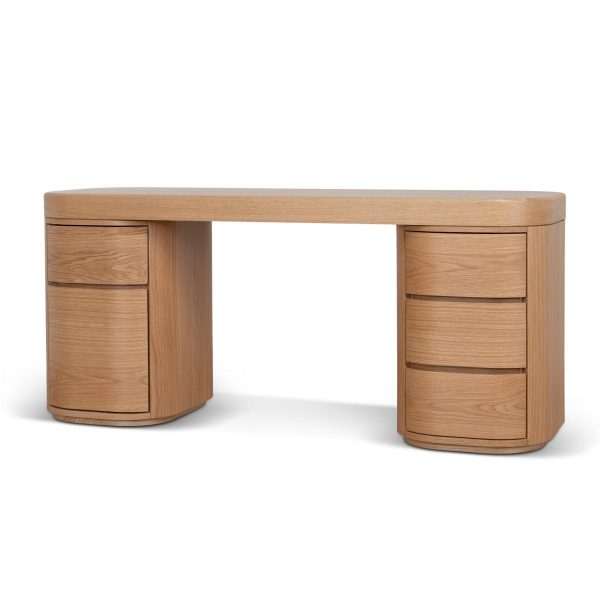
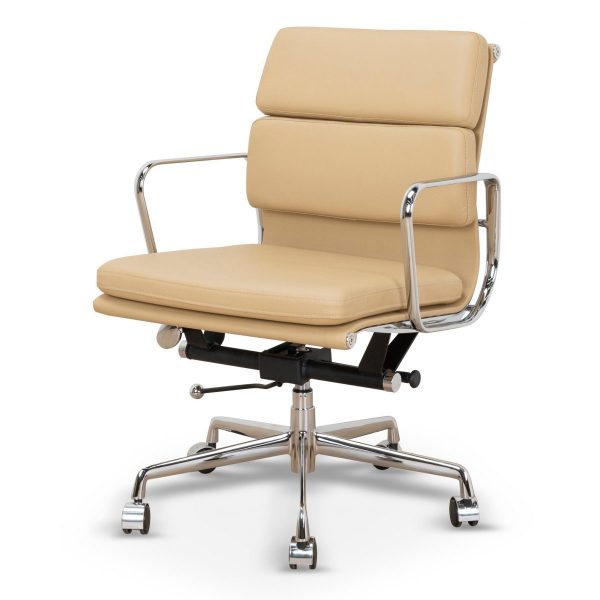
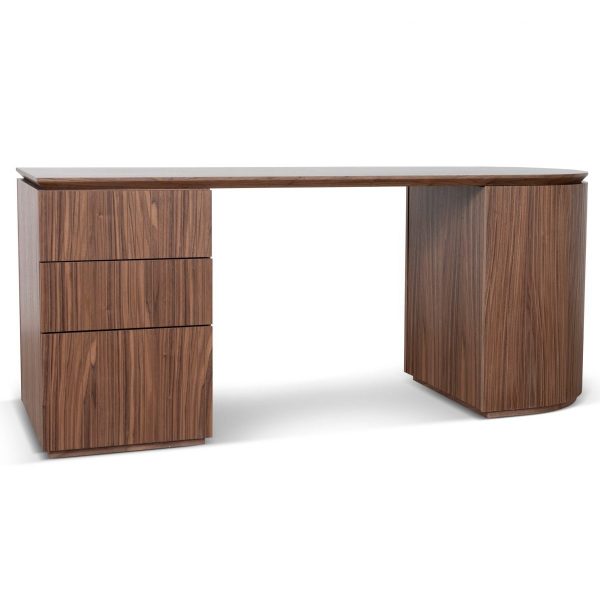
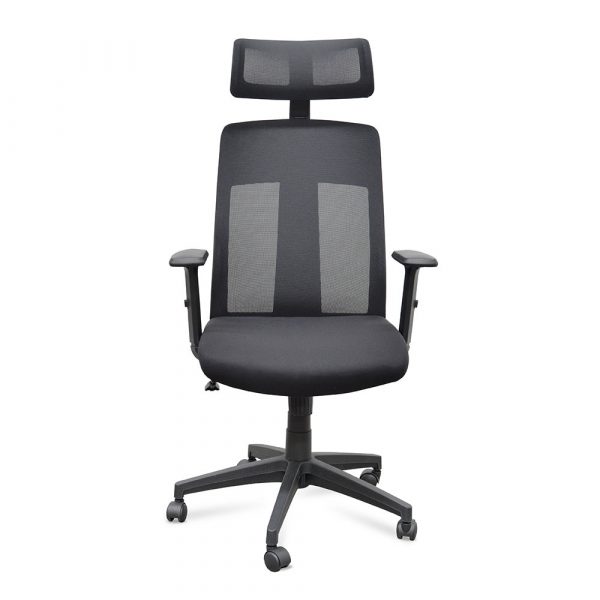
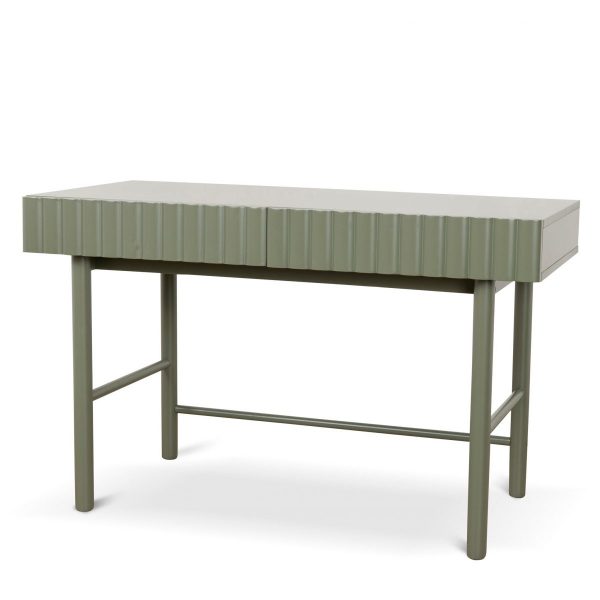
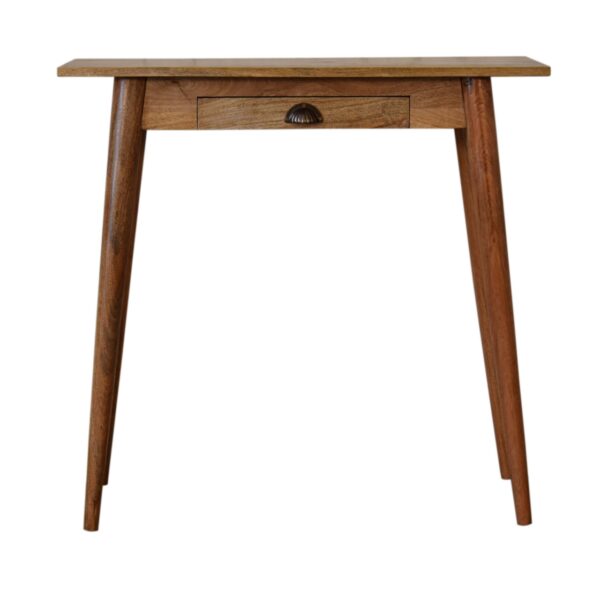
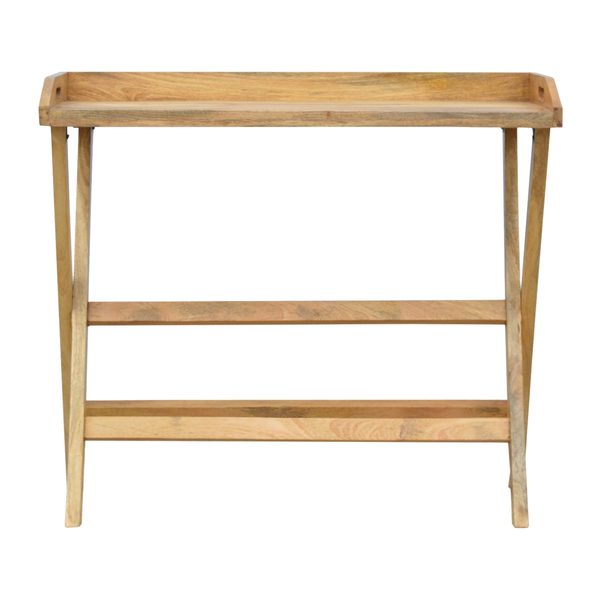
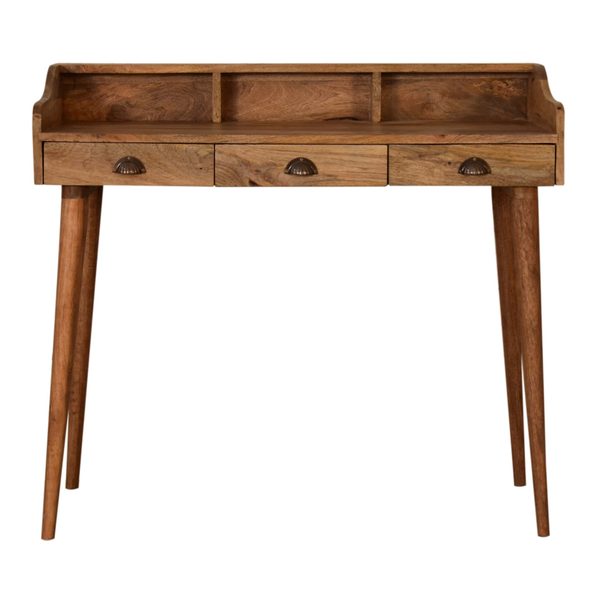

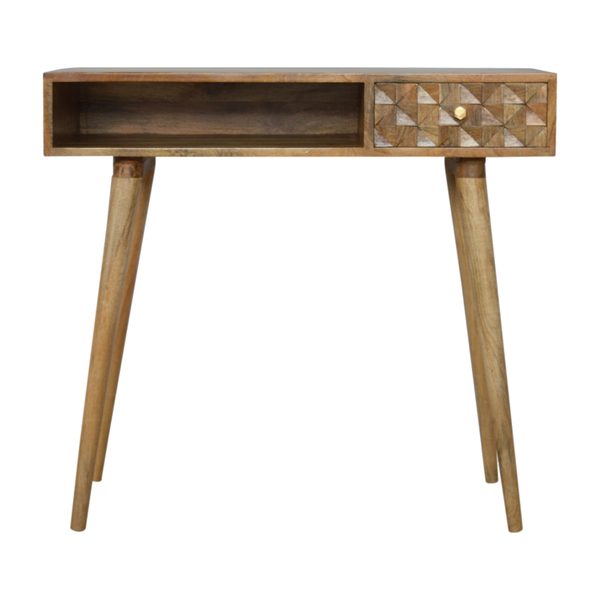
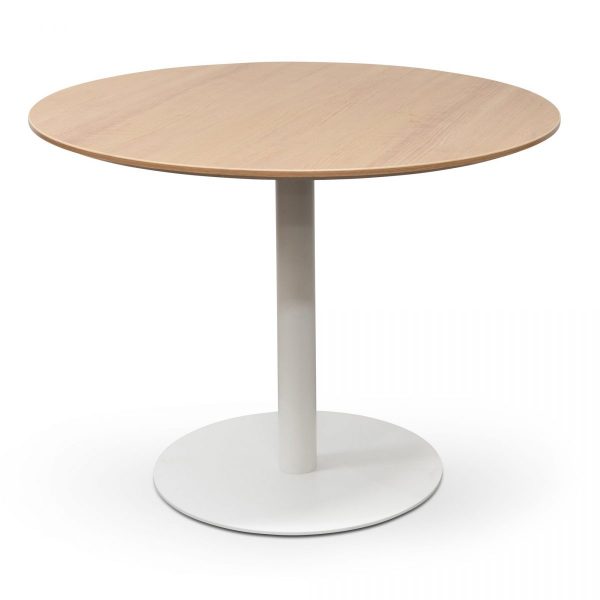
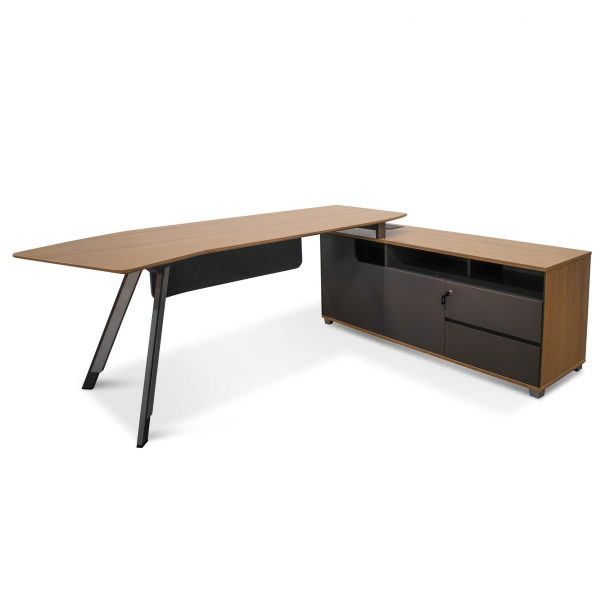
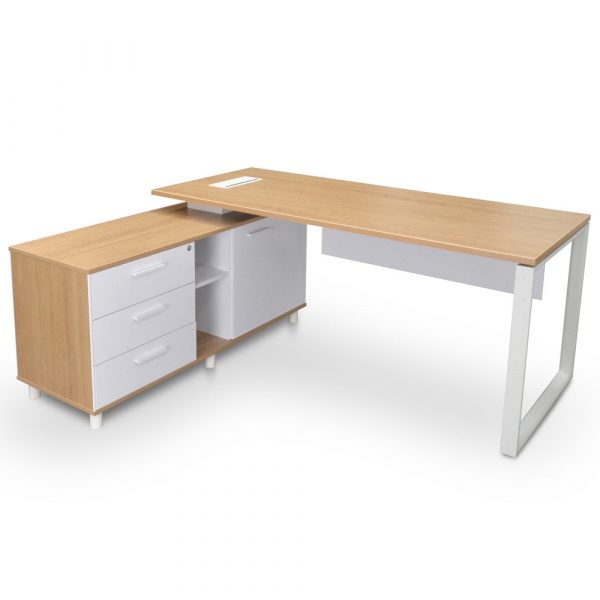
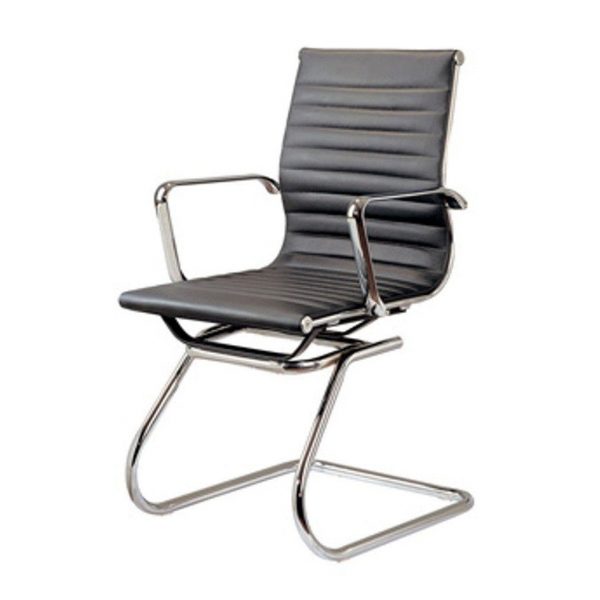
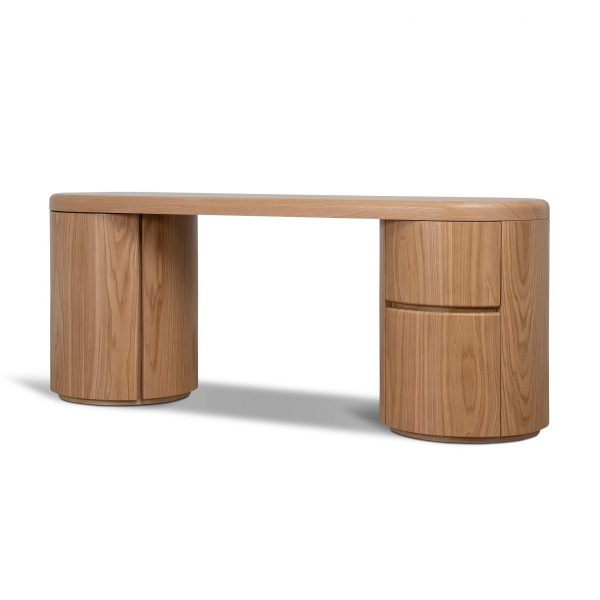
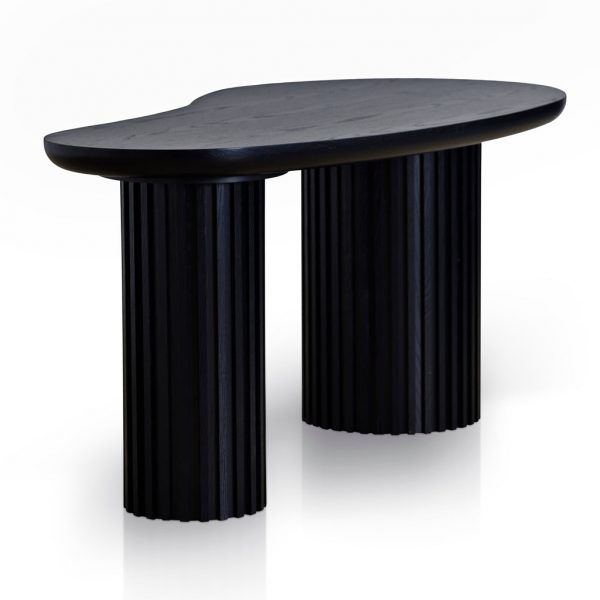
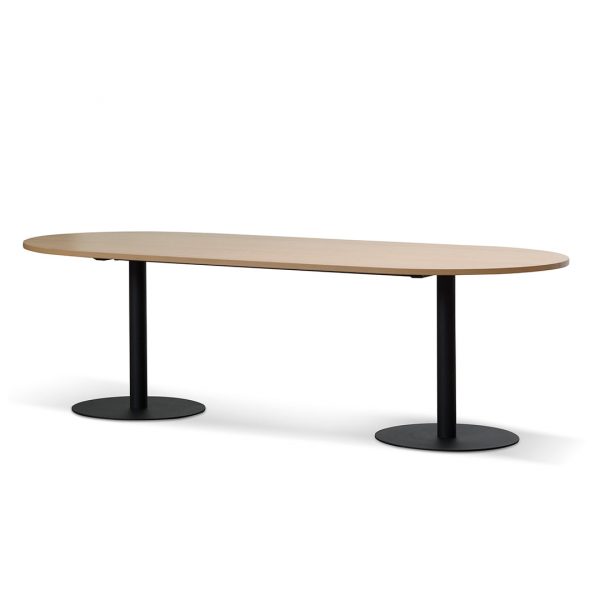
Distinguish focused work from short shared use
List how long and how often each position is occupied. A person working at a keyboard needs a useful desk-and-seat relationship; a visitor may need a place to sit and set down a small item. Choose for those activities rather than repeating one chair throughout the room for visual consistency.
For a shared desk, identify the different users and which real adjustments they need. Read the available controls and dimensions, then check whether the desk also suits their equipment. An upholstered chair is not automatically adjustable, and a swivel base does not establish every movement. Ask for missing specifications where the fitting decision depends on them.
Let several people reach a shared table
Count the people who use the table at the same time and the things they place on it. Laptops, notebooks or presentation material need surface space beyond the seating count. Look at support positions so each chair has usable knee space and can move away.
Check entry and exit around the table with people seated. A meeting area placed beside a door or storage cabinet may create conflicts even when the empty table fits. Confirm cable provisions and equipment compatibility where needed. Choose the shape around how people see and speak to one another, instead of assuming a large top gives every position the same access.
Give shared supplies a clear and suitable home
Separate frequently used stationery from files, equipment and objects that need controlled access. Check storage interiors against those belongings and the route people take to retrieve them. A cabinet close to the desks may be useful, but its open doors should not displace someone’s chair.
Before buying for a workplace, confirm any required product-use suitability, load information or installation instructions with the relevant listing and supplier. Do not infer them from an office collection name. Plan deliveries and assembly from the actual order information. The furniture choice should support the way people work while leaving those specific requirements clearly checked.
Frequently Asked Questions
Working in a household room? Read home office furniture for managing work alongside other daily uses.