
Occasional Seating
Occasional seating is for a useful extra place to sit, whether it joins visitors, serves a quiet corner or supports another room between gatherings. Start with the task and the position the piece will occupy most often. Occasional describes a role, not a promise of compactness or a lower standard of comfort. The seat should still be convenient to approach and suitable for the people who use it.
Read moreRead less
Use this collection to compare that supporting role with actual chair dimensions and materials. Lounge chairs focus on a personal relaxation seat, while living-room seating plans the wider group. Reading chairs offer another purpose-led comparison if the extra place is mainly for books rather than visitors.
Showing all 15 resultsSorted by recommended
-
-
-
-
-
-
-
On SaleOriginal price was: $1,194.00.$1,134.00Current price is: $1,134.00.
-
-
On SaleOriginal price was: $486.00.$462.00Current price is: $462.00.
-
-
-
-
-
-
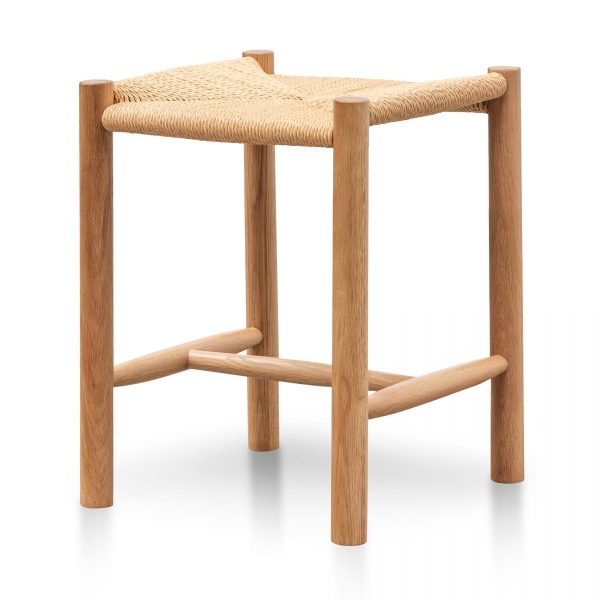

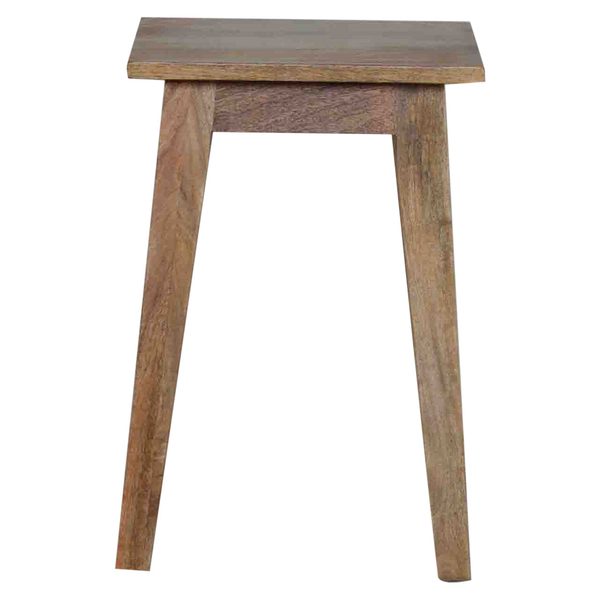
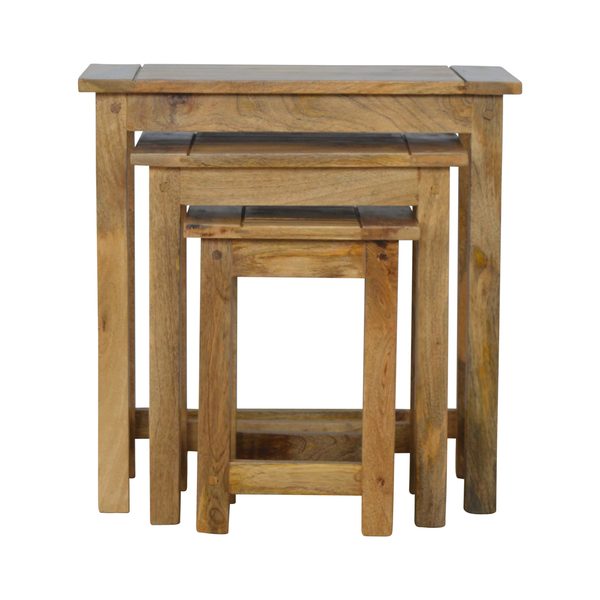
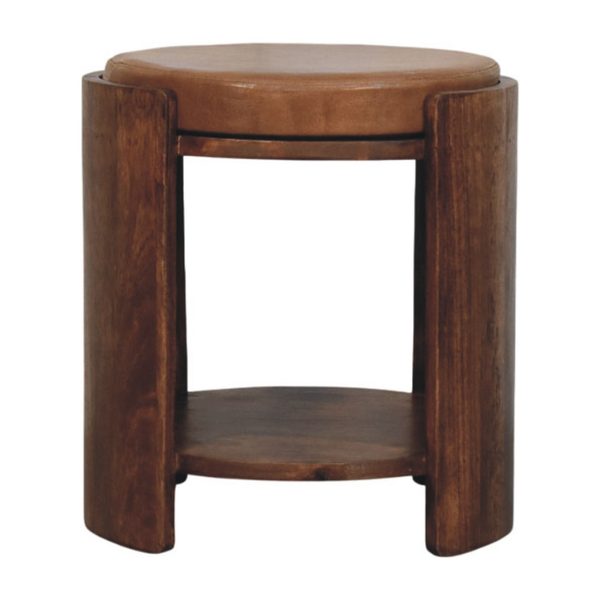
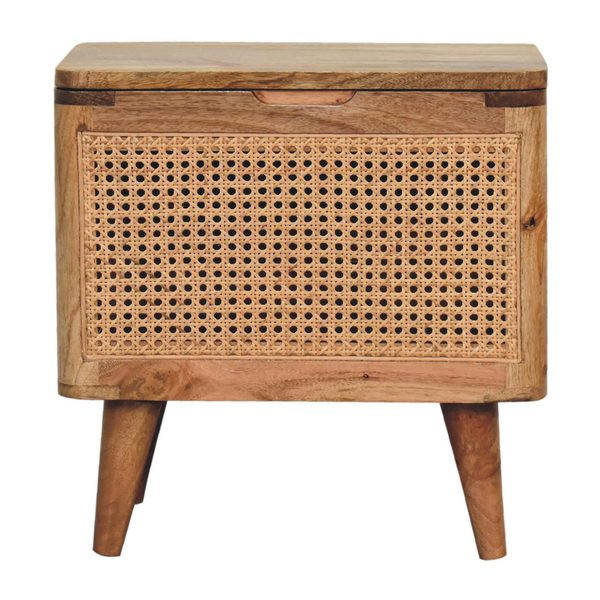
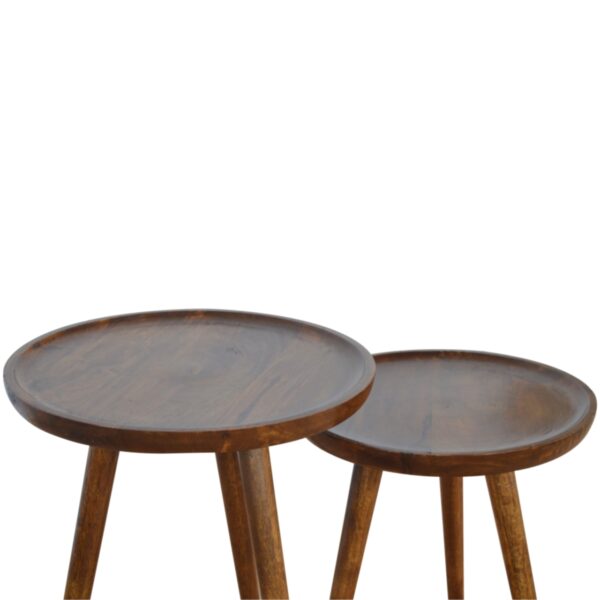
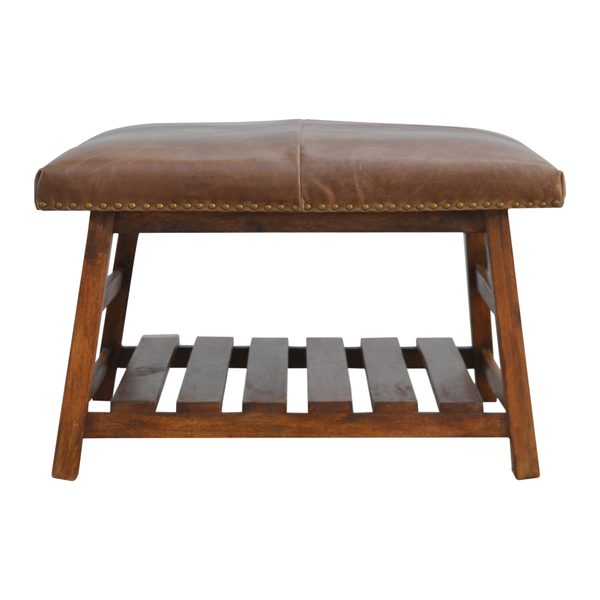
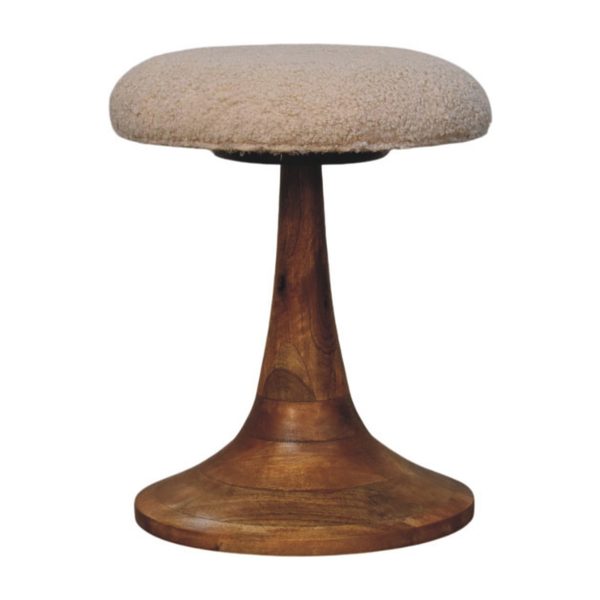
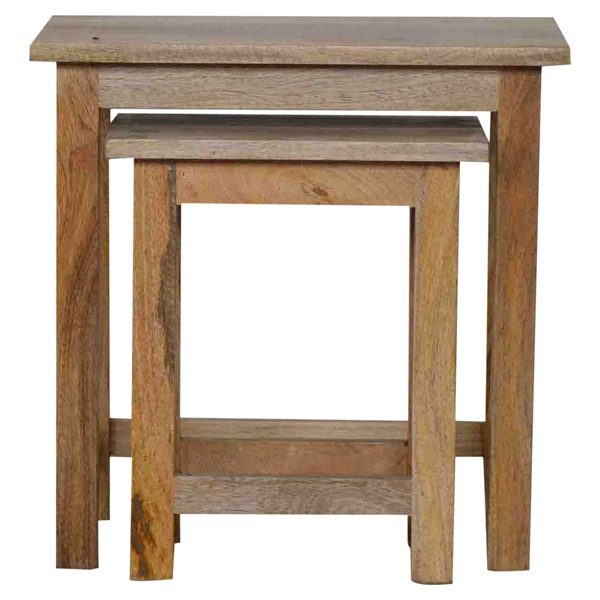
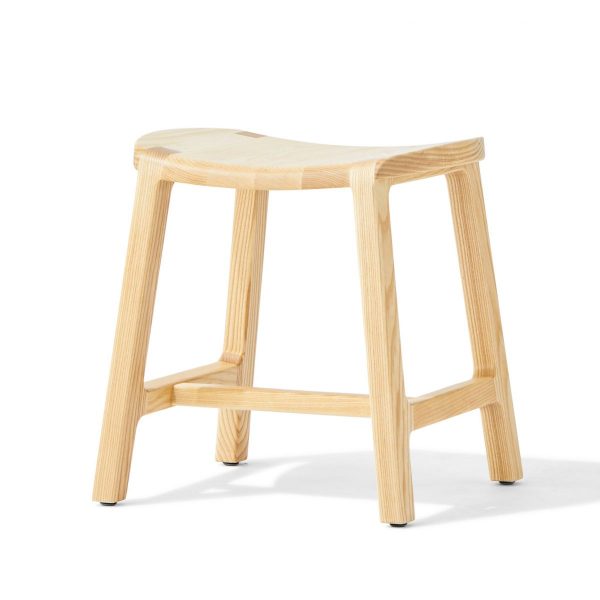
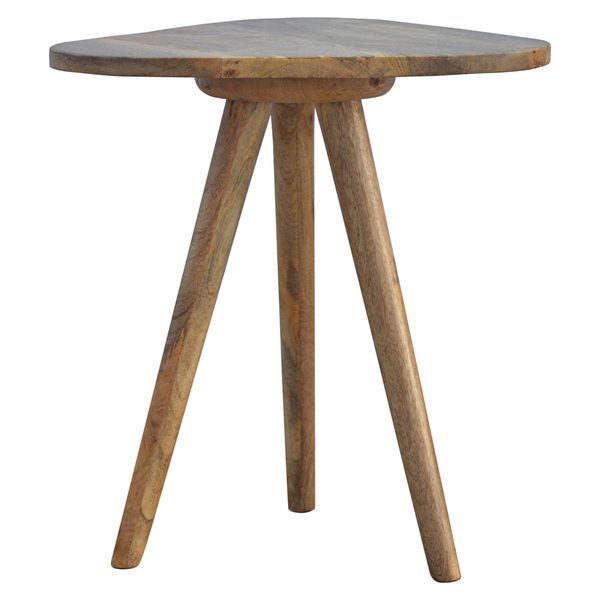
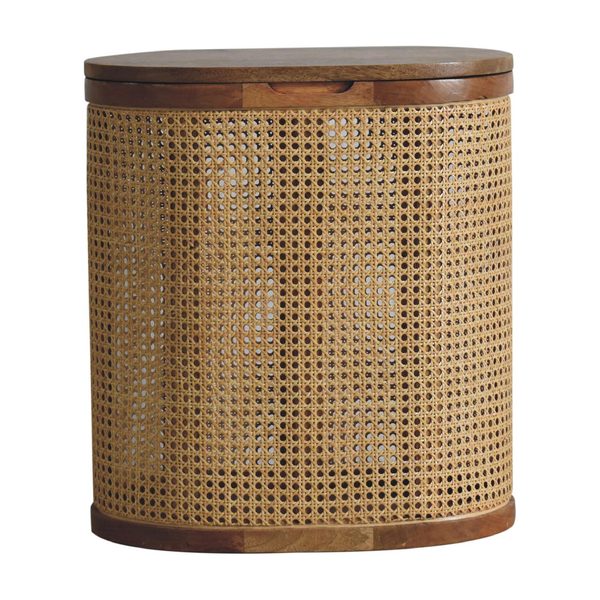
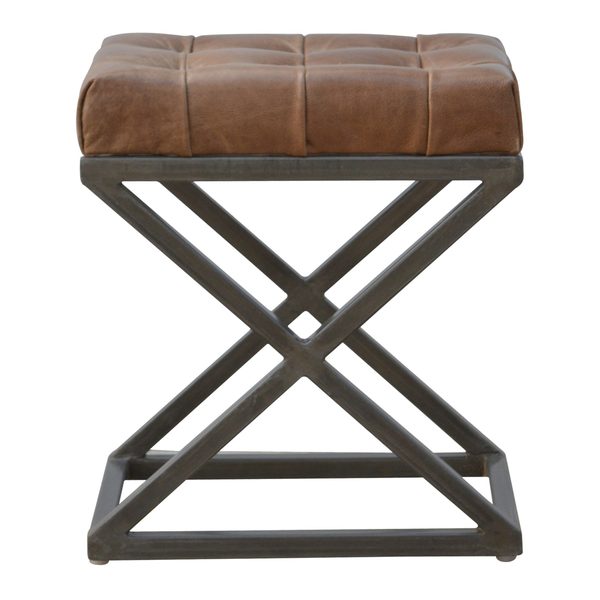
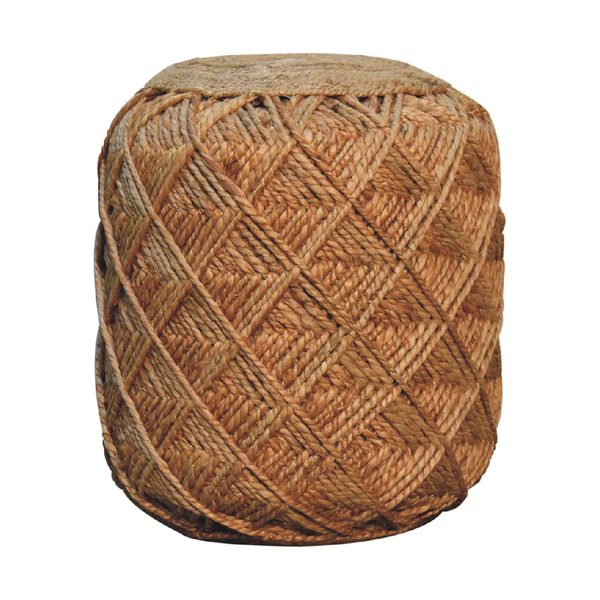
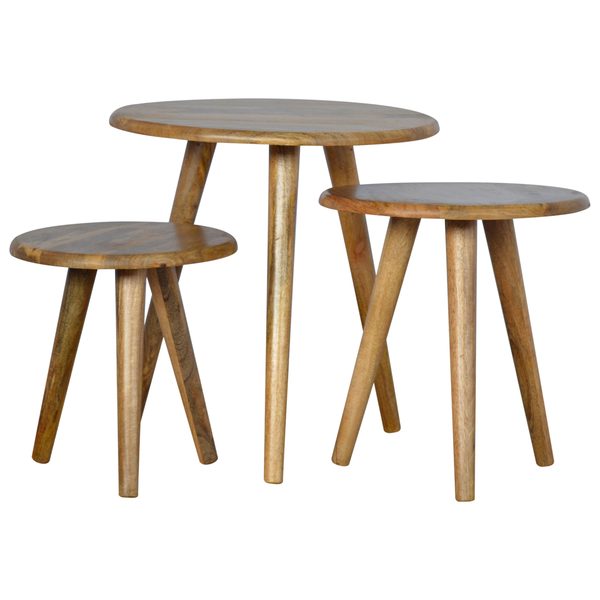
Give the extra seat a clear task between gatherings
Decide where the piece will normally stand and what it does there. A chair brought into conversation needs another useful position afterwards, not only a corner where it technically fits. Check whether the actual design is documented for the intended task and compare usable seat measurements with the people who will sit.
Check the actual intended use before choosing a dining-shaped chair for another task, especially regular desk work or a sustained lounging position. The current VALE Dining Chair is described for dining and occasional seating, with a cane back and microfibre leather seat; those actual details provide a comparison, not a rule for every occasional chair. Choose the supporting role through the selected product’s information.
Test the chair in its normal and visitor positions
Plot full dimensions at both intended angles, including any arms and back projection. Keep approach and room to stand in each layout. If movement is planned, read handling guidance before assuming a smaller-looking piece is convenient to carry. A chair that works parked may still be awkward in the conversation group.
Check access to a drink surface when the extra seat is used. Side tables can support it without enlarging the central table or blocking a route. Compare the rear view if the chair stands away from the wall. The piece should belong in both positions, rather than look finished only when temporarily staged for a photograph.
Choose contact care and origin as carefully as the room role
Read the actual seat, back and frame materials, then follow their care guidance. Less frequent use does not establish low maintenance or remove the need for suitable dimensions. Check any project or other intended-setting requirements through the selected item’s actual use, materials and care information.
Read the actual design attribution and reproduction description for the selected chair. VALE’s product page describes a reproduction, separately from its useful dining and occasional-seating role. Replica lounge chairs offer an informed reproduction route where relevant. Confirm supplied components, assembly and delivery access, then ask benssur about an unclear measurement or use. Choose the extra seat because it performs a useful task, with appearance following that purpose.