
Living Room Seating
Living room seating should be planned around people and activities before individual pieces are chosen. Start with the sofa or seats you will keep, then identify what is missing: a personal reading place, a visitor seat or another position in the conversation. Adding chairs is useful only when they have workable access and a clear role. A balanced-looking plan can still leave one person too far from the group.
Read moreRead less
Use this collection to compare those roles through actual furniture types and dimensions. Lounge chairs focus on personal-seat proportions, while occasional seating explores a supporting room role. Sofas provide the wider shared-seat comparison. Keep the activity and room routes central rather than choosing a collection of matching-looking objects.
Showing 97–115 of 115 resultsSorted by recommended
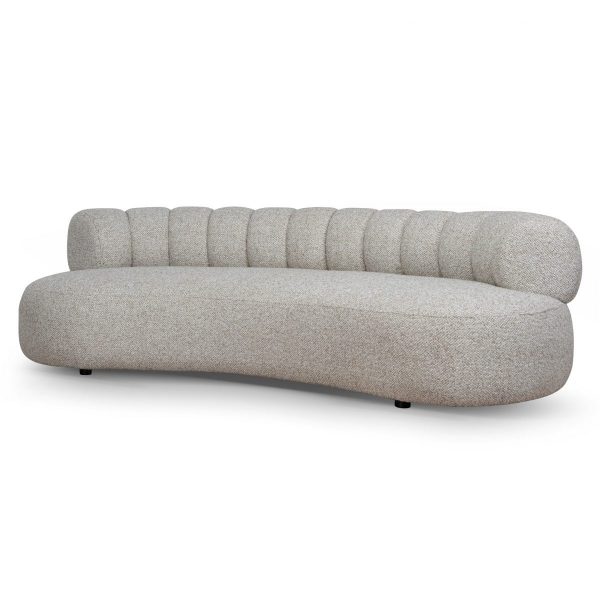

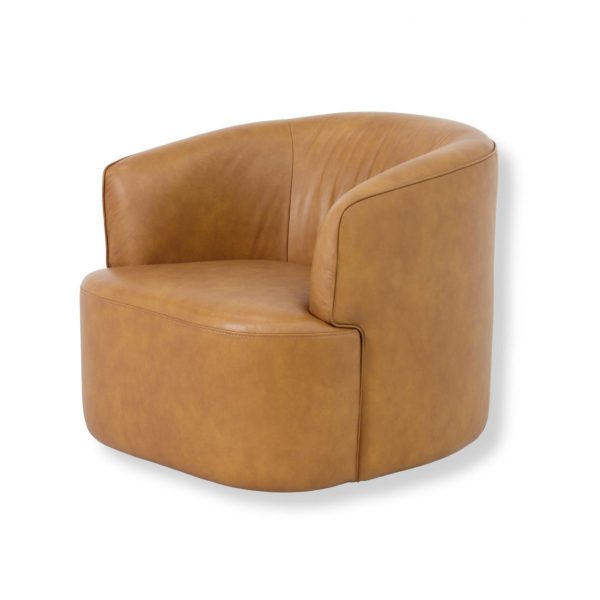
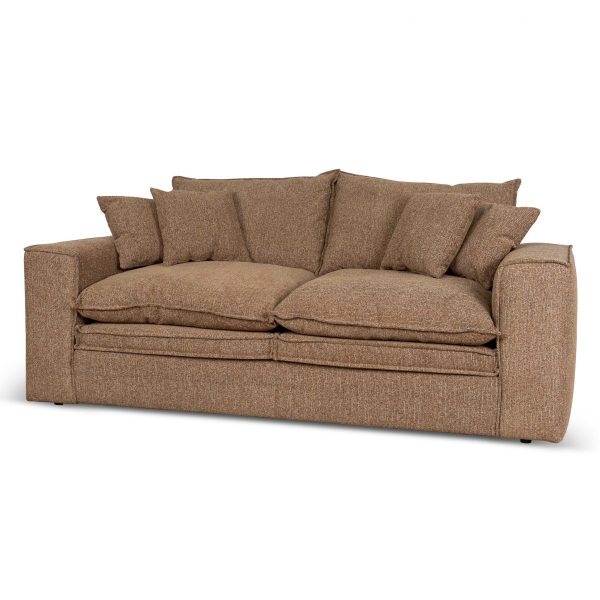
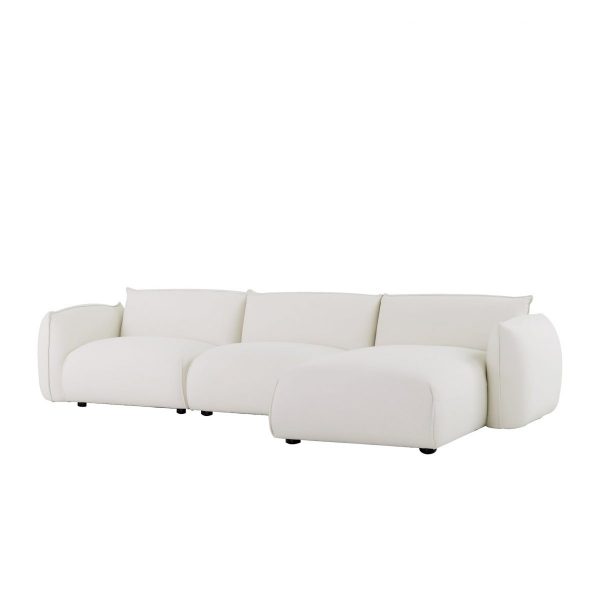
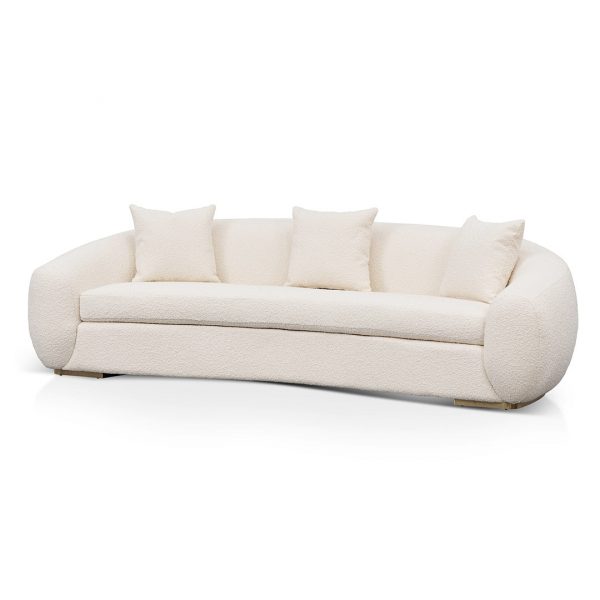

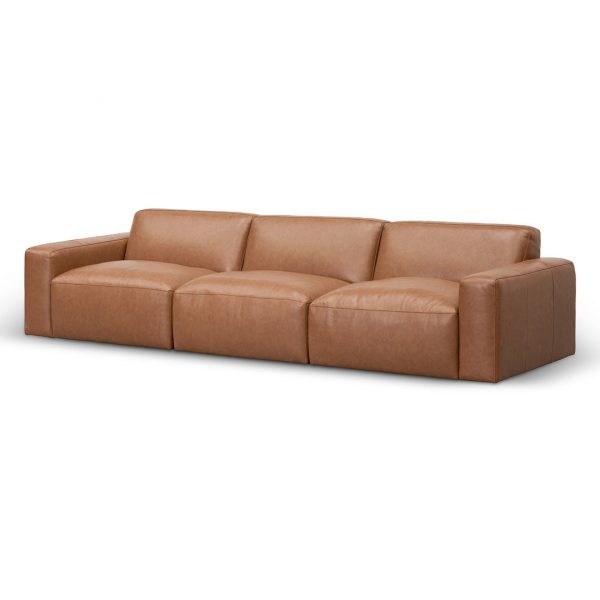

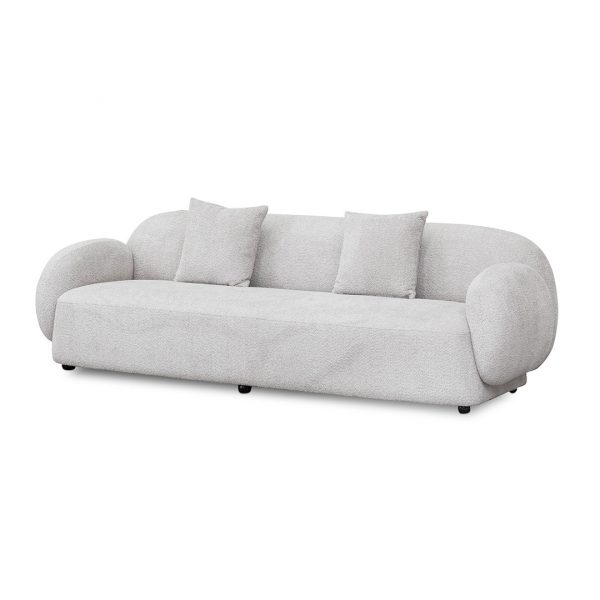
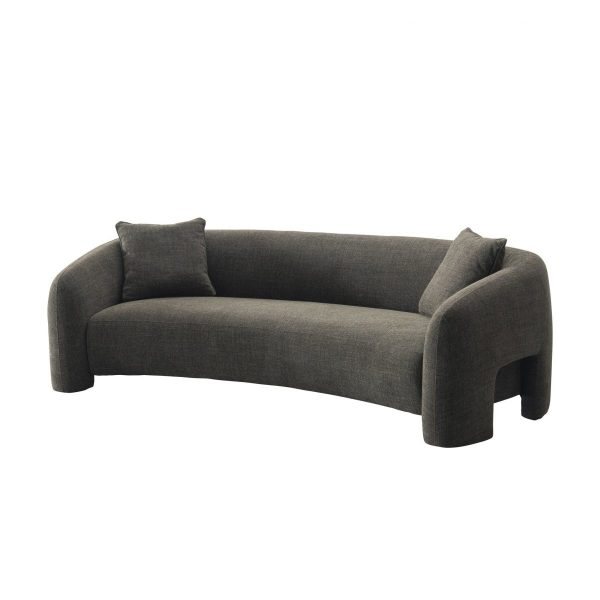

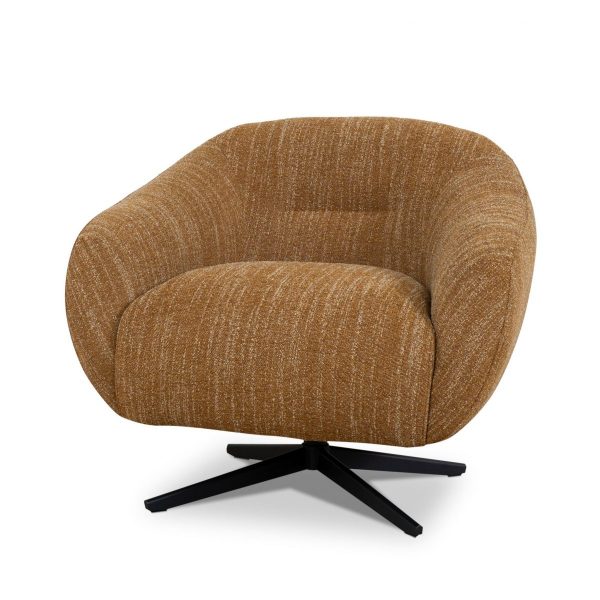
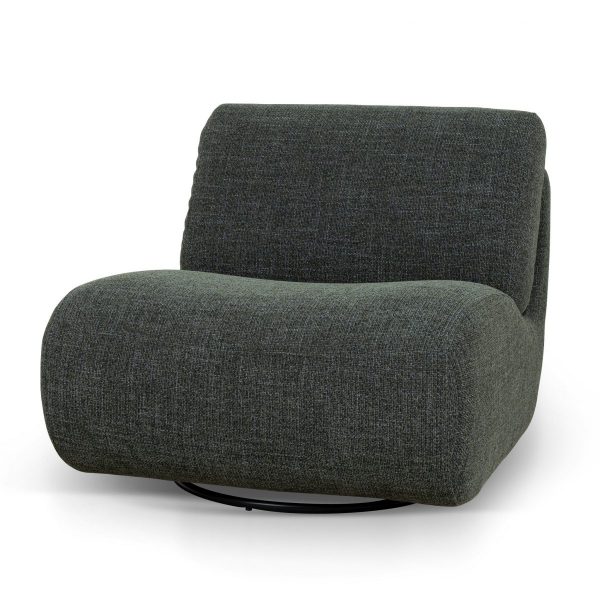
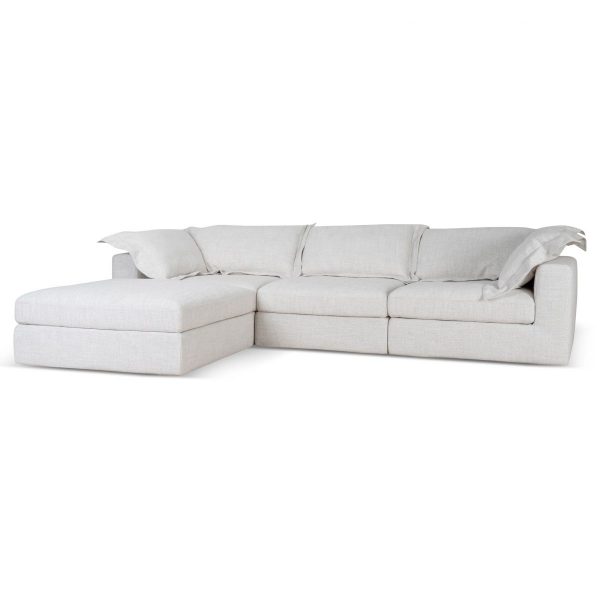
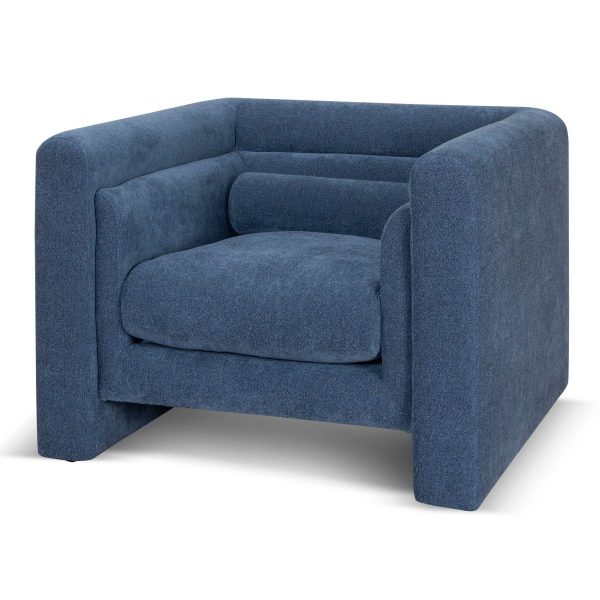
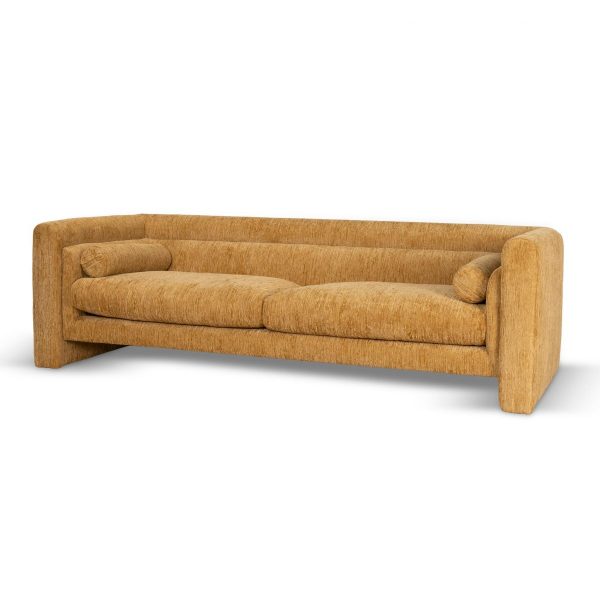

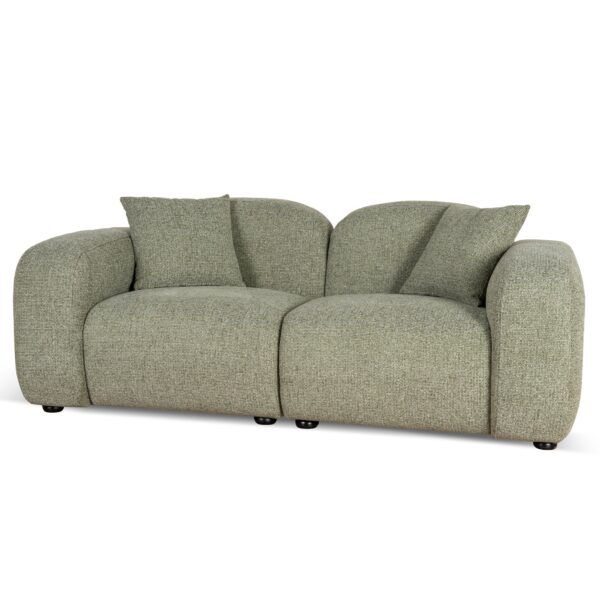

Decide what the existing seating arrangement is missing
List the routines that already work and the ones that do not. A main sofa may serve everyday relaxing while a separate chair creates an individual reading place. Visitors may need another position facing the group, rather than a seat squeezed into a route. Give the new piece a task before comparing its colour.
Consider how often that task happens. A permanent chair and a piece brought into the group occasionally create different placement needs, but neither should be treated as lower quality by its role. Reading chairs focus on a specific activity. Choose actual furniture that serves the user and space instead of adding seats only to create visual symmetry.
Arrange the conversation and the route between seats together
Mark full furniture outlines at their intended angles. Turning a chair towards the sofa changes the occupied shape, so check approach and standing space in that position. Keep the route from the door to each used seat clear. A chair should not require another person to move each time it is approached.
Think about the shared view and access to objects. Side tables can serve a separate seat, while coffee tables support the central group. Avoid expecting one large table to reach every person if its footprint interrupts movement. Compare seating and useful surfaces as one plan, rather than completing the chairs first and fitting tables into what remains.
Compare comfort, materials and origins per piece
Read usable seat measurements and back arrangement for each selected product. Matching appearance does not establish the same sitting position, covering or support. Compare the person’s preference and the actual role. A visitor seat and a daily personal chair may both need useful proportions, but their routines can differ.
Keep materials, care and origin tied to the individual listing. Read whether each selected chair is described as a reproduction and what attribution is given. Use its own materials and care even when it coordinates with neighbouring seats. Replica lounge chairs provide an informed reproduction route. Confirm assembly, handling and delivery access, then ask benssur about unclear dimensions or construction. Choose each seat for the activities you use the room for. Check its actual proportions and purpose, then bring the styles together as one useful group.