
Hallway Tables
Hallway tables should make arriving and leaving simpler. Keys, a phone or everyday small belongings need an easy place to land, but the table also sits beside movement through the home. Start with that sequence before choosing a long piece for an empty entry wall.
Read moreRead less
Check the door swing, nearby storage and the route taken while carrying bags. Then decide what stays on the top and what needs a specified compartment. This guide helps plan a hallway surface that supports daily use without narrowing the passage unnecessarily. Browse any listed pieces with your actual entry in mind, or review the wider console tables category if another location or purpose better suits the furniture.
Showing 31–60 of 81 resultsSorted by recommended
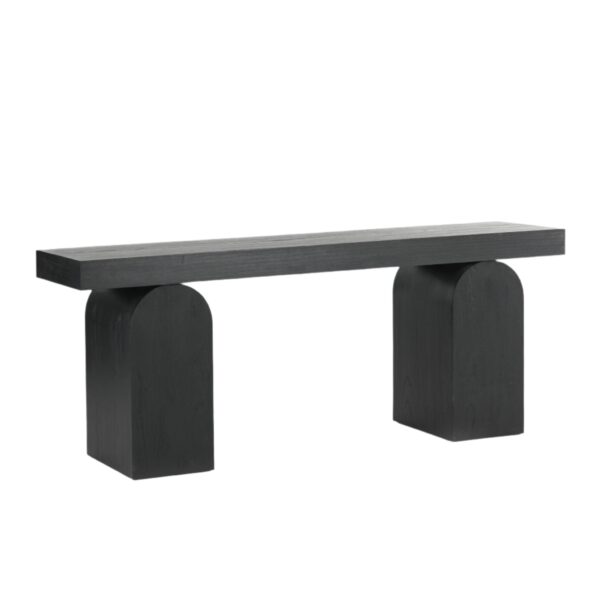

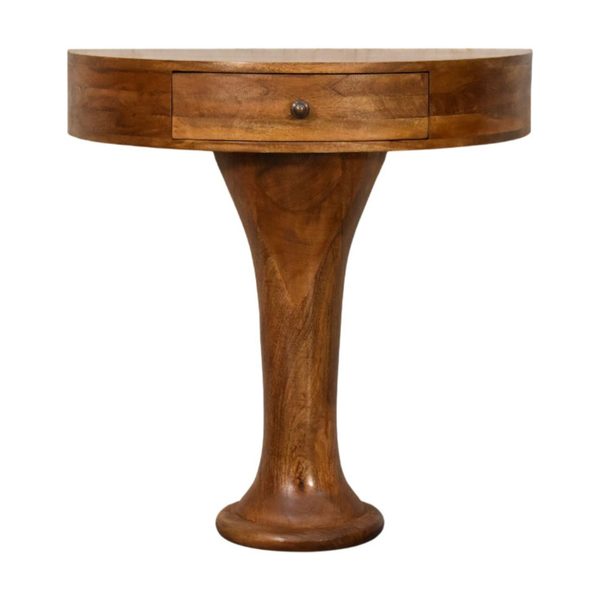

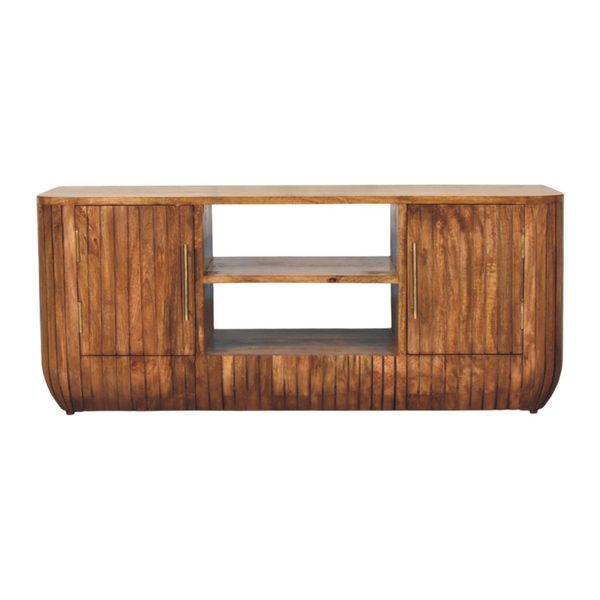
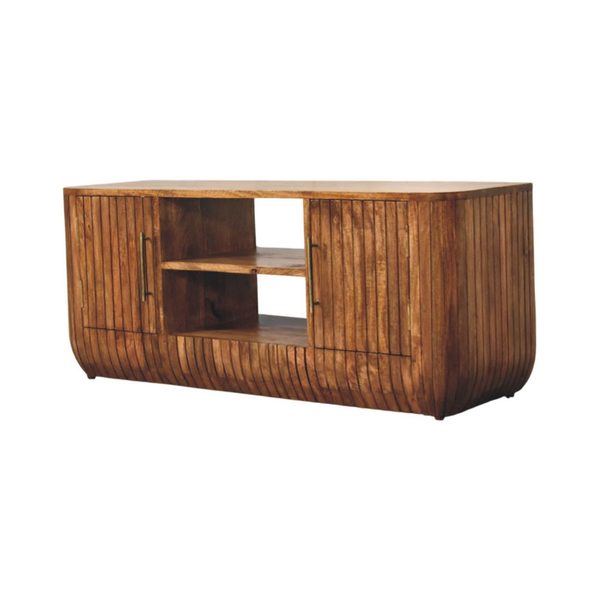
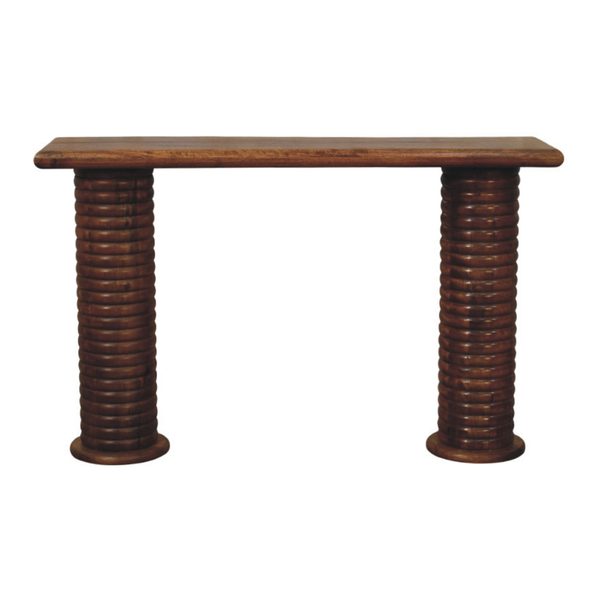


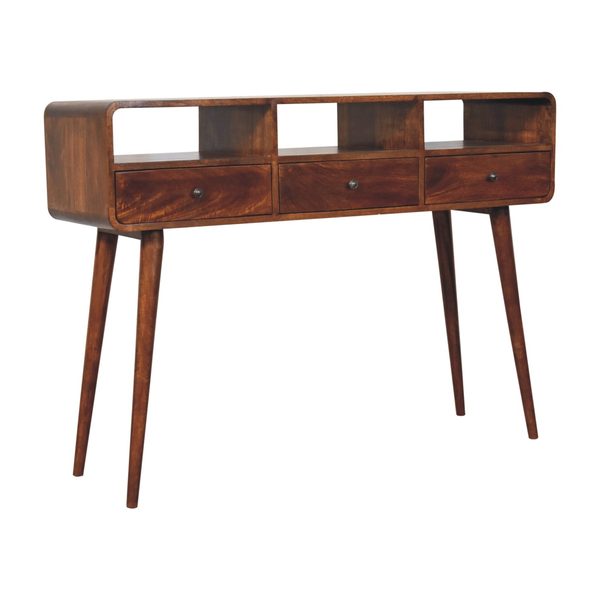

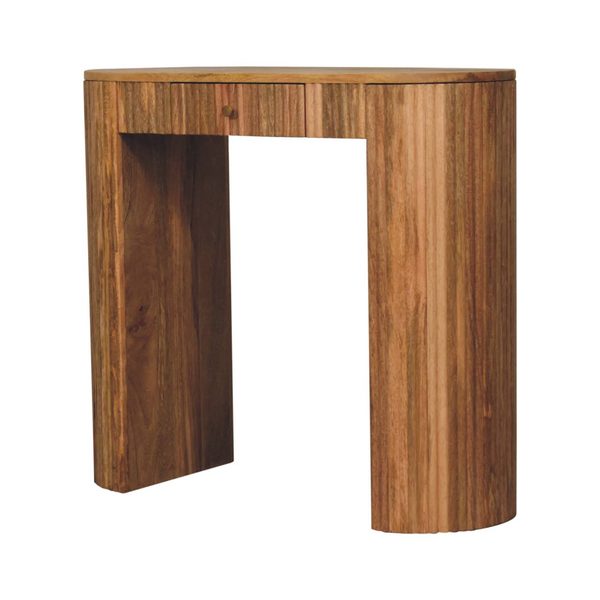

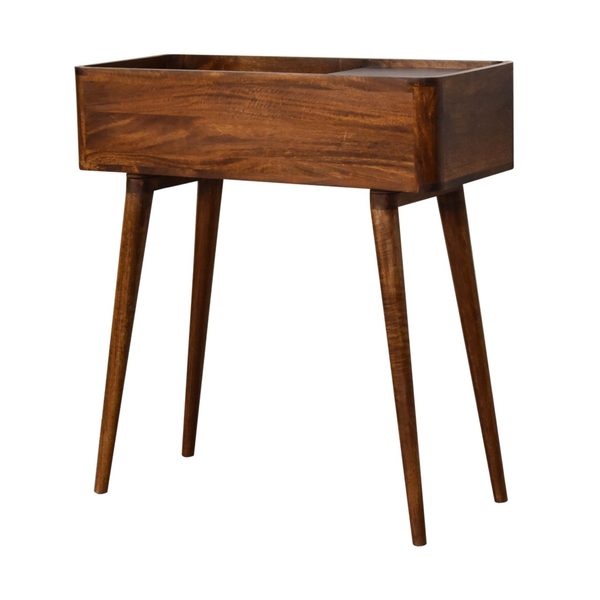


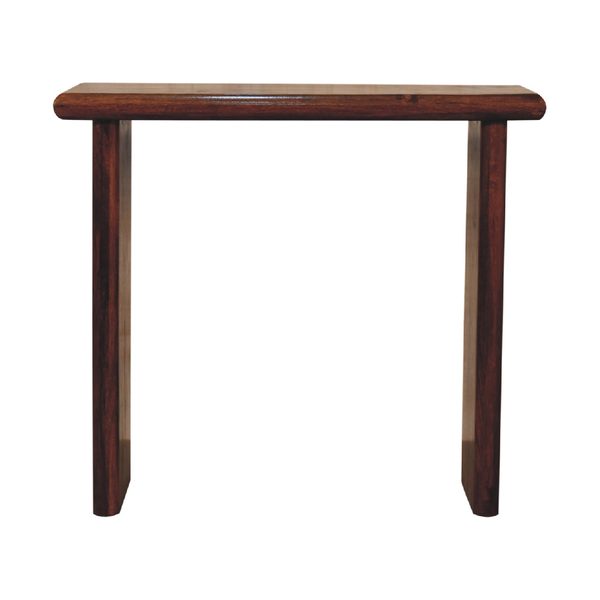
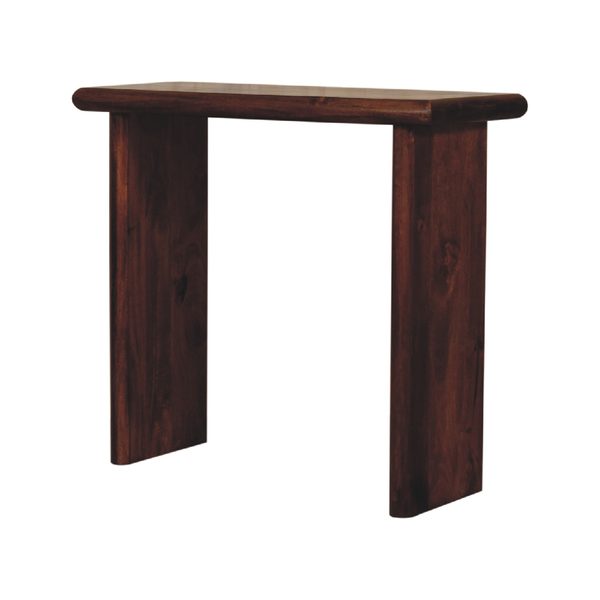


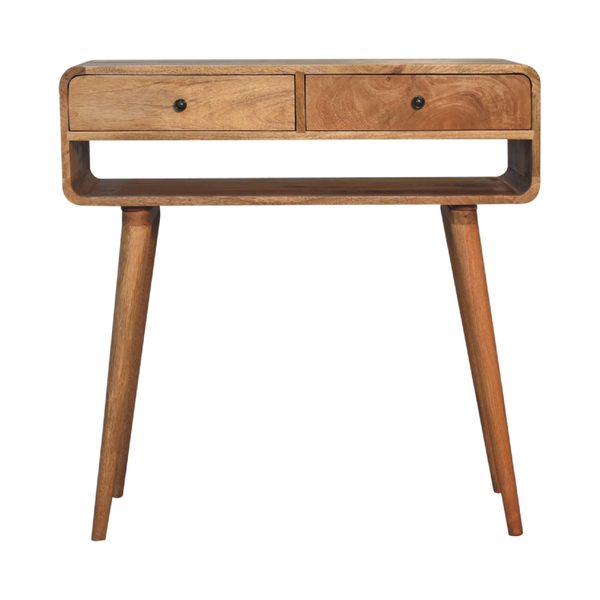


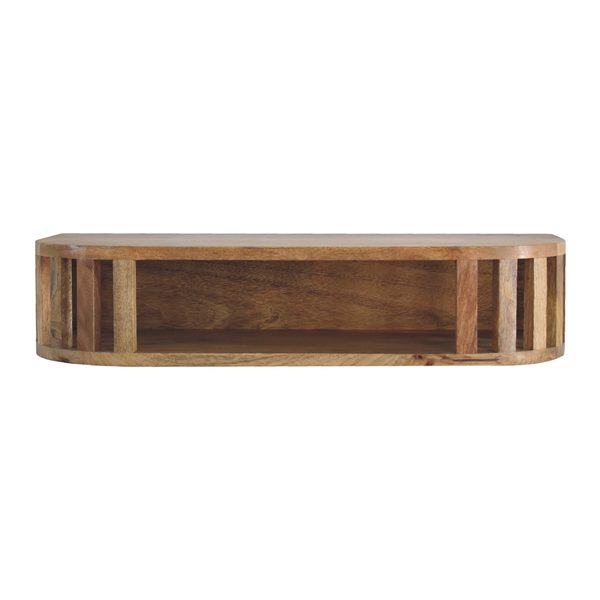


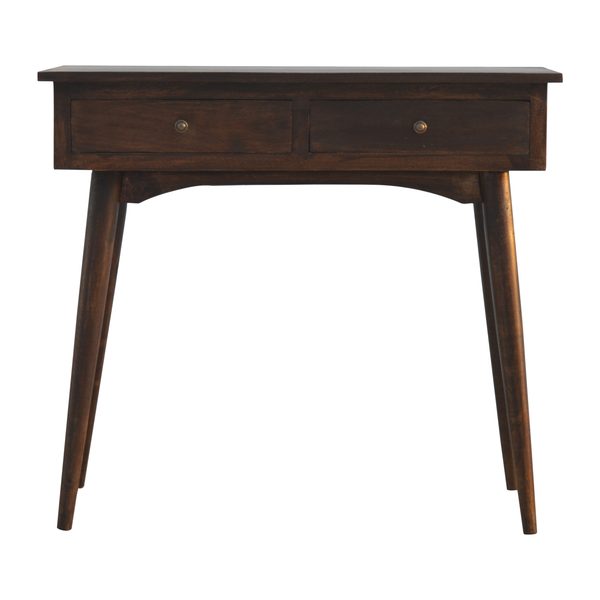
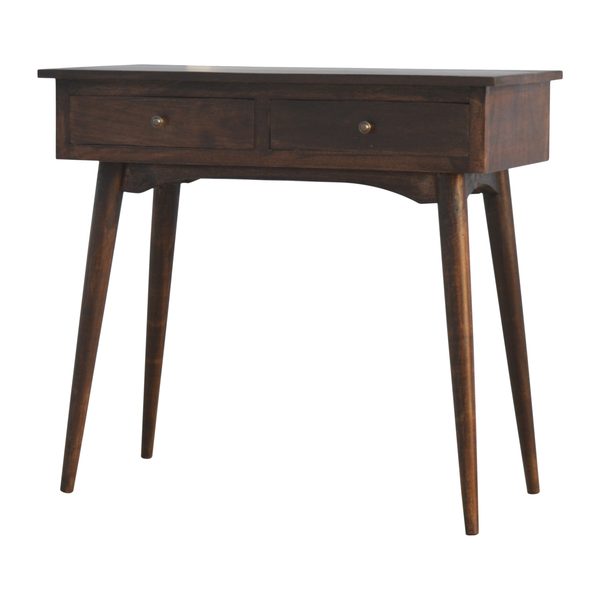
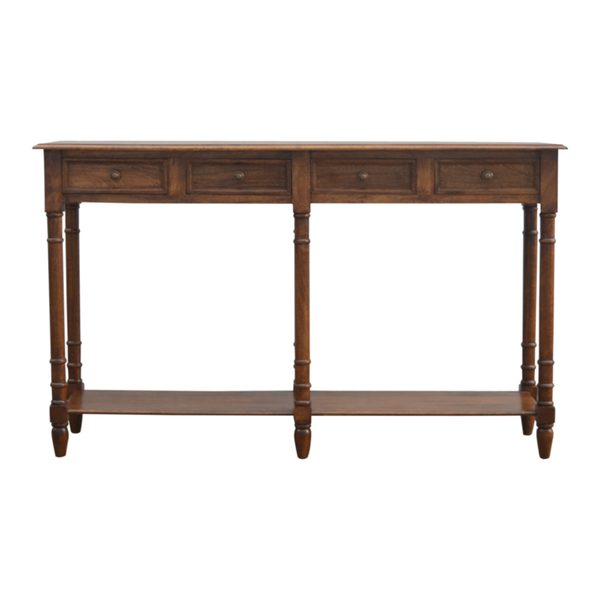
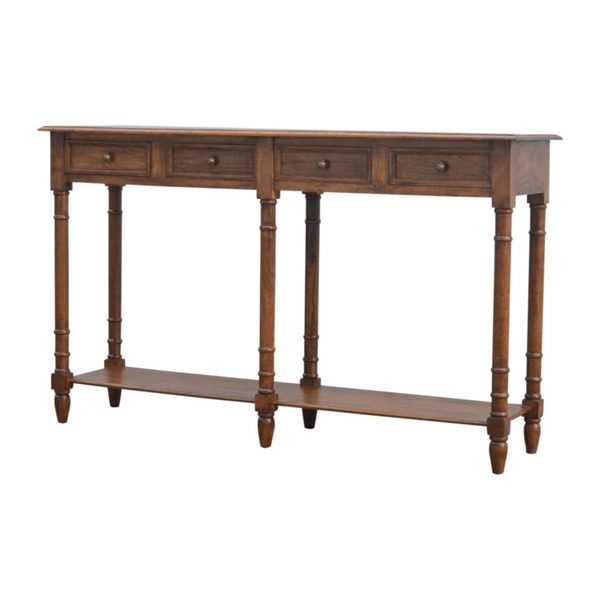
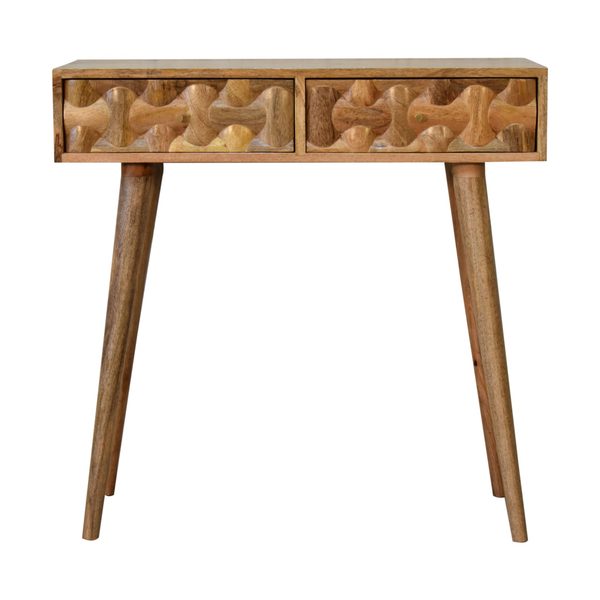
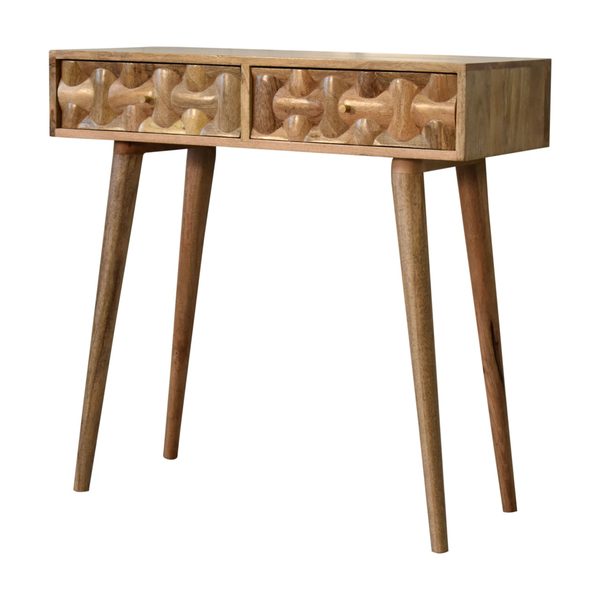


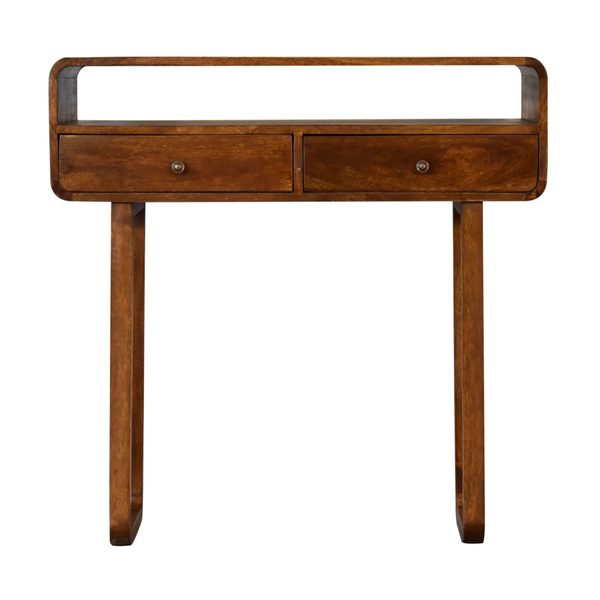
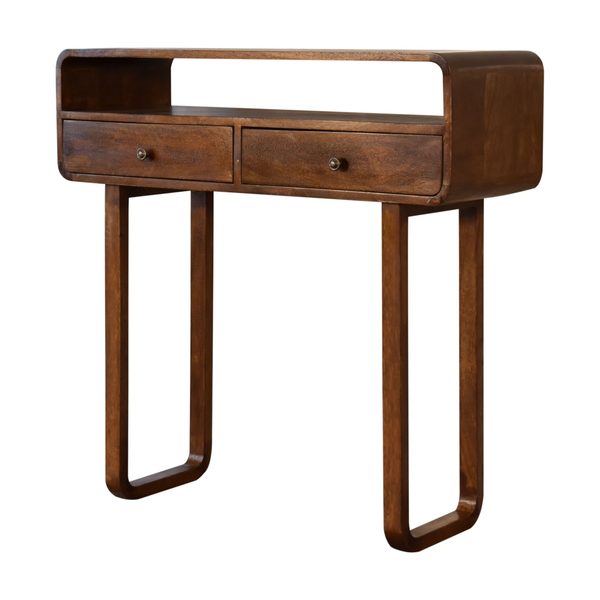


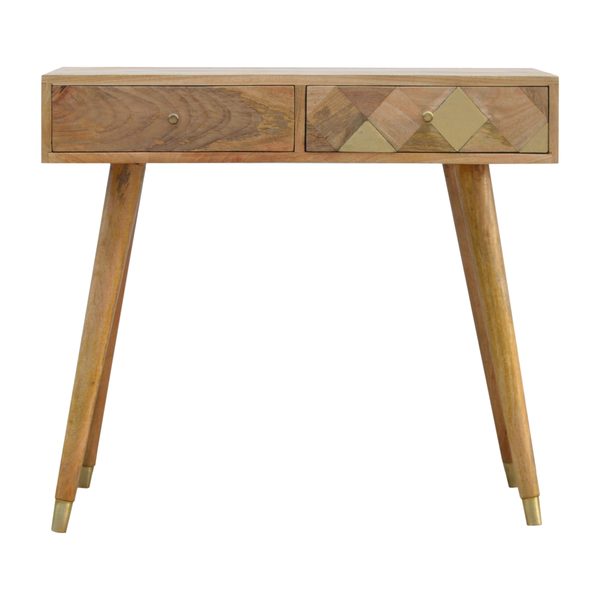
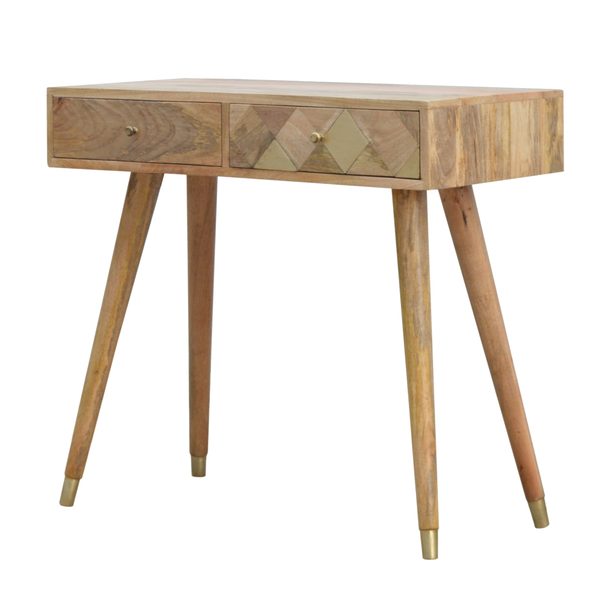
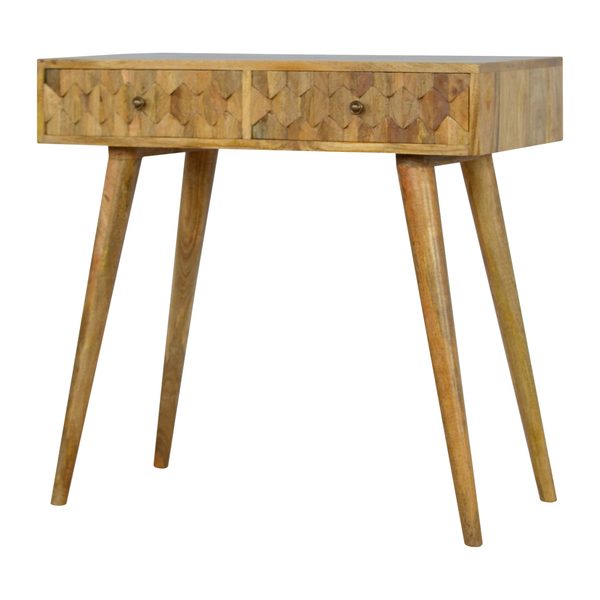

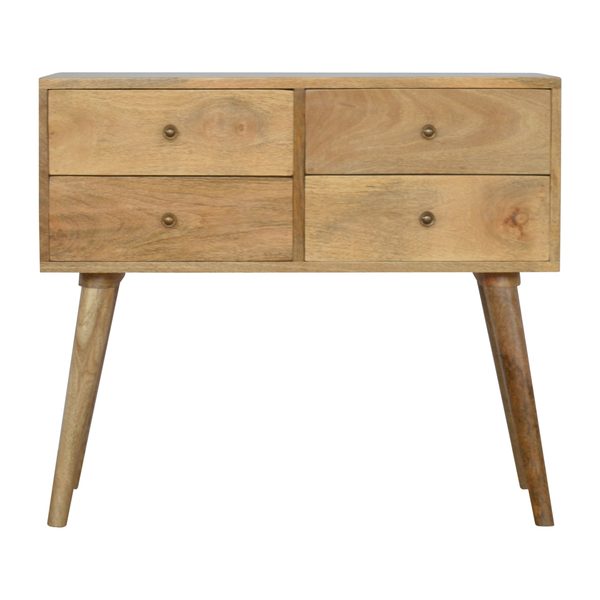


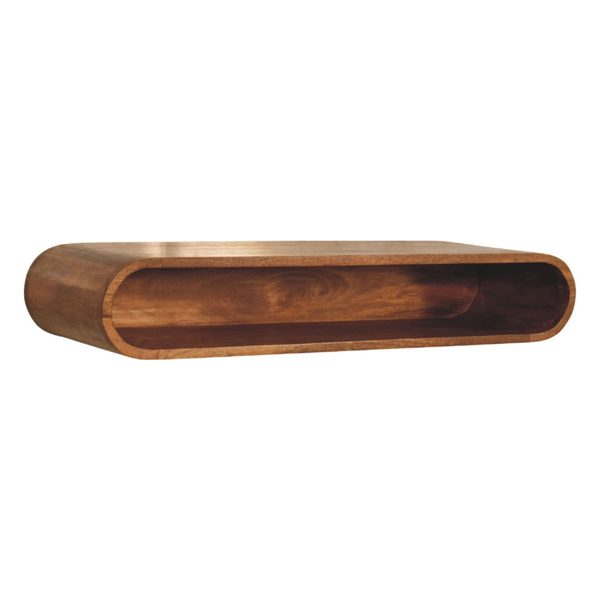


Map movement before adding an arrival surface
Mark the entry door and other nearby openings, then show the routes people use through the hallway. Include the space occupied while carrying bags or turning to another room. The useful gap is the one that remains during ordinary arrival, not an empty corridor photographed straight on.
Measure complete console depth, top projections and handles. Skirting boards can affect how close it sits to the wall. Compare narrow console tables when less projection is the main need, while checking the real dimensions. A hall table should leave its daily movement clear instead of gaining a surface by transferring inconvenience to the doorway.
Give each arrival item a practical place
List the objects usually put down first. A small tray or organiser may help where it fits, but check the usable top and keep a clear area to land a phone or keys. Avoid making the arrival routine depend on rearranging a decorative display.
If items need concealment, compare console tables with drawers using actual interior space and opening clearance. A drawer can serve small belongings without becoming the home for every unrelated item. Consider the position of a lamp or charging lead only where the product and electrical arrangement allow it. The task should remain simple to reach and use during the real arrival sequence.
Choose a surface and storage routine you can maintain
Hallway objects can include keys, bags or damp items brought in from outside, so read the actual finish guidance before placing them on the console. Protect the surface as instructed rather than assuming a hallway label establishes resistance to water or marks.
Keep larger belongings in suitable separate storage if the console is not designed for them. Open shelves can serve another task where specified, but should not fill the passage with protruding contents. Review console tables with shelves by actual access. Confirm assembly and any fixing instructions.