
Glass Dining Tables
Glass dining tables make the surface and its support a closely connected choice. Where the top is transparent, the base, floor and chair positions become more visible. That can produce a lighter-looking setting, but it does not reduce the table’s actual dimensions or remove the edges people move around.
Read moreRead less
Start by confirming which component is glass and what the product says about its treatment and use. Then assess the support beneath it and the objects placed on top during meals. This guide helps you compare transparency through a working dining arrangement. Browse any listed pieces, or review the wider dining tables category for other surface and base combinations.
Showing the single result
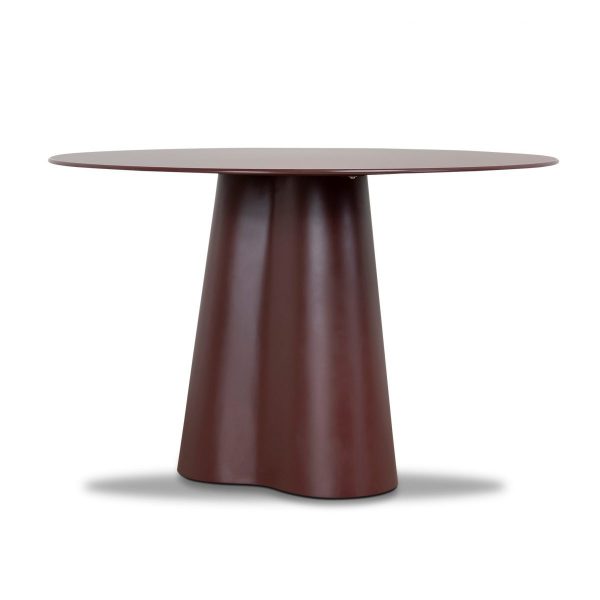

Check the glass before planning the setting
Read the actual glass specification, including any stated treatment, tint or surface finish. Do not infer tempered glass, thickness or load capacity from a clear photograph. Ask about missing information that affects the intended household use.
Look at the usable top shape and edge profile. A curved or irregular outline can provide different placement space from a rectangle with the same maximum measurements. Follow guidance for hot dishes, serving objects and other contact rather than assuming all glass is treated alike.
Assess the base and chairs through the top
Transparency can make supports a clear part of the dining setting. Review their shape, joins and position against the chairs you want to use. Visible floor and chair legs also become part of the composition, so check the whole arrangement rather than the bare table alone.
Measure knee space and chair clearance separately from the appearance. A striking base may occupy a sitting position even when the top looks open. Compare dining chairs with the table dimensions in hand. If a central support is the main priority, explore pedestal dining tables without assuming that glass always comes with that construction.
Plan reflections and everyday surface care
Consider the dining light above and beside the table. A reflective glass surface may reveal fixtures or objects differently from an opaque top. Test the intended placement in the room and keep practical serving space clear, rather than styling around reflections alone.
Follow care instructions for the glass and adjoining materials. A cleaner suitable for one face may not suit a coating, frame or joint. Read assembly and handling guidance too. Mark the full footprint with occupied chairs and room routes; visual transparency cannot solve physical congestion.