
Glass Decorative Plates
Glass decorative plates offer a different relationship with light from opaque display objects. Clear, tinted or textured glass can reveal the background or create a stronger surface accent. Read the actual finish rather than expecting every glass plate to be transparent.
Read moreRead less
Choose the viewing angle before judging colour and reflections. A plate resting on a table and one held upright by suitable support present different visible areas and footprints. This guide helps you assess the glass as a practical display object. Browse any listed pieces, or compare glass decorative bowls when a contained interior is more useful than a shallow face. Confirm intended use separately from material and shape.
Showing all 4 resultsSorted by latest
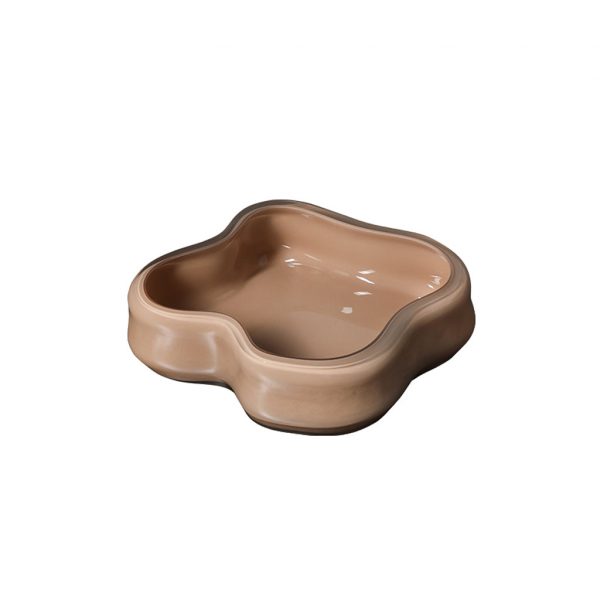
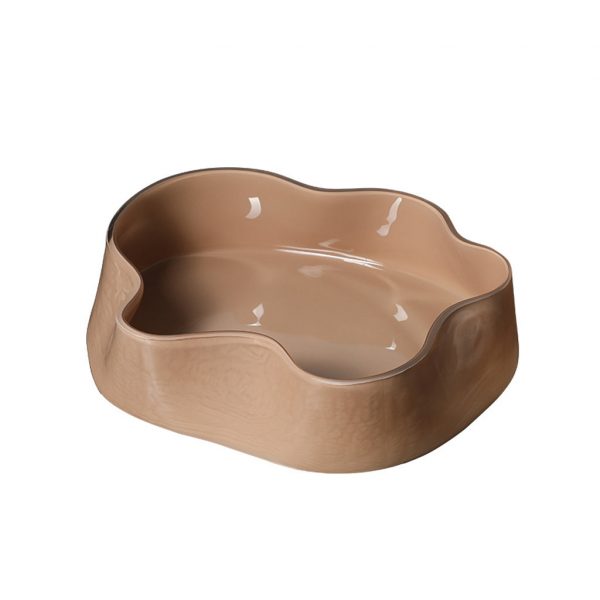

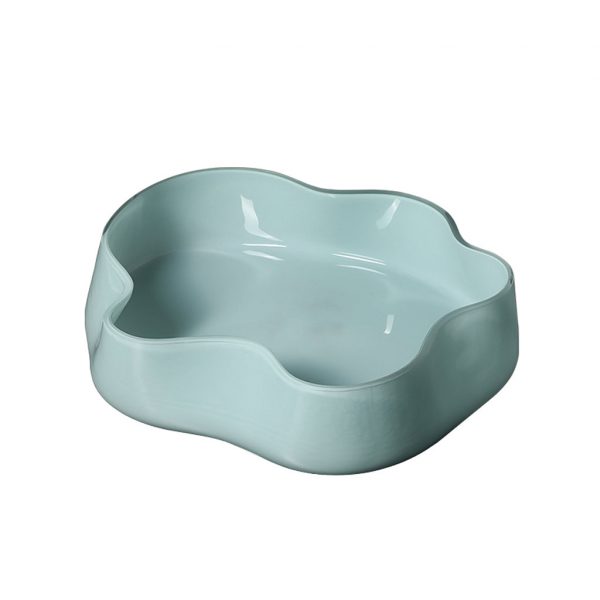
Compare glass with the background and light
Read whether the plate is clear, coloured or otherwise finished, then consider the wall or surface visible around it. Transparency can make that background part of the object; tint can alter the visible colour relationship. A shiny photograph cannot establish treatment or exact appearance in your light.
Assess the rim and central face separately. They can reflect light differently depending on the actual form. If a stronger solid accent is preferred, compare marble decorative plates using its actual pattern and finish guidance. Choose what the glass should reveal or reflect, rather than assuming visual lightness makes every display calmer or more compact.
Check the complete display support and footprint
Use the arrangement permitted for the actual item and suitable support. Glass material does not establish wall mounting or an included stand. Confirm those details before choosing an upright view that depends on hardware not described with the plate.
Measure outer dimensions and the footprint created by the display angle. Leave a daily surface clear beside it, particularly around lamps or arrival objects. The console tables guide helps plan that broader top. A transparent-looking piece still occupies real space, so support and reach should be measured rather than inferred from the background seen through the glass.
Follow glass guidance for use and cleaning
Read intended food contact, water or washing information where those functions matter. A decorative plate and glass material do not automatically establish serving suitability, heat tolerance or dishwasher use. Treatment and finish should guide care.
Check base contact and protection for the furniture beneath, especially if the object lies flat. Keep the display accessible for cleaning rather than building a layered arrangement that is difficult to clear. Explore decorative accessories if another shape offers the practical role you need.