
Glass Bedside Tables
Glass bedside tables can show more of the structure or floor around them, giving a different visual effect from a solid cabinet. That effect depends on where the glass is used. A glass top on a substantial base and a largely transparent form should not be treated as the same kind of bedside furniture.
Read moreRead less
Read the individual construction details before choosing on appearance alone. You still need a usable surface for the lamp and a stable place for night-time essentials. Transparency does not reduce the piece’s footprint or remove its edges. This guide helps you compare the glass component, the support beneath it and the everyday bedside task. For other layouts, browse the wider bedside tables category.
Showing the single result
-
On SaleOriginal price was: $682.00.$566.00Current price is: $566.00.
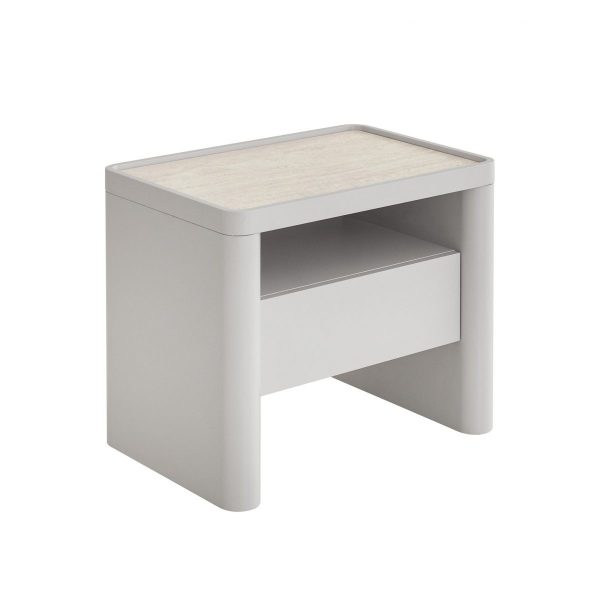

Understand the glass before assessing the look
Check which part of the table is glass, whether the listing states a tint or finish, and what supports it. Clear, coloured and textured glass can reveal or hide the base differently. Do not infer glass treatment, thickness or strength from a photograph; ask about any detail important to your household.
Look closely at the usable top and its edge profile. If the shape curves or narrows, the widest dimension may overstate the space available for a lamp base. Use the stated dimensions to draw the actual outline as closely as possible. Keep the lamp base fully supported and follow the product’s guidance for placement and permitted use.
Balance transparency with the bedroom arrangement
A transparent surface can make nearby objects and the table base more visible. Think about what sits behind and beneath it: charging leads, a rug edge and the bed frame all become part of the view. A visually light table will not hide a busy bedside area automatically.
Consider lamp reflections from your resting position. A reflective surface may catch more light than expected, especially when the shade is low. Position practical objects before adding decoration, and test the full footprint in the walking route. If the goal is less furniture in a tight corner, small bedside tables address physical size directly; glass describes a material choice rather than a size guarantee.
Make daily contact and cleaning part of the choice
A bedside top receives glasses, phones, books and objects put down when you are tired. Check how the table’s surface should be protected and cleaned, and whether the instructions identify particular limits. Avoid assuming that all glass can take heat, impacts or the same cleaner.
A clear surface can make fingerprints, dust and objects beneath it noticeable. Keep the arrangement easy to clear so care does not become awkward. If you want to hide belongings rather than expose them, compare bedside tables with drawers alongside the glass option. Choose the transparency because it suits the room, while checking that the actual construction suits the intended bedside use.