
Fluted Furniture
Fluted furniture adds rhythm through repeated grooves or ridges. The effect depends on their spacing, direction and the light falling across them, so a ribbed detail is worth judging on the full piece rather than in one close photograph. Decide whether you want a quiet texture or a more visible focal point.
Read moreRead less
Start with the furniture you need, then choose how much fluting the room can carry. A detailed cabinet front has a different presence from a small table base. Compare cabinets and console tables by their useful proportions before refining the surface pattern.
Showing 1–24 of 56 resultsSorted by recommended
-
On SaleOriginal price was: $1,809.00.$1,501.00Current price is: $1,501.00.
-
-
-
-
-
On SaleOriginal price was: $1,209.00.$1,003.00Current price is: $1,003.00.
-
-
-
On SaleOriginal price was: $2,039.00.$1,692.00Current price is: $1,692.00.
-
-
-
-
On SaleOriginal price was: $2,933.00.$2,434.00Current price is: $2,434.00.
-
On SaleOriginal price was: $1,011.00.$839.00Current price is: $839.00.
-
On SaleOriginal price was: $1,552.00.$1,288.00Current price is: $1,288.00.
-
On SaleOriginal price was: $2,234.00.$1,854.00Current price is: $1,854.00.
-
On SaleOriginal price was: $3,269.00.$2,713.00Current price is: $2,713.00.
-
On SaleOriginal price was: $2,605.00.$2,162.00Current price is: $2,162.00.
-
On SaleOriginal price was: $447.00.$371.00Current price is: $371.00.
-
On SaleOriginal price was: $2,059.00.$1,709.00Current price is: $1,709.00.
-
On SaleOriginal price was: $1,859.00.$1,543.00Current price is: $1,543.00.
-
-
On SaleOriginal price was: $3,189.00.$2,647.00Current price is: $2,647.00.
-
On SaleOriginal price was: $3,101.00.$2,574.00Current price is: $2,574.00.
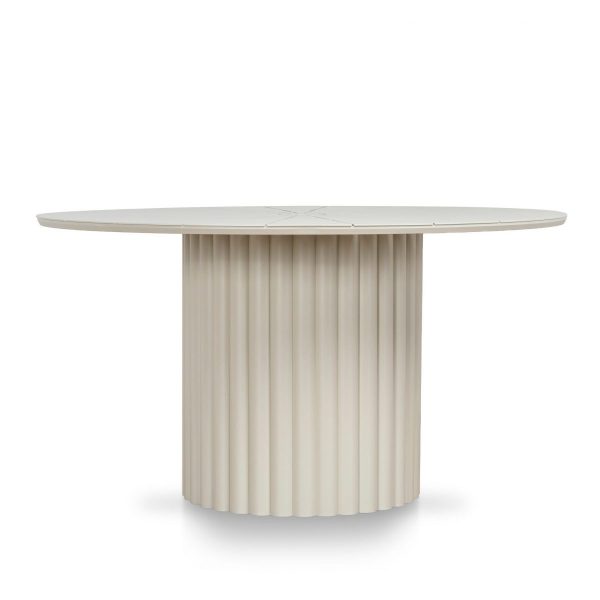

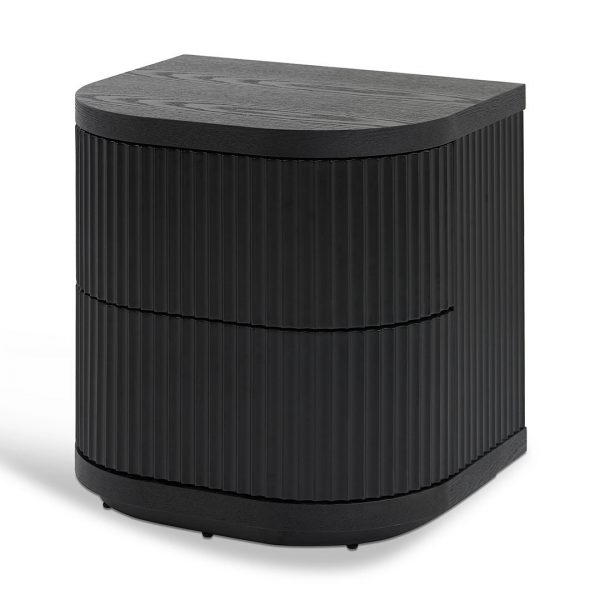
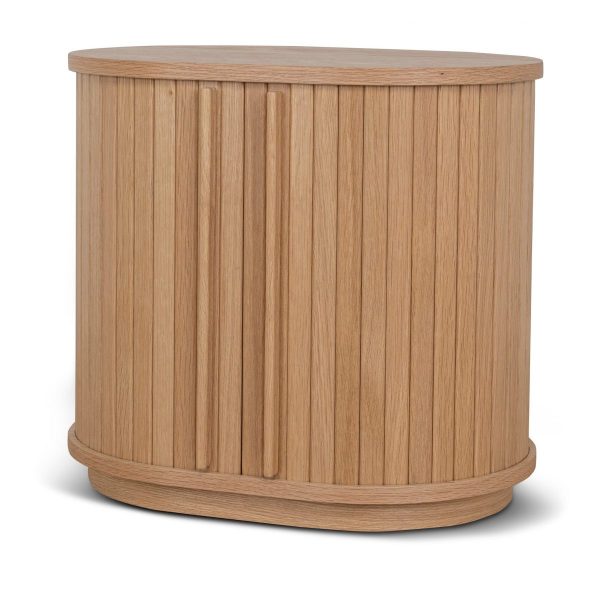
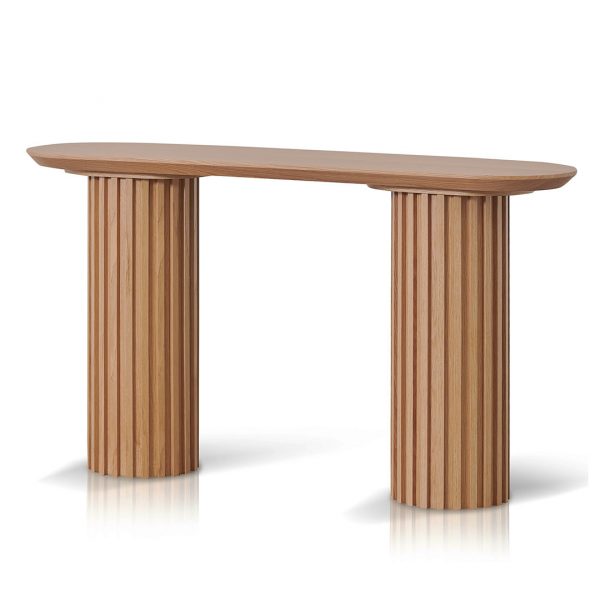
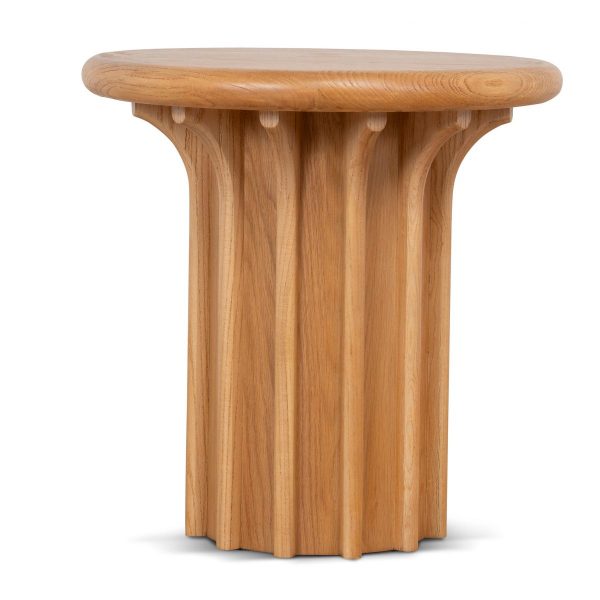

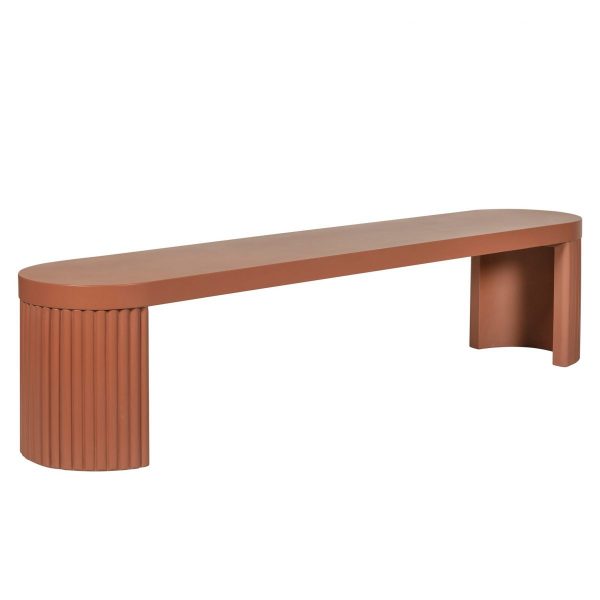
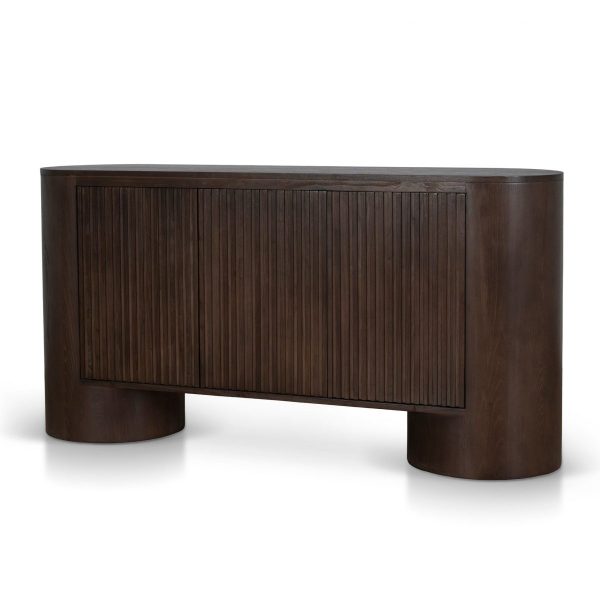
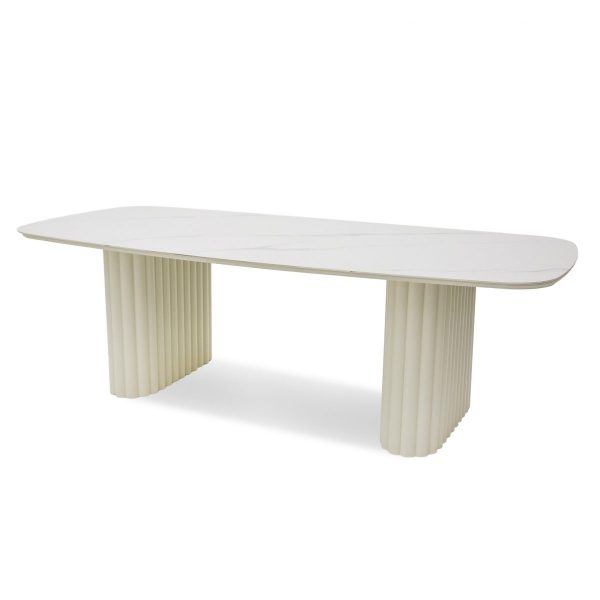
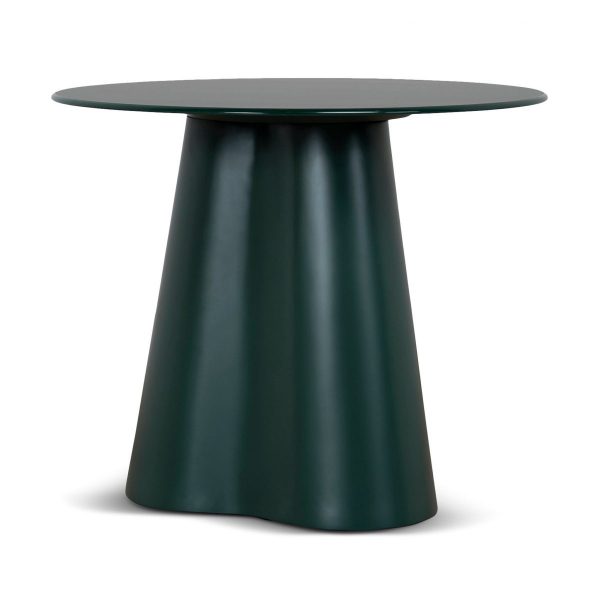
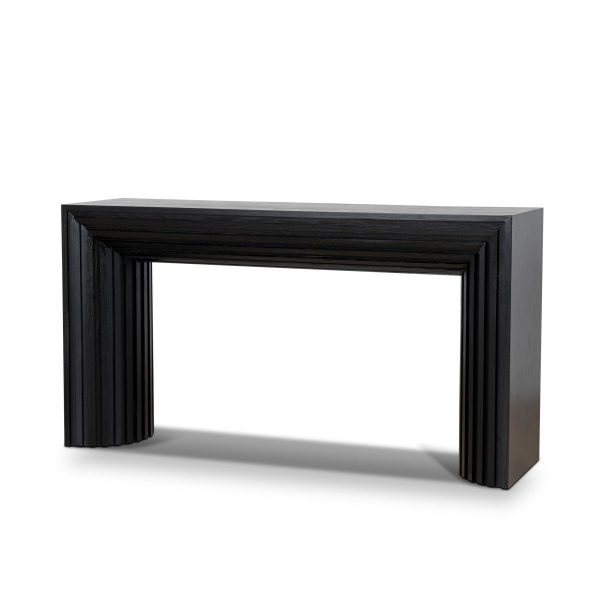
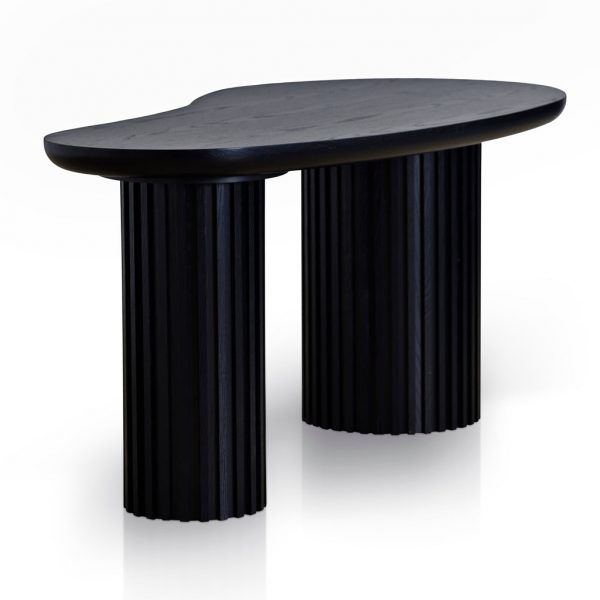
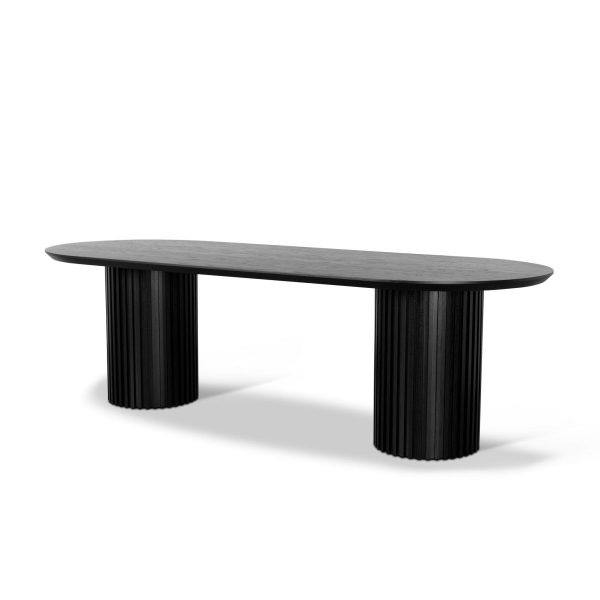
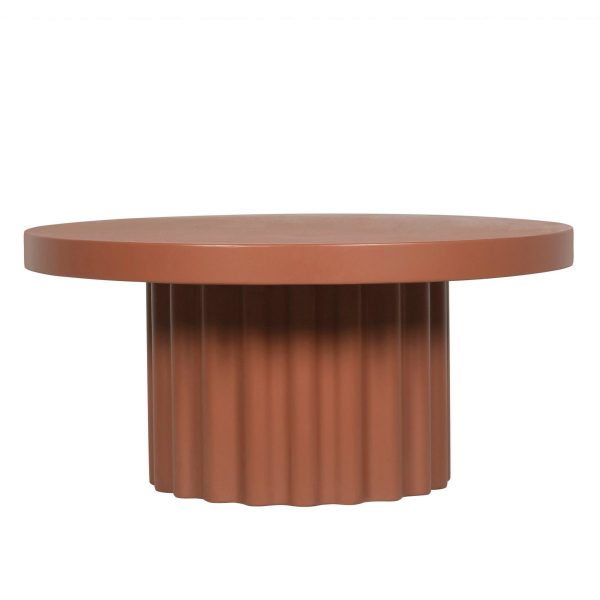
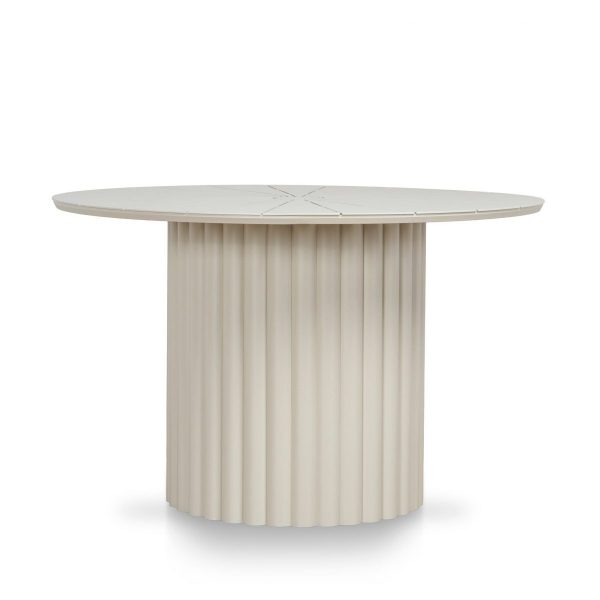
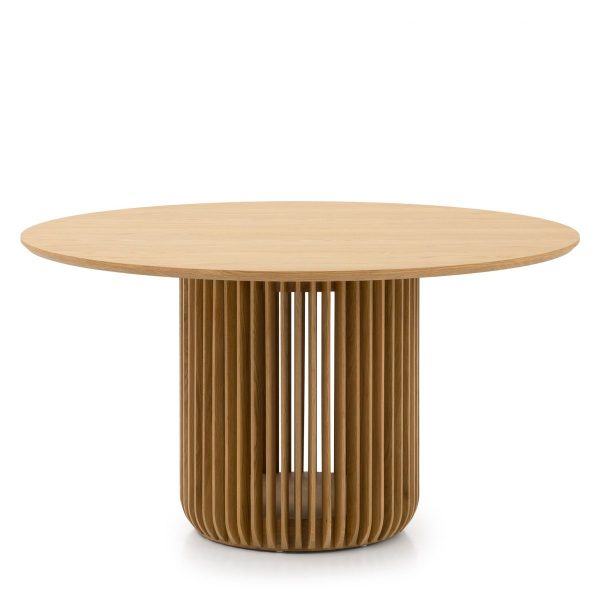
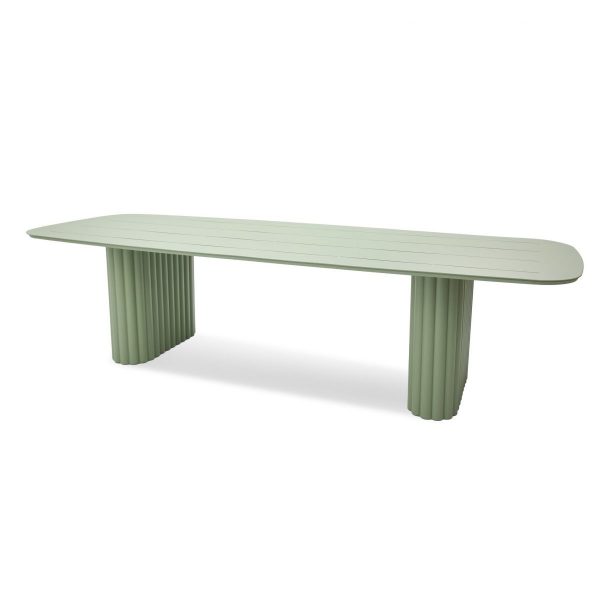
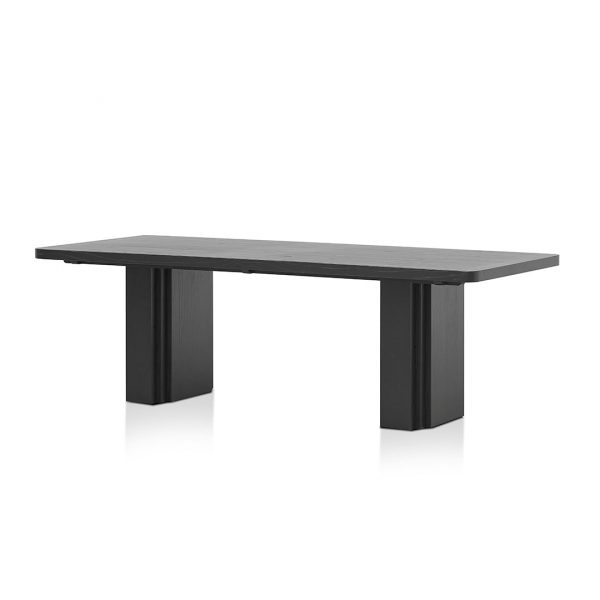
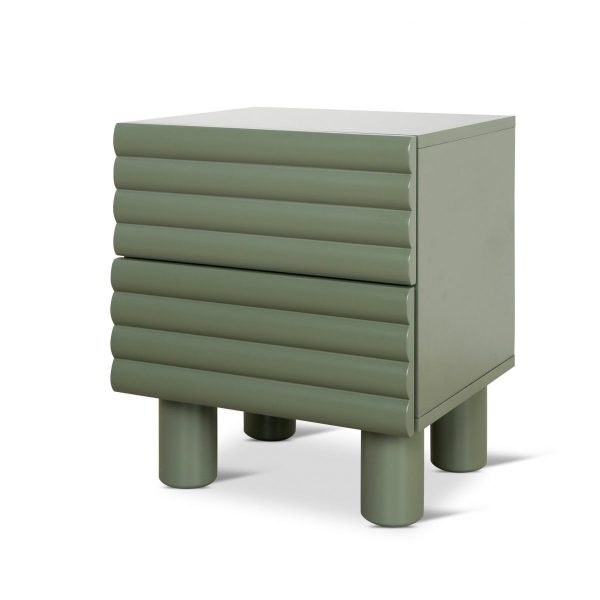
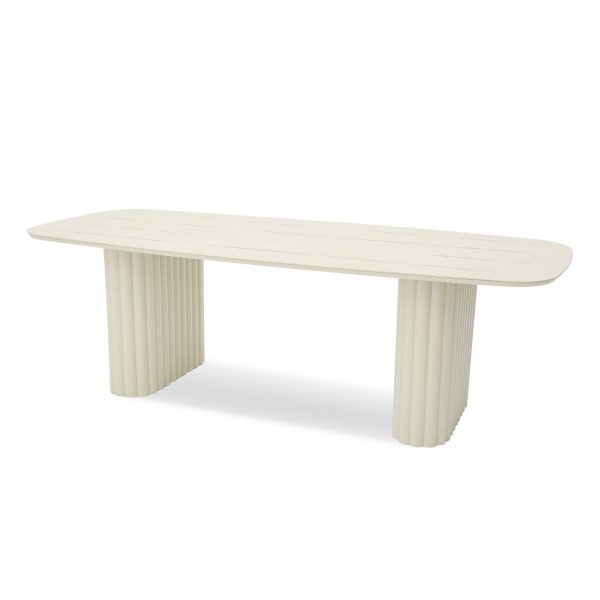
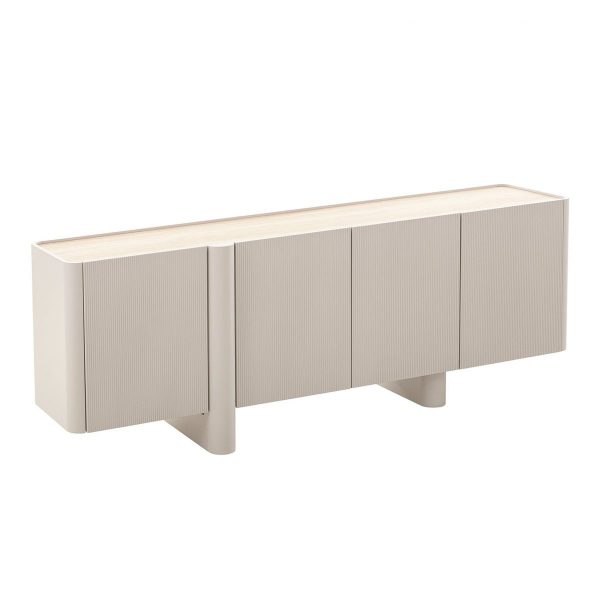

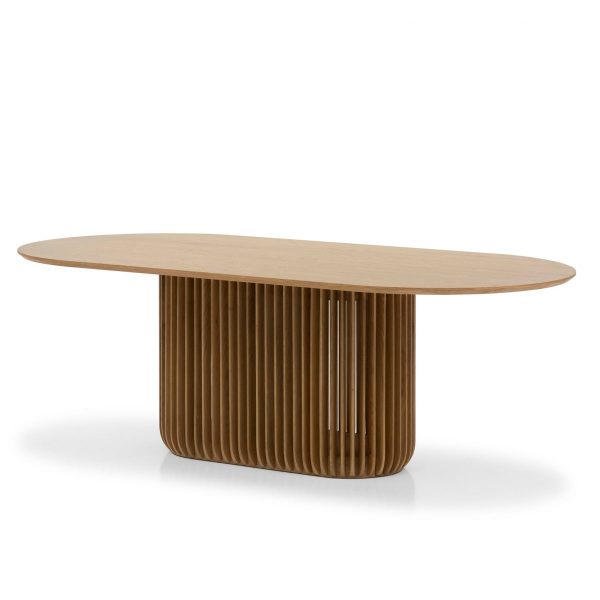
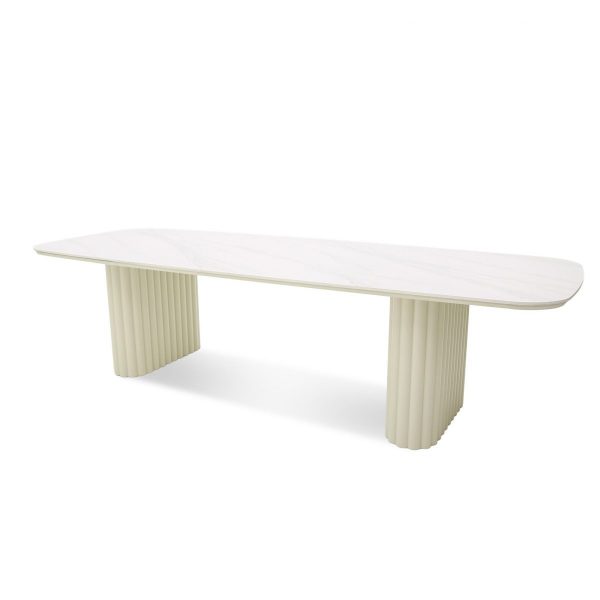
Compare the rhythm at the distance you will see it
Closely spaced grooves may blend into texture from the other side of a room, while wider ridges retain a more obvious pattern. Look at the full furniture front and imagine it beside nearby joinery, curtains and other repeated lines. Several equally strong rhythms can compete even when the finishes share a colour.
Choose the direction deliberately. Vertical detail can emphasise a tall front; a horizontal pattern draws the eye across a wider surface. Judge the pattern against the actual furniture dimensions and fixed lines in your room. Leave quieter surfaces nearby when the fluting should be the main feature.
Check which component carries the detail
A fluted base and a fluted door solve different visual tasks. A patterned base may be partly hidden by seating, while cabinet fronts remain visible across the room. Check photographs of the top, sides and back to understand the full piece, especially if it will stand away from a wall.
Read the stated materials separately from the shape. Grooves do not establish solid timber construction, and a stone-like finish does not establish natural stone. Confirm the component that matters to you and any areas designed for regular contact. The outline, storage openings and usable surface still need to suit the job before the decorative treatment becomes the deciding feature.
Consider light, touch and cleaning together
Side light creates shadows between ridges, so the same fluted finish can look quieter under even light and more sculptural beside a window. Compare the available photographs and, where possible, see the finish under light similar to your room. A very dark surface may show the relief differently from a pale one.
Think about where hands, spills or dust will meet the grooves. Check the particular maker’s cleaning directions and whether access between the ridges is practical for you. For doors and drawers, confirm handles or stated opening mechanisms instead of assuming the grooves provide a handhold. Keep everyday operation as clear as the decorative pattern.
Frequently Asked Questions
For a different kind of surface detail, compare bone inlay furniture by pattern rather than assuming the same light and cleaning needs.