
Bone Inlay Furniture
Bone inlay furniture draws attention through its surface pattern as much as its outline. That makes the first decision different from choosing a plain cabinet or table: decide where you want the pattern to lead the eye. A detailed piece can give a quiet room a clear focus, while several competing patterns may leave that same space feeling busy.
Read moreRead less
Begin with the job of the furniture, then judge the inlay at the distance from which you will usually see it. Explore cabinets for closed storage or side tables for a smaller accent. Check the exact listing for the inlay material and where it is used.
Showing all 4 resultsSorted by recommended
-
Week’s PickOriginal price was: $465.00.$419.00Current price is: $419.00.
-
-
-
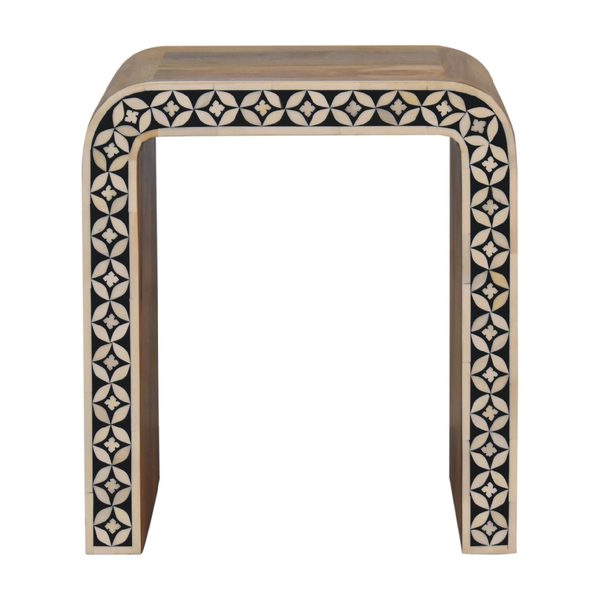


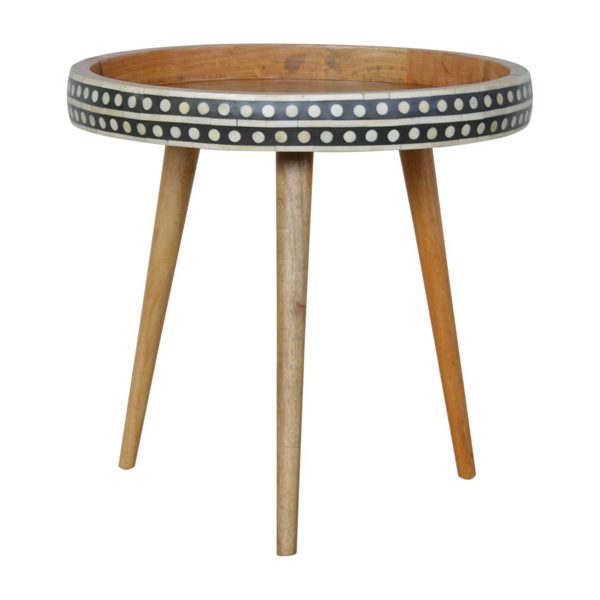
Judge the pattern from across the room
A close photograph makes fine detail look larger than it will from a doorway or sofa. Compare the full front or top of the piece, then picture it beside the rug, curtains and wall art already in the room. A small repeated motif may read as texture at a distance; a broad geometric design will remain a stronger visual feature.
Give a bold pattern some quiet space around it. A plain wall and fewer objects on top can make the furniture easier to appreciate. If you want several patterned elements, connect them through one colour or shape and vary their scale rather than repeating equally strong designs everywhere.
Choose a useful piece before choosing its decoration
For a cabinet, list the items it must hold and check usable compartments, door movement and shelf information. For an occasional table, compare its height with the seat beside it and its top with the objects you will put down. The decorative finish should support a piece that already solves the right problem.
Look carefully at where the inlay appears. A patterned front does not establish the finish of the top, sides or interior. Consider whether the decorated face will be visible in your chosen position. In a narrow room, a smaller accent may provide the detail you want without taking space from storage or seating.
Confirm the surface before deciding how to use it
Inlay describes a decorative technique; it does not tell you every material or treatment used in the furniture. Read the product description for the stated inlay, underlying structure and protective finish. If the material is important to your purchase, ask about that named product rather than relying on appearance alone.
Check the maker’s cleaning and placement instructions before choosing a surface for drinks, plants or frequent handling. A decorative tabletop is not automatically approved for hot cookware or standing water. Position the piece where its intended use makes sense, and confirm any missing care detail before deciding it belongs in a busy everyday area.
Frequently Asked Questions
For a quieter companion to detailed inlay, compare natural timber side tables by their shape and grain.