
Customisable Furniture
Customisable furniture is most useful when you can explain what needs to change and why. Start with the standard product: identify the dimension, colour or other detail that does not meet your room’s needs. Then ask whether the particular piece supports that change. Do not assume that every feature can be altered.
Read moreRead less
The BAUHAUS Extendable Dining Table currently describes custom colours and sizes. That is a product-specific starting point, not a promise for the entire range. Compare the listed options first, then send benssur your request with the product name, useful measurements and the result you want.
Showing all 12 resultsSorted by recommended
-
-
Week’s PickOriginal price was: $799.00.$679.00Current price is: $679.00.
-
-
-
-
On SaleOriginal price was: $2,299.00.$2,069.00Current price is: $2,069.00.
-
-
-
-
-
-
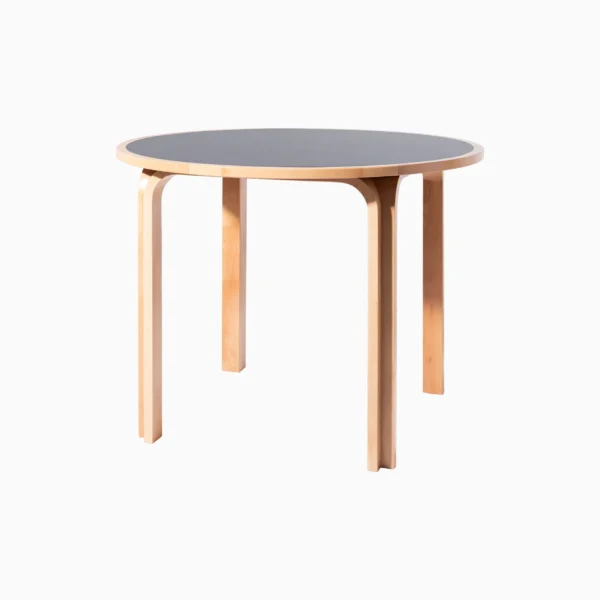

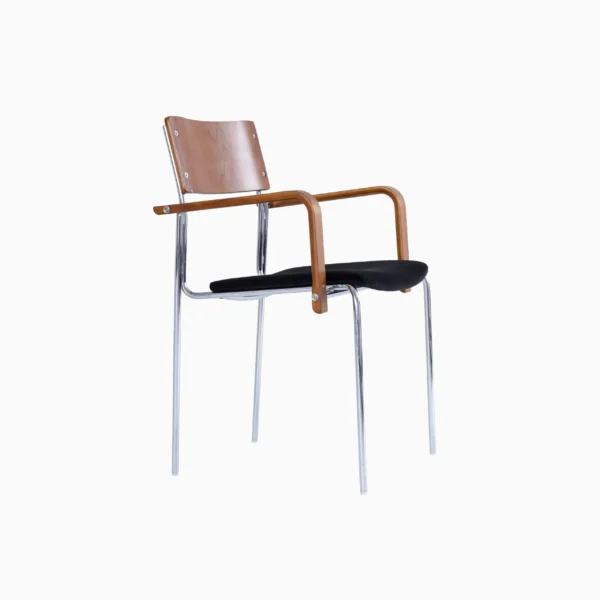
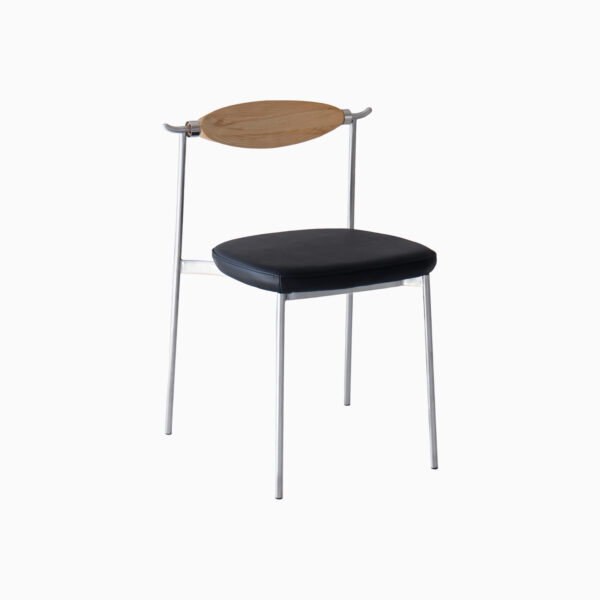
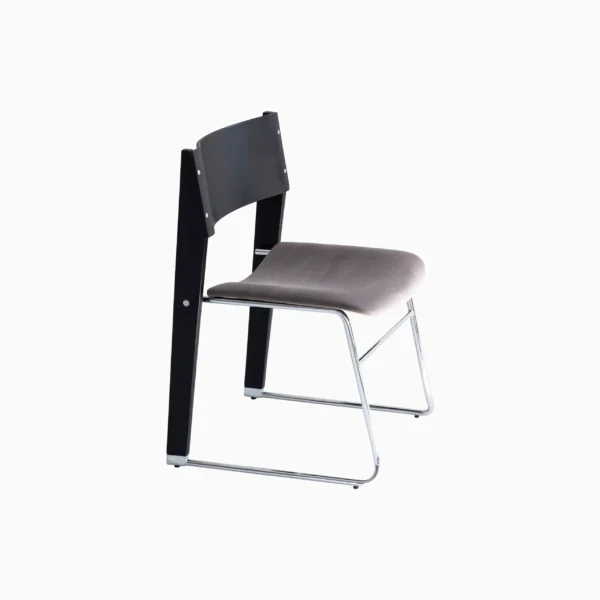
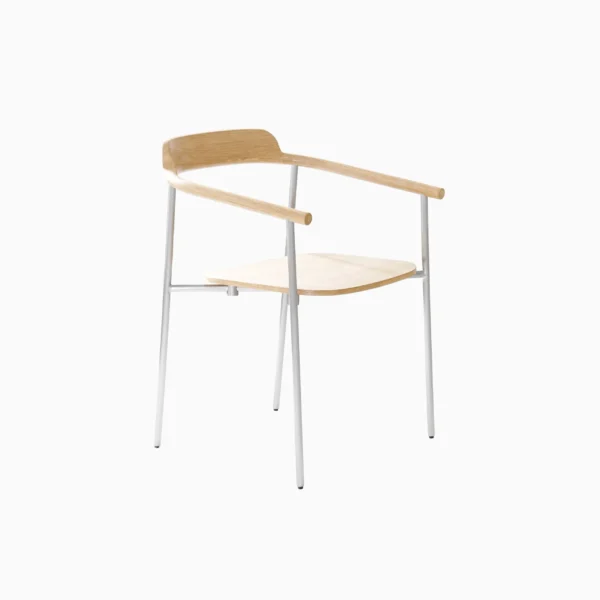
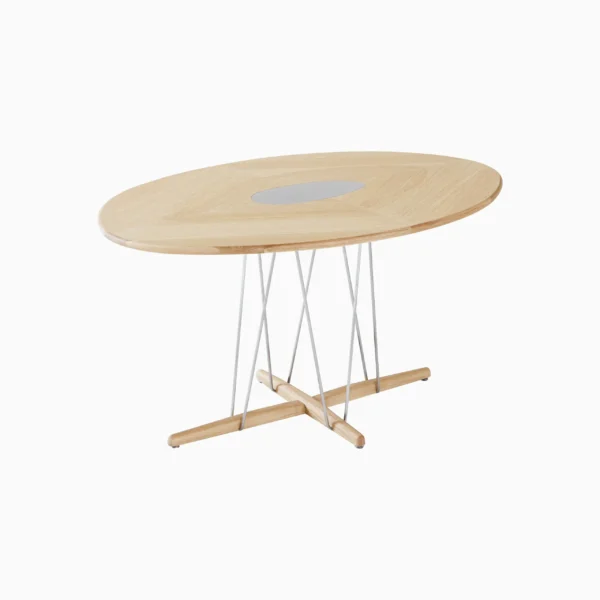
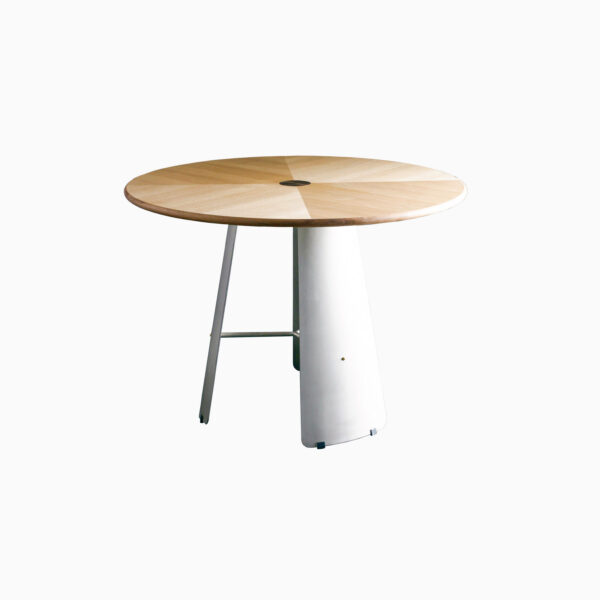
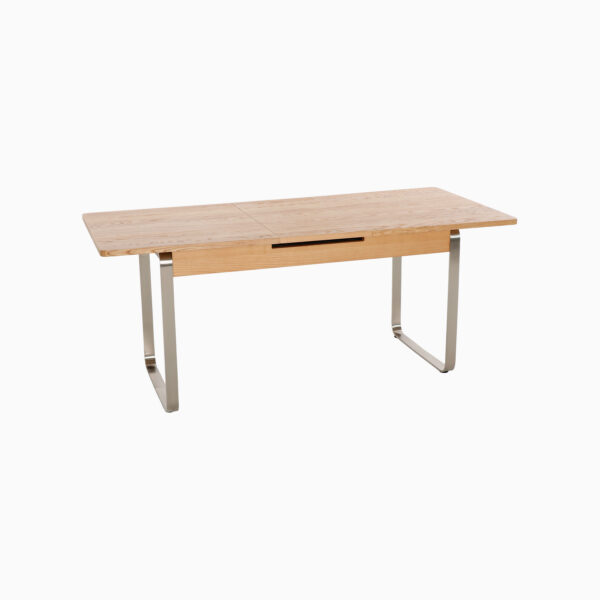
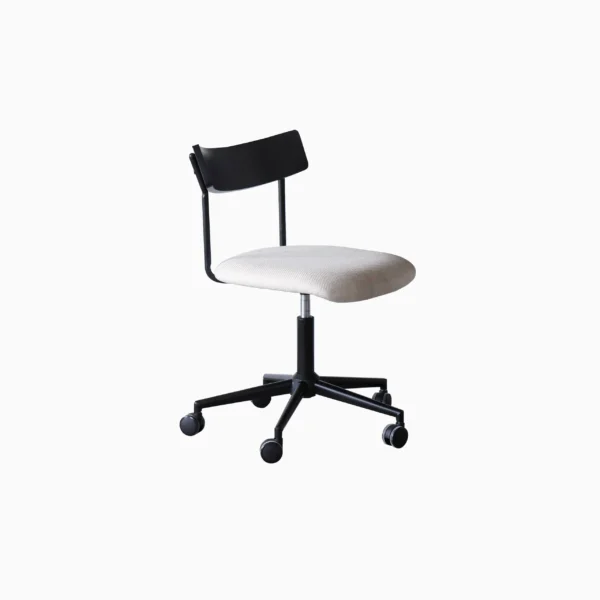
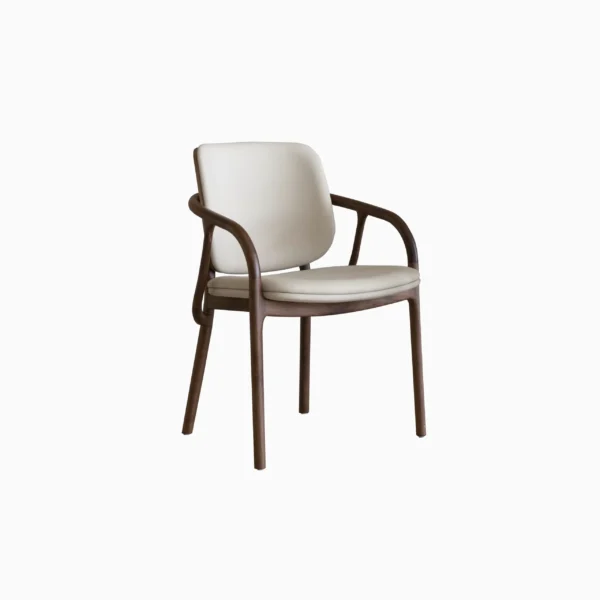
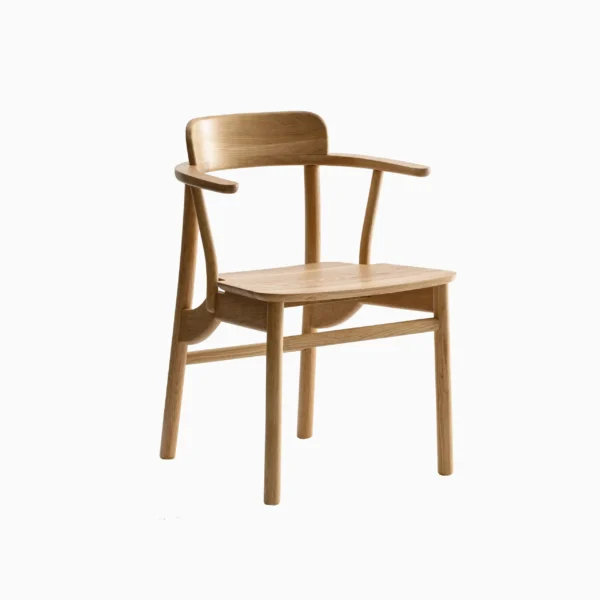
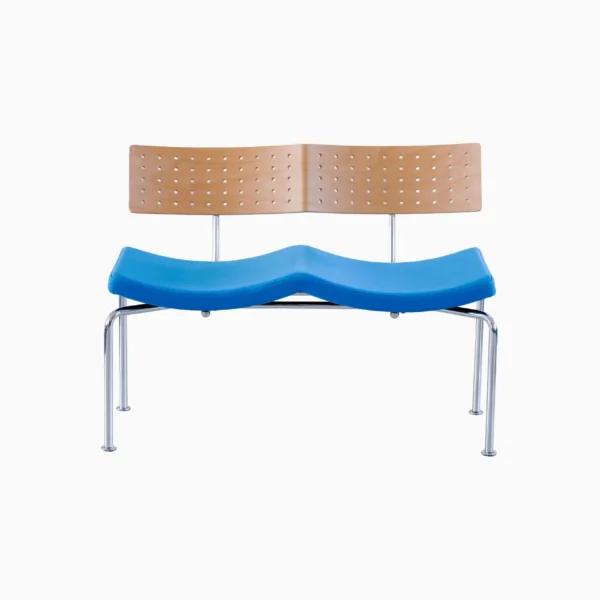
Decide whether a standard option already solves the need
Read the available finishes, sizes and configurations before requesting a change. A standard option may provide the right result with clearer existing specifications. Separate an appearance preference from a practical requirement such as fitting between walls or keeping space for chairs.
For a table, check the top, base and seating relationship together. Reducing one dimension does not automatically establish that the same number of chairs will fit or that another component can remain unchanged. For seating, consider the usable seat and frame as well as the overall outline. Identify the actual problem so a request can be assessed as a complete piece rather than a single isolated number.
Send a brief that explains the room and the change
Include the product link, the requested change and the measurement that makes it necessary. State which dimension you mean: overall width, useful surface, seat size or another specific part. Add neighbouring furniture and access information where they affect the decision.
A simple sketch or photograph can help explain a room relationship, but do not use a picture as a substitute for measurements. For a colour request, identify what you hope to match and ask how a finish can be confirmed. Describe the intended use too. The clearer the brief, the easier it is to establish whether the supported custom options would actually solve your problem.
Confirm the complete specification before ordering
Ask which changes are possible for the named product, then read back the final dimensions, materials, finish and supplied quantity. Confirm any product-specific price, order timing and relevant purchase terms before making the decision. A request is not a confirmed specification until those details are agreed.
Check how the confirmed piece will enter the room and whether assembly information changes. Keep the final written details with the order so you are comparing one agreed configuration. Ask about any changes you may need later and read the timing and purchase terms for this agreed configuration. The useful outcome is a clearly described piece that meets the room’s actual need.
Frequently Asked Questions
If the piece will be produced after order, read made to order furniture for the separate timing and specification decisions.