
Console Tables
Console tables can finish an existing wall or seating arrangement when their proportions have a clear relationship with what is already there. Start with the wall span, sofa back or nearby furniture, then decide how much surface the room actually needs.
Read moreRead less
A console can hold a lamp, familiar objects or a small display without becoming a shelf for everything. Its base and finish should connect with the room while full depth leaves the routes useful. This guide looks closely at that practical composition. Browse any listed pieces with the surrounding furniture in mind, or use the broader console tables guide when choosing the location and daily purpose before refining the particular shape.
Showing 49–72 of 81 resultsSorted by recommended
-
On SaleOriginal price was: $1,139.00.$1,025.00Current price is: $1,025.00.
-
On SaleOriginal price was: $1,131.00.$1,018.00Current price is: $1,018.00.
-
On SaleOriginal price was: $1,362.00.$1,226.00Current price is: $1,226.00.
-
On SaleOriginal price was: $1,863.00.$1,677.00Current price is: $1,677.00.
-
-
On SaleOriginal price was: $792.00.$713.00Current price is: $713.00.
-
On SaleOriginal price was: $762.00.$686.00Current price is: $686.00.
-
On SaleOriginal price was: $953.00.$858.00Current price is: $858.00.
-
-
-
On SaleOriginal price was: $774.00.$697.00Current price is: $697.00.
-
On SaleOriginal price was: $815.00.$734.00Current price is: $734.00.
-
-
On SaleOriginal price was: $465.00.$419.00Current price is: $419.00.
-
-
-
-
-
-
-
-
-
-
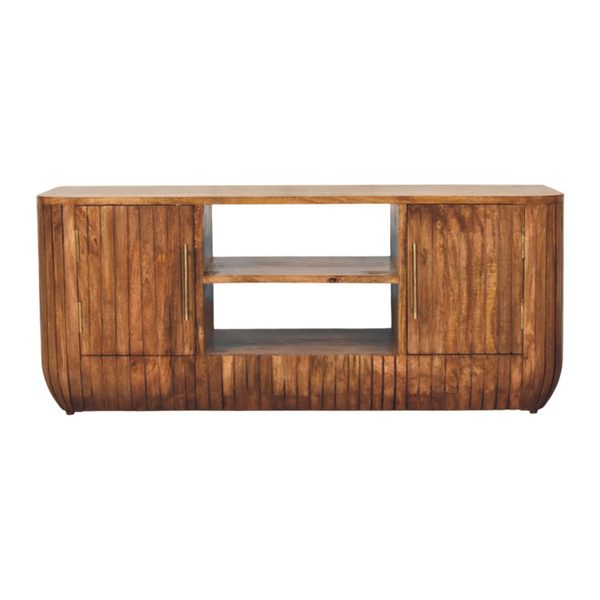

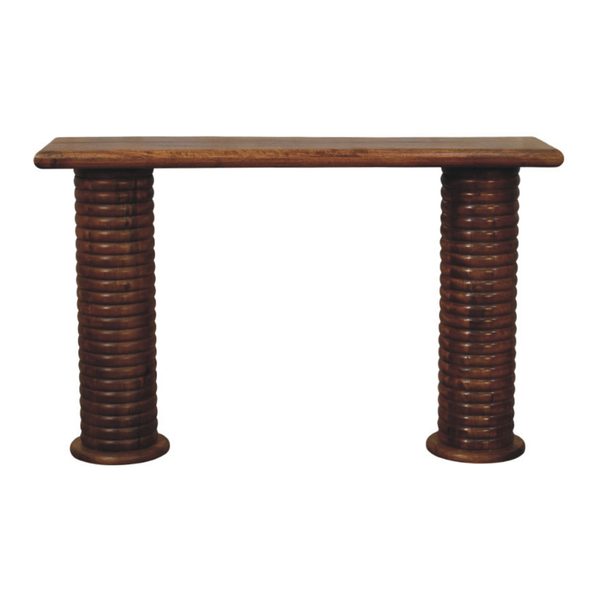
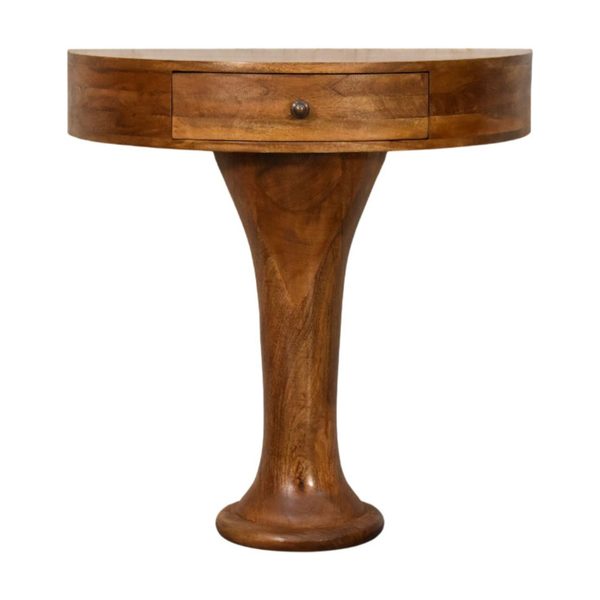
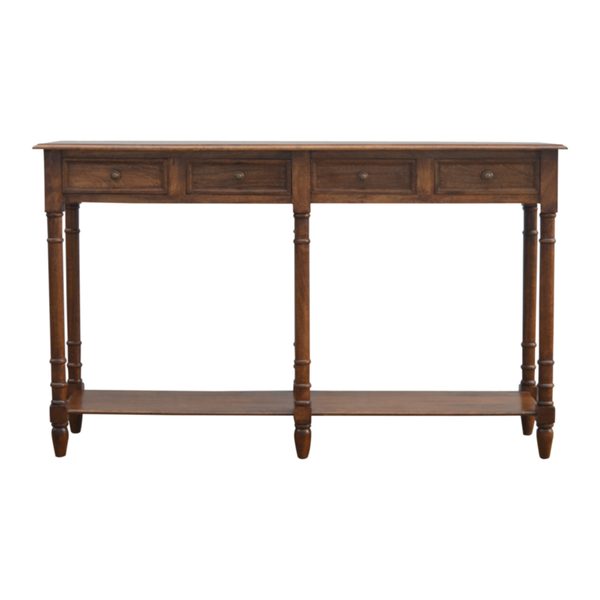
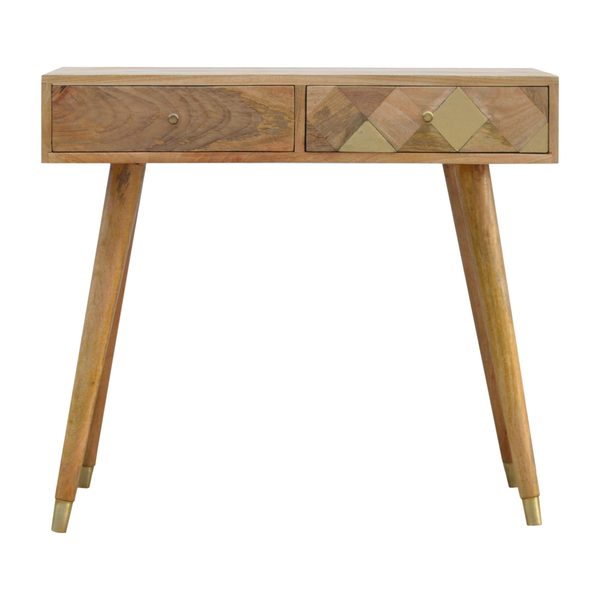


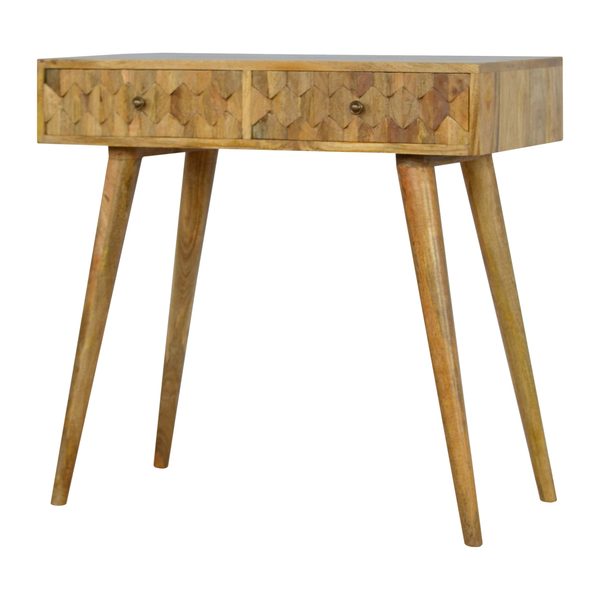
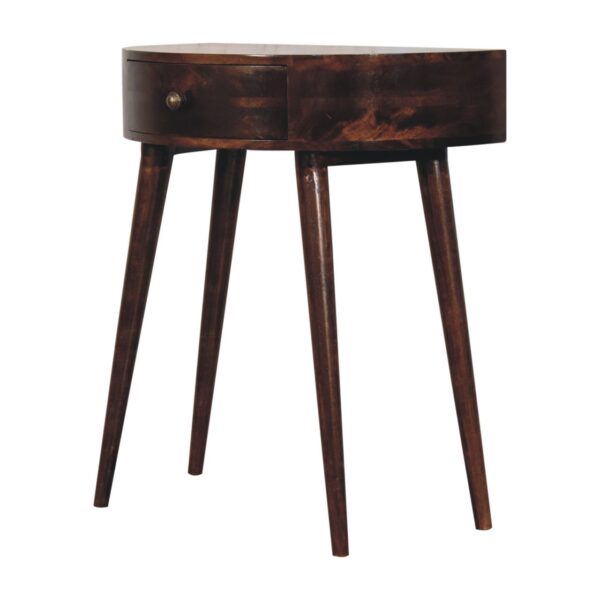
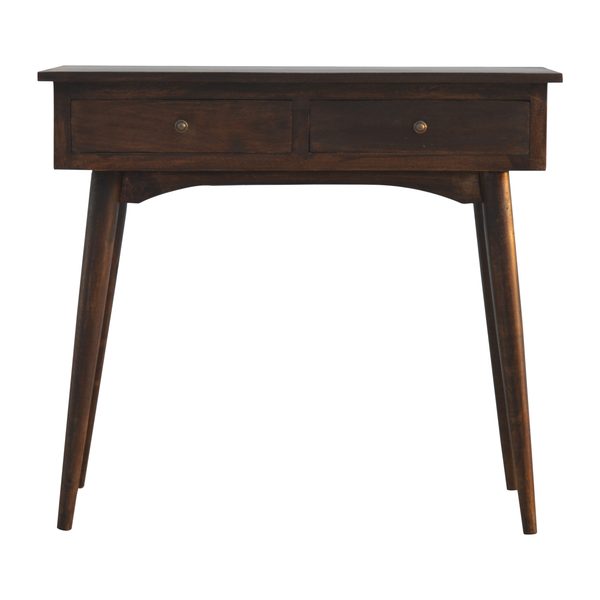

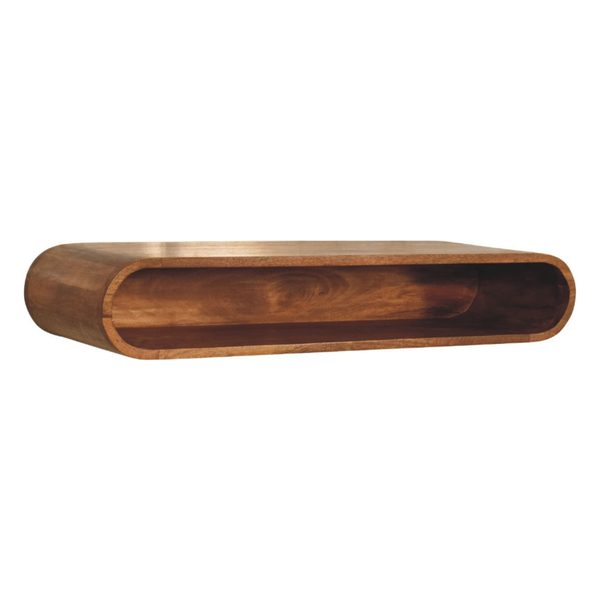

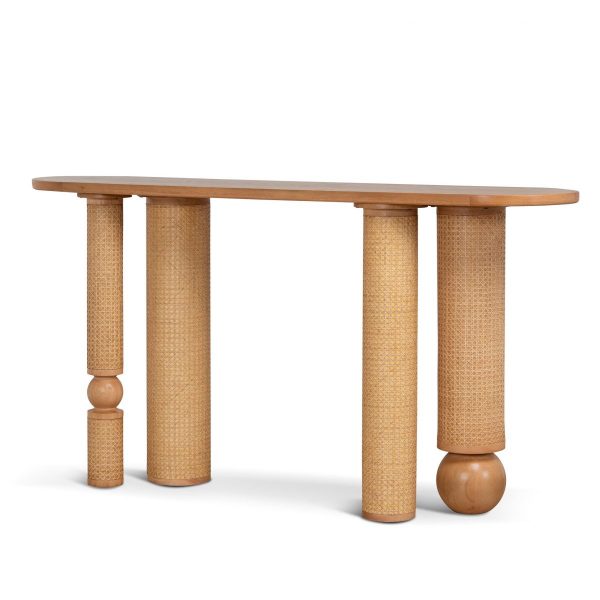
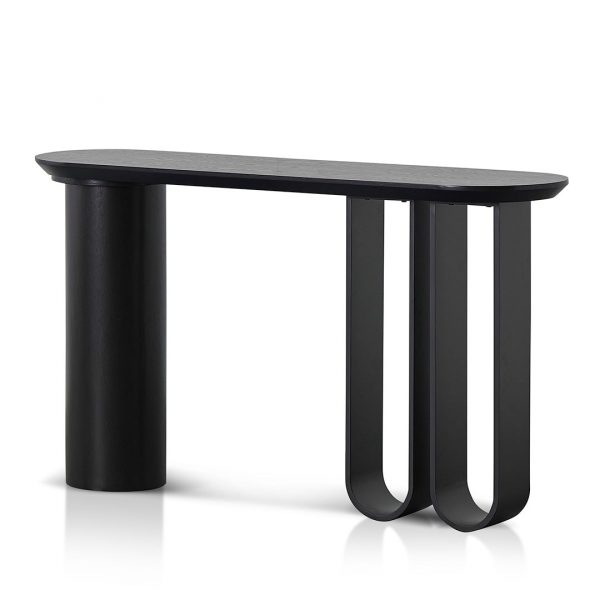


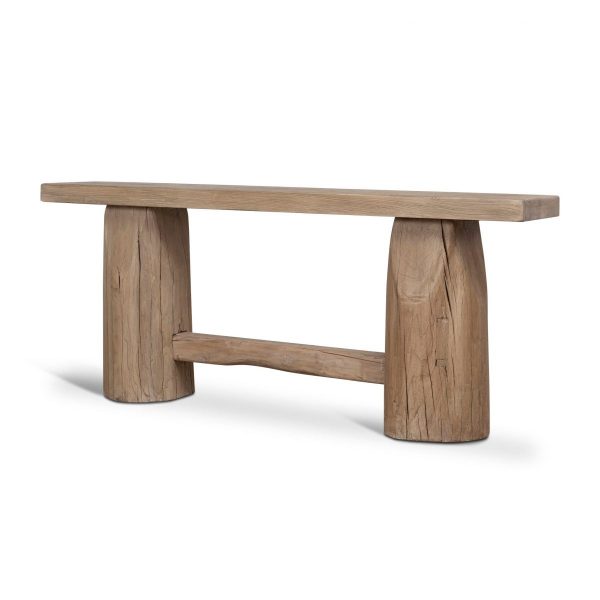
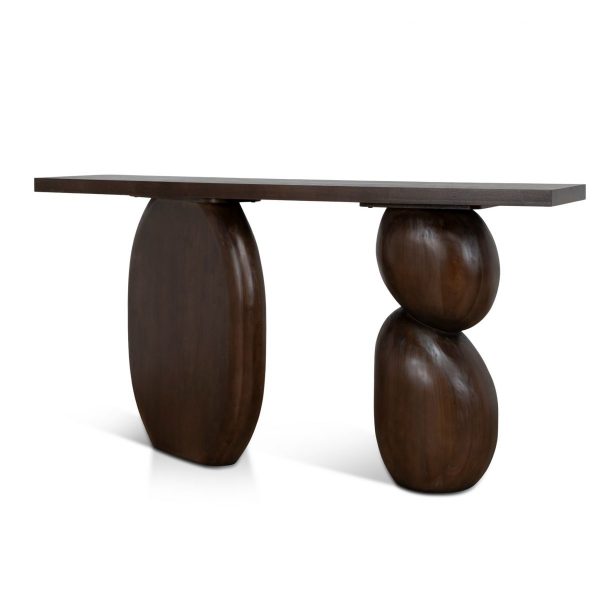
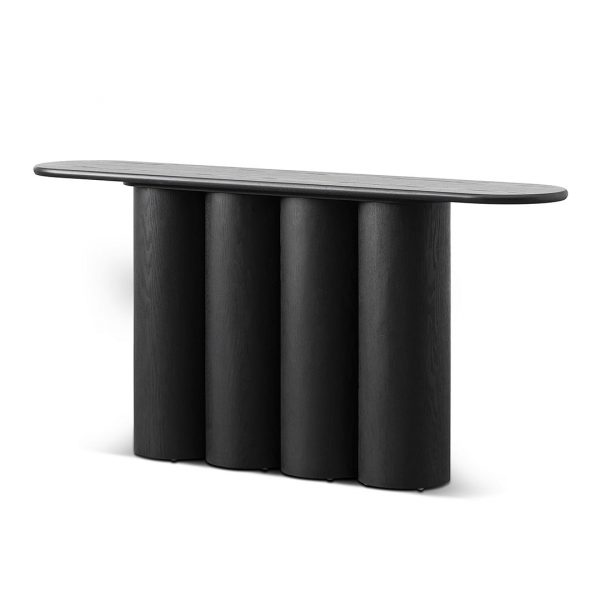
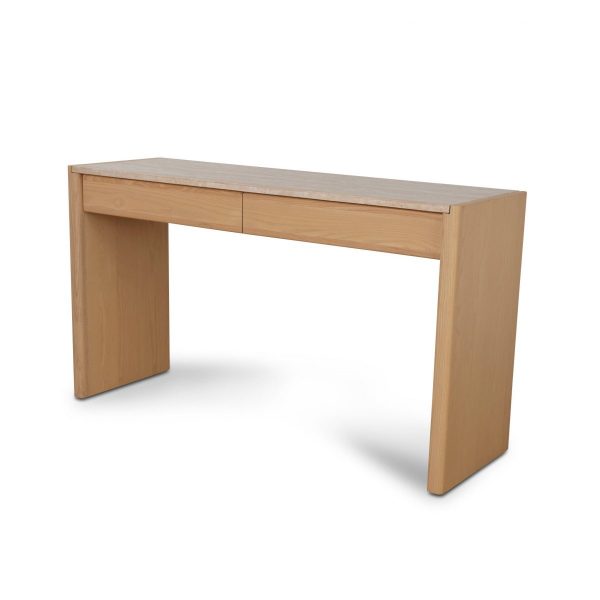
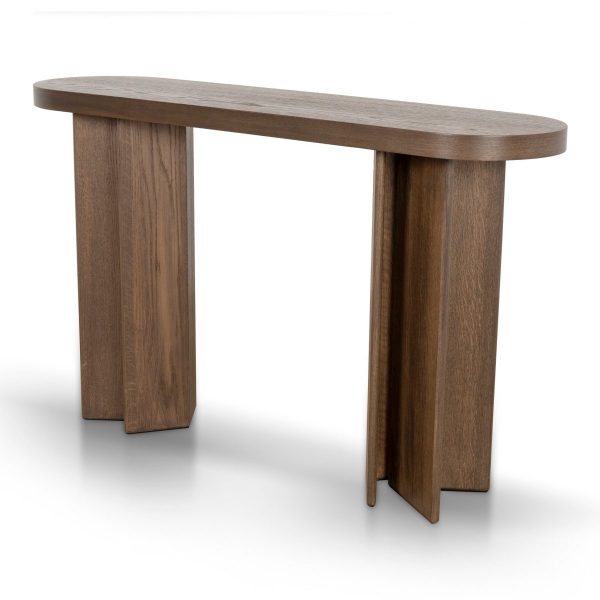
Balance table length with the surrounding arrangement
Measure the wall area or sofa back that the console will relate to. Include nearby door trim, furniture and other fixed edges rather than treating the whole wall as empty space. A long top can feel proportionate in one position and compressed in another.
Look at the piece from the entry as well as close up. The support below can make a shorter top appear substantial or let a longer form remain more open. Do not choose length alone from a front photograph. If projection is limited, compare narrow console tables while checking height and full span too. The three dimensions need to serve the same room relationship.
Give objects positions that work on the top
Lay out the lamp base, shade overhang and everyday belongings within the actual usable surface. A shallow top may hold the base while the shade projects into a route or towards the wall. Check socket access and keep cables within the product’s appropriate use arrangement.
Leave clear space to put something down without moving the display first. A few deliberate objects can make the console useful while keeping its finish visible. If small items need a separate home, explore console tables with drawers with opening clearance and capacity in mind. The top should be used comfortably, not maintained as a composition that unravels whenever someone arrives with keys or a phone.
Relate the whole silhouette to nearby furniture
Compare the base, edge profile and finish with the sofa, floor or other nearby piece. An open support and a solid cabinet body create different relationships with visible floor and wall. Choose that effect deliberately while measuring the real footprint.
Read actual construction and care rather than inferring material from a preferred appearance. Check any storage, assembly and supplied fixing guidance. For a more prominent base, compare pedestal console tables by the actual number, shape and footprint of supports beneath the top.