
Ceramic Decorative Sculptures
Ceramic decorative sculptures are chosen for the shape you want to see in the room, not just the colour of a small accessory. Start with a usual seat or doorway and picture the sculpture from there. An interesting close-up may reveal surface detail while leaving the full outline or rear view unclear.
Read moreRead less
Compare ceramic sculptural forms through their height, widest points and the space around them. Then consider how the actual finish follows the curves, edges or openings. The wider sculpture and decorative object collection helps with room scale. Browse the designs below with your intended viewing position and supporting surface in mind.
Showing all 4 resultsSorted by recommended


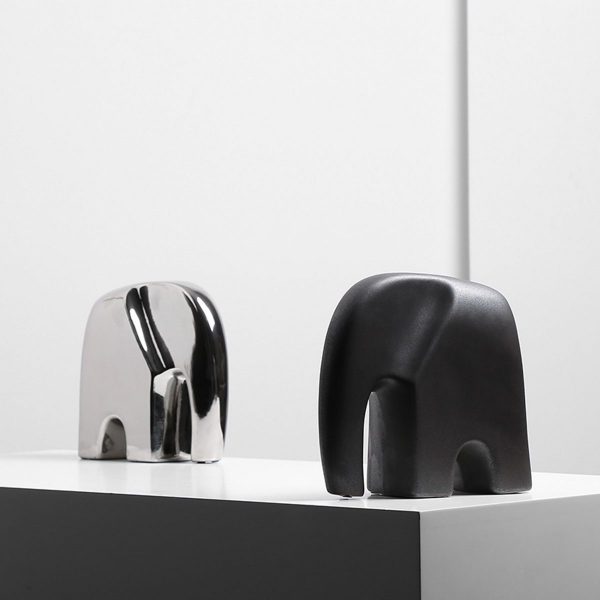
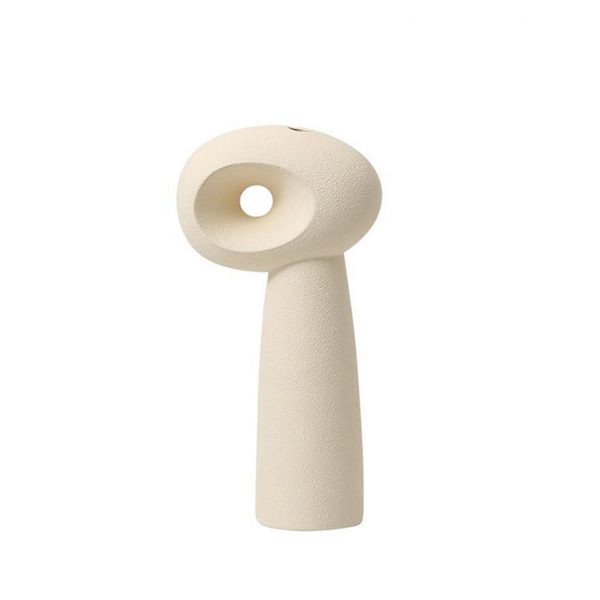

Will the outline read clearly from your usual view?
Look beyond the front photograph. A ceramic sculpture display against a wall may be seen mainly from one direction; a freestanding table can reveal the sides and back as people move around it. Use the available views to decide whether those faces contribute to the shape you like.
MARELINA has a circular cut-out and textured matt ceramic finish. That opening makes the background part of its display; compare what will appear behind it in your room. A busy bookcase can interrupt the outline, while a quieter background leaves more attention on the ceramic. Check the full height against artwork and lamps nearby. Leave enough clear space for the outer shape and any internal gaps to be understood from the distance where you will usually see them.
How does the ceramic surface change the sculptural shape?
A ceramic sculpture finish is part of how the form appears. Where a glossy glaze is specified, compare reflections along its curves and edges. Where a matt or textured surface is described, examine the detail from close up and the complete outline from farther away. Choose the combination that works in the room’s ordinary light.
Keep surface interest and shape in balance. A strongly detailed finish may deserve quieter neighbouring objects, while a simple surface can leave an unusual silhouette in focus. Ceramic ornaments offer a useful alternative when you want a smaller accent within an existing group. Check the selected construction separately if the design combines ceramic with a different base material.
Does the sculpture have a workable place and lifting point?
Compare the complete base with a level supporting surface, keeping the widest part of the form clear of edges and nearby movement. Read the actual weight and any placement guidance, then check the shelf or tabletop’s suitability. A small contact point and a broad upper outline need more thought than height alone.
Plan how you will hold the main body for cleaning or repositioning. Ceramic is brittle, and a narrow extension is a poor lifting point. Use the product’s handling guidance for the particular form and its separate components. Check cleaning access around recesses without forcing tools into fragile details. A piece displayed where it can remain undisturbed is easier to live with than one repeatedly moved for daily tasks.
Frequently Asked Questions
Compare sculptures across materials if the outline matters more to you than a ceramic surface.