
Black Decorative Sculptures
Black decorative sculptures bring the choice of outline and contrast to the foreground. A piece may include white patterning as well as black, so assess the whole surface rather than expecting one flat dark shape. Against a pale wall, its contour can read differently from its internal detail; a darker setting raises another comparison.
Read moreRead less
Decide which view you want to improve, then check full width and depth. The VERALORA Decorative Sculpture, for example, has a black-and-white patterned arch with a central cut-out. Compare the background visible around and through that form. Browse sculptures through their available views before choosing the dark or patterned focal piece for your room.
Showing all 3 resultsSorted by recommended

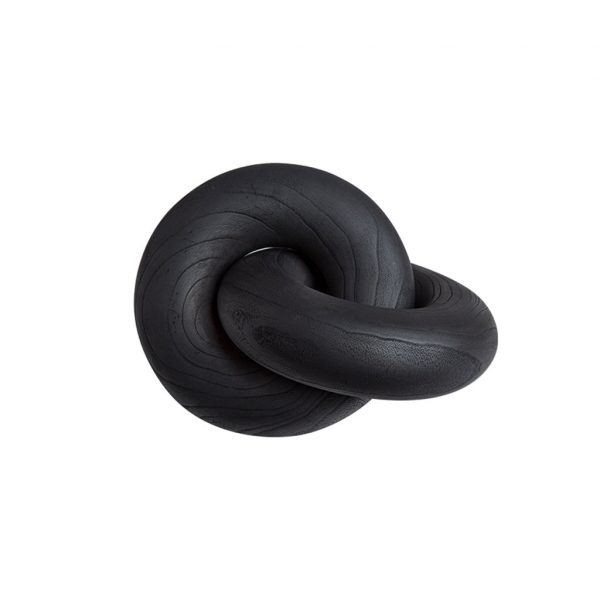
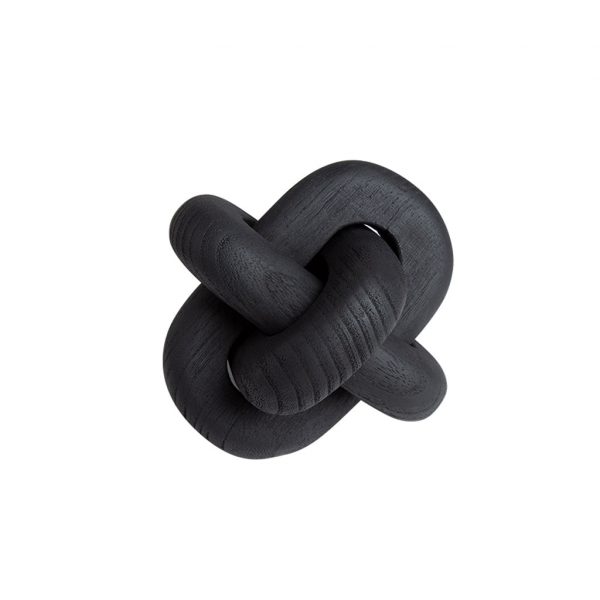
Which background gives the dark contour room to show?
Picture the sculpture from the place you will most often see it. Follow its outer edge against the wall, books or artwork behind it, then look at any lighter pattern within the form. A quiet backdrop can help you appreciate both. A busy picture may compete with the pattern even where the sculpture’s outline is easy to see.
Decide whether the sculpture or nearby artwork should hold attention. Moving the proposed position away from the artwork may be more useful than choosing a stronger shape. Compare white decorative sculptures against the same background if you want a lighter focal direction, checking each piece’s contrasting base or other colour details too.
Does the side view have the presence you want?
Study more than the front image. A sculpture seen when walking past a console also presents its side, while a low table may expose the upper part from a seated position. Check how those views change the apparent width and depth. The part that appeals to you should be visible from the directions that matter at home.
If the actual design has openings, compare the background seen through them as well as the outer contour. If it has a solid form, consider the amount of dark surface it introduces. Choose whether an open or enclosed outline suits the view. The form you enjoy from the front should also work from the other directions visible at home.
How can a strong sculpture keep the surrounding space comfortable?
Mark the complete footprint on the supporting surface, including projections above or beyond the base. Compare its height with lamps, frames and wall details. Leave clear space for the shape to stand apart, and check the furniture’s suitability using the supplied dimensions, weight and placement guidance. Allow room to handle it as directed when clearing or cleaning the surface.
On a narrow entrance table, check the passing route and the view as you approach. Console table decor helps plan the rest of that surface. Read material, finish and handling details before purchase so the dark focal piece fits both the room view and the way you use the furniture.
Frequently Asked Questions
Use sculptures and decorative objects to compare other focal forms if the outline matters more than a black palette.