
Bedside Tables with Storage
Bedside tables with storage help when the bedroom surface has become a landing place for too many unrelated objects. Start by separating what you need during the night from what you simply leave nearby. A lamp, glasses and water need a different place from spare cables, notebooks or personal belongings.
Read moreRead less
The best storage arrangement is the one you can use without disturbing the rest of the bed area. Open shelves keep items visible; drawers and doors can give small objects a quieter home. Features vary between individual tables, so decide on the kind of access you need before judging cabinet size. Browse any designs below with a short list of belongings, or compare drawer storage for items you want concealed.
Showing all 3 resultsSorted by recommended

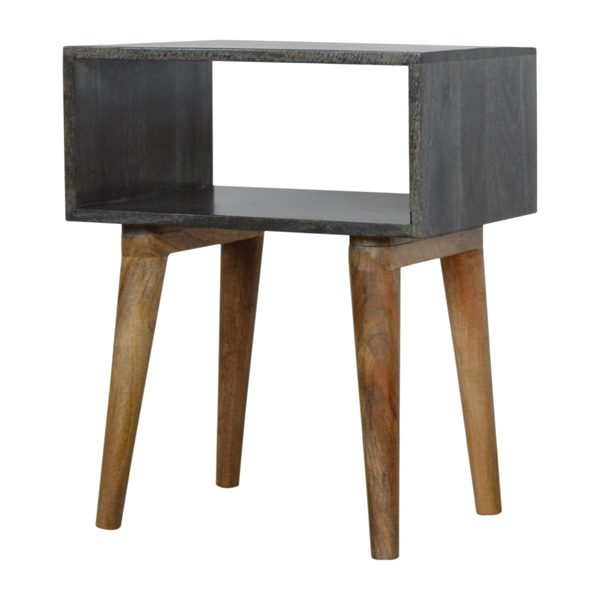
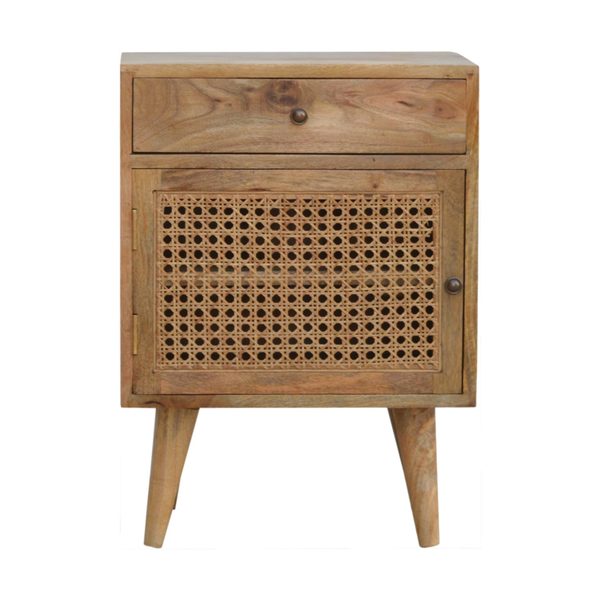
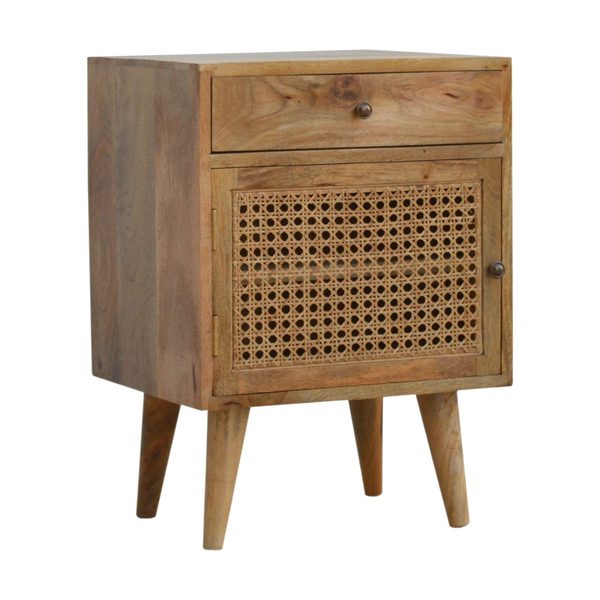
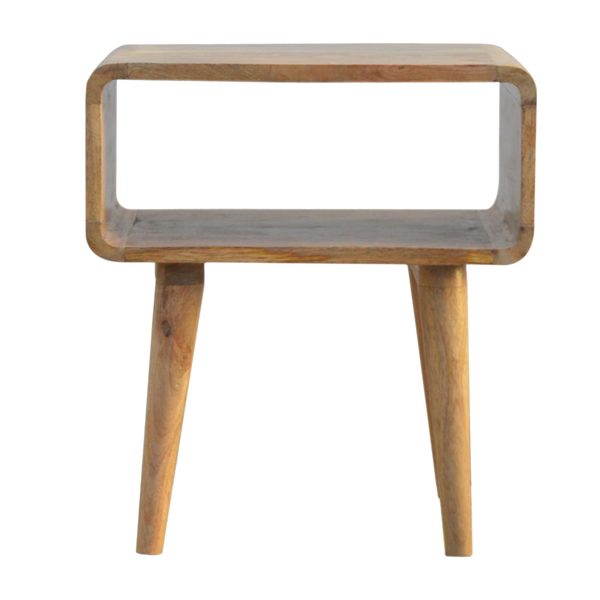

Give every bedside object a clear home
Make three groups: things reached for in the dark, things used before sleeping and things that belong elsewhere. Keep the first group at the surface or in the most accessible compartment. The second group can sit lower or inside storage. Remove the third group from your bedside plan rather than buying extra furniture to contain it.
Next, assess the actual usable space. A large cabinet can offer little practical capacity if openings are narrow or difficult to reach. If storage dimensions are not stated, ask about the specific compartment your belongings require. This approach helps you choose an arrangement that supports a routine, rather than a cabinet that simply looks substantial.
Choose open or closed access deliberately
Open compartments can suit a regularly read book or a basket you lift out. A closed compartment may suit small items that would otherwise make the bedroom feel busy. Consider how quietly and easily you can reach each one beside the bed, especially when sharing the room.
Doors require a swing area; drawers require forward space; shelves require an unobstructed opening. These are separate from the cabinet’s closed footprint. Compare bedside tables with shelves when direct access matters, and use the wider bedside tables category to assess storage against table height and lamp space. Check the individual design rather than assuming all storage tables combine several formats.
Avoid losing the bedside gap to extra capacity
A deeper or wider cabinet may hold more, but can also interrupt a wardrobe door or the route alongside the bed. Make storage capacity one part of the decision, alongside movement, reach and appearance. If the only usable gap is narrow, identify the few objects that must be kept there first.
Look at how the cabinet base meets the floor and where charging leads will run. Do not feed cables through moving parts unless the product is designed for that use. Read the supplied assembly, fixing and care guidance. When bedside storage is not enough for larger belongings, keep those needs in the wider bedroom plan instead of treating a nightstand as a full chest of drawers.