
Walnut Veneer Bed Frames
Walnut veneer bed frames are a material-led choice for a bedroom where visible wood should give the bed a clear identity. Start with the actual finish and grain rather than assuming every walnut surface has the same depth or tone. The amount of exposed wood matters: a broad headboard has a different presence from narrow rails around pale bedding. Compare that presence with the floor and bedside pieces you intend to keep.
Read moreRead less
Use this collection to assess walnut veneer as a surface over a stated supporting material, not as a claim of solid walnut throughout. Oak veneer bed frames provide another wood-surface direction. Check mattress support and the complete frame footprint alongside the finish, and ask benssur about unclear construction details.
Showing the single result
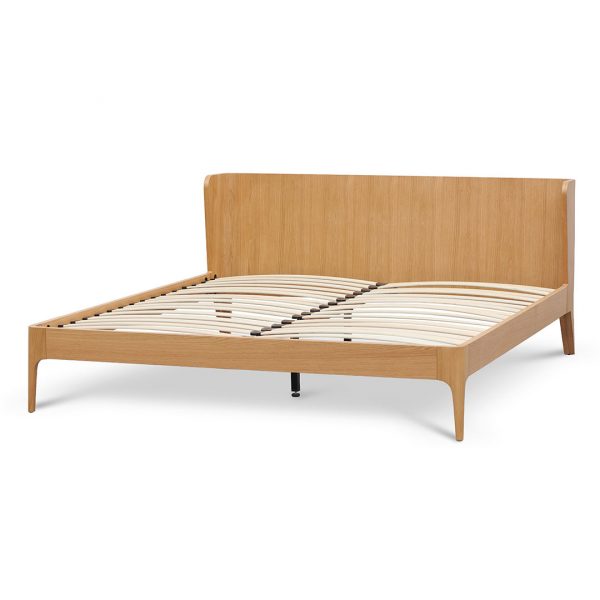

Balance the walnut surface with bedding and existing timber
Look at the selected walnut finish beside the room’s permanent wood surfaces. Tone, grain and sheen can differ even between items using the same wood name. A deliberate contrast may be more workable than attempting an exact match from separate product photographs. Consider the floor, bedside pieces and bed as one grouping.
Light bedding can leave the visible walnut outline clear; deeper textiles can make the bed feel more continuous. Compare the amount of wood showing above pillows and below the quilt. Natural timber bed frames are a useful broader comparison when the grain character matters more than the specific veneer direction. Compare the selected veneer tone with the amount of pale bedding and exposed bedside timber in your own room.
Identify the veneered components and their edge details
Read which parts use walnut veneer and what supporting materials are specified. The headboard, rails and legs may not share one construction. Veneer is a wood surface layer; it does not establish an all-solid walnut frame. Photographs can help with the visible effect, but the component description should explain the purchase.
Pay attention to edges where the veneer meets other surfaces, especially on a broad head end or exposed rail. Ask about missing substrate or finish information when it affects the decision. Compare timber bed frames through their actual constructions rather than ranking them by a material name alone. Check the veneer faces and substrate separately from the mattress base, so both the visible bedroom finish and the sleeping setup are clear.
Check the frame and care requirements before finalising the wood choice
Use assembled outer dimensions to check paths and bedside access. A projecting rail or wide headboard can occupy space beyond the compatible mattress. Confirm the mattress-support arrangement and included parts, then compare the finished sleeping height with nearby furniture. This keeps the visual choice connected to everyday use.
Follow the care instructions for the actual veneered finish. Do not assume it can be sanded, oiled or treated like another walnut item. Check delivery and assembly access for the largest section as well. Bed frames help with the structural checklist, so a preferred walnut surface does not become the only basis for ordering.