
Travertine Decorative Plates
Travertine decorative plates offer stone texture across a shallow face. Read whether cavities are filled or left visible and how the surface is finished. That detail influences the appearance and should be confirmed on the actual product rather than borrowed from another travertine object.
Read moreRead less
Then choose a supported viewing angle and compare the piece with the furniture or wall around it. Decorative stone does not automatically establish serving, water or mounting use. This guide helps assess the plate as a considered display form. Browse any listed pieces with the surface information in view, or explore wider decorative accessories when another object gives the texture or usable footprint the arrangement needs.
Showing all 2 resultsSorted by recommended
-
On SaleOriginal price was: $169.00.$149.00Current price is: $149.00.
-
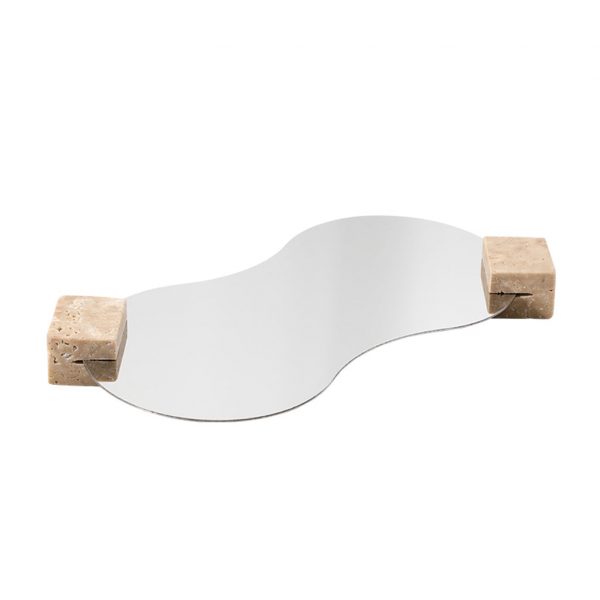
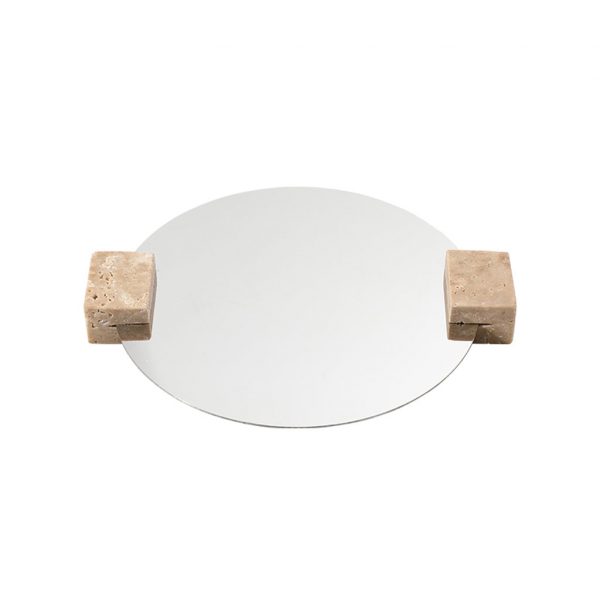
Choose the actual cavity and finish detail
Check the stated filling and surface treatment. Travertine’s characteristic texture can be expressed differently on a finished object, so a broad stone name cannot establish a smooth or open surface. Ask where those details matter to your display or care routine.
Look at the complete face, rim and any curvature rather than one close-up patch. Natural colour and pattern may vary where stone is specified. Compare the visible texture with nearby objects so the plate has a clear role. For another stone pattern, compare marble decorative plates using their actual veining and finish, alongside the cavity texture you want from travertine.
Plan a view and support that reveal the surface
Assess the face horizontally and, where permitted, upright with suitable support. Check what the product includes instead of assuming a stand or wall mounting. The chosen angle creates a complete footprint that must fit the supporting furniture.
The console tables guide helps reserve practical surface space. A single empty plate can show stone texture without contents or extra objects that hide it. Follow actual handling and placement guidance, and keep nearby everyday items reachable. The stone should be appreciated through a workable display rather than held in an improvised position or chosen because one small image made it seem visually light.
Keep acid-sensitive stone care part of the decision
Leave enough room to reach the plate’s face and rim for care, whether it lies flat or is held upright by a permitted support. Acidic cleaners or liquids can etch natural travertine, producing dull areas on the texture you want to display. Choose cleaning from the item’s own instructions, and avoid acidic or abrasive products on natural travertine.
Check cavity filling, penetrating sealing and any surface coating as separate finish details; filling holes is not sealing the stone, and a penetrating sealer does not prevent acid etching. Follow care for any filled areas too. Confirm food, water and washing use before adding contents. Read the base or stand guidance alongside the supporting furniture’s finish, using protection where instructed.