
Timber Outdoor Sofas
Timber outdoor sofas combine a wood construction question with the actual sitting position. Read which parts use timber and how they are described, keeping other frame or textile components separate. A wood-looking surface should not become an all-solid-timber claim or identify cushion filling.
Read moreRead less
Then compare usable depth, width and support with the way your household relaxes. The finish and exposure guidance need to suit the real site, with upkeep you can follow. Outdoor lounge furniture covers broader layout checks. For a single sofa, compare the exposed timber arms and frame with the seating surface between them. The width inside the structure, the way an arm supports the seated position and access to the lower frame for care can all affect the choice alongside the grain you see.
Showing the single result
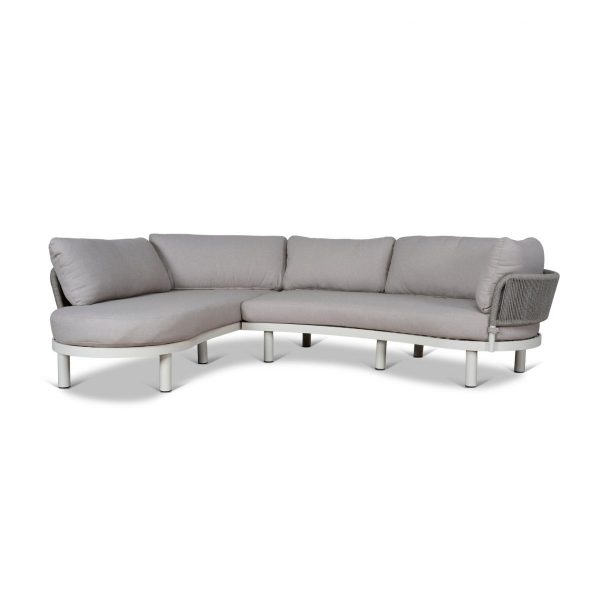

Which timber parts form the actual sofa structure?
Read frame, arms, seat support and other named components individually. Solid wood and mixed construction should remain accurate where stated. Ask about unclear materials or connections when they affect the choice.
Do not infer origin, load rating or a maintenance method from timber alone. The actual finish and intended use describe other parts of the decision. Timber lounge sets provide a coordinated-group comparison if more pieces are needed, with each component still checked. Compare the edges and joints that remain in view, and read their finish guidance. If timber on the arms is part of the appeal, check the actual arm shape and height as well as the wider frame from the usual approach.
How does the frame relate to the useful sitting area?
Compare usable seat width and depth inside arms or other structure, then read back support and any included filling. The timber outline and the upholstered area can have different dimensions. Follow stated use and limits instead of turning outside width into a capacity promise.
Consider how the regular users sit back and rise, including arm height where relevant. Fabric outdoor sofas focus on the covering and cushion decision. Wood should support a practical seated position, not replace the comparison of geometry and filling. If the sofa has broad timber arms, compare their position with where your hands rest. Look at the space inside them with any cushions in their stated position, so the frame detail and supported seat work together.
What finish care and placement make timber useful outdoors?
Compare the actual coating and exposure guidance with the site. Finish upkeep should follow that product’s method; oil, stain and paint are not interchangeable treatments. Keep instructions for textile or other components separate.
Mark the full sofa and occupied movement around doors, paths and any real table. Follow assembly and any stated securing requirements, checking base placement too. Outdoor tables provide a separate reach-and-height comparison. Leave the access needed to clean and maintain the back and lower timber parts as instructed. Where the sofa sits close to a wall or other furniture, check that this care space remains available between ordinary uses.
Frequently Asked Questions
Use outdoor sofa sets when the requirement is a sofa-led group rather than a single timber seat added to existing furniture.