
Reclaimed Timber Furniture
Reclaimed timber furniture interests buyers who want material with an earlier life and a surface that does not look perfectly uniform. The important first check is what the product actually says is reclaimed. A weathered appearance alone does not establish reused timber, its source or the way the complete piece is built.
Read moreRead less
Think about how much variation you welcome and where you will see it. A large top shows character differently from a small accent. Compare console tables or cabinets by their real use, then read the material and finish description for the shortlisted item.
Showing all 10 resultsSorted by recommended
-
Week’s PickOriginal price was: $2,409.00.$1,999.00Current price is: $1,999.00.
-
On SaleOriginal price was: $766.00.$674.00Current price is: $674.00.
-
-
-
-
-
-
-
-
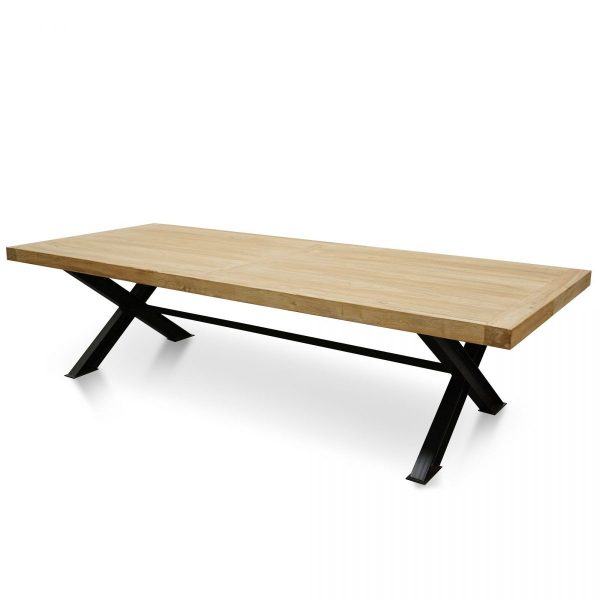

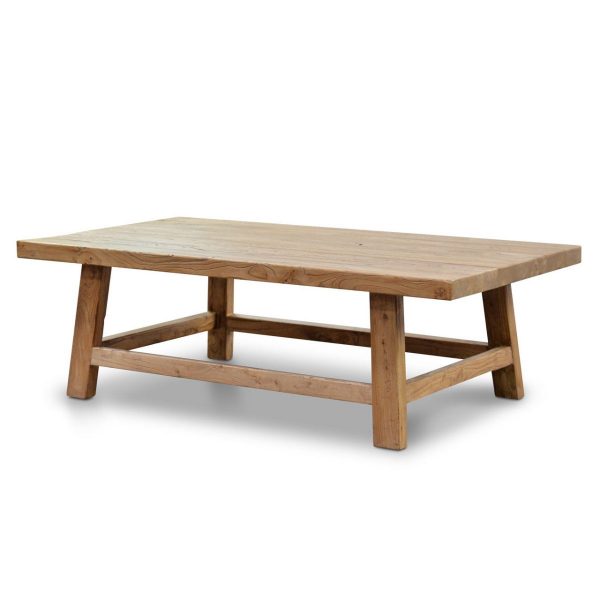
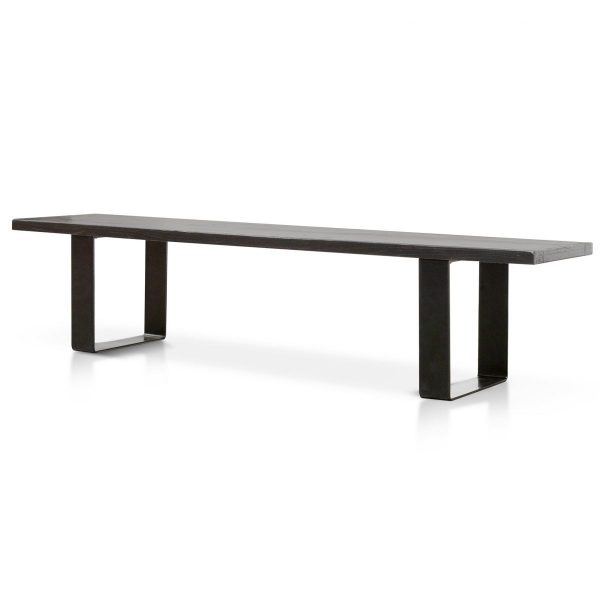
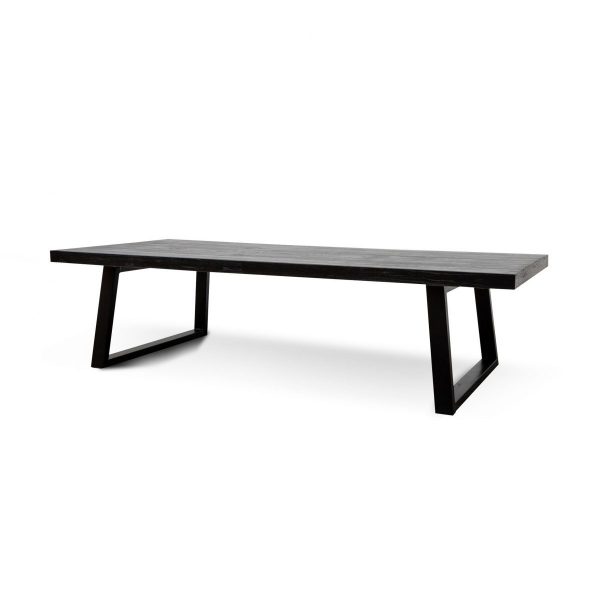
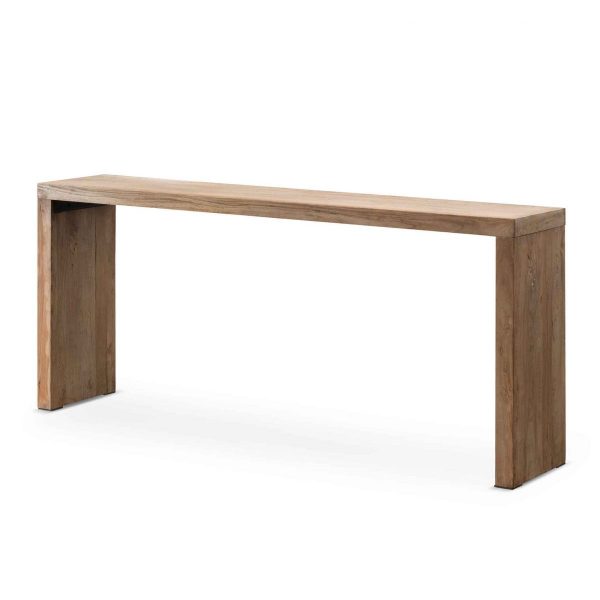
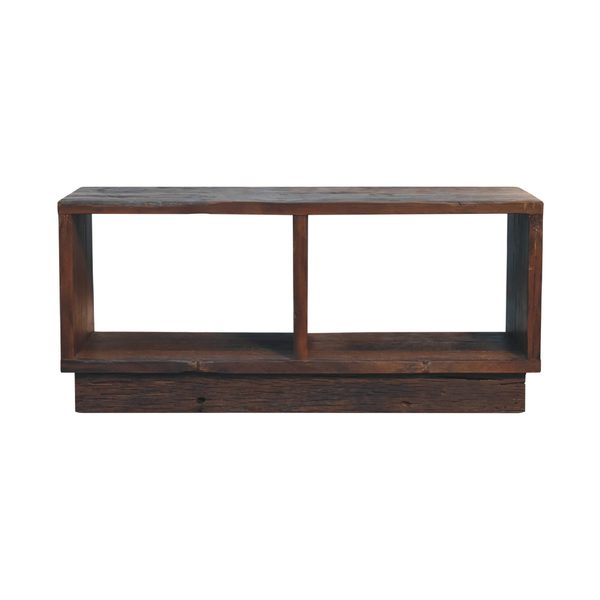

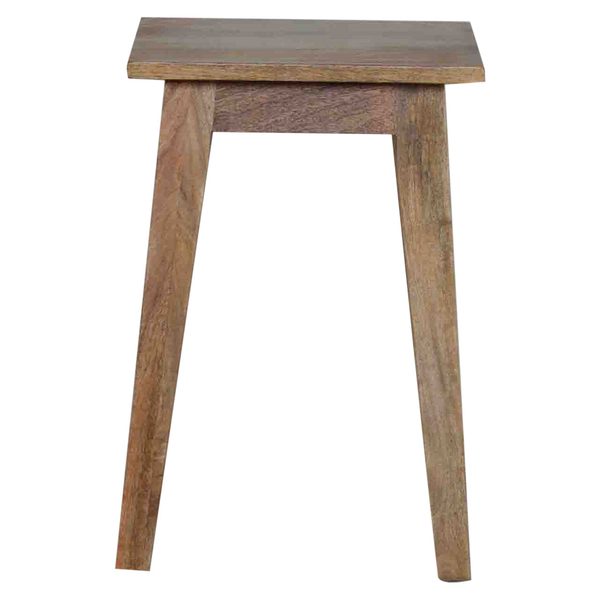
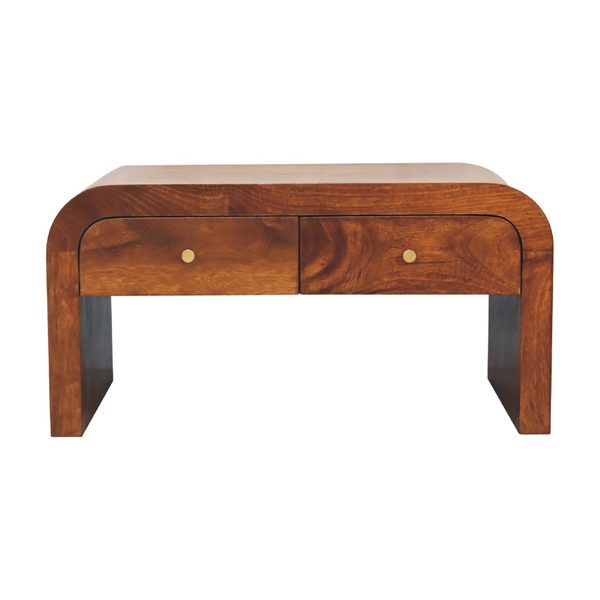
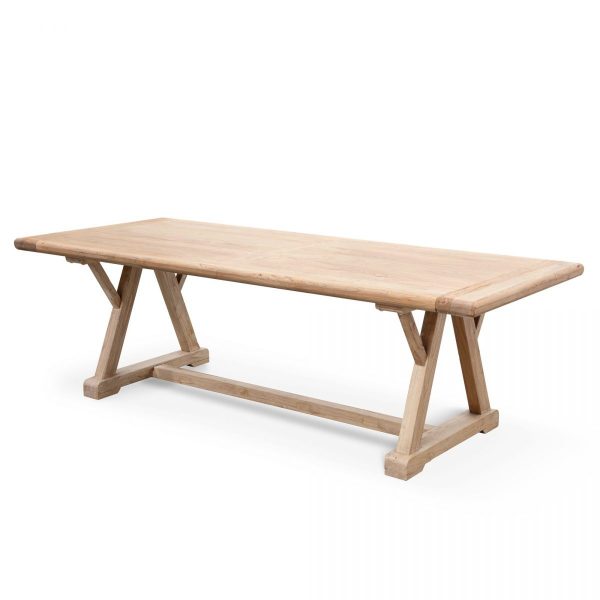
Ask which timber is reclaimed and what is known about it
Look for a description of the reclaimed component and any stated source. The top, frame and interior may not share one material history. If provenance is central to your choice, ask for the information available for that exact product rather than assuming a previous building, species or location from its appearance.
Keep environmental claims equally specific. Reclaimed content does not by itself establish a certification, the complete manufacturing process or an overall impact comparison. Choose on the documented facts that matter to you. Read the reclaimed material description alongside the other component materials so you know exactly what the finished piece contains.
Decide how individual you want the surface to feel
Read the listing for any expected variation, marks or repair details, and distinguish those from the photograph of one example. Look at broad surfaces and close views together. A strong grain change or visible mark may become a focal point on a table, while the same detail has less influence on a narrow frame.
If the actual piece is individually photographed, inspect those images; otherwise ask how representative the images are. Do not assume a particular nail mark, colour patch or grain arrangement will be repeated. Plan a quieter companion finish if the timber character should lead the room, and compare tone rather than trying to reproduce every mark elsewhere.
Check everyday contact as carefully as visual character
A distinctive surface still needs to work for the furniture’s purpose. For a table, check the useful top, stated finish and any surface irregularity information. For storage, compare doors, drawers and usable compartments. Measure those working areas as carefully as the overall furniture outline.
Follow the finish-specific care directions rather than treating reclaimed timber as unfinished timber. Ask about an important contact area if the description is unclear, especially where you will write, rest objects or handle the piece frequently. Confirm the exact construction and intended placement too. Reclaimed content does not establish outdoor use or permission to sand and refinish the furniture yourself.
Frequently Asked Questions
If a clearly stated solid component is your priority instead, compare solid wood furniture.