
Oak Veneer Chests of Drawers
Oak veneer chests of drawers are for buyers who want a named timber surface with its construction described clearly. Veneer is a wood layer over a base material, so identify where it is used on the fronts, body or top. It should not become a claim of solid oak throughout.
Read moreRead less
Compare the actual grain and finish with your bedroom, then check inside drawer dimensions and opening space. The species name does not guarantee one fixed light colour or an exact match with existing furniture. Timber chests provide the broader construction comparison. Check the oak veneer detail at frequently handled edges with the product’s care guidance beside you.
Showing all 15 resultsSorted by recommended
-
On SaleOriginal price was: $1,364.00.$1,200.00Current price is: $1,200.00.
-
-
On SaleOriginal price was: $1,915.00.$1,685.00Current price is: $1,685.00.
-
On SaleOriginal price was: $1,409.00.$1,240.00Current price is: $1,240.00.
-
On SaleOriginal price was: $2,754.00.$2,424.00Current price is: $2,424.00.
-
-
-
-
-
-
-
-
-
-
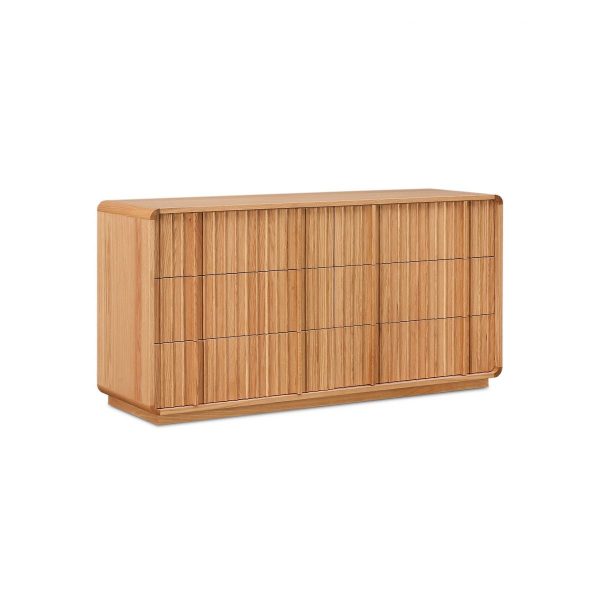

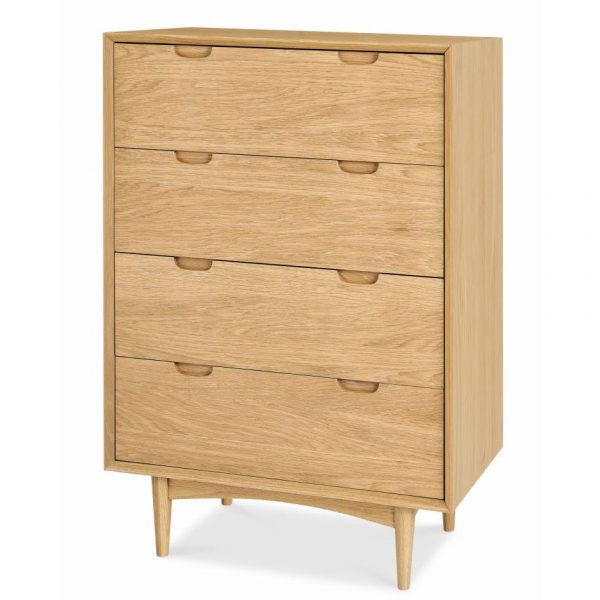
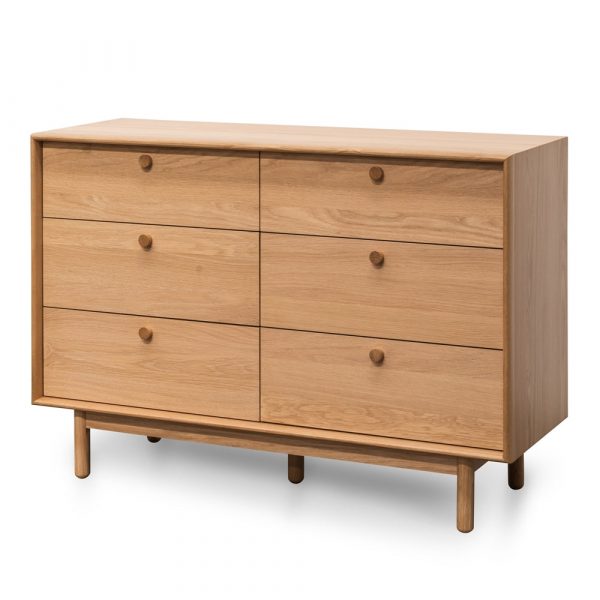
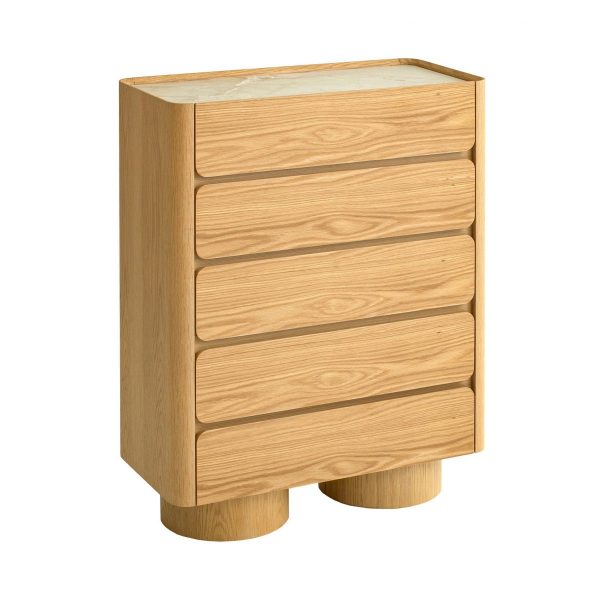

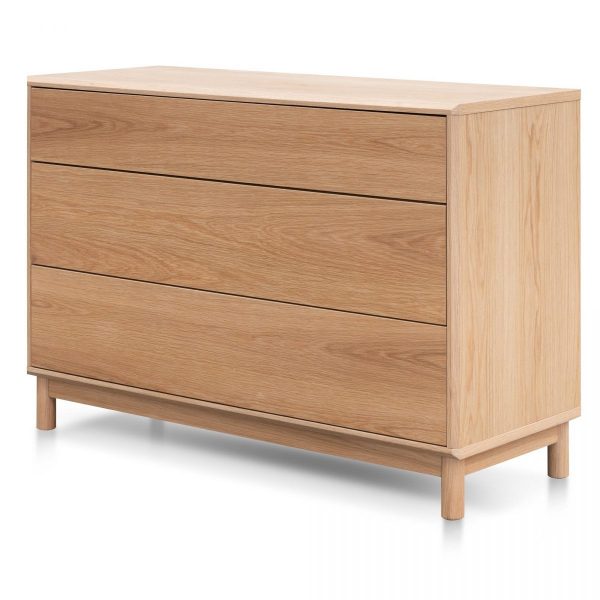


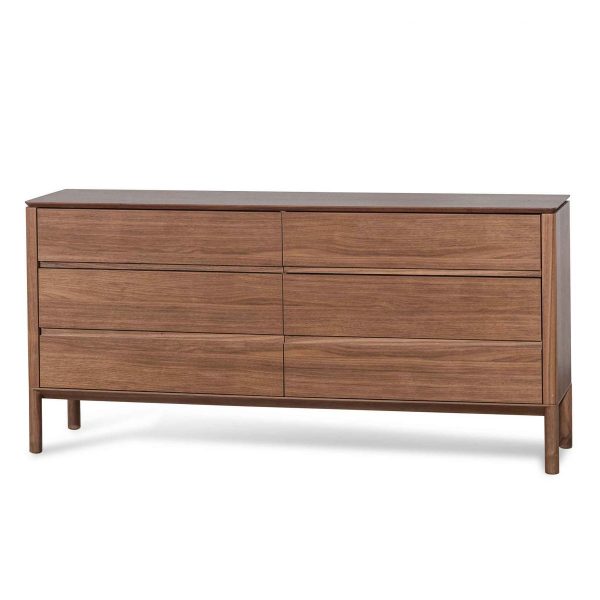
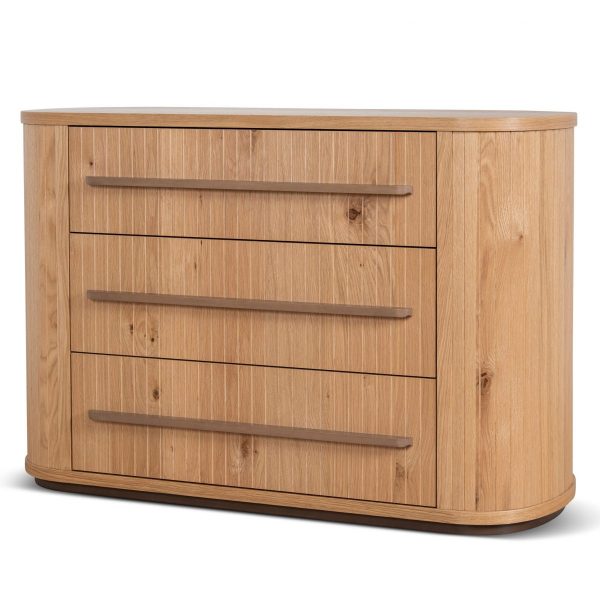
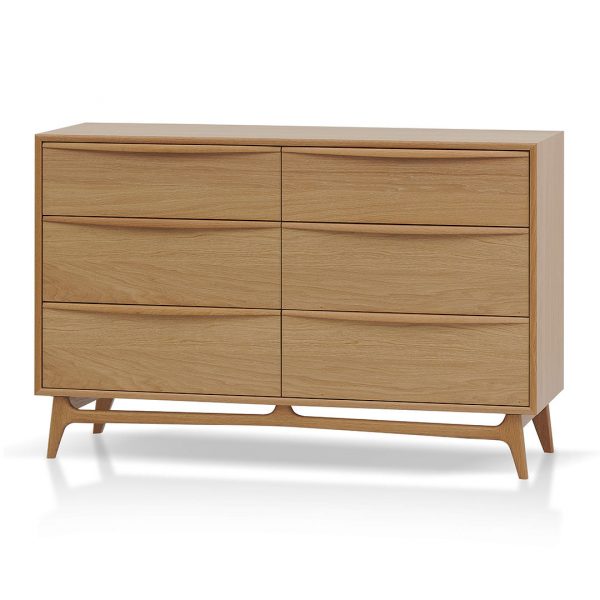
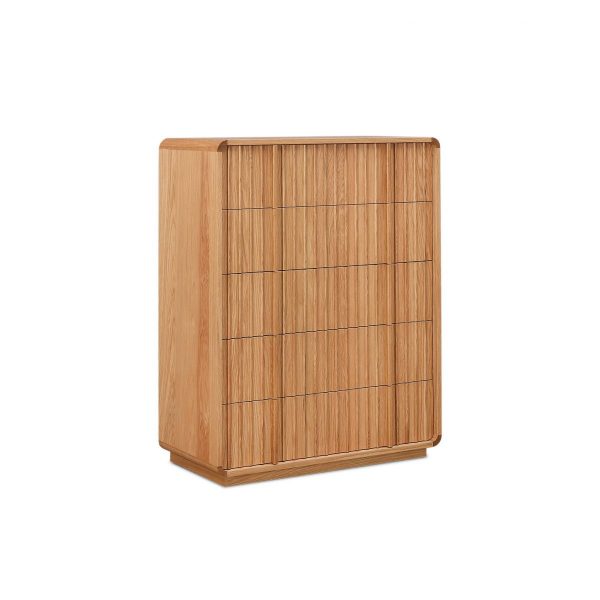
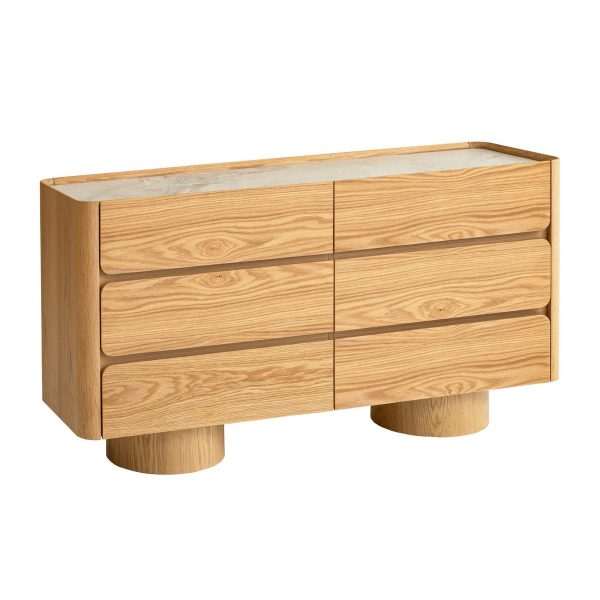

Which parts use an oak veneer surface?
Read the fronts, body, top and supporting components separately. The veneer may sit alongside other stated materials, and the drawer boxes or mechanisms should not be inferred from the visible wood. Available edge and underside views can support the description without replacing it.
Ask about unclear construction when the surface layer is central to your choice. Do not assume a load capacity or one repair method from oak appearance. The full structure and product’s instructions remain important. Identify the core and how the front edge meets the surface layer, especially where you grip to open a drawer. Those details make care and any repair questions more precise for the actual construction.
How does oak surface detail relate to the bedroom?
Compare the selected furniture finish with your bed and floor before expecting pale oak. A coating can change the tone, and the drawer bank shows that finish over several separate fronts. Decide whether the chest should repeat an existing wood colour or create a clearer change beside the bedding.
Where the veneer cut is stated, compare the pattern as well. Plain-cut oak can show a cathedral-like grain; quarter-cut oak can display characteristic ray fleck. Neither should be assumed from the name alone. Read the actual detail across the complete drawer bank, then judge whether it supports patterned bedding or becomes another visible feature. The natural timber chests guide helps with the wider grain-and-bedroom relationship.
What care and access do frequently opened fronts need?
Follow the finish guidance around handles, front edges and the top. Do not assume sanding, oiling or abrasive treatment is appropriate for a veneered construction. Ask about unclear maintenance before using a method borrowed from solid timber.
Then compare usable drawers with your folded belongings and mark actual opening movement beside the bed. Include standing space, and follow assembly and securing instructions. Slim chests refine constrained dimensions but still need useful compartments. The oak surface should complete storage whose interiors, mechanism and room access work, rather than encourage you to choose from the front appearance alone.
Frequently Asked Questions
Compare walnut veneer chests of drawers using each design’s actual finish if another named surface is part of your brief.